Categories:

Serotonin and Autism Connection

Also see:
Antidepressant use in pregnancy linked to autism risk in boys: Study
Hypothyroidism and Serotonin
Estrogen Increases Serotonin
Tryptophan Metabolism: Effects of Progesterone, Estrogen, and PUFA
Omega -3 “Deficiency” Decreases Serotonin Producing Enzyme
Serotonin Reuptake ENHANCER as Anti-Depressant
Therapeutic Effects of Bromocriptine
Acute Appendicitis and Serotonin
Enzyme to Know: Tryptophan Hydroxylase
Serotonin and Melatonin Lower Progesterone
Role of Serotonin in Preeclampsia
PUFA, Development, and Allergy Incidence
Maternal exposure to anti-depressant SSRIs linked to autism in children

“In autism, repetitive motions are a common symptom, and serotonin is high in the blood serum and platelets of autistic children and their relatives.” -Ray Peat, PhD

Med Hypotheses. 2010 May;74(5):880-3. doi: 10.1016/j.mehy.2009.11.015. Epub 2009 Dec 16.
Serotonin, pregnancy and increased autism prevalence: is there a link?
Hadjikhani N.
The prevalence of autism, a neurodevelopmental condition resulting from genetic and environmental causes, has increased dramatically during the last decade. Among the potential environmental factors, hyperserotonemia during pregnancy and its effect on brain development could be playing a role in this prevalence raise. In the rodent model developed by Whitaker-Azmitia and colleagues, hyperserotonemia during fetal development results in a dysfunction of the hypothalamo-pituitary axis, affecting the amygdala as well as pro-social hormone oxytocin regulation. Dysfunction of the amygdala and abnormal oxytocin levels may underlie many clinical features of ASD. Selective serotonin reuptake inhibitors (SSRI) are the most widely used class of antidepressants drugs, and they are not contraindicated during pregnancy. In this paper, we hypothesize that increased serotonemia during pregnancy, including due to SSRI intake, could be one of the causes of the raising prevalence in autism. If our hypothesis is confirmed, it will not only shed light on one of the possible reason for autism prevalence, but also offer new preventive and treatment options.

J Neuropsychiatry Clin Neurosci. 1990 Summer;2(3):268-74.
Autistic children and their first-degree relatives: relationships between serotonin and norepinephrine levels and intelligence.
Cook EH Jr, Leventhal BL, Heller W, Metz J, Wainwright M, Freedman DX.
Whole-blood serotonin (5-HT) and plasma norepinephrine (NE) were studied in 16 autistic children, 21 siblings of autistic children, and 53 parents of autistic children. Both plasma NE and whole-blood 5-HT were negatively correlated with vocabulary performance. Whole-blood 5-HT and plasma NE did not differ between autistic children with or without histories of self-injurious behavior or decreased pain sensitivity. Eighteen subjects were hyperserotonemic (whole-blood 5-HT greater than 270 ng/ml). For these subjects, plasma NE was significantly higher than for subjects without hyperserotonemia. Seven of 10 families with one hyperserotonemic member had two or more hyperserotonemic members. Observations of familiarity of whole-blood 5-HT suggest that larger-scale and more focused study of whole-blood 5-HT as a possible genetic marker may be productive.

J Autism Dev Disord. 1990 Dec;20(4):499-511.
Relationships of whole blood serotonin and plasma norepinephrine within families.
Leventhal BL, Cook EH Jr, Morford M, Ravitz A, Freedman DX.
Whole blood serotonin (5HT) and plasma norepinephrine (NE) levels were determined in 47 families of autistic probands to study relationships within families of these measures. Whole blood 5HT, but not plasma NE, was significantly positively correlated between autistic children and their mothers, fathers, and siblings. Twenty-three of the 47 families studied had at least 1 hyperserotonemic member. Of these 23 families, 10 (43.5%) had 2 or more hyperserotonemic members; 5 families were identified in which each family member studied had hyperserotonemia (whole blood 5HT greater than 270 ng/ml). If the autistic child of a family was hyperserotonemic, the first-degree relatives were 2.4 times more likely to be hypersertonemic than if the autistic child was not hyperserotonemic. Mean whole blood 5HT levels were higher in autistic subjects than their parents or siblings. Siblings were found to have lower plasma NE than autistic probands. This study replicates a previous study showing familial relationships of hyperserotonemia within families with autistic children.

Arch Gen Psychiatry. 1977 May;34(5):521-31.
Hyperserotonemia and amine metabolites in autistic and retarded children.
Hanley HG, Stahl SM, Freedman DX.
Mean whole blood serotonin (5-HT) levels were elevated in groups of autistic and severely retarded children. Eight of 27 (30%) individual autistic children, 13 of 25 (52%) severely retarded children, two of 23 (9%) mildly retarded children, and none of the control children had statistically significant blood 5-HT levels elevations (hyperserotonemia). Hyperserotonemic autistic children excreted more urinary 5-HT, 5-hydroxyindoleacetic acid (5-HIAA), tryptamine, and vanillylmandelic acid than did mildly retarded children with normal blood 5-HT levels. Rates of depletion and repletion of blood 5-HT levels in these two groups following reserpine therapy were identical. Oral tryptophan administration doubled urinary 5-HIAA excretion in both groups and raised urinary 5-HT levels in hyperserotonemic autistic children, but lowered urinary 5-HT in mildly retarded, normal blood 5-HT children. No clear mechanism for hyperserotonemia was found; the rationale for further investigations is discussed.

Int J Dev Neurosci. 2005 Feb;23(1):75-83.
Behavioral and cellular consequences of increasing serotonergic activity during brain development: a role in autism?
Whitaker-Azmitia PM.
The hypothesis explored in this review is that the high levels of serotonin in the blood seen in some autistic children (the so-called hyperserotonemia of autism) may lead to some of the behavioral and cellular changes also observed in the disorder. At early stages of development, when the blood-brain Barrier is not yet fully formed, the high levels of serotonin in the blood can enter the brain of a developing fetus and cause loss of serotonin terminals through a known negative feedback function of serotonin during development. The loss of serotonin innervation persists throughout subsequent development and the symptoms of autism appear. A review of the basic scientific literature on prenatal treatments affecting serotonin is given, in support of this hypothesis, with an emphasis on studies using the serotonin agonist, 5-methoxytryptamine (5-MT). In work using 5-MT to mimic hyperserotonemia, Sprague-Dawley rats are treated from gestational day 12 until postnatal 20. In published reports, these animals have been found to have a significant loss of serotonin terminals, decreased metabolic activity in cortex, changes in columnar development in cortex, changes in serotonin receptors, and “autistic-like” behaviors. In preliminary cellular findings given in this review, the animals have also been found to have cellular changes in two relevant brain regions: 1. Central nucleus of the amygdala, a brain region involved in fear-responding, where an increase in calcitonin gene related peptide (CGRP) was found 2. Paraventricular nucleus of the hypothalamus, a brain region involved in social memory and bonding, where a decrease in oxytocin was found. Both of these cellular changes could result from loss of serotonin innervation, possibly due to loss of terminal outgrowth from the same cells of the raphe nuclei. Thus, increased serotonergic activity during development could damage neurocircuitry involved in emotional responding to social stressors and may have relevance to the symptoms of autism.

Physiol Behav. 2002 Mar;75(3):403-10.
Behavioral and magnetic resonance spectroscopic studies in the rat hyperserotonemic model of autism.
Kahne D, Tudorica A, Borella A, Shapiro L, Johnstone F, Huang W, Whitaker-Azmitia PM.
Autism is classified as a pervasive developmental disorder, with several cardinal features including sensory disturbances, obsessive-compulsive-like behavior, lack of bonding to caregivers and motor disturbances. To date, there is a lack of an animal model of the disease. The current work is aimed at producing such a model by treating developing rat pups with a serotonergic agonist, 5-methoxytryptamine (5-MT; 1 mg/kg) during development (from gestational age 12 days to postnatal day 20), thus mimicking one of the hallmark neurochemical features of the illness-increases in the neurotransmitter, serotonin. Animals were then tested in behavioral paradigms that may resemble the human illness. Treated rat pups were found to be overreactive to auditory or tactile sensory stimuli, to display changes in the negative geotaxic test of motor development, to show lack of separation-induced vocalizations when their dam was removed and to show decreased alternation in the spontaneous alternation task. As well, the animals showed metabolic abnormalities in the brain using in vivo proton magnetic resonance spectroscopy, which are consistent with those observed in autistic children. In summary, the model we are proposing shows some of the behavioral and metabolic features of autism, as well as being produced through alteration of a neurochemical system known to be altered in autism.

The Journal of Neuroscience, 1 June 2016, 36(22): 6041-6049; doi: 10.1523/JNEUROSCI.2534-15.2016
Maternal Inflammation Disrupts Fetal Neurodevelopment via Increased Placental Output of Serotonin to the Fetal Brain
Nick Goeden1, Juan Velasquez, Kathryn A. Arnold, Yen Chan, Brett T. Lund, George M. Anderson6, and Alexandre Bonnin
Maternal inflammation during pregnancy affects placental function and is associated with increased risk of neurodevelopmental disorders in the offspring. The molecular mechanisms linking placental dysfunction to abnormal fetal neurodevelopment remain unclear. During typical development, serotonin (5-HT) synthesized in the placenta from maternal L-tryptophan (TRP) reaches the fetal brain. There, 5-HT modulates critical neurodevelopmental processes. We investigated the effects of maternal inflammation triggered in midpregnancy in mice by the immunostimulant polyriboinosinic-polyribocytidylic acid [poly(I:C)] on TRP metabolism in the placenta and its impact on fetal neurodevelopment. We show that a moderate maternal immune challenge upregulates placental TRP conversion rapidly to 5-HT through successively transient increases in substrate availability and TRP hydroxylase (TPH) enzymatic activity, leading to accumulation of exogenous 5-HT and blunting of endogenous 5-HT axonal outgrowth specifically within the fetal forebrain. The pharmacological inhibition of TPH activity blocked these effects. These results establish altered placental TRP conversion to 5-HT as a new mechanism by which maternal inflammation disrupts 5-HT-dependent neurogenic processes during fetal neurodevelopment.

SIGNIFICANCE STATEMENT The mechanisms linking maternal inflammation during pregnancy with increased risk of neurodevelopmental disorders in the offspring are poorly understood. In this study, we show that maternal inflammation in midpregnancy results in an upregulation of tryptophan conversion to serotonin (5-HT) within the placenta. Remarkably, this leads to exposure of the fetal forebrain to increased concentrations of this biogenic amine and to specific alterations of crucially important 5-HT-dependent neurogenic processes. More specifically, we found altered serotonergic axon growth resulting from increased 5-HT in the fetal forebrain. The data provide a new understanding of placental function playing a key role in fetal brain development and how this process is altered by adverse prenatal events such as maternal inflammation. The results uncover important future directions for understanding the early developmental origins of mental disorders.

Posted in General.

Tagged with , , , , , , , .


Alice Stewart: The woman who knew too much

Also see:
Alice Mary Stewart
Alice Stewart, 95; Linked X-Rays to Diseases
Dr. Alice Stewart, Low-Level Radiation, and the Fetus
Book: The Woman Who Knew Too Much: Alice Stewart and the Secrets of Radiation
Inflammation from Radiation
Harm of Prenatal Exposure to Radiation
Caffeine and Skin Protection
Topical Vitamin E and ultraviolet radiation on human skin
Radiation and Growth – Ray Peat
Bone Density: First Do No Harm
Executive Summary, Radiation from Medical Procedures in the Pathogenesis of Cancer and Ischemic Heart Disease: Dose-Response Studies with Physicians per 100,000 Population
Quotes and more from Dr. John Gofman
John W. Gofman, 88, Scientist and Advocate for Nuclear Safety, Dies
Breast Cancer

Alice Stewart was one of Britain’s foremost epidemiologists. However her recognition came late in her career, having spent her life fighting the establishment’s enshrined views.

In the 1950s when she started her work, x-rays were routinely used in foetal monitoring. It was Stewart who first showed the link between the practice and childhood leukemia. She went on to look at the effects of low-level radiation exposure – uncovering the true adverse effects of chronic exposure, and thus earning herself the enmity of the nuclear industry.

Posted in General.

Tagged with , , , , , , , , , , , .


The Biggest Loser Season 14 Finale: Show Promotes Bad Science, Stereotypes

by Cameron English

Source

the, biggest, loser, season, 14, finale, show, promotes, bad, science,, stereotypes,
Prime time TV is a bad place to learn science. There may be no better example of this than hit reality show The Biggest Loser, which wraps up its 14th season on Monday night.

If you’re unfamiliar with it, the show follows a group of obese people as they attempt to lose weight and regain their health. The contestants maintain a grueling workout routine and eat a birdseed diet, all while being yelled at by attractive personal trainers. It’s brilliant TV. The problem, however, is that the show is based on bad science and sends the wrong message to people who want to lose weight.

Obesity is one of the most intensely debated topics among scientists, no doubt about it. But most experts agree that there are two really awful ways to try to lose weight, and The Biggest Loserpromotes both of them: starvation diets and excessive exercise.

Starvation diets have a series of detrimental effects. They cause rapid weight loss, subsequent weight gain, and psychological distress as a result of the fluctuation in body weight, according to multiple studies published in recent years. In 2011, for example, a team of scientists concludedthat drastic calorie restriction can “have unintended consequences, contributing to food and body preoccupation, repeated cycles of weight loss and regain … reduced self-esteem, [and] eating disorders…” Research has also shown that there are dozens of pesky biochemical factors working against dieters who starve themselves.

Unnecessarily rigorous exercise routines likewise can have unintended consequences. Moving around too much can be a source of chronic stress, which releases cortisol, a hormone known to promote fat storage, according to scientists at Harvard. Research also suggests that too much exercise is associated with higher rates of heart disease and high blood pressure, and people who expend too many calories, over 3,500 a week in this study, may die earlier than those with more moderate workout habits. Perhaps most importantly for the biggest losers and people who would emulate them, exercise, particularly too much cardio, has been shown to stimulate appetite and decrease metabolism.

Unsurprisingly, contestants on the show have endured all of these effects to some degree. A recentstudy looking specifically at contestants on The Biggest Loser found that they experienced a significant drop in resting metabolic rate, burning 504 fewer calories on average, thanks to an effect known as “metabolic adaptation.” And perhaps as many as 90 percent of the contestants on the show regain all their lost weight, according to US News.

LiveScience reported in 2010 that two contestants from season 8 owere hospitalized after collapsing during a foot race. Another contestant from season 9 was treated for exhaustion after trying to ride 26 miles on a stationary bike. The risk in all three cases was heightened because the contestants had been severely obese and inactive for many years, according to experts quoted in the LiveScience piece.

Researchers have also investigated how The Biggest Loser affects viewers. In one study, viewers expressed increased disdain for overweight people, even after watching just one episode. In a second study, viewers were more likely to think of obesity as a condition influenced mostly by lack of self-control. Finally, a third investigation found that viewers were less inclined to exercise because of how it’s portrayed on the show. Images of people barfing and passing out aren’t good motivators, apparently.

The gross inaccuracies perpetuated by the show are certainly annoying, but they’re not unique by themselves. Pick any science topic, and I’ll show you an example of pop culture screwing it up. What’s most frustrating about The Biggest Loser is that it highlights the ridiculous lengths to which many Americans will go to no longer be fat, even if they could harm themselves in the process. Living in the supposedly progressive, tolerant society we do, that’s a very revealing observation.


Posted in General.

Tagged with , , , , .


Metabolic testing for athletes and couch potatoes

Also see:
Women: Running into Trouble

Volume 76, Number 32 | January 3 – 9, 2007

Sports

Source

Marathoner Yuen Chun undergoing metabolic testing to improve her stamina and speed, as fitness expert Marco Ferdinandi, standing behind her, monitors the test.

Metabolic testing for athletes and couch potatoes

By Judith Stiles

During the holiday season, yummy Christmas cookies, roast beef, plum pudding, Hollandaise sauce, fruitcake and chocolate truffles certainly delight taste buds around the world. However, they leave many a waistline in a woeful bulge, prompting new year’s resolutions galore. If January is the designated time to turn over a new leaf, it also might be a good time to give metabolic testing a try, to discover not only how one’s body burns calories, but how to efficiently exercise in order to build greater strength and speed.

At Velocity Sports Performance Center, at 133 E. 58th St., Yuen Chun and Cindy Sirko, two female athletes from Greenwich Village, decided to measure their metabolic rates with the common goal of improving their fitness. Both women are the same age, 49, and play sports. Chun is a serious runner who trains for several marathons a year, and often chooses the hills at Van Cortlandt Park in the Bronx as her workout site during the week. Her mission is to improve overall fitness but, more important, build speed, strength and endurance. Sirko, a former softball player, now a soccer goalie, is recovering from an ankle injury that has impaired her mobility during games, making her fitness issues more complex. Her goal is to improve overall fitness, but also to gain a better understanding of how her metabolism functions during rest, as well as while exercising.

To begin the test, Chun decided to test her metabolic rate at rest, that is, how efficiently her body burned calories while sitting for 10 minutes. She donned a purple mask with tubes that measured her oxygen intake and carbon dioxide release, which translated into fat and carbohydrate burning. The mask was hooked up to a computer program that processed information about her breathing in order to determine her metabolic rate at rest, a.k.a. her R.M.R. The program showed that if Chun, for example, sat at a computer all day and did not exercise, in order to maintain her current body weight, she would need to burn 926 calories per day.

The program, appropriately named New Leaf Metabolic Testing, can also design a program that specifies precisely how much exercise and diet a person needs daily for healthful weight loss.

However, Chun was most interested in the second part of the test, which measured how efficient her caloric utilization was during different phases of running, called the “five zones.” With the same purple mask, she tested her breathing while running at different speeds on a treadmill. Going from walking, to running slowly, then fast, New Leaf measured her heart rate and created a chart that revealed how efficiently her body used energy at different speeds.

Surprisingly, Chun was told that running at higher speeds for longer periods of time was not going to make her a stronger, faster runner. In a nutshell, the recommendation was that in order to improve her speed and endurance, she should train at a lower, more moderate speed for a longer period of time. This was the first step in a long-term program for Chun that would help her achieve her goals.

“Many athletes think they can improve by training hard at higher speeds, but they are overtraining, too hard and too often,” said Marco Ferdinandi, the fitness expert who enthusiastically monitored the tests. Ferdinandi — who is certified as a trainer by the National Strength and Conditioning Association — added, “Besides improving the way an athlete trains to reach maximum fitness, our program takes the guesswork out of nutrition.” He emphasized that if an athlete eats the proper fuel mixture, such as a Gatorade shake with banana, right after a sporting event, it will greatly improve recovery. However, he added that every body is different and it is important to find the right fuel mixture that works for each individual.

Next, when Sirko tried the metabolic test at rest, she learned that if she sat at a computer all day without exercising, she could take in 1837 calories without a weight increase, in contrast to Chun’s number of 926 calories. In other words, Chun’s metabolism needed less fuel to remain at her current weight. Although Chun is a long-distance runner, one shouldn’t be fooled into thinking that the caloric difference is because Sirko is a goalie, who can relax and stand in goal, while teammates run up and down the field, sweating up a storm. Sirko is quick to point out that a goalie’s body is constantly on high alert, often in a nervous state, which burns a lot of fuel in a different way from a runner who is often jogging along in a more relaxed state.

By the time Chun and Sirko left Velocity, they had a thorough understanding of their current fitness, and the mystery of their personal metabolisms had been explained in simple terms. They went home to start the new year with a specific program, tailored to their individual needs, in hand. Now the trick is to implement the plan and stick to it. Good luck, ladies!

For more information on Velocity Sports Performance Center, visit velocitysp.com.


Posted in General.

Tagged with , , , .


Vitamin K, Calcification, & Atherosclerosis

Also See:
Intestinal Bacteria Synthesize Vitamin K2
Bone Health and Vitamin K
Calcium to Phosphorus Ratio, PTH, and Bone Health
Intestinal Serotonin and Bone Loss
Carbohydrates and Bone Health
Parmigiano Reggiano cheese and bone health
Calcium Paradox
Blood Pressure Management with Calcium & Dairy
Hypertension and Calcium Deficiency
Excess Dietary Phosphorus Lowers Vitamin D Levels
Fatty Acid Synthase (FAS), Vitamin D, and Cancer
ARTERIOSCLEROSIS CAN BE REVERSED by Dr. James Howenstine, MD

Food Nutr Res. 2012;56. doi: 10.3402/fnr.v56i0.5329. Epub 2012 Apr 2.
Vitamin K: the effect on health beyond coagulation – an overview.
Vermeer C.
Vitamin K is essential for the synthesis of proteins belonging to the Gla-protein family. To the members of this family belong four blood coagulation factors, which all are exclusively formed in the liver. The importance of vitamin K for hemostasis is demonstrated from the fact that vitamin K-deficiency is an acute, life-threatening condition due to excessive bleeding. Other members of the Gla-protein family are osteocalcin, matrix Gla-protein (MGP), and Gas6 that play key functions in maintaining bone strength, arterial calcification inhibition, and cell growth regulation, respectively. In total 17 Gla-proteins have been discovered at this time. Recently, it was observed that the dietary vitamin K requirement for the synthesis of the coagulation factors is much lower than for that of the extra-hepatic Gla-proteins. This forms the basis of the triage theory stating that during poor dietary supply, vitamins are preferentially utilized for functions that are important for immediate survival. This explains why in the healthy population all clotting factors are synthesized in their active form, whereas the synthesis of other Gla-proteins is sub-optimal in non-supplemented subjects. Prolonged sub-clinical vitamin K deficiency is a risk factor for osteoporosis, atherosclerosis, and cancer. Present recommendations for dietary intake are based on the daily dose required to prevent bleeding. Accumulating scientific data suggests that new, higher recommendations for vitamin K intake should be formulated.

Menopause Int. 2011 Mar;17(1):19-23. doi: 10.1258/mi.2011.011006.
Vitamin K, osteoporosis and degenerative diseases of ageing.
Vermeer C, Theuwissen E.
The function of vitamin K is to serve as a co-factor during the post-translational carboxylation of glutamate (Glu) residues into γ-carboxyglutamate (Gla) residues. The vital importance of the Gla-proteins essential for normal haemostasis is well recognized. During recent years, new Gla-containing proteins have been discovered and the vitamin K-dependent carboxylation is also essential for their function. It seems, however, that our dietary vitamin K intake is too low to support the carboxylation of at least some of these Gla-proteins. According to the triage theory, long-term vitamin K inadequacy is an independent, but modifiable risk factor for the development of degenerative diseases of ageing including osteoporosis and atherosclerosis

Eur J Nutr. 2004 Dec;43(6):325-35. Epub 2004 Feb 5.
Beyond deficiency: potential benefits of increased intakes of vitamin K for bone and vascular health.
Vermeer C, Shearer MJ, Zittermann A, Bolton-Smith C, Szulc P, Hodges S, Walter P, Rambeck W, Stöcklin E, Weber P.
Vitamin K is well known for its role in the synthesis of a number of blood coagulation factors. During recent years vitamin K-dependent proteins were discovered to be of vital importance for bone and vascular health. Recommendations for dietary vitamin K intake have been made on the basis of the hepatic requirements for the synthesis of blood coagulation factors. Accumulating evidence suggests that the requirements for other functions than blood coagulation may be higher. This paper is the result of a closed workshop (Paris, November 2002) in which a number of European vitamin K experts reviewed the available data and formulated their standpoint with respect to recommended dietary vitamin K intake and the use of vitamin K-containing supplements.

PM R. 2011 Jun;3(6 Suppl 1):S82-7. doi: 10.1016/j.pmrj.2011.04.008.
Vitamin K: fracture prevention and beyond.
Falcone TD, Kim SS, Cortazzo MH.
Morbidity and decreased function related to osteoporosis, fracture, cardiovascular disease, stroke, and peripheral vascular disease are encountered by clinicians daily. Although we have seen vast advancement in treatment and management of these conditions, preventative practice has unfortunately served a lesser role in patient care. Increasing the dietary intake of vitamin K may have substantial utility in the prevention of these disease states. Since the discovery of vitamin K in 1935, its primary role was thought to be involved in the synthesis of clotting factors II, VII, IX, and X. Recently, its function in other metabolic pathways has emerged, leading to exploration of its significance beyond coagulation. Vitamin K is essential to bone physiology and prevention of atherosclerosis. It is involved in bone remodeling, cell signaling, apoptosis, arterial calcification, and chemotaxis, and it has anti-inflammatory effects. Conversely, warfarin, a potent vitamin K inhibitor, has demonstrated adverse effects on bone remodeling and atherosclerosis. Natural forms of vitamin K are available in multiple dietary sources, and some structural forms are more readily available for use in metabolic pathways than are others. With regard to supplementation, the specific form of vitamin K is often not disclosed, and the recommended daily value is potentially less than what is physiologically required. On the basis of a review of the literature, it appears advantageous to encourage patients to eat a diet rich in vitamin K; however, the benefit of vitamin K supplementation alone is yet to be thoroughly conveyed.

Atherosclerosis. 1995 Jul;116(1):117-23.
Vitamin K intake and osteocalcin levels in women with and without aortic atherosclerosis: a population-based study.
Jie KS, Bots ML, Vermeer C, Witteman JC, Grobbee DE.
Protein-bound gamma-carboxyglutamate (Gla) has been demonstrated in calcified atherosclerotic plaques. Vitamin K is required for the formation of Gla-residues. As the biological activity of Gla-proteins appears to be strictly dependent on the presence of the Gla-residues, vitamin K status may be an important factor in the development and progression of atherosclerotic calcifications. We studied the association of vitamin K status, as assessed by nutritional vitamin K intake and the measurements of two circulating immunoreactive osteocalcin (irOC) fractions, with aortic atherosclerosis in a population-based study of 113 postmenopausal women. Women with calcified lesions (n = 34) had a 42.9 micrograms lower mean age-adjusted dietary vitamin K intake/day (95% C.I. -6.6 to 92.5) than those without calcifications (n = 79). Atherosclerotic women had higher irOC levels with a low affinity for hydroxyapatite (irOCfree): age-adjusted difference of 0.32 ng/ml (95% C.I. 0.03 to 0.61). In addition, the high affinity irOC levels expressed as a percentage (hydroxyapatite binding capacity, HBC) were 5.12% (95% C.I. 1.32 to 8.92) lower in women with calcifications. Our study indicates that women with aortic atherosclerosis have an impaired vitamin K status as reflected by a lower nutritional vitamin K intake, an increased irOCfree level and a reduced HBC level. An impaired vitamin K status in subjects with atherosclerosis is compatible with the view that vitamin K or Gla-containing proteins are involved in the development of calcification of the vessel wall.

PLoS One. 2012;7(8):e43229. doi: 10.1371/journal.pone.0043229. Epub 2012 Aug 29.
Vitamin K-antagonists accelerate atherosclerotic calcification and induce a vulnerable plaque phenotype.
Schurgers LJ, Joosen IA, Laufer EM, Chatrou ML, Herfs M, Winkens MH, Westenfeld R, Veulemans V, Krueger T, Shanahan CM, Jahnen-Dechent W, Biessen E, Narula J, Vermeer C, Hofstra L, Reutelingsperger CP.
BACKGROUND:
Vitamin K-antagonists (VKA) are treatment of choice and standard care for patients with venous thrombosis and thromboembolic risk. In experimental animal models as well as humans, VKA have been shown to promote medial elastocalcinosis. As vascular calcification is considered an independent risk factor for plaque instability, we here investigated the effect of VKA on coronary calcification in patients and on calcification of atherosclerotic plaques in the ApoE(-/-) model of atherosclerosis.
METHODOLOGY/PRINCIPAL FINDINGS:
A total of 266 patients (133 VKA users and 133 gender and Framingham Risk Score matched non-VKA users) underwent 64-slice MDCT to assess the degree of coronary artery disease (CAD). VKA-users developed significantly more calcified coronary plaques as compared to non-VKA users. ApoE(-/-) mice (10 weeks) received a Western type diet (WTD) for 12 weeks, after which mice were fed a WTD supplemented with vitamin K(1) (VK(1), 1.5 mg/g) or vitamin K(1) and warfarin (VK(1)&W; 1.5 mg/g & 3.0 mg/g) for 1 or 4 weeks, after which mice were sacrificed. Warfarin significantly increased frequency and extent of vascular calcification. Also, plaque calcification comprised microcalcification of the intimal layer. Furthermore, warfarin treatment decreased plaque expression of calcification regulatory protein carboxylated matrix Gla-protein, increased apoptosis and, surprisingly outward plaque remodeling, without affecting overall plaque burden.
CONCLUSIONS/SIGNIFICANCE:
VKA use is associated with coronary artery plaque calcification in patients with suspected CAD and causes changes in plaque morphology with features of plaque vulnerability in ApoE(-/-) mice. Our findings underscore the need for alternative anticoagulants that do not interfere with the vitamin K cycle.

Adv Nutr. 2012 Mar 1;3(2):158-65. doi: 10.3945/an.111.001644.
Vitamin K status and vascular calcification: evidence from observational and clinical studies.
Shea MK, Holden RM.
Vascular calcification occurs when calcium accumulates in the intima (associated with atherosclerosis) and/or media layers of the vessel wall. Coronary artery calcification (CAC) reflects the calcium burden within the intima and media of the coronary arteries. In population-based studies, CAC independently predicts cardiovascular disease (CVD) and mortality. A preventive role for vitamin K in vascular calcification has been proposed based on its role in activating matrix Gla protein (MGP), a calcification inhibitor that is expressed in vascular tissue. Although animal and in vitro data support this role of vitamin K, overall data from human studies are inconsistent. The majority of population-based studies have relied on vitamin K intake to measure status. Phylloquinone is the primary dietary form of vitamin K and available supplementation trials, albeit limited, suggest phylloquinone supplementation is relevant to CAC. Yet observational studies have found higher dietary menaquinone, but not phylloquinone, to be associated with less calcification. Vascular calcification is highly prevalent in certain patient populations, especially in those with chronic kidney disease (CKD), and it is plausible vitamin K may contribute to reducing vascular calcification in patients at higher risk. Subclinical vitamin K deficiency has been reported in CKD patients, but studies linking vitamin K status to calcification outcomes in CKD are needed to clarify whether or not improving vitamin K status is associated with improved vascular health in CKD. This review summarizes the available evidence of vitamin K and vascular calcification in population-based studies and clinic-based studies, with a specific focus on CKD patients.

Z Kardiol. 2001;90 Suppl 3:57-63.
Role of vitamin K and vitamin K-dependent proteins in vascular calcification.
Schurgers LJ, Dissel PE, Spronk HM, Soute BA, Dhore CR, Cleutjens JP, Vermeer C.
OBJECTIVES:
To provide a rational basis for recommended daily allowances (RDA) of dietary phylloquinone (vitamin K1) and menaquinone (vitamin K2) intake that adequately supply extrahepatic (notably vascular) tissue requirements.
BACKGROUND:
Vitamin K has a key function in the synthesis of at least two proteins involved in calcium and bone metabolism, namely osteocalcin and matrix Gla-protein (MGP). MGP was shown to be a strong inhibitor of vascular calcification. Present RDA values for vitamin K are based on the hepatic phylloquinone requirement for coagulation factor synthesis. Accumulating data suggest that extrahepatic tissues such as bone and vessel wall require higher dietary intakes and have a preference for menaquinone rather than for phylloquinone.
METHODS:
Tissue-specific vitamin K consumption under controlled intake was determined in warfarin-treated rats using the vitamin K-quinone/epoxide ratio as a measure for vitamin K consumption. Immunohistochemical analysis of human vascular material was performed using a monoclonal antibody against MGP. The same antibody was used for quantification of MGP levels in serum.
RESULTS:
At least some extrahepatic tissues including the arterial vessel wall have a high preference for accumulating and using menaquinone rather than phylloquinone. Both intima and media sclerosis are associated with high tissue concentrations of MGP, with the most prominent accumulation at the interface between vascular tissue and calcified material. This was consistent with increased concentrations of circulating MGP in subjects with atherosclerosis and diabetes mellitus.
CONCLUSIONS:
This is the first report demonstrating the association between MGP and vascular calcification. The hypothesis is put forward that undercarboxylation of MGP is a risk factor for vascular calcification and that the present RDA values are too low to ensure full carboxylation of MGP.

Am J Clin Nutr. 2009 Jun;89(6):1799-807. doi: 10.3945/ajcn.2008.27338. Epub 2009 Apr 22.
Vitamin K supplementation and progression of coronary artery calcium in older men and women.
Shea MK, O’Donnell CJ, Hoffmann U, Dallal GE, Dawson-Hughes B, Ordovas JM, Price PA, Williamson MK, Booth SL.
BACKGROUND:
Coronary artery calcification (CAC) is an independent predictor of cardiovascular disease. A preventive role for vitamin K in CAC progression has been proposed on the basis of the properties of matrix Gla protein (MGP) as a vitamin K-dependent calcification inhibitor.
OBJECTIVE:
The objective was to determine the effect of phylloquinone (vitamin K1) supplementation on CAC progression in older men and women.
DESIGN:
CAC was measured at baseline and after 3 y of follow-up in 388 healthy men and postmenopausal women; 200 received a multivitamin with 500 microg phylloquinone/d (treatment), and 188 received a multivitamin alone (control).
RESULTS:
In an intention-to-treat analysis, there was no difference in CAC progression between the phylloquinone group and the control group; the mean (+/-SEM) changes in Agatston scores were 27 +/- 6 and 37 +/- 7, respectively. In a subgroup analysis of participants who were > or =85% adherent to supplementation (n = 367), there was less CAC progression in the phylloquinone group than in the control group (P = 0.03). Of those with preexisting CAC (Agatston score > 10), those who received phylloquinone supplements had 6% less progression than did those who received the multivitamin alone (P = 0.04). Phylloquinone-associated decreases in CAC progression were independent of changes in serum MGP. MGP carboxylation status was not determined.
CONCLUSIONS:
Phylloquinone supplementation slows the progression of CAC in healthy older adults with preexisting CAC, independent of its effect on total MGP concentrations. Because our data are hypothesis-generating, further studies are warranted to clarify this mechanism. This trial was registered at clinicaltrials.gov as NCT00183001.

Thromb Res. 2008;122(3):411-7. doi: 10.1016/j.thromres.2007.12.005. Epub 2008 Jan 30.
Effects of the blood coagulation vitamin K as an inhibitor of arterial calcification.
Wallin R, Schurgers L, Wajih N.
INTRODUCTION:
The transformation of smooth muscle cells (VSMCs) in the vessel wall to osteoblast like cells is known to precede arterial calcification which may cause bleeding complications. The vitamin K-dependent protein MGP has been identified as an inhibitor of this process by binding BMP-2, a growth factor known to trigger the transformation. In this study, we determined if the vitamin K-dependent Gla region in MGP by itself can inhibit the growth factor activity of BMP-2 and if menaquinone-4 (MK4) regulates gene expression in VSMCs.
MATERIALS AND METHODS:
A synthetic gamma-carboxyglutamic acid (Gla) containing peptide covering the Gla region in human MGP was used to test its ability to inhibit BMP-2 induced transformation of mouse pro-myoblast C2C12 cells into osteoblasts. MK4 was tested by microarray analysis as a gene regulatory molecule in VSMCs.
RESULTS AND CONCLUSIONS:
The results show that the Gla – but not the Glu-peptide inhibited the transformation which provide evidence that the Gla region in MGP is directly involved in the BMP-2/MGP interaction and emphasizes the importance of the vitamin K-dependent modification of MGP. From the data obtained from the microarray analysis, we focused on two quantitatively altered cDNAs representing proteins known to be associated with vessel wall calcification. DT-diaphorase of the vitamin K-cycle, showed increased gene expression with a 4.8-fold higher specific activity in MK4 treated cells. Osteoprotegrin gene expression was down regulated and osteoprotegrin protein secretion from the MK4 treated cells was lowered to 1.8-fold. These findings suggest that MK4 acts as an anti-calcification component in the vessel wall.

Am J Clin Nutr. 2009 Oct;90(4):889-907. doi: 10.3945/ajcn.2009.27930. Epub 2009 Aug 19.
Vitamin K, an example of triage theory: is micronutrient inadequacy linked to diseases of aging?
McCann JC, Ames BN.
The triage theory posits that some functions of micronutrients (the approximately 40 essential vitamins, minerals, fatty acids, and amino acids) are restricted during shortage and that functions required for short-term survival take precedence over those that are less essential. Insidious changes accumulate as a consequence of restriction, which increases the risk of diseases of aging. For 16 known vitamin K-dependent (VKD) proteins, we evaluated the relative lethality of 11 known mouse knockout mutants to categorize essentiality. Results indicate that 5 VKD proteins that are required for coagulation had critical functions (knockouts were embryonic lethal), whereas the knockouts of 5 less critical VKD proteins [osteocalcin, matrix Gla protein (Mgp), growth arrest specific protein 6, transforming growth factor beta-inducible protein (Tgfbi or betaig-h3), and periostin] survived at least through weaning. The VKD gamma-carboxylation of the 5 essential VKD proteins in the liver and the 5 nonessential proteins in nonhepatic tissues sets up a dichotomy that takes advantage of the preferential distribution of dietary vitamin K1 to the liver to preserve coagulation function when vitamin K1 is limiting. Genetic loss of less critical VKD proteins, dietary vitamin K inadequacy, human polymorphisms or mutations, and vitamin K deficiency induced by chronic anticoagulant (warfarin/coumadin) therapy are all linked to age-associated conditions: bone fragility after estrogen loss (osteocalcin) and arterial calcification linked to cardiovascular disease (Mgp). There is increased spontaneous cancer in Tgfbi mouse knockouts, and knockdown of Tgfbi causes mitotic spindle abnormalities. A triage perspective reinforces recommendations of some experts that much of the population and warfarin/coumadin patients may not receive sufficient vitamin K for optimal function of VKD proteins that are important to maintain long-term health.

Thromb Haemost. 2007 Jul;98(1):120-5.
Vitamin K: the coagulation vitamin that became omnipotent.
Cranenburg EC, Schurgers LJ, Vermeer C.
Vitamin K, discovered in the 1930s, functions as cofactor for the posttranslational carboxylation of glutamate residues. Gammacarboxy glutamic acid (Gla)-residues were first identified in prothrombin and coagulation factors in the 1970s; subsequently, extra-hepatic Gla proteins were described, including osteocalcin and matrix Gla protein (MGP). Impairment of the function of osteocalcin and MGP due to incomplete carboxylation results in an increased risk for developing osteoporosis and vascular calcification, respectively, and is an unexpected side effect of treatment with oral anticoagulants. It is conceivable that other side effects, possible involving growth-arrest-specific gene 6 (Gas6) protein will be identified in forthcoming years. In healthy individuals, substantial fractions of osteocalcin and MGP circulate as incompletely carboxylated species, indicating that the majority of these individuals is subclinically vitamin K-deficient. Potential new application areas for vitamin K are therefore its use in dietary supplements and functional foods for healthy individuals to prevent bone and vascular disease, as well as for patients on oral anticoagulant treatment to offer them protection against coumarin-induced side effects and to reduce diet-induced fluctuations in their INR values.

Eur Heart J. 2011 Oct;32(20):2555-62. doi: 10.1093/eurheartj/ehr226. Epub 2011 Jul 20.
Patients using vitamin K antagonists show increased levels of coronary calcification: an observational study in low-risk atrial fibrillation patients.
Weijs B, Blaauw Y, Rennenberg RJ, Schurgers LJ, Timmermans CC, Pison L, Nieuwlaat R, Hofstra L, Kroon AA, Wildberger J, Crijns HJ.
AIMS:
Vitamin K antagonists (VKA) are currently the most frequently used drug to prevent ischaemic stroke in atrial fibrillation (AF) patients. However, VKA use has been associated with increased vascular calcification. The aim of this study was to investigate the contribution of VKA use to coronary artery calcification in low-risk AF patients.
METHODS AND RESULTS:
A prospective coronary calcium scan was performed in 157 AF patients without significant cardiovascular disease (108 males; mean age 57 ± 9 years). A total of 71 (45%) patients were chronic VKA users. The duration of VKA treatment varied between 6 and 143 months (mean 46 months). No significant differences in clinical characteristics were found between patients on VKA treatment and non-anticoagulated patients. However, median coronary artery calcium scores differed significantly between patients without and patients with VKA treatment [0, inter-quartile range (IQR) 0-40, vs. 29, IQR 0-184; P = 0.001]. Mean coronary calcium scores increased with the duration of VKA use (no VKA: 53 ± 115, 6-60 months on VKA: 90 ± 167, and >60 months on VKA: 236 ± 278; P < 0.001). Multivariable logistic regression analysis revealed that age and VKA treatment were significantly related to increased coronary calcium score. CONCLUSION:
Patients using VKA show increased levels of coronary calcification. Age and VKA treatment were independently related to increased coronary calcium score.

Blood Rev. 2012 Jul;26(4):155-66. doi: 10.1016/j.blre.2012.03.002. Epub 2012 Apr 18.
Vascular calcification: the price to pay for anticoagulation therapy with vitamin K-antagonists.
Chatrou ML, Winckers K, Hackeng TM, Reutelingsperger CP, Schurgers LJ.
Vitamin K-antagonists (VKA) are the most widely used anti-thrombotic drugs with substantial efficacy in reducing risk of arterial and venous thrombosis. Several lines of evidence indicate, however, that VKA inhibit not only post-translational activation of vitamin K-dependent coagulation factors but also synthesis of functional extra-hepatic vitamin K-dependent proteins thereby eliciting undesired side-effects. Vascular calcification is one of the recently revealed side-effects of VKA. Vascular calcification is an actively regulated process involving vascular cells and a number of vitamin K-dependent proteins. Mechanistic understanding of vascular calcification is essential to improve VKA-based treatments of both thrombotic disorders and atherosclerosis. This review addresses vitamin K-cycle and vitamin K-dependent processes of vascular calcification that are affected by VKA. We conclude that there is a growing need for better understanding of the effects of anticoagulants on vascular calcification and atherosclerosis.

Arterioscler Thromb Vasc Biol. 2000 Feb;20(2):317-27.
Warfarin-induced artery calcification is accelerated by growth and vitamin D.
Price PA, Faus SA, Williamson MK.
The present studies demonstrate that growth and vitamin D treatment enhance the extent of artery calcification in rats given sufficient doses of Warfarin to inhibit gamma-carboxylation of matrix Gla protein, a calcification inhibitor known to be expressed by smooth muscle cells and macrophages in the artery wall. The first series of experiments examined the influence of age and growth status on artery calcification in Warfarin-treated rats. Treatment for 2 weeks with Warfarin caused massive focal calcification of the artery media in 20-day-old rats and less extensive focal calcification in 42-day-old rats. In contrast, no artery calcification could be detected in 10-month-old adult rats even after 4 weeks of Warfarin treatment. To directly examine the importance of growth to Warfarin-induced artery calcification in animals of the same age, 20-day-old rats were fed for 2 weeks either an ad libitum diet or a 6-g/d restricted diet that maintains weight but prevents growth. Concurrent treatment of both dietary groups with Warfarin produced massive focal calcification of the artery media in the ad libitum-fed rats but no detectable artery calcification in the restricted-diet, growth-inhibited group. Although the explanation for the association between artery calcification and growth status cannot be determined from the present study, there was a relationship between higher serum phosphate and susceptibility to artery calcification, with 30% higher levels of serum phosphate in young, ad libitum-fed rats compared with either of the groups that was resistant to Warfarin-induced artery calcification, ie, the 10-month-old rats and the restricted-diet, growth-inhibited young rats. This observation suggests that increased susceptibility to Warfarin-induced artery calcification could be related to higher serum phosphate levels. The second set of experiments examined the possible synergy between vitamin D and Warfarin in artery calcification. High doses of vitamin D are known to cause calcification of the artery media in as little as 3 to 4 days. High doses of the vitamin K antagonist Warfarin are also known to cause calcification of the artery media, but at treatment times of 2 weeks or longer yet not at 1 week. In the current study, we investigated the synergy between these 2 treatments and found that concurrent Warfarin administration dramatically increased the extent of calcification in the media of vitamin D-treated rats at 3 and 4 days. There was a close parallel between the effect of vitamin D dose on artery calcification and the effect of vitamin D dose on the elevation of serum calcium, which suggests that vitamin D may induce artery calcification through its effect on serum calcium. Because Warfarin treatment had no effect on the elevation in serum calcium produced by vitamin D, the synergy between Warfarin and vitamin D is probably best explained by the hypothesis that Warfarin inhibits the activity of matrix Gla protein as a calcification inhibitor. High levels of matrix Gla protein are found at sites of artery calcification in rats treated with vitamin D plus Warfarin, and chemical analysis showed that the protein that accumulated was indeed not gamma-carboxylated. These observations indicate that although the gamma-carboxyglutamate residues of matrix Gla protein are apparently required for its function as a calcification inhibitor, they are not required for its accumulation at calcification sites.

Posted in General.

Tagged with , , , , , , , , , , , , , , , , , , , , , , , .


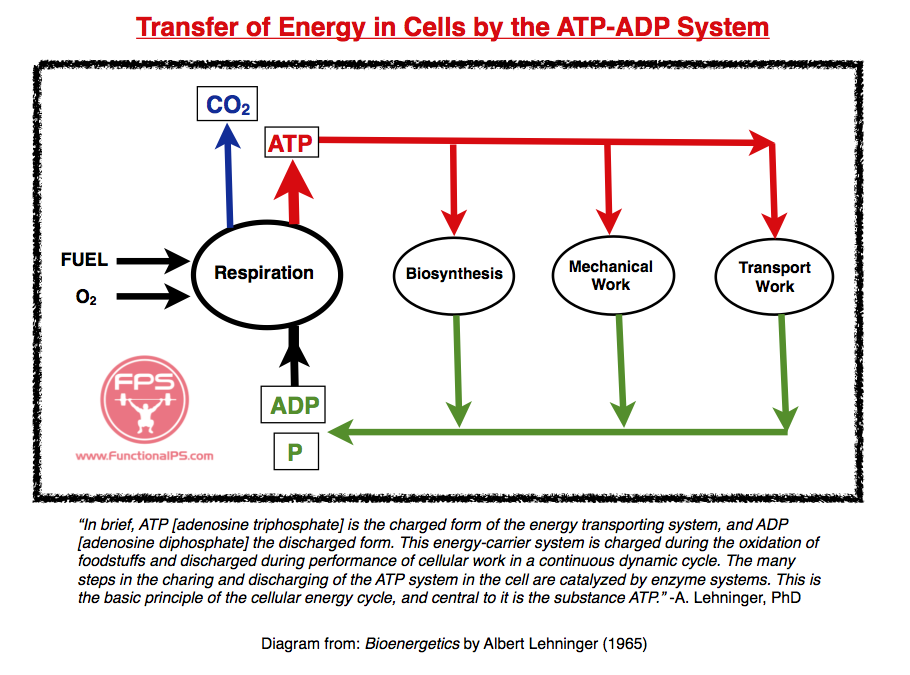
Transfer of Energy in Cells by the ATP-ADP System

Also see:
Energy Flow: Plant World and Animal World
The Sun: Source of All Biological Energy
Biological Energy & Matter Cycle
Collection of FPS Charts
Cellular Energy Production – Aerobic Respiration – The Krebs Cycle
Promoters of Efficient v. Inefficient Metabolism
Comparison: Oxidative Metabolism v. Glycolytic Metabolic
Comparison: Carbon Dioxide v. Lactic Acid
Carbon Dioxide Basics
Protect the Mitochondria

Posted in General.


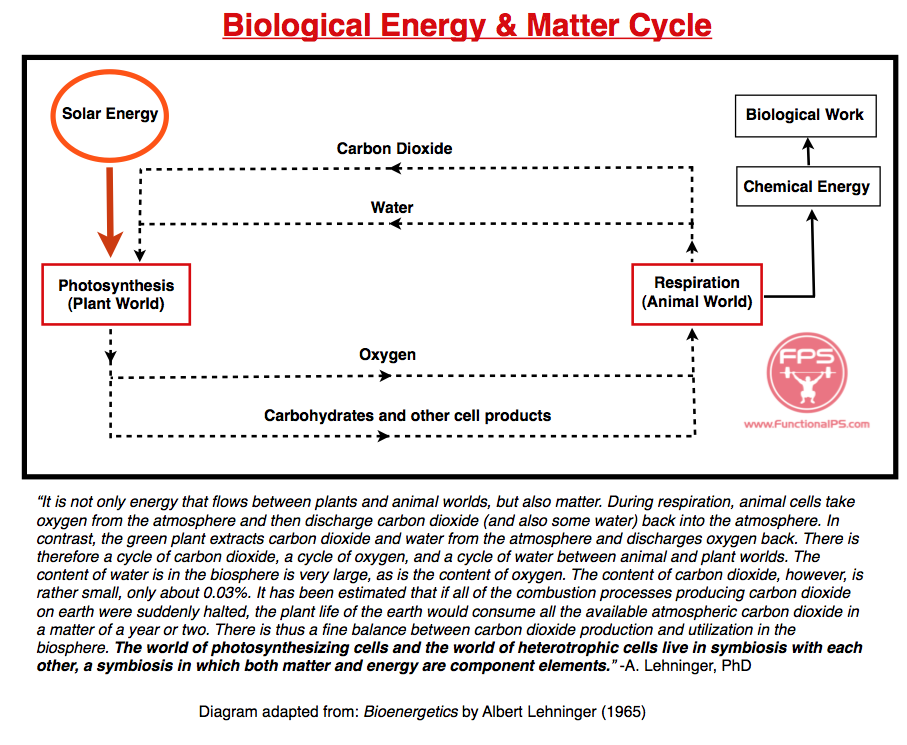
Biological Energy & Matter Cycle

Also see:
Energy Flow: Plant World and Animal World
The Sun: Source of All Biological Energy
Transfer of Energy in Cells by the ATP-ADP System
Collection of FPS Charts
Cellular Energy Production – Aerobic Respiration – The Krebs Cycle
Promoters of Efficient v. Inefficient Metabolism
Comparison: Oxidative Metabolism v. Glycolytic Metabolic
Comparison: Carbon Dioxide v. Lactic Acid
Carbon Dioxide Basics
Protect the Mitochondria

Posted in General.


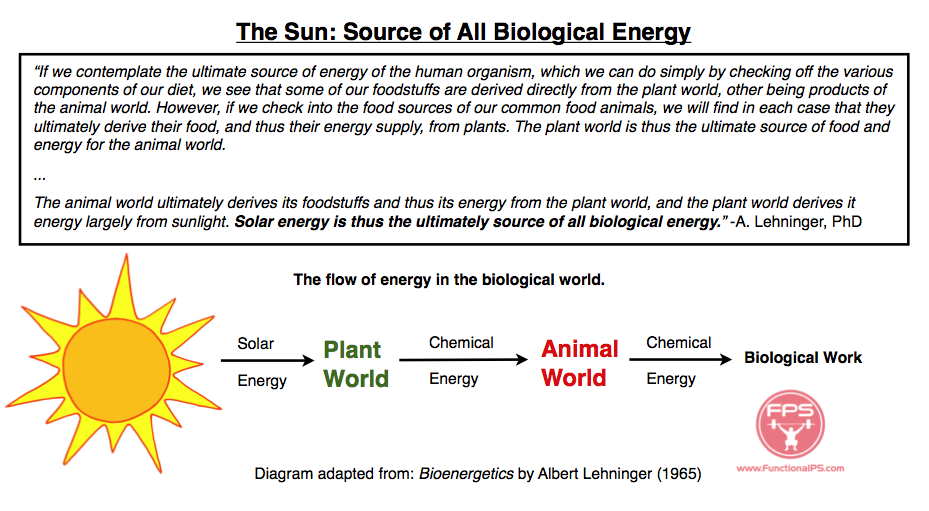
The Sun: Source of All Biological Energy

Also see:
Biological Energy & Matter Cycle
Energy Flow: Plant World and Animal World
Transfer of Energy in Cells by the ATP-ADP System
Collection of FPS Charts
Promoters of Efficient v. Inefficient Metabolism
Comparison: Oxidative Metabolism v. Glycolytic Metabolic
Comparison: Carbon Dioxide v. Lactic Acid
Carbon Dioxide Basics
Protect the Mitochondria
Light is Right
Using Sunlight to Sustain Life

The sun is the source of all biological energy, providing plants the means to produce glucose which in turn provides the animals that eat the plants the energy needed to perform biological work.

Posted in General.


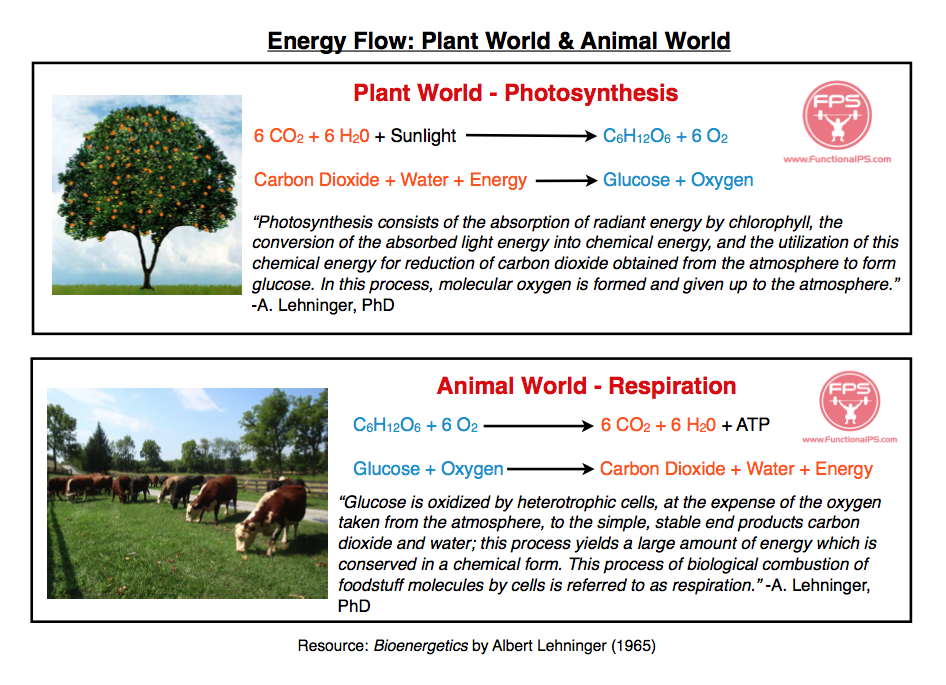
Energy Flow: Plant World and Animal World

Also see:
The Sun: Source of All Biological Energy
Biological Energy & Matter Cycle
Transfer of Energy in Cells by the ATP-ADP System
Collection of FPS Charts
Cellular Energy Production – Aerobic Respiration – The Krebs Cycle
Promoters of Efficient v. Inefficient Metabolism
Comparison: Oxidative Metabolism v. Glycolytic Metabolic
Comparison: Carbon Dioxide v. Lactic Acid
Carbon Dioxide Basics
Protect the Mitochondria

A look at the energy “balance sheets” of the animal and plant world reveals that they are nearly the inverse of each other. Photosynthesis is the reversal of cellular respiration and vice versa.

Posted in General.


PUFA, Ketones, and Sugar Restriction Promote Tumor Growth

Also see:
How cancer cells rewire their metabolism to survive
Tumor Bearing Organisms – Lipolysis and Ketogenesis as Signs of Chronic Stress
Fatty Acid Synthase (FAS), Vitamin D, and Cancer
Free Fatty Acids Suppress Cellular Respiration
PUFA Promote Cancer
PUFA Decrease Cellular Energy Production
Israeli Paradox: High Omega -6 Diet Promotes Disease
Low Blood Sugar Basics
Dietary PUFA Reflected in Human Subcutaneous Fat Tissue
Towards a morphogenetic perspective on cancer
Israeli Paradox: High Omega -6 Diet Promotes Disease
Toxicity of Stored PUFA
PUFA Accumulation & Aging
The Randle Cycle
Maternal PUFA Intake Increases Breast Cancer Risk in Female Offspring
Maternal Ingestion of Tryptophan and Cancer Risk in Female Offspring
Polyamines and Cancer
Carrageenan, Inflammation, Cancer, Immunity
AIDS patients – High PUFA and High Cortisol in Blood
Cancer Cells Are What They Eat, and It’s Not Glucose
Sugar Feeds Thyroid

https://www.youtube.com/watch?v=S8o8GvyGRYc

Quotes by Ray Peat, PhD:
“Starving for sugar causes the body to break down proteins to make glucose, weakening the organism’s resistance, providing amino acids for tumor growth, and probably providing ammonia and other things that stimulate growth and interfere with differentiation. The liberated free fatty acids in either sugar deprivation or diabetes (in which cells are starved for glucose) stimulate tumor growth.”

“There are many people currently recommending fish oil (or other highly unsaturated oils) for preventing or treating cancer, and it has become almost as common to recommend a sugar free diet, “because sugar feeds cancer.” This is often, incorrectly, said to be the meaning of Warburg’s demonstration that cancer cells have a respiratory defect that causes them to produce lactic acid from glucose even in the presence of oxygen. Cancer cells use glucose and the amino acid glutamine primarily for synthetic purposes, and use fats as their energy source;the growth stimulating effect of the “essential fatty acids” (Sueyoshi and Nagao, 1962a; Holley, et al., 1974) shows that depriving a tumor of those fats retards its growth. The great energetic inefficiency of the cancer metabolism, which causes it to produce a large amount of heat and to cause systemic stress, failure of immunity, and weight loss, is because it synthesizes fat from glucose and amino acids, and then oxidizes the fat as if it were diabetic.”

“”Cancer metabolism” or stress metabolism typically involves an excess of the adaptive hormones, resulting from an imbalance of the demands made on the organism and the resources available to the organism. Excessive stimulation depletes glucose and produces lactic acid, and causes cortisol to increase, causing a shift to the consumption of fat and protein rather than glucose. Increased cortisol activates the Randle effect (the inhibition of glucose oxidation by free fatty acids), accelerates the breakdown of protein into amino acids, and activates the enzyme fatty acid synthase, which produces fatty acids from amino acids and pyruvate, to be oxidized in a “futile cycle,” producing heat, and increasing the liberation of ammonia from the amino acids. Ammonia suppresses respiratory, and stimulates glycolytic, activity.”

“In Warburg’s view, cancer has a unique requirement for glucose, because of its “respiratory defect.” The ability of cancer to consume large amounts of glucose means that the body interprets cancer as stress, since the waste of glucose is the key feature of stress. The body’s response to decreasing glucose is to produce larger amounts of adrenal hormones, especially cortisol. Cortisol raises the blood glucose supply by converting tissue proteins into sugar. This hormonal response to the sugar appetite of cancer is the main cause of the wasting syndrome which makes cancer so serious, and which destroys the thymus gland, causing the immune system to lose its guidance. V. S. Shapot’s work, showing the involvement of glucose and cortisol in cancer, provides part of the context for understanding the implications of Warburg’s view of cancer as a “respiratory defect.””

“Ketones are very protective as a fuel, but the problem is that they are produced as a result of metabolic stress. If the liver is extremely good, it can store enough glycogen for a day, but chronic, frequent, stress usually damages the liver’s ability to store glycogen.”

Cancer Res. 1987 Feb 15;47(4):1065-8.
Blood nutrient concentrations and tumor growth in vivo in rats: relationships during the onset of an acute fast.
Sauer LA, Dauchy RT.
The rate of tumor growth in vivo in adult rats (250- to 350-g total body weight) is stimulated during an acute fast. No tumor growth stimulation is observed in fasted immature rats (less than about 200-g total body weight). The different tumor growth responses in rats of these two age groups appear to depend on the increased availability to the tumor of nutrients from host fat stores in adult rats. Immature rats, which lack significant fat stores, show neither hyperlipemia nor ketosis during fasting. These experiments were performed to determine the relationship between blood fat store-derived nutrient concentrations and the onset of stimulated tumor growth in fasted adult rats. Animals were matched for tumor size and growth during a period of ad libitum feeding preceding the fast. Tumor growth was documented by increased size and incorporation of [methyl-3H]thymidine into tumor DNA. Mobilization of host fat stores leading to increased blood concentrations of free fatty acids, glycerol, ketone bodies, and triglycerides started about 7 h after food was removed and reached its maximum after about 15 h. Increased rates of tumor growth and incorporation of thymidine into tumor DNA correlated closely with the higher circulating nutrient concentrations. Both the nutrient concentrations and tumor growth were decreased by refeeding. These findings suggest that the availability of nutrients derived from host fat stores may be rate limiting for tumor growth in vivo.

Cancer Res. 1986 Jul;46(7):3469-75.
Stimulation of tumor growth in adult rats in vivo during an acute fast.
Sauer LA, Nagel WO, Dauchy RT, Miceli LA, Austin JE.
These experiments investigate an increase in tumor growth that occurs in adult rats in vivo during an acute fast. The effects of feeding, fasting, and underfeeding on the growth of Morris hepatomas 5123C and 7288CTC in Buffalo rats and of Walker carcinoma 256 and Jensen sarcoma in Sprague-Dawley rats were studied. Animals were matched for tumor size and growth during a period of ad libitum feeding preceding the fasting or underfeeding. Tumor growth was documented by increased size and incorporation of [methyl-3H]thymidine into tumor DNA. Fasting increased the rate of growth of the tumors 3 to 4 times over that measured in fed rats. This effect began during the first day of fasting and ended abruptly on refeeding. After refeeding tumor growth slowed to the rate in fed rats. Tumors from fed or fasted rats were not different in cellularity or dry weight/g wet weight. A positive growth response in the tumor required lipolysis and ketosis in the host. No stimulation was observed during an acute fast in either immature rats or in mature rats whose weights had been reduced by underfeeding. These animals have small fat stores and show no increase in arterial blood free fatty acid or ketone body concentrations during an acute fast. Finally, underfeeding of adult rats raised the blood concentrations of these nutrients to values that were intermediate between those in fasted and fed rats. Tumor growth rates in these rats were intermediate between those in fasted and fed rats. The results support the proposal that an increase in availability of free fatty acids and/or ketone bodies is the stimulus that increases the rate of tumor growth during an acute fast.

Cancer Res. 1987 Apr 1;47(7):1756-61.
Stimulation of tumor growth in adult rats in vivo during acute streptozotocin-induced diabetes.
Sauer LA, Dauchy RT
The effects of acute diabetes mellitus on the growth of Morris hepatoma 7288CTC and Jensen sarcoma were studied in fed, young (less than 200 g), and adult (greater than 250 g) rats. Animals were matched for tumor size and growth; the rates of tumor growth were the same in fed, young and adult nondiabetic rats. Diabetes was induced by the i.v. injection of streptozotocin (65 mg/kg total body weight) into tumor-bearing rats and changes in arterial blood nutrient concentrations were compared to changes in the rates of tumor growth and DNA synthesis. In young rats acute diabetes did not increase the blood concentrations of the fat store-derived nutrients and did not increase the rate of tumor growth. In adult rats, however, acute diabetes raised the arterial blood free fatty acid, glycerol, triglyceride, and ketone body concentrations to high levels and increased the rate of tumor growth about three times over that observed in untreated rats. Progress curves for the mobilization of host fat stores and for incorporation of [methyl-3H]thymidine into tumor DNA during the onset of diabetes showed that these activities were closely correlated in adult rats. Both processes began to increase 2 to 4 h after streptozotocin treatment, reached an initial peak at 12 to 16 h, decreased to a low point at 18 to 20 h, and then increased again to the new steady state after 23 to 24 h. The results indicate that the rate of tumor growth in rats in vivo is limited by the availability of a substance(s) present in the hyperlipemic blood of adult diabetic rats. The tight relationship between host lipolysis and tumor growth suggests that the substance(s) is derived from host fat stores.

Cancer Res. 1988 Jun 1;48(11):3106-11.
Identification of linoleic and arachidonic acids as the factors in hyperlipemic blood that increase [3H]thymidine incorporation in hepatoma 7288CTC perfused in situ.
Sauer LA, Dauchy RT.
Tumor growth and the incorporation of [3H]thymidine into tumor DNA in vivo are increased about 3 times in adult rats (greater than 250 g) after 1 to 2 days of starvation or the induction of diabetes with streptozotocin. These tumor growth responses require hyperlipemia and are reversed by refeeding or insulin treatment, respectively. They do not occur in young tumor-bearing rats (less than about 150 g) that lack appreciable fat stores. A direct relationship between the increased rates of both [3H]thymidine incorporation and tumor growth and host hyperlipemia suggests that tumor cell renewal in vivo in fed rats is limited by substances that are present in hyperlipemic blood. In this study we used a procedure for perfusion of solid tumors in situ to measure the sensitivity of tumor [3H]thymidine incorporation to hyperlipemic blood and to identify the rate-limiting substances. Tissue-isolated Morris hepatomas (7288CTC) growing in young or adult Buffalo rats were perfused with blood from donor rats. Hyperlipemic blood for perfusion was obtained from 2-day starved tumor-bearing (Buffalo) or non-tumor-bearing (Buffalo or Lewis) rats. At the end of the perfusions the tumors were labeled with a pulse of [3H]thymidine (2 microCi/g estimated tumor wet weight). [3H]Thymidine incorporation in tumors growing in fed adult rats was increased from 80 +/- 5 (SD) dpm/micrograms DNA at zero time (before perfusion) to 209 +/- 9 dpm/micrograms DNA (n = 3) after perfusion for 3 h. Tumors growing in fed or starved young rats showed similar responses, and hyperlipemic blood from non-tumor-bearing rats was as effective as hyperlipemic blood from tumor-bearing rats. Perfusion of tumors growing in starved rats with normolipemic blood from fed adult rats decreased [3H]thymidine incorporation from 211 +/- 13 dpm/micrograms DNA before perfusion to 68 +/- 9 dpm/micrograms DNA (n = 3) after perfusion for 3 h. Cells, plasma, and plasma subfractions from hyperlipemic blood were reconstituted to whole blood using plasma, cells, and whole blood, respectively, from fed rats and the mixtures were perfused into tumors growing in fed adult rats. Mixtures containing hyperlipemic plasma, lipid extracts (ethanol:acetone, 1:1) of hyperlipemic plasma, or albumin from hyperlipemic plasma increased tumor [3H]thymidine incorporation. Free fatty acid concentrations were increased about five times in hyperlipemic plasma and perfusion of tumors with normolipemic blood containing added linoleic and arachidonic acids increased [3H]thymidine incorporation. Blood mixtures containing palmitic, stearic, and oleic acids were inactive.(ABSTRACT TRUNCATED AT 400 WORDS)

J Nutr. 1997 Jul;127(7):1412-21.
Dietary linoleic acid intake controls the arterial blood plasma concentration and the rates of growth and linoleic acid uptake and metabolism in hepatoma 7288CTC in Buffalo rats.
Sauer LA, Dauchy RT, Blask DE.
In this study, we tested the hypothesis that dietary linoleic acid intake controls the arterial blood plasma linoleic acid concentration and the rates of tumor growth and linoleic acid metabolism in vivo. Seven groups of young male Buffalo rats (11-21 rats/group) were given free access to semipurified diets containing different amounts of corn and/or olive oils. Four other groups (7-11 rats/group) were 30% energy-restricted. Each experiment included periods for rat growth and plasma lipid stabilization (6 wk), measurement of mean daily arterial blood plasma fatty acid concentrations (3 wk), surgical implantation of a subcutaneous tissue-isolated hepatoma 7288CTC, tumor growth and harvest (2-4 wk). Linoleic + arachidonic acid (P = 0.007) and oleic acid (P = 0.002) concentrations in arterial blood plasma were increased as dietary intake of linoleic and oleic acids was increased, respectively. In rats given free access to food, tumor growth was directly dependent on the plasma concentrations of linoleic (P < 0.001) and arachidonic acids (P = 0.04). Tumor growth in energy-restricted rats was dependent only on the linoleic acid concentration (P = 0.008). Energy restriction itself caused a growth inhibition independent of plasma linoleic acid. The linoleic acid and total fatty acid concentrations of tumor triacylglycerols were directly dependent on the plasma linoleic acid concentration in rats given free access to food (P = 0.009). Hepatoma 7288CTC (both in vivo and during perfusion in situ) supported a dose-dependent conversion (P < 0.001) of plasma linoleic acid to the mitogen, 13-hydroxy-9, 11-octadecadienoic acid. We conclude that increased arterial blood plasma linoleic acid concentrations, caused by increased dietary intakes, specifically stimulate growth, lipid storage and linoleic acid metabolism in hepatoma 7288CTC in vivo.

Cancer Res. 1983 Aug;43(8):3497-503.
Ketone body, glucose, lactic acid, and amino acid utilization by tumors in vivo in fasted rats.
Sauer LA, Dauchy RT.
Arteriovenous differences for acetoacetate, beta-hydroxybutyrate, glucose, lactic acid, and glutamine and other amino acids were measured across Morris hepatomas 5123C, 7777, and 7288CTCF and Walker sarcocarcinoma 256 in vivo in rats fasted for 2 days. The acetoacetate and beta-hydroxybutyrate concentrations in arterial whole blood of fasted tumor-bearing rats were 0.52 +/- 0.06 and 1.82 +/- 0.19 mM (S.E., n = 38), respectively. Both ketone bodies were utilized by the tumors, and the rates of utilization were directly related to the rates of supply. The mean utilization rates for acetoacetate and beta-hydroxybutyrate were 13.9 +/- 2.9 (range, 0 to 64; n = 30) and 24.7 +/- 4.4 (range, 0 to 145; n = 38) nmol/min/g tumor wet weight, respectively. Eight of the tumors produced acetoacetate, presumably from utilized beta-hydroxybutyrate. An average of 52% of the acetoacetate and 30% of the beta-hydroxybutyrate carried in the arterial blood was removed during one pass through the tumors. The concentrations of glucose and glutamine in the arterial whole blood of fasted tumor-bearing rats (n = 38) were 6.55 +/- 0.3 and 0.76 +/- 0.02 mM, respectively; both of these substrates were utilized at rates that were directly proportional to the rates of supply. The mean rates of glucose and glutamine utilization for all tumors in fasted rats were 101 +/- 11 (range, 3 to 313) and 8.2 +/- 1.1 (range, 0 to 25.1) nmol/min/g tumor wet weight, respectively. Thirty-six % of the glucose and 25% of the glutamine supplied to the tumors was utilized. Comparison (by linear regression and analysis of covariance) of the rates of supply and utilization of glucose and glutamine in tumors growing in fasted versus fed rats indicated that these substrates are utilized more efficiently by tumors growing in fasted animals. Lactic acid was either produced or utilized, depending on the arterial whole-blood concentration. Production or utilization occurred, respectively, when the arterial lactate concentration was less or greater than 1 to 3 mM. The arterial whole-blood amino acids (except glutamine) were utilized at rates that ranged from 1 to 4 nmol/min/g tumor wet weight. The results indicate that energy production for tumor growth in fasted rats is supported, in part, by an increased availability of ketone bodies, by an increased efficiency of utilization of glucose and glutamine, and, under certain circumstances, by utilization of lactic acid.

Cell Cycle. 2011 Apr 15;10(8):1271-86. doi: 10.4161/cc.10.8.15330.
Ketones and lactate increase cancer cell “stemness,” driving recurrence, metastasis and poor clinical outcome in breast cancer: achieving personalized medicine via Metabolo-Genomics.
Martinez-Outschoorn UE, Prisco M, Ertel A, Tsirigos A, Lin Z, Pavlides S, Wang C, Flomenberg N, Knudsen ES, Howell A, Pestell RG, Sotgia F, Lisanti MP.
Previously, we showed that high-energy metabolites (lactate and ketones) “fuel” tumor growth and experimental metastasis in an in vivo xenograft model, most likely by driving oxidative mitochondrial metabolism in breast cancer cells. To mechanistically understand how these metabolites affect tumor cell behavior, here we used genome-wide transcriptional profiling. Briefly, human breast cancer cells (MCF7) were cultured with lactate or ketones, and then subjected to transcriptional analysis (exon-array). Interestingly, our results show that treatment with these high-energy metabolites increases the transcriptional expression of gene profiles normally associated with “stemness,” including genes upregulated in embryonic stem (ES) cells. Similarly, we observe that lactate and ketones promote the growth of bonafide ES cells, providing functional validation. The lactate- and ketone-induced “gene signatures” were able to predict poor clinical outcome (including recurrence and metastasis) in a cohort of human breast cancer patients. Taken together, our results are consistent with the idea that lactate and ketone utilization in cancer cells promotes the “cancer stem cell” phenotype, resulting in significant decreases in patient survival. One possible mechanism by which these high-energy metabolites might induce stemness is by increasing the pool of Acetyl-CoA, leading to increased histone acetylation, and elevated gene expression. Thus, our results mechanistically imply that clinical outcome in breast cancer could simply be determined by epigenetics and energy metabolism, rather than by the accumulation of specific “classical” gene mutations. We also suggest that high-risk cancer patients (identified by the lactate/ketone gene signatures) could be treated with new therapeutics that target oxidative mitochondrial metabolism, such as the anti-oxidant and “mitochondrial poison” metformin. Finally, we propose that this new approach to personalized cancer medicine be termed “Metabolo-Genomics,” which incorporates features of both 1) cell metabolism and 2) gene transcriptional profiling. Importantly, this powerful new approach directly links cancer cell metabolism with clinical outcome, and new therapeutic strategies for inhibiting the TCA cycle and mitochondrial oxidative phosphorylation in cancer cells.

Cancer. 1988 Feb 15;61(4):689-701.
Peripheral blood lymphocytes from patients with cancer lack interleukin-2 receptors.
Hakim AA.
When tumor cells develop in healthy adults, they activate the cellular immune system–natural killer (NK) cells, antigen-specific cytotoxic lymphocytes (CTL), and the synthesis of antigen specific cytotoxic antibodies. These are aimed at killing the intruding cells. However, in cancer patients the tumor continues to grow. As tumor cells proliferate, they were shown to release factors that mediate the inactivation of the host immune defense systems. The study documented in this article examined peripheral blood lymphocytes, mononuclear cells (MNC), NK cells, T-helper cells (THC). This study confirmed the interaction of the released inhibitor factors with these mononuclear cells. NULL cells from healthy adults responding to interleukin-2 (IL-2) and NILL cells from patients with metastatic breast carcinoma nonresponsive to IL-2 were also isolated by the standard antibodies-pinning technique. The cells were obtained from age-matched subjects: ten healthy adults; ten patients each from Stage I, II, III, and IV metastatic breast carcinoma (BCa-I, BCa-II, BCa-III, and BCa-IV or MBCa); and ten patients with benign breast disease (BBD). The responsiveness of these THC, PBMNC, NK, NULL, and NILL cells in vitro to graded levels of phytohemagglutinin (PHA), Concanavalin A (Con A), and recombinant interleukin-2 (rIL-2) was examined. Responsiveness was monitored by 3H-thymidine (3H-TdR) uptake, production and release of IL-2, interleukin-2 receptor (IL-2R), and cytotoxic activities against K-562 cells and breast carcinoma short-term cell lines. A lack of functional IL-2R in peripheral blood lymphocytes from patients with metastatic breast carcinoma was confirmed by nonsignificant anti-Tac antibody binding. An elevation in the expression of cell surface antigen GP-120 has been observed to be associated with the activation in vitro of T-cells from healthy adults and from patients with benign breast disease, but not of T-cells from patients with breast carcinoma. Biochemical studies of the GP-120 using high performance liquid chromatography combined with nitrocellulose blotting confirmed that the glycoprotein was resistant to trypsin and chymotrypsin, but susceptible to pronase. It contained sialic acid and lactosaminoglycan as O-linked sugars. It could be labeled with pariodate/NaB(3H4) and is recognized by MAbT-305 monoclonal antibodies. It contained sialic acid linked (2—3) to galactose.(ABSTRACT TRUNCATED AT 400 WORDS)

When cancer cells are implanted into a healthy host, they seldom grow, but when implanted into a host who already has cancer, they grow. (Hakim, 1988.) The healthy host provides many restorative factors, the sick host provides additional harmful factors, but few restorative factors (Chekulaev, et aI., 1987.) -Ray Peat, PhD

Biokhimiia. 1987 Sep;52(9):1501-11.
[Activation of lipolysis and ketogenesis in tumor-bearing animals as a reflection of chronic stress states].
[Article in Russian]
Chekulaev VA, Shelepov VP, Pasha-zade GR, Shapot VS.
In order to elucidate the peculiarities of brain metabolism in tumour-bearing organisms, the arterio-venous (A-V) content of glucose, acetoacetate (Ac-Ac), beta-hydroxybutyrate (beta-HB) and non-esterified fatty acids (NEFA) in growing Zajdela ascite hepatoma (ZAH) and solid hepatoma 27 (H-27) was compared. Analysis of metabolic patterns of healthy, starving and fed recipients (ZAH and H-27) revealed the inadequacy of the concepts on anorexia as being the cause of carbohydrate-lipid metabolic disturbances. In tumour-bearing organisms lipolysis and ketogenesis reflect the tumour-induced chronic stress. Absorption of beta-HB and release of Ac-Ac by brain were observed at all stages of malignant growth. This is probably due to a partial switch-over of brain metabolism to non-carbohydrate energy sources. Besides, certain stages of tumour growth are associated with active assimilation of NEFA by brain. A correlation between the A-V difference with respect to glucose and Ac-Ac as well as between the glucose and NEFA contents was established. It was assumed that the A-V difference in glucose is the main regulator of ketone body metabolism.

Prog Clin Biol Res. 1983;111:89-109.
Energy metabolism in trauma and sepsis: the role of fat.
Wolfe RR, Shaw JH, Durkot MJ.
There seems little doubt that there are signals for the increased mobilization of fat in shock, trauma, and sepsis. Whether those signals are reflected by an actual increase in mobilization is dependent on many variables including cardiovascular status. A hypothetical scheme based on our own experiments in the hyperdynamics phases of response to burn injury and to sepsis is presented in Figure 8. According to this scheme, catecholamines stimulate lipolysis in the adipose tissue, resulting in the release of glycerol and FFA into the plasma at increased rates. The glycerol is cleared by the liver and converted into glucose–a process stimulated by, among other things, glucagon. Some of the increased flux of FFA is also cleared by the liver, whereupon the fatty acids are incorporated into VLDL and released again into the plasma. The increased FFA levels also exert a dampening effect on the factors stimulating hepatic glucose production. At the periphery, plasma FFA as well as VLDL fatty acids are taken up at an increased rate. The tissues are attuned to the oxidation of fat, and as a consequence most of the energy production is derived from fat oxidation. The increased fatty acids exert an inhibitory effect on the complete oxidation of glucose, so although glucose may be taken up at an accelerated rate, the relative contribution of glucose oxidation to total energy production may fall. Rather than being completely oxidized, pyruvate is reduced to lactate and released into the plasma at an accelerated rate. The lactate then contributes to the production of glucose in the liver, completing a cyclical process called the Cori Cycle. Although all aspects of this scheme are supported by data highlighted in this paper, it certainly must be an oversimplification of the overall response of substrate metabolism to trauma and sepsis. It is presented for the purpose of highlighting the potential role of fat as a controller of the metabolic response, and to suggest that the enhanced mobilization and oxidation of fat is one of the fundamental responses to stress.

Cell Cycle. 2010 Sep 1;9(17):3506-14. Epub 2010 Sep 21.
Ketones and lactate “fuel” tumor growth and metastasis: Evidence that epithelial cancer cells use oxidative mitochondrial metabolism.
Bonuccelli G1, Tsirigos A, Whitaker-Menezes D, Pavlides S, Pestell RG, Chiavarina B, Frank PG, Flomenberg N, Howell A, Martinez-Outschoorn UE, Sotgia F, Lisanti MP.
Previously, we proposed a new model for understanding the “Warburg effect” in tumor metabolism. In this scheme, cancer-associated fibroblasts undergo aerobic glycolysis and the resulting energy-rich metabolites are then transferred to epithelial cancer cells, where they enter the TCA cycle, resulting in high ATP production via oxidative phosphorylation. We have termed this new paradigm “The Reverse Warburg Effect.” Here, we directly evaluate whether the end-products of aerobic glycolysis (3-hydroxy-butyrate and L-lactate) can stimulate tumor growth and metastasis, using MDA-MB-231 breast cancer xenografts as a model system. More specifically, we show that administration of 3-hydroxy-butyrate (a ketone body) increases tumor growth by ∼2.5-fold, without any measurable increases in tumor vascularization/angiogenesis. Both 3-hydroxy-butyrate and L-lactate functioned as chemo-attractants, stimulating the migration of epithelial cancer cells. Although L-lactate did not increase primary tumor growth, it stimulated the formation of lung metastases by ∼10-fold. Thus, we conclude that ketones and lactate fuel tumor growth and metastasis, providing functional evidence to support the “Reverse Warburg Effect”. Moreover, we discuss the possibility that it may be unwise to use lactate-containing i.v. solutions (such as Lactated Ringer’s or Hartmann’s solution) in cancer patients, given the dramatic metastasis-promoting properties of L-lactate. Also, we provide evidence for the up-regulation of oxidative mitochondrial metabolism and the TCA cycle in human breast cancer cells in vivo, via an informatics analysis of the existing raw transcriptional profiles of epithelial breast cancer cells and adjacent stromal cells. Lastly, our findings may explain why diabetic patients have an increased incidence of cancer, due to increased ketone production, and a tendency towards autophagy/mitophagy in their adipose tissue.

Brain Dev. 2010 Apr;32(4):318-22. doi: 10.1016/j.braindev.2009.04.009. Epub 2009 May 13.
Tumor growth in patients with tuberous sclerosis complex on the ketogenic diet.
Chu-Shore CJ1, Thiele EA.
PURPOSE:
New evidence is emerging that the availability of nutrients plays a key role in regulating the mammalian target of rapamycin complex-1 (mTORC1) signaling pathway in human cancers. Tuberous sclerosis complex (TSC) is a genetic disorder which results in the growth of hamartomatous lesions in multiple organs due to insufficient suppression of the mTORC1 pathway. A minority of patients with TSC who develop epilepsy which is intractable to standard anticonvulsant medical and/or surgical treatments are treated with the ketogenic diet. To provide insight into the effects of nutrient manipulation on tumor growth in this condition, we describe our experience in a unique group of patients with known tuberous sclerosis complex who are on the ketogenic diet for seizure control.
METHODS:
A retrospective chart review was performed of patients with TSC treated with the ketogenic diet between January 2002 and May 2007 at Massachusetts General Hospital.
RESULTS:
Five patients with definite TSC underwent serial imaging for tumor growth while on the ketogenic diet or had unchanged imaging prior to the onset of the diet and after termination. Three out of five patients, all children, had progression of a known tumor or tumors or the development of a new tumor while on the ketogenic diet.
CONCLUSION:
In this limited case series of five TSC patients, the ketogenic diet did not induce tumor regression or suppress the growth of TSC-related tumors.

Cell Cycle. 2012 Nov 1;11(21):3964-71. doi: 10.4161/cc.22137. Epub 2012 Sep 19.
Ketone body utilization drives tumor growth and metastasis.
Martinez-Outschoorn UE, Lin Z, Whitaker-Menezes D, Howell A, Sotgia F, Lisanti MP.
We have previously proposed that catabolic fibroblasts generate mitochondrial fuels (such as ketone bodies) to promote the anabolic growth of human cancer cells and their metastasic dissemination. We have termed this new paradigm “two-compartment tumor metabolism.” Here, we further tested this hypothesis by using a genetic approach. For this purpose, we generated hTERT-immortalized fibroblasts overexpressing the rate-limiting enzymes that promote ketone body production, namely BDH1 and HMGCS2. Similarly, we generated MDA-MB-231 human breast cancer cells overexpressing the key enzyme(s) that allow ketone body re-utilization, OXCT1/2 and ACAT1/2. Interestingly, our results directly show that ketogenic fibroblasts are catabolic and undergo autophagy, with a loss of caveolin-1 (Cav-1) protein expression. Moreover, ketogenic fibroblasts increase the mitochondrial mass and growth of adjacent breast cancer cells. However, most importantly, ketogenic fibroblasts also effectively promote tumor growth, without a significant increase in tumor angiogenesis. Finally, MDA-MB-231 cells overexpressing the enzyme(s) required for ketone re-utilization show dramatic increases in tumor growth and metastatic capacity. Our data provide the necessary genetic evidence that ketone body production and re-utilization drive tumor progression and metastasis. As such, ketone inhibitors should be designed as novel therapeutics to effectively treat advanced cancer patients, with tumor recurrence and metastatic disease. In summary, ketone bodies behave as onco-metabolites, and we directly show that the enzymes HMGCS2, ACAT1/2 and OXCT1/2 are bona fide metabolic oncogenes.

Cell Cycle. 2012 Nov 1; 11(21): 3956–3963.
Ketone bodies and two-compartment tumor metabolism: Stromal ketone production fuels mitochondrial biogenesis in epithelial cancer cells
Ubaldo E. Martinez-Outschoorn, Zhao Lin, Diana Whitaker-Menezes, Anthony Howell, Michael P. Lisanti, and Federica Sotgia
We have previously suggested that ketone body metabolism is critical for tumor progression and metastasis. Here, using a co-culture system employing human breast cancer cells (MCF7) and hTERT-immortalized fibroblasts, we provide new evidence to directly support this hypothesis. More specifically, we show that the enzymes required for ketone body production are highly upregulated within cancer-associated fibroblasts. This appears to be mechanistically controlled by the stromal expression of caveolin-1 (Cav-1) and/or serum starvation. In addition, treatment with ketone bodies (such as 3-hydroxy-butyrate, and/or butanediol) is sufficient to drive mitochondrial biogenesis in human breast cancer cells. This observation was also validated by unbiased proteomic analysis. Interestingly, an MCT1 inhibitor was sufficient to block the onset of mitochondrial biogenesis in human breast cancer cells, suggesting a possible avenue for anticancer therapy. Finally, using human breast cancer tumor samples, we directly confirmed that the enzymes associated with ketone body production (HMGCS2, HMGCL and BDH1) were preferentially expressed in the tumor stroma. Conversely, enzymes associated with ketone re-utilization (ACAT1) and mitochondrial biogenesis (HSP60) were selectively associated with the epithelial tumor cell compartment. Our current findings are consistent with the “two-compartment tumor metabolism” model. Furthermore, they suggest that we should target ketone body metabolism as a new area for drug discovery, for the prevention and treatment of human cancers.

Front. Endocrinol., 02 February 2016
Fenofibrate Induces Ketone Body Production in Melanoma and Glioblastoma Cells
Maja M. Grabacka, Anna Wilk, Anna Antonczyk, Paula Banks, Emilia Walczyk-Tytko, Matthew Dean, Malgorzata Pierzchalska, and Krzysztof Reiss
“The capacity of cancer cells to produce ketone bodies described here is quite different from previous reports, including series of papers (58–60) by the Lisanti group and coworkers regarding the possibility of ketogenesis in stromal fibroblasts surrounding breast cancer lesions. In those papers, the authors showed that cancer cells actively contributed to the stromal fibroblasts’ metabolic reprograming and took advantage of the subsequent ketone body consumption for energy generation. This is a special property of epithelia-derived tumors, such as breast carcinomas, since other cancer types do not express the proper enzymatic machinery for ketone body utilization as a source of energy (25, 28, 34). More often, cancers such as neuroblastomas or astrocytomas do absorb ketone bodies, but they use them for lipid synthesis rather than energy production (61–63).”
“In conclusion, it is quite surprising that fenofibrate is able to reprogram melanoma and glioblastoma metabolic pathways in such a way that they suffer from an energy deficit but are still forced to produce ketone bodies. This finding is important because, as far as we are aware, ketogenesis in cancer cells has not been described before and the underlying mechanism still waits to be revealed. The ketone bodies released by glioblastoma cells could serve not only as a fuel but also as a cytoprotective signaling molecule for neurons in the microenvironment surrounding the tumor tissue.”

Posted in General.

Tagged with , , , , , , , , , , , , , , , , , .