Categories:

Carbon Dioxide Basics

Also see:
Comparison: Carbon Dioxide v. Lactic Acid
Carbon Dioxide as an Antioxidant
Bohr Effect and Cells O2 Levels: Healthy vs. Sick People
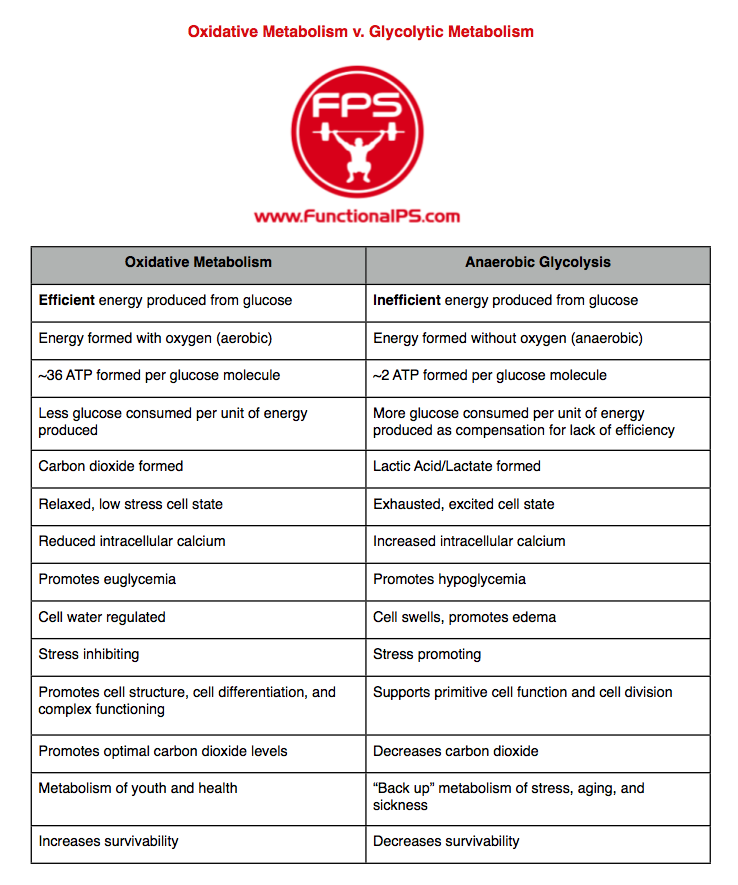
Comparison: Oxidative Metabolism v. Glycolytic Metabolic
Promoters of Efficient v. Inefficient Metabolism
Altitude Sickness: Therapeutic Effects of Acetazolamide and Carbon Dioxide
Low CO2 in Hypothyroidism
Protective Altitude
Lactate Paradox: High Altitude and Exercise
Protective Carbon Dioxide, Exercise, and Performance
Synergistic Effect of Creatine and Baking Soda on Performance
Ray Peat, PhD on Carbon Dioxide, Longevity, and Regeneration
Altitude Improves T3 Levels
Mitochondria & Mortality
Altitude and Mortality
Lactate vs. CO2 in wounds, sickness, and aging; the other approach to cancer
Carbonic Anhydrase Inhibitors as Cancer Therapy

Click on thumbnail.

“When respiration is suppressed, the cell’s production of carbon dioxide is suppressed. If we start with the best known example of carbon dioxide’s effect on a protein, the Haldane-Bohr effect on hemoglobin, we will have a model for visualizing what happens to organisms in an environment that is poor in carbon dioxide, but rich in vegetable-derived unsaturated fats. Carbon dioxide associates with protein in a variety of ways, but the best understood association is its reaction with an amino group, to form a carbamino group. In the presence of a large amount of carbon dioxide, the hemoglobin molecule changes its shape slightly, along with its electronic balance, in a way that favors the release of oxygen. The opposite happens in the presence of a high concentration of oxygen and a lower concentration of carbon dioxide.” -Ray Peat, PhD

Posted in General.

Tagged with , , , , , , , , , , , , , , , , , , , , , , .


Comparison: Carbon Dioxide v. Lactic Acid

Also see:
Carbon Dioxide Basics
Universal Principle of Cellular Energy
Carbon Dioxide as an Antioxidant
Comparison: Oxidative Metabolism v. Glycolytic Metabolic
The Glucose Song
Promoters of Efficient v. Inefficient Metabolism
Trauma & Resuscitation: Toxicity of Lactated Ringer’s Solution
Altitude Sickness: Therapeutic Effects of Acetazolamide and Carbon Dioxide
Low CO2 in Hypothyroidism
Protective Altitude
Protect the Mitochondria
Lactate Paradox: High Altitude and Exercise
Altitude Improves T3 Levels
Protective Carbon Dioxide, Exercise, and Performance
Synergistic Effect of Creatine and Baking Soda on Performance
Ray Peat, PhD on Carbon Dioxide, Longevity, and Regeneration
Mitochondria & Mortality
Altitude and Mortality
Lactate: a metabolic key player in cancer

Quotes by Ray Peat, PhD:
“Lactic acid and carbon dioxide have opposing effects.”

“Oxidation of sugar is metabolically efficient in many ways, including sparing oxygen consumption. It produces more carbon dioxide than oxidizing fat does, and carbon dioxide has many protective functions, including increasing Krebs cycle activity and inhibiting toxic damage to proteins.”

“If the oxidative metabolism of a cell is compared to a flame, lactic acid is the smoke that’s produced when there isn’t enough oxygen, or when the temperature is too low. Both a cell and a flame produce produce carbon dioxide when nothing interferes with their oxidation.”

The end product of respiration is carbon dioxide, and it is an essential component of the life process. The ability to produce and retain enough carbon dioxide is as important for longevity as the ability to conserve enough heat to allow chemical reactions to occur as needed.

“Sugar can be used to produce energy with or without oxygen, but oxidative metabolism is about 15 times more efficient than the non-oxidative “glycolytic” or fermentive metabolism; higher organisms depend on this high efficiency oxidation for maintaining integration and normal functioning: If there is a small interference with respiration, the organism can adapt by increasing the rate of glycolysis, but there must be enough sugar to meet the demand. A response to stimulation is the production of more energy, with a proportional increase of oxygen and sugar consumption by the stimulated tissue; this produces more carbon dioxide. which enlarges the blood vessels in the area, providing more sugar and oxygen. If the irritation becomes destructive, efficiency is lost: oxygen is either consumed wastefully, causing blueness of the tissue (assuming circulation continues: blueness can also indicate bad circulation), or is not consumed. causing redness of the tissue. As more sugar is consumed in compensation , lactic acid also enlarges the blood vessels.

If the inflamed or exhausted tissue is small, the lactic acid can be consumed by other oxidizing tissues, sufficient sugar usually can be supplied, and repair occurs. But a large inflammation. or profound exhaustion, will lower the blood sugar systemically, and will deliver large amounts of lactic acid to the liver. The liver synthesizes glucose from the lactic acid, but at the expense of about 6 times more energy than is obtained from the inefficient metabolism – so that organismically, that tissue becomes 90 times less efficient than its original state. Besides this, an idle destruction of energy molecules (ATP or creatine phosphate) will increase the wastefulness even more.”

“Besides the simple excitotoxic killing of nerve cells, the processes which impair carbon dioxide production set in motion the long degenerative process that ranges from diabetic lacticacidemia to dementia.”

“The balance between what a tissue needs and what it gets will govern the way that tissue functions, in both the short term and the long term. When a cell emits lactic acid and free radicals and the products of lipid peroxidation, it’s reasonable to assume that it isn’t getting everything that it needs, such as oxygen and glucose. With time, the cell will either die or adapt in some way to its deprived conditions.”

“Increasing carbon dioxide lowers the intracellular pH, as well as inhibiting lactic acid formation, and restoring the oxidation of glucose increases CO2. Inhibiting carbonic anhydrase, to allow more CO2 to stay in the cell, contributes to intracellular acidification, and by systemically increasing carbon dioxide this inhibition has a broad range of protective anti-excitatory effects. The drug industry is now looking for chemicals that will specifically inhibit the carbonic anhydrase enzymes that are active in tumors. Existing carbonic anhydrase inhibitors, such as acetazolamide, will inhibit those enzymes, without harming other tissues. Aspirin has some effect as an inhibitor of carbonic anhydrase (Bayram, et al., 2008). Since histamine, serotonin (Vullo, et al., 2007), and estrogen (Barnett, et al., 2008; Garg, 1975) are carbonic anhydrase activators, their antagonists would help to acidify the hypoxic cells. Testosterone (Suzuki, et al., 1996) and progesterone are estrogen antagonists that inhibit carbonic anhydrase.”

“Thyroid is needed to keep the cell in an oxidative, rather than reductive state, and progesterone (which is produced elsewhere only when cells are in a rapidly oxidizing state) activates the processes that remove estrogen from the cell, and inactivates the processes that would form new estrogen in the cell.

Thyroid, and the carbon dioxide it produces, prevent the formation of the toxic lactic acid. When there is enough carbon dioxide in the tissues, the cell is kept in an oxidative state, and the formation of toxic free radicals is suppressed. Carbon dioxide therapy is extremely safe.”

“Glycolysis is very inefficient for producing usable energy compared to the respiratory metabolism of the mitochondria, and when lactate is carried to the liver, its conversion to glucose adds to the energy drain on the organism.”

“These factors that impair respiration tend to shift mitochondrial metabolism away from the oxidation of glucose and the production of carbon dioxide, to the oxidation of fats and the production of lactic acid.”

“The presence of carbon dioxide is an indicator of proper mitochondrial respiratory functioning.”

“The presence of lactic acid, which indicates stress or defective respiration, interferes with energy metabolism in ways that tend to be self-promoting. Harry Rubin’s experiments demonstrated that cells become cancerous before genetic changes appear. The mere presence of lactic acid can make cells more susceptible to the transformation into cancer cells. (Mothersill, et al., 1983.)”

“CO2 does help to reduce lactic acid production, but if there’s a chronic excess of lactic acid it’s most likely from a B vitamin deficiency or low thyroid function, or both. Muscles lose magnesium easily with those metabolic problems, so a diet with some well cooked greens (or just the water they boil in), orange juice, milk, and cheese, with liver and shell fish once a week, could help.”

“The features of the stress metabolism include increases of stress hormones, lactate, ammonia, free fatty acids, and fat synthesis, and a decrease in carbon dioxide. Factors that lower the stress hormones, increase carbon dioxide, and help to lower the circulating free fatty acids, lactate, and ammonia, include vitamin B1 (to increase CO2 and reduce lactate), niacinamide (to reduce free fatty acids), sugar (to reduce cortisol, adrenaline, and free fatty acids), salt (to lower adrenaline), thyroid hormone (to increase CO2). Vitamins D, K, B6 and biotin are also closely involved with carbon dioxide metabolism. Biotin deficiency can cause aerobic glycolysis with increased fat synthesis (Marshall, et al., 1976).”

Posted in General.

Tagged with , , , , , , , , , , , , , .


Comparison: Oxidative Metabolism v. Glycolytic Metabolism

Also see:
Promoters of Efficient v. Inefficient Metabolism
Comparison: Carbon Dioxide v. Lactic Acid
Universal Principle of Cellular Energy
Carbon Dioxide Basics
Carbon Dioxide as an Antioxidant
Protect the Mitochondria
Cellular Energy Production – Aerobic Respiration – The Krebs Cycle
The Glucose Song
Lactate: a metabolic key player in cancer

“Glycolysis is very inefficient for producing usable energy compared to the respiratory metabolism of the mitochondria, and when lactate is carried to the liver, its conversion to glucose adds to the energy drain on the organism.” -Ray Peat, PhD

“A point made by O. Warburg and A. Szent-Gyorgyi and others is that there is an important difference between the energy provided by glycolysis and that provided by mithocondrial respiration. They felt that glycolysis was a more primitive form of energy production, and supported only primitive function and cell division, while the more efficient respiration supported cell diferentiation and complex functioning.” -Ray Peat, PhD

“The end product of respiration is carbon dioxide, and it is an essential component of the life process. The ability to produce and retain enough carbon dioxide is as important for longevity as the ability to conserve enough heat to allow chemical reactions to occur as needed.” -Ray Peat, PhD

“If the oxidative metabolism of a cell is compared to a flame, lactic acid is the smoke that’s produced when there isn’t enough oxygen, or when the temperature is too low. Both a cell and a flame produce produce carbon dioxide when nothing interferes with their oxidation.” -Ray Peat, PhD

“Sugar can be used to produce energy with or without oxygen, but oxidative metabolism is about 15 times more efficient than the non-oxidative “glycolytic” or fermentive metabolism; higher organisms depend on this high efficiency oxidation for maintaining integration and normal functioning: If there is a small interference with respiration, the organism can adapt by increasing the rate of glycolysis, but there must be enough sugar to meet the demand. A response to stimulation is the production of more energy, with a proportional increase of oxygen and sugar consumption by the stimulated tissue; this produces more carbon dioxide. which enlarges the blood vessels in the area, providing more sugar and oxygen. If the irritation becomes destructive, efficiency is lost: oxygen is either consumed wastefully, causing blueness of the tissue (assuming circulation continues: blueness can also indicate bad circulation), or is not consumed. causing redness of the tissue. As more sugar is consumed in compensation , lactic acid also enlarges the blood vessels.

If the inflamed or exhausted tissue is small, the lactic acid can be consumed by other oxidizing tissues, sufficient sugar usually can be supplied, and repair occurs. But a large inflammation. or profound exhaustion, will lower the blood sugar systemically, and will deliver large amounts of lactic acid to the liver. The liver synthesizes glucose from the lactic acid, but at the expense of about 6 times more energy than is obtained from the inefficient metabolism – so that organismically, that tissue becomes 90 times less efficient than its original state. Besides this, an idle destruction of energy molecules (ATP or creatine phosphate) will increase the wastefulness even more.” -Ray Peat, PhD

“The conversion of glucose to lactic acid, provides some usable energy, but many times less than oxidation provides.” -Ray Peat, PhD

“These factors that impair respiration tend to shift mitochondrial metabolism away from the oxidation of glucose and the production of carbon dioxide, to the oxidation of fats and the production of lactic acid.” -Ray Peat, PhD

“The balance between what a tissue needs and what it gets will govern the way that tissue functions, in both the short term and the long term. When a cell emits lactic acid and free radicals and the products of lipid peroxidation, it’s reasonable to assume that it isn’t getting everything that it needs, such as oxygen and glucose. With time, the cell will either die or adapt in some way to its deprived conditions.” -Ray Peat, PhD

“The presence of carbon dioxide is an indicator of proper mitochondrial respiratory functioning.” -Ray Peat, PhD

“For the advantage of being able to extract energy from glucose in the absence of oxygen, the anaerobic organism must waste over 90% of the total energy it might be able to obtain if it could oxidize glucose with molecular oxygen to CO2 and H20.

In the aerobic organism lactate does not leave the cell; instead it, or pyruvate, is oxidized to CO2 and H20, with the recovery of much of the other 93% of the energy of glucose. Respiration, the oxidation of glucose with molecular oxygen, is clearly very efficient in extracting all of the possible energy from the glucose molecule…

Because anaerobic glycolysis can extract only a small fraction of the total energy of the glucose molecule, it is corollary that anaerobic cells must use much more fuel per unit of time per unit of weight to accomplish the same amount of cellular work as an aerobic cell. It has been found that anaerobic cells use up to twenty times as much glucose as aerobic cells to do the same amount of work. And they can consume many times their weight of glucose in only short periods of time.” -Albert Lehninger, PhD

This chart is not intended to be an exhaustive comparison but rather a general overview.

Posted in General.

Tagged with , , , , , , , , , , , , , .


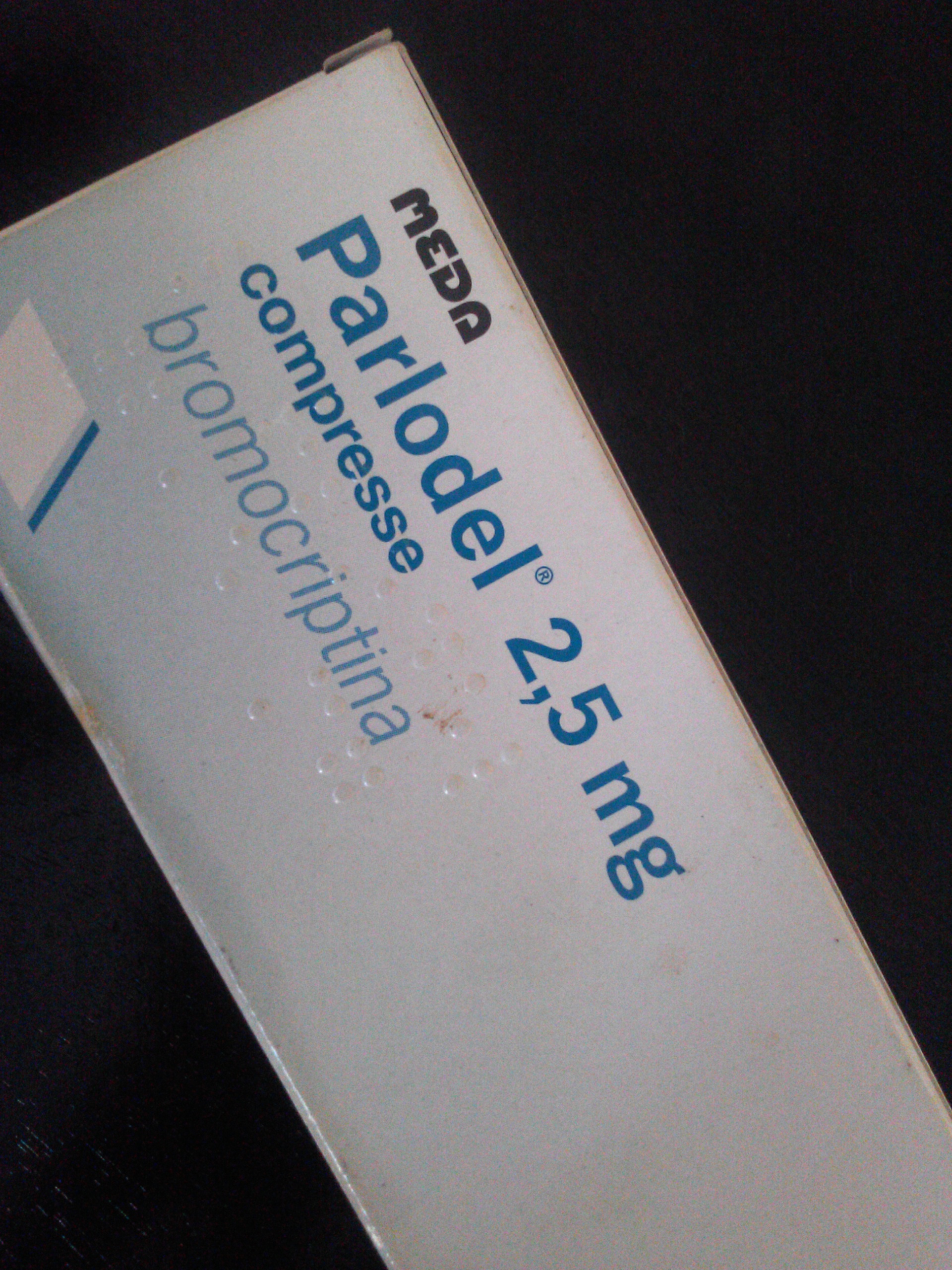
Therapeutic Effects of Bromocriptine

Also see:
Estrogen Increases Serotonin
Anti Serotonin, Pro Libido
Gelatin > Whey
Thyroid peroxidase activity is inhibited by amino acids
Whey, Tryptophan, & Serotonin
Tryptophan, Fatigue, Training, and Performance
Carbohydrate Lowers Free Tryptophan
Protective Glycine
Intestinal Serotonin and Bone Loss
Hypothyroidism and Serotonin
Gelatin, Glycine, and Metabolism
Whey, Tryptophan, & Serotonin
Tryptophan, Sleep, and Depression
Carbohydrate Lowers Serotonin from Exercise
Inflammatory TSH

Antihistamines and some of the antiserotonin drugs (including “dopaminergic” lisuride and bromocriptine) are sometimes useful in cancer treatment, but the safe way to lower serotonin is to reduce the consumption of tryptophan, and to avoid excessive cortisol production (which mobilizes tryptophan from the muscles). Pregnenolone and sucrose tend to prevent over-production of cortisol. -Ray Peat, PhD

1024141416a

Neuro Endocrinol Lett. 2000;21(5):405-408.
Efficacy of bromocriptine in the treatment of metastatic breast cancer- and prostate cancer-related hyperprolactinemia.
Lissoni P, Mandalà M, Giani L, Malugani F, Secondino S, Zonato S, Rocco F, Gardani G.
OBJECTIVE:
Hyperprolactinemia is a frequent evidence occurring in both metastatic breast cancer and prostate cancer, and it has been proven to be associated with poor prognosis and reduced efficacy of the anticancer therapies. Therefore, the pharmacological control of cancer-related hyperprolactinemia could improve the prognosis of advanced breast and prostate carcinomas. Unfortunately, at present it is still controversial which may be the treatment of cancer-related hyperprolactinemia, which could depend at least in part on a direct autocrine production by cancer cells themselves. The present study was performed to evaluate the acute effects of the long-acting dopaminergic agonist bromocriptine on cancer-related hyperprolactinemia.
METHODS:
The study included 10 women affected by metastatic breast cancer and 10 men with metastatic prostate cancer, showing persistent hyperprolactinemia. Venous blood samples were collected before bromocriptine, and 2, 4, 10 and 24 hours after bromocriptine administration (2.5 mg orally) serum levels of PRL were measured with the double antibody RIA method.
RESULTS:
Bromocriptine induced a normalization of PRL levels in both groups of patients with breast and prostate cancers. Moreover, mean levels of PRL persisted significantly lower than those found before therapy during the whole 24-hour circadian period.
DISCUSSION:
This preliminary study shows that low-dose bromocriptine is sufficient to acutely normalize PRL secretion in both metastatic breast cancer and prostate carcinoma patients, irrespectively of the mechanisms involved in inducing cancer-related hyperprolactinemia. Therefore, low-dose bromocriptine could be recommended in association with the classical antitumor therapies in the treatment of metastatic breast cancer and prostate carcinoma patients showing cancer-related hyperprolactinemia, in an attempt to improve the efficacy of anticancer therapies themselves.

The Lancet, Volume 331, Issue 8586, Pages 609 – 610, 19 March 1988
PERIOPERATIVE BROMOCRIPTINE ADJUVANT TREATMENT FOR OPERABLE BREAST CANCER
I.S. Fentiman , M.A. Chaudary , D.Y. Wang , K. Brame , R.S. Camplhjohn , R.R. Millis
Blood levels of prolactin are consistently raised in women who have undergone mastectomy for breast cancer, probably because of the stress of surgery. Since this increase in concentration of a known breast epithelial growth promoter might stimulate proliferation in micrometastatic cells shed at the time of surgery, a pilot study was conducted to try to abolish this effect. 38 patients with suspected operable breast cancer were given either bromocriptine (18) or placebo (20) tablets for 5 days preoperatively and thereafter for 3-10 days. Bromocriptine-treated patients showed significant reductions in prolactin levels and in S-phase fraction of tumour cells within the primary infiltrating carcinoma. There were no major side-effects. Perioperative bromocriptine may provide another approach to adjuvant therapy, possibly combined with endocrine or cytotoxic treatment for patients with axillary nodal metastases.

The Lancet, Volume 314, Issue 8133, Pages 66 – 69, 14 July 1979
REDUCTION OF PITUITARY-TUMOUR SIZE IN PATIENTS WITH PROLACTINOMAS AND ACROMEGALY TREATED WITH BROMOCRIPTINE WITH OR WITHOUT RADIOTHERAPY
J.A.H. Wass , M.O. Thorner 1, M. Charlesworth , P.J.A. Moult , J.E. Dacie , A.E. Jones , G.M. Besser
69 patients with prolactin-secreting or growth-hormone-secreting pituitary tumours were treated with bromocriptine with or without pituitary irradiation and followed up for 6 months to 6 1/2 years. Of 26 patients with prolactinomas, 11 had external pituitary irradiation in addition to bromocriptine. There was evidence of shrinkage of the pituitary tumour (either a reduction in fossa size or loss of visual-field defects) in 6 of these patients (23%), 3 of whom had been treated with bromocriptine alone. Of 43 acromegalic patients, 30 received external pituitary irradiation. 8 (19%) showed evidence of shrinkage of the pituitary tumour, including 2 who had received no radiotherapy. 1 patient treated with bromocriptine alone showed striking reduction in the size of his suprasellar extension, as assessed by serial computed-tomography scans over 11 months. At the same time his visual-field defects resolved and his deficient corticotrophin and thyrotrophin reserves returned to normal. Bromocriptine can reduce the size of both prolactin-secreting and growth-hormone-secreting pituitary tumours, and this is of potential importance in their management.

The Lancet, Volume 319, Issue 8266, Pages 245 – 249, 30 January 1982
HYPERPROLACTINAEMIA IN MEN—RESPONSE TO BROMOCRIPTINE THERAPY
R.W.G. Prescott a b, P. Kendall-Taylor a b, K. Hall a b, D.G. Johnston a b, A. Crombie a b, A. Mcgregor a b, K. Hall a b
Men with hyperprolactinaemia present with large tumours. Conventional therapy with surgery and/or irradiation is unsatisfactory, with up to 100% of patients remaining hyperprolactinaemic (or subsequently developing pituitary insufficiency). In view of reports of bromocriptine-induced regression of prolactinomas, eight consecutive male hyperprolactinaemic patients with impotence and/or symptoms related to local tumour effects were treated with bromocriptine 20 mg daily as sole therapy for 3-11 months. Symptoms were relieved partly or completely in seven patients and serum prolactin was restored to normal or near normal in all men. Serum thyroxine and plasma cortisol response to hypoglycaemia became normal in two men who had subnormal values before therapy. Mean serum growth hormone response to hypoglycaemia rose significantly as did plasma testosterone concentrations. Evidence of tumour regression, sometimes massive, was seen in the six patients who underwent repeat radiology. The symptomatic relief and biochemical and radiological improvement in these patients indicate that bromocriptine therapy may now be the treatment of choice for hyperprolactinaemic men with large tumours.

The Lancet, Volume 324, Issue 8396, Pages 187 – 192, 28 July 1984
EFFECT OF DOPAMINE AGONIST WITHDRAWAL AFTER LONG-TERM THERAPY IN PROLACTINOMAS
D.G. Johnston , P.Kendall Taylor , M. Watson , K. Hall , D. Patrick , D.B. Cook
The clinical, radiological, and biochemical effects of dopamine agonist withdrawal after long-term treatment were investigated in seven women and eight men who had been treated for prolactinomas for 1·5 to 7 (mean 3·7) years. Before treatment, serum prolactin concentrations were 1473 to 115 000 mU/1, all patients had abnormal radiological findings, and six had suprasellar extensions of pituitary tumours. Treatment with either bromocriptine or pergolide relieved symptoms and suppressed prolactin secretion in most patients. The size of the residual tumour was defined by doing fourth generation computerised . tomographic scans immediately before termination of therapy, and evidence of tumour re-expansion was sought on scans repeated 5-39 weeks later. After discontinuation of treatment, symptoms recurred in 13 of 15 patients and hyper-prolactinaemia redeveloped in 14. Other pituitary function tests remained unchanged or improved. In 13 of 15 patients tumour or gland size did not change after withdrawal of treatment. One man had a marginal increase in tumour size, while in another the pituitary tumour shrank. Thus, although cessation of long-term dopamine agonist therapy leads to recurrence of symptoms and hyperprolactinaemia, rapid tumour regrowth is uncommon and of small extent, and other pituitary function is not altered in the short term.

Br Med J. 1979 September 22; 2(6192): 700–703.
Effects of bromocriptine on pituitary tumour size.
A M McGregor, M F Scanlon, R Hall, and K Hall
In a prospective study designed to assess the influence of bromocriptine on pituitary tumour size 12 patients with pituitary tumours, eight of whom had suprasellar extensions, were treated for three months with 20 mg of bromocriptine daily after a gradual increase to this dose. The group comprised eight women and four men, five with prolactin-secreting adenomas, four with acromegaly, two with functionless adenomas, and one with Nelson’s syndrome. All five patients with prolactin-secreting adenomas showed a reduction in pituitary tumour size as assessed by computerised tomography and metrizamide cisternography accompanied by a fall in prolactin concentrations and clinical and biochemical improvement in their hypopituitarism. One patient in this group had a visual-field defect before treatment, and this resolved. There was no radiological evidence of reduction in tumour size in the remaining seven patients, though this might refect the fairly short duration of treatment, particularly in view of the ancillary evidence of clinical, biochemical, and visual-field improvement in some of the patients. These results emphasise the potential value of bromocriptine in treating patients with large prolactinomas or recurrences of such tumours after previous chiasmal decompression and conventional external megavoltage irradiation on the pituitary.

Br Med J (Clin Res Ed). 1982 June 26; 284(6333): 1908–1911.
Bromocriptine in management of large pituitary tumours.
J A Wass, J Williams, M Charlesworth, D P Kingsley, A M Halliday, I Doniach, L H Rees, W I McDonald, and G M Besser
Bromocriptine has an accepted place in the management of small pituitary tumours that secrete either prolactin or growth hormone. The treatment of large tumours with extrasellar extensions is more difficult, however: though surgery is the standard treatment, it is often unsuccessful in returning excessive hormone secretion to normal and may cause hypopituitarism. A prospective trial was undertaken to assess the frequency with which changes in pituitary function and size of large tumours occurs. Nineteen patients were studied before and during treatment with bromocriptine (7.5 to 60 ml/day) for three to 22 months, using contrast radiology and a detailed assessment of pituitary function. Eighteen patients had hyperprolactinaemia and two of these also had raised concentrations of growth hormones; one patient had an apparently non-functioning tumour. In 12 patients (63%) tumour size decreased with bromocriptine and no tumour enlarged. Nine patients had visual-field defects, which improved in seven, becoming normal in five. Pituitary function improved in nine patients (47%) becoming entirely normal in three. Bromocriptine should be the treatment of choice in patients with large pituitary tumours with extrasellar extensions, provided close supervision is maintained.

JAMA. 1982 Jan 15;247(3):311-6.
Bromocriptine reduces pituitary tumor size and hypersection. Requiem for pituitary surgery?
Spark RF, Baker R, Bienfang DC, Bergland R.
Twelve patients with pituitary tumor whose prior treatment included surgery and radiotherapy in four, surgery alone in four, radiotherapy alone in one, and none in three were studied. Nine had hyperprolactinemia, two had elevated serum growth hormones, and one had no pituitary hormone excess. Visual field defects were present in six. All had pituitary-gonadal insufficiency manifested as impotence or amenorrhea. All were tested with bromocriptine, 7.5 to 25 mg daily, and followed up for eight to 27 (mean 15) months. Serum prolactin levels decreased to normal in seven of nine patients. Serum growth hormone values were normalized in both acromegalics. When hormone levels were reduced to normal, pituitary tumor size decreased. Vision was restored to normal in five of six patients, including one patient with pituitary tumor but no pituitary hormone excess. Bromocriptine corrects the physiological defects associated with pituitary tumors that have been incompletely treated with surgery, radiotherapy, or both and may be a useful primary treatment for patients with pituitary tumors.

Am J Med. 1983 Nov;75(5):868-74.
Hyperprolactinemia. Long-term effects of bromocriptine.
Johnston DG, Prescott RW, Kendall-Taylor P, Hall K, Crombie AL, Hall R, McGregor A, Watson MJ, Cook DB.
Patients with hyperprolactinemia may be managed by pituitary surgery or irradiation, bromocriptine treatment, or a combination of these methods, and some patients remain untreated. Little is known of the long-term consequences of some of these therapeutic regimens. Forty-six hyperprolactinemic patients (40 female and six male) managed solely with bromocriptine or no treatment over a period of 12 months to six years were therefore evaluated in this study. Nine patients with radiologically normal pituitary fossae were untreated and 10 received bromocriptine, 7.5 to 10 mg daily, while 20 patients with radiologic evidence of a pituitary tumor were treated with bromocriptine, generally 10 to 20 mg daily. Patients were assessed clinically, biochemically, and radiologically before treatment and at least six weeks after discontinuation of therapy. A further seven patients were similarly assessed before and after eight bromocriptine-induced pregnancies. Symptoms persisted in the untreated group of nine patients, although menstruation returned in four of the females with previous amenorrhea; serum prolactin levels remained elevated, other pituitary function did not change, and pituitary fossae remained normal radiologically. In all patients treated with bromocriptine, symptoms improved irrespective of radiologic findings on the pituitary, and were abolished in 67 percent during treatment associated with a decrease in serum prolactin levels in all, and a return of levels to within normal limits in 80 percent of patients. Persistent side effects were usually dose-related, but remained troublesome in 13 percent. Bromocriptine-induced tumor regression was evident radiologically in all patients with suprasellar tumor tissue and in some with purely intrasellar adenomas. This effect occurred rapidly and persisted or increased throughout follow-up. On discontinuation of treatment, prolactin levels remained significantly lower than before therapy (mean 2,934 versus 5,052 mU/liter, p less than 0.05) but were within the normal range in only two patients. Other pituitary function was unaltered, or improved in some patients with definite tumors. Bromocriptine-induced pregnancy produced no permanent change in clinical, biochemical, or radiologic status. Long-term bromocriptine treatment for hyperprolactinemia is thus highly effective in alleviating symptoms and suppressing prolactin secretion, and induces persistent tumor regression on treatment without deterioration of other pituitary function in patients with macroadenomas. On discontinuation of therapy, however, hyperprolactinemia usually recurs, and treatment may therefore need to be continued for years.

Am J Dis Child. 1993 Oct;147(10):1057-61.
Prolactin-secreting macroadenomas in adolescents. Response to bromocriptine therapy.
Tyson D, Reggiardo D, Sklar C, David R.
OBJECTIVE:
To report five cases of prolactin (PRL)-secreting macroadenomas in adolescents, including their presentations and responses to bromocriptine mesylate treatment.
PATIENTS:
Five adolescents (three females and two males) aged between 12.5 and 17 years were diagnosed as having PRL-secreting macroadenomas at the pediatric endocrine service at New York University Medical Center between 1987 and 1989. Presenting complaints included visual field deficits, gynecomastia, and amenorrhea, both primary and secondary. All patients demonstrated some feature of hypogonadism or pubertal arrest. Diagnostic criteria included an elevated serum PRL level (mean, 1670 micrograms/L; range, 610 to 3700 micrograms/L) and visualization of a pituitary tumor that measured greater than 1 cm by either a computed tomographic scan or magnetic resonance imaging (mean size, 2.7 cm; range, 1.4 to 4 cm).
INTERVENTIONS:
Each patient was treated with bromocriptine mesylate at an oral dose of 7.5 mg/d. The patients continued with that treatment for the duration of the study period.
MEASUREMENTS AND RESULTS:
Anterior pituitary function was evaluated in four of five patients before treatment. All four were growth hormone deficient. Three patients were also gonadotropin deficient. Thyrotropin (thyroid-stimulating hormone) and corticotropin (adrenocorticotropic hormone) deficiencies were demonstrated in three patients who had multiple pituitary deficits. Follow-up testing included serial PRL measurements and radiographic imaging of tumor size. All patients demonstrated a marked decrease in PRL levels, as well as in tumor size (mean shrinkage, 70%). The three patients who initially had visual field deficits showed significant improvement of vision with bromocriptine therapy. Follow-up study of anterior pituitary function showed significant improvement with bromocriptine treatment in three patients.
CONCLUSIONS:
Bromocriptine was quite effective in the shrinkage of PRL-secreting macroadenomas in all our patients. It is a noninvasive treatment that can preserve and restore vision, as well as pituitary function, which is integral to continued growth and sexual maturation of the adolescent. Bromocriptine is preferable to surgery or radiation in the treatment of PRL-secreting macroadenomas in the adolescent.

Ups J Med Sci. 1982;87(3):259-67.
Rapid regression of pituitary tumours during bromocriptine treatment of women with hyperprolactinaemia.
Bergh T, Nillius SJ, Lundberg PO, Moström U, Enoksson P, Ohman L, Wide L.
Four hyperprolactinaemic women with large pituitary adenomas with suprasellar extension were given primary tumour therapy with bromocriptine. The treatment resulted in rapid tumour regression in all the women, as verified by repeated computerized tomography (CT) scans. Pronounced visual field defects were present in three of the four women before treatment. All of them had marked improvement of vision within a few days after the initiation of bromocriptine therapy and they regained normal or nearly normal visual fields during the treatment. The raised serum prolactin concentrations decreased to normal levels in all the women. Thus, medical treatment with bromocriptine can induce rapid tumour regression in patients with hyperprolactinaemia and large pituitary tumours.

Obstet Gynecol. 1989 Mar;73(3 Pt 2):517-20.
Successful treatment of a prolactin-producing pituitary macroadenoma with intravaginal bromocriptine mesylate: a novel approach to intolerance of oral therapy.
Katz E, Schran HF, Adashi EY.
A 37-year-old woman with a symptomatic 18-mm prolactin-secreting pituitary adenoma could not be managed with oral bromocriptine mesylate because of unacceptable gastrointestinal side effects. However, when given the medication intravaginally, the patient was successfully treated as assessed by evident tumor shrinkage and diminished secretory activity. Serum bromocriptine levels were approximately six to eight times higher than those reported after oral administration. The vaginal route may help reduce some of the adverse effects of bromocriptine mesylate experienced during oral administration and may possibly allow lowering of the overall effective dose by avoiding first liver passage.

Research on LSD and its derivatives led to drugs such as bromocriptine, which oppose the effects of histamine and estrogen. Some of bromocriptine’s effects are clearly antagonistic to serotonin, though bromocriptine is usually called a “dopamine agonist”; dopamine is pretty generally a serotonin antagonist. -Ray Peat, PhD

Eur J Pharmacol. 1982 Jul 30;81(4):569-76.
Actions of serotonin antagonists on dog coronary artery.
Brazenor RM, Angus JA.
Serotonin released from platelets may initiate coronary vasospasm in patients with variant angina. If this hypothesis is correct, serotonin antagonists without constrictor activity may be useful in this form of angina. We have investigated drugs classified as serotonin antagonists on dog circumflex coronary artery ring segments in vitro. Ergotamine, dihydroergotamine, bromocriptine, lisuride, ergometrine, ketanserin, trazodone, cyproheptadine and pizotifen caused non-competitive antagonism of serotonin concentration-response curves. In addition, ketanserin, trazodone, bromocriptine and pizotifen inhibited noradrenaline responses in concentrations similar to those required for serotonin antagonism. All drugs with the exception of ketanserin, cyproheptadine and pizotifen showed some degree of intrinsic constrictor activity. Methysergide antagonized responses to serotonin competitively but also constricted the coronary artery. The lack of a silent competitive serotonin antagonist precludes a definite characterization of coronary serotonin receptors at this time. However, the profile of activity observed for the antagonist drugs in the coronary artery differs from that seen in other vascular tissues. Of the drugs tested, ketanserin may be the most useful in variant angina since it is a potent 5HT antagonist, lacks agonist activity and has alpha-adrenoceptor blocking activity.

In an animal study, bromocriptine, which shifts the balance away from serotonin, reduced obesity and insulin and free fatty acids, and improved glucose tolerance. -Ray Peat, PhD

Neuroendocrinology. 1998 Jul;68(1):1-10.
Bromocriptine reduces obesity, glucose intolerance and extracellular monoamine metabolite levels in the ventromedial hypothalamus of Syrian hamsters.
Luo S, Meier AH, Cincotta AH.
We examined whether reductions in body fat stores and insulin resistance in Syrian hamsters induced by bromocriptine are associated with reductions in daily norepinephrine (NE) and serotonin activities as indicated by their extracellular metabolite levels in the ventromedial hypothalamus (VMH). High levels of these monoamines within the VMH have been suspected to induce obesity and insulin resistance. Microdialysate samples from the VMH of freely moving obese male hamsters (BW: 208 +/- 5 g) were collected hourly over a 25-hour period before bromocriptine treatment, during the first day of and after 2 weeks of bromocriptine treatment (800 microg/animal daily, i.p.), and body composition and glucose tolerance analyses were conducted before and after 2 weeks of treatments. The microdialysate samples were analyzed by HPLC for metabolites of serotonin: 5-hydroxy-indoleacetic acid (5-HIAA), NE: 3-methoxy-4-hydroxy-phenylglycol (MHPG), and dopamine: homovanillic acid (HVA). Bromocriptine treatment for 14 days significantly reduced body fat by 60% and areas under the glucose and insulin curves during a glucose tolerance test by 50 and 46%, respectively. Concurrently, extracellular VMH contents of 5-HIAA, MHPG, and HVA were reduced by 50, 29 and 66%, respectively (p < 0.05). Similarly, VMH 5-HIAA and MHPG contents were 48 and 44% less, respectively (p < 0.05), in naturally glucose-tolerant hamsters compared with naturally glucose-intolerant hamsters. Bromocriptine induced reductions of body fat, and improvements in glucose intolerance may result in part from its ability to decrease serotonin and NE activities in the VMH.

Metabolism. 1991 Jun;40(6):639-44.
Bromocriptine inhibits the seasonally occurring obesity, hyperinsulinemia, insulin resistance, and impaired glucose tolerance in the Syrian hamster, Mesocricetus auratus.
Cincotta AH, Schiller BC, Meier AH.
Seasonally obese-hyperinsulinemic female Syrian hamsters were injected daily with bromocriptine or saline for a period of 34 days to test for effects of bromocriptine on body fat store levels, hepatic triglyceride secretion, glucose tolerance, and plasma insulin and glucose concentrations. The effects of bromocriptine on body fat store levels, as well as on plasma insulin and glucose concentrations, in seasonally obese hamsters were compared with the levels of body fat, plasma insulin, and plasma glucose observed in seasonally lean hamsters. Bromocriptine treatment substantially improved glucose intolerance and reduced the total and stimulated areas under the glucose tolerance curve by 33% after 14 days of treatment. After 34 days of treatment, bromocriptine reduced body fat store levels by 36% and hepatic triglyceride secretion by 40% without any concurrent change in food consumption. Furthermore, bromocriptine reduced the plasma insulin level by 70%, while slightly reducing plasma glucose concentration (ie, 68% reduction in the insulin to glucose ratio). The reductions of body fat, plasma insulin, and plasma insulin to glucose ratio produced by bromocriptine in seasonally obese hamsters are equivalent to those observed in seasonally lean hamsters. Shifts in phase relationships of circadian neuroendocrine rhythms have been demonstrated to regulate annual cycles of metabolism in vertebrates, including the Syrian hamster. The effects of bromocriptine can also be explained as an alteration of such a circadian mechanism.

Metabolism. 1995 Oct;44(10):1349-55.
Bromocriptine inhibits in vivo free fatty acid oxidation and hepatic glucose output in seasonally obese hamsters (Mesocricetus auratus).
Cincotta AH, Meier AH.
Seasonally obese hyperinsulinemic hamsters were treated for 5 weeks with bromocriptine (500 to 600 micrograms per animal) and tested for drug effects on energy balance, body fat stores, nocturnal whole-body free fatty acid (FFA) metabolism and hepatic glucose output, and diurnal glucose tolerance. After 5 weeks, bromocriptine treatment reduced retroperitoneal fat pad weight by 45% without altering either daily food consumption or end-treatment total daily energy expenditure. Also, 5 weeks of treatment improved the diurnal glucose tolerance, resulting in a 47% and 33% decrease in the area under glucose and insulin curves, respectively. After 4 weeks, bromocriptine treatment reduced nocturnal lipolysis by 28%, palmitate rate of appearance into plasma by 30%, palmitate oxidation by 33%, and hepatic glucose output by 28%. Moreover, these reductions were accompanied by a 75% reduction in plasma insulin concentration. The data suggest that bromocriptine may improve diurnal glucose tolerance in part by inhibiting the preceding nocturnal lipolysis and FFA oxidation. Reductions in nocturnal FFA oxidation and hepatic glucose production may result from bromocriptine’s influences on circadian organization of hypothalamic centers known to regulate these activities. Available evidence suggests that bromocriptine may impact this neuroendocrine organization of metabolism by increasing the dopamine to noradrenaline activity ratio in central (hypothalamic) and peripheral (eg, liver and adipose) target tissues.

DIABETES CARE, VOLUME 20, NUMBER 11, NOVEMBER 1997
Effects of a Quick-Release Form of Bromocriptine (Ergoset) on Fasting and Postprandial Plasma Glucose, Insulin, Lipid, and Lipoprotein Concentrations in Obese Nondiabetic Hyperinsulinemic Women
Kamath and Associates
OBJECTIVE — To assess the effect on various aspects of carbohydrate and lipid metabolism of administering a quick-release formulation of bromocriptine (Ergoset) to obese, nondiabetic, hyperinsulinemic women.
RESEARCH DESIGN AND METHODS— Hourly concentrations of prolactin, glucose, insulin, free fatty acid (FFA), and triglyceride were measured for 24 h before and after approximately 8 weeks of treatment with Ergoset. In addition, fasting lipid and lipoprotein concentrations and the steady-state plasma glucose (SSPG) concentration in response to a continuous infusion of somatostatin, insulin, and glucose were determined before and after Ergoset administration.
RESULTS — Circulating prolactin concentrations were dramatically decreased (P < 0.001) following treatment, associated with a significant fall (P < 0.05) in 24-h-long plasma glucose, FFA, and triglyceride concentrations. Neither circulating plasma insulin concentrations nor the ability of insulin to mediate glucose disposal changed with treatment. Finally, fasting total cholesterol fell (P < 0.05) and the ratio of total to HDL cholesterol decreased (P = 0.06) in association with Ergoset treatment. CONCLUSIONS — The fact that significant metabolic improvement was seen in the obese nondiabetic hyperinsulinemic women studied suggests that Ergoset could be of therapeutic benefit in clinical conditions of hyperglycemia and/or dyslipidemia.

J Hepatol. 2006 Sep;45(3):439-44. Epub 2006 May 6.
Bromocriptine reduces steatosis in obese rodent models.
Davis LM, Pei Z, Trush MA, Cheskin LJ, Contoreggi C, McCullough K, Watkins PA, Moran TH.
BACKGROUND/AIMS:
Obesity is a risk factor for glucose intolerance, steatosis, and oxidative stress, characteristics of nonalcoholic fatty liver disease. Bromocriptine may have anti-obesity, insulin-sensitizing, lipolytic, and antioxidant properties. We, therefore, hypothesized that bromocriptine would improve markers of nonalcoholic fatty liver disease in obese rodent models.
METHODS:
We performed a randomized, controlled experiment in genetically obese fatty Zucker rats and diet-induced obese rats to assess for behavioral and peripheral anti-obesity actions of bromocriptine (10mg/kg) that would improve nonalcoholic fatty liver disease.
RESULTS:
Behaviorally, food intake decreased and locomotor activity increased in bromocriptine-treated fatty Zucker and dietary-induced obese rats. Peripherally, liver triglycerides were significantly reduced and hepatic manganese superoxide dismutase significantly increased in bromocriptine-treated fatty Zucker and diet-induced obese rats compared to controls. Blood glucose was significantly lower in bromocriptine-treated Zucker rats compared to fatty controls and was no different than that of lean controls.
CONCLUSIONS:
Improvements in obesigenic behaviors, glucose tolerance, hepatic lipid accumulation, and mitochondrial oxidative stress observed in genetically obese and diet-induced obese rodents indicate that bromocriptine may be promising as a broad-based therapy for nonalcoholic fatty liver disease.

Eur J Pharmacol. 1984 Mar 16;99(1):85-90.
One minute of bromocriptine irreversibly inhibits prolactin release for hours.
Cronin MJ, Evans WS, Thorner MO.
The ability of the dopamine receptor antagonist spiperone to block dopamine- or bromocriptine-inhibited prolactin release from dispersed rat anterior pituitary cells was tested in vitro. In a continuously perfused cell column apparatus, spiperone rapidly counteracted the inhibitory effect of dopamine but was unable to reverse the inhibitory effect of the potent dopamine agonist bromocriptine when added 30 min after bromocriptine. However, spiperone completely blocked the bromocriptine action if added simultaneously with bromocriptine. These basic data were confirmed, and the time relationships more accurately defined, in static incubations of monolayer cultures. Spiperone blocked the typical inhibition of prolactin release by bromocriptine only if the cells were pre- or coincubated with the antagonist. If spiperone was added as soon as 1 min after bromocriptine, the antagonist was unable to block the complete expression of the bromocriptine inhibition. These results suggest that bromocriptine is a functionally irreversible dopamine agonist for at least the 4 h of these studies.

Proc Soc Exp Biol Med. 1984 Feb;175(2):191-5.
Bromocriptine inhibits growth hormone release from rat pituitary cells in primary culture.
Cronin MJ, Thorner MO, Hellmann P, Rogol AD.
The action of the potent dopamine receptor agonist bromocriptine was studied in primary cultures of rat anterior pituitary cells. Bromocriptine inhibited both prolactin and growth hormone release in a concentration-dependent manner. This effect was blocked by the dopamine receptor antagonist spiperone when the agonist and antagonist were added coincidently. In contrast, spiperone was unable to affect the actions of bromocriptine if added 1 min after bromocriptine application or later. These results suggest that dopamine receptors exist not only on mammotrophs, but also on somatotrophs in vitro.

J Neural Transm. 1981;51(1-2):61-82.
The endocrine profile of bromocriptine: its application in endocrine diseases.
Lancranjan I.
Bromocriptine, a potent agonist at Dz receptors, was developed as a therapeutic agent for inhibiting prolactin (PRL) secretion in patients with hyperprolactinemia. Besides, its PRL-suppressive effect and a short-lasting growth hormone (GH)-releasing effect in normal volunteers, bromocriptine has no other endocrine effects in healthy subjects. On the other hand, bromocriptine lowers GH secretion in acromegalic patients and ACTH secretion in some patients with Cushing’s disease or Nelson’s syndrome. The paper reviews the endocrine actions of bromocriptine in man, in normal and pathological conditions, the bromocriptine’s mechanism of action and its clinical applications in endocrinology.

Diabetes Care. 1996 Jun;19(6):667-70.
Bromocriptine (Ergoset) reduces body weight and improves glucose tolerance in obese subjects.
Cincotta AH, Meier AH.
OBJECTIVE:
A double-blind placebo controlled study investigated long-term effects of Ergoset, a new quick release formulation of bromocriptine, on body weight, body fat, and glucose tolerance in a group (n = 17) of obese subjects who were instructed to follow a moderate hypocaloric diet.
RESEARCH DESIGN AND METHODS:
Obese individuals (> 25% body fat for men and > 30% body fat for women) were instructed to follow a calorie-restricted diet (70% of weight maintaining based on study entry weight) and were randomized to daily treatment with Ergoset (1.6-2.4 mg/day) or placebo at 0800 over an 18-week treatment period. Oral glucose tolerance tests were performed on subjects before initiation and again at termination of treatment. Body weight and body fat (determined by skinfold measurements) were quantified every 2 weeks during the course of treatment.
RESULTS:
Ergoset treatment for 18 weeks significantly reduced body weight and body fat versus placebo (6.3 +/- 1.5 and 5.4 +/- 1.1 kg vs. 0.9 +/- 1.0 and 1.5 +/- 0.6 kg. respectively, P < 0.01). Ergoset, but not placebo, also improved glucose tolerance (P < 0.02); the stimulated area under the oral glucose tolerance curve was reduced by 46% (from 121 +/- 23 to 64 +/- 32 mg.h-1.dl-1), while the stimulated area under the insulin curve was reduced by 30%.
CONCLUSIONS:
When combined with instruction to follow a moderate hypocaloric diet, Ergoset, but not placebo, improves glucose tolerance and promotes significant weight and body fat loss in obese subjects over an 18- week treatment period.

Diabetes Care. 2000 Aug;23(8):1154-61.
Bromocriptine: a novel approach to the treatment of type 2 diabetes.
Pijl H, Ohashi S, Matsuda M, Miyazaki Y, Mahankali A, Kumar V, Pipek R, Iozzo P, Lancaster JL, Cincotta AH, DeFronzo RA.
OBJECTIVE:
In vertebrates, body fat stores and insulin action are controlled by the temporal interaction of circadian neuroendocrine oscillations. Bromocriptine modulates neurotransmitter action in the brain and has been shown to improve glucose tolerance and insulin resistance in animal models of obesity and diabetes. We studied the effect of a quick-release bromocriptine formulation on glucose homeostasis and insulin sensitivity in obese type 2 diabetic subjects.
RESEARCH DESIGN AND METHODS:
There were 22 obese subjects with type 2 diabetes randomized to receive a quick-release formulation of bromocriptine (n = 15) or placebo (n = 7) in a 16-week double-blind study. Subjects were prescribed a weight-maintaining diet to exclude any effect of changes in body weight on the primary outcome measurements. Fasting plasma glucose concentration and HbA(1c) were measured at 2- to 4-week intervals during treatment. Body composition (underwater weighing), body fat distribution (magnetic resonance imaging), oral glucose tolerance (oral glucose tolerance test [OGTT]), insulin-mediated glucose disposal, and endogenous glucose production (2-step euglycemic insulin clamp, 40 and 160 mU x min(-1) x m(-2)) were measured before and after treatment.
RESULTS:
No changes in body weight or body composition occurred during the study in either placebo- or bromocriptine-treated subjects. Bromocriptine significantly reduced HbA(1c) (from 8.7 to 8.1%, P = 0.009) and fasting plasma glucose (from 190 to 172 mg/dl, P = 0.02) levels, whereas these variables increased during placebo treatment (from 8.5 to 9.1%, NS, and from 187 to 223 mg/dl, P = 0.02, respectively). The differences in HbA(1c) (delta = 1.2%, P = 0.01) and fasting glucose (delta = 54 mg/dl, P < 0.001) levels between the bromocriptine and placebo group at 16 weeks were highly significant. The mean plasma glucose concentration during OGTT was significantly reduced by bromocriptine (from 294 to 272 mg/dl, P = 0.005), whereas it increased in the placebo group. No change in glucose disposal occurred during the first step of the insulin clamp in either the bromocriptine- or placebo-treated group. During the second insulin clamp step, bromocriptine improved total glucose disposal from 6.8 to 8.4 mg x min(-1) kg(-1) fat-free mass (FFM) (P = 0.01) and nonoxidative glucose disposal from 3.3 to 4.3 mg min(-1) x kg(-1) FFM (P < 0.05), whereas both of these variables deteriorated significantly (P < or = 0.02) in the placebo group.
CONCLUSIONS:
Bromocriptine improves glycemic control and glucose tolerance in obese type 2 diabetic patients. Both reductions in fasting and postprandial plasma glucose levels appear to contribute to the improvement in glucose tolerance. The bromocriptine-induced improvement in glycemic control is associated with enhanced maximally stimulated insulin-mediated glucose disposal.

Acta Neurol Scand. 1977 Jul;56(1):37-45.
Treatment of Huntington’s chorea with bromocriptine.
Frattola L, Albiazzati MG, Spano PF, Trabucchi M.
The authors tested the effects of 2-Br-ergocriptine (bromocriptine, CB-154), a drug which exerts a mixed agonist-antagonist activity on the dopaminergic receptors, in 12 patients with Huntington Chorea in a double-blind crossover trial. This treatment significantly reduced the abnormal involuntary movements and the disease severity in most of the patients. Subjects who were slightly disabled showed a better response than the ones with more severe degrees of disability.

Obstet Gynecol. 1980 Mar;55(3):278-84.
Bromocriptine mesylate (Parlodel) in the management of amenorrhea/galactorrhea associated with hyperprolactinemia.
Cuellar FG.
The efficacy and safety of bromocriptine mesylate (5 to 7.5 mg per day for up to 24 weeks) were studied in 22 clinical trials involving 226 patients who had amenorrhea/galactorrhea associated with hyperprolactinemia and no demonstrable pituitary tumor. Of the 187 patients evaluated for efficacy, 80% experienced reinitiation of menses (or pregnancy without first having menses); the average treatment time (excluding those who conceived) was 5.7 weeks. Galactorrhea was significantly (at least 75%) reduced in 76% of the 187 patients after an average treatment tome of 6.4 weeks, and was completely suppressed in 58% after 12.7 weeks. Maximum reduction in serum prolactin levels occurred within the first 4 weeks of therapy and the reduced levels were maintained during treatment; moreover, there was a strong correlation between prolactin reduction and clinical improvement. Adverse reactions were reported by 68% of the 226 patients evaluated for safety; in general, these reactions were mild and transient. Several patients experienced hypotension, but only 1 discontinued therapy because of it. Based on these findings, bromocriptine mesylate was judged safe and efficacious for this purpose.

Posted in General.

Tagged with , , , , , , , , , , , , , , .


Burzynski: Cancer Is Serious Business

Posted in General.

Tagged with , .


Serotonin Reuptake ENHANCER as Anti-Depressant

Also see:
Anti-Serotonin, Pro-Libido
Estrogen, Serotonin, and Aggression
Estrogen, Glutamate, & Free Fatty Acids
Estrogen Increases Serotonin
Omega -3 “Deficiency” Decreases Serotonin Producing Enzyme
Linoleic Acid and Serotonin’s Role in Migraine
Gelatin > Whey
Thyroid peroxidase activity is inhibited by amino acids
Whey, Tryptophan, & Serotonin
Tryptophan, Fatigue, Training, and Performance
Carbohydrate Lowers Free Tryptophan
Protective Glycine
Intestinal Serotonin and Bone Loss
Hypothyroidism and Serotonin
Gelatin, Glycine, and Metabolism
Whey, Tryptophan, & Serotonin
Tryptophan, Sleep, and Depression
Is serotonin an upper or a downer? The evolution of the serotonergic system and its role in depression and the antidepressant response.

The predominant theory of depression suggests that a deficiency of serotonin (the “feel good neurotransmitter” or “happy chemical”) is a major player in depression. However, a more unified & integrated approach sees serotonin as prime facilitator of stress and degeneration that synergizes with other stress substances like estrogen, polyunsaturated fats, excitatory amino acids, prolactin, and glucocorticoids to create vicious, stress stimulating loops.

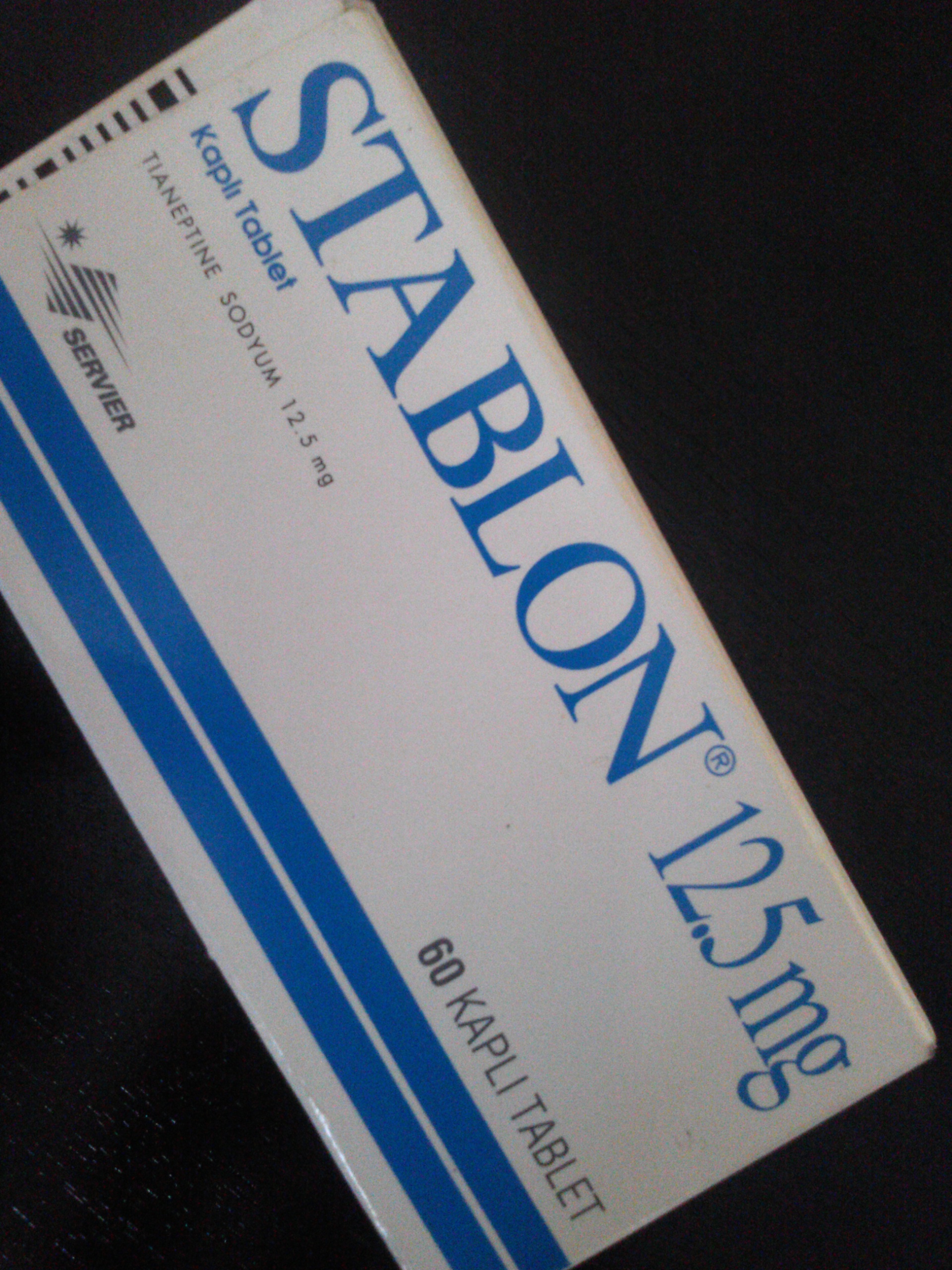
The proven anti-depression effects of tianapetine (Stablon, Coaxil, Tatinol), a selective serotonin reuptake enhancer (SSRE), calls into question the current model of depression since it has the opposite effect of the selective serotonin reuptake inhibitors (SSRI) drugs commonly used to treat depressives. Instead of inhibiting the uptake of serotonin like an SSRI, an SSRE increases uptake of serotonin, lowering serotonin’s activity. Tianeptine is well tolerated, decreases the excitatory effects of glutatmate, prevents or reverse stress-related brain changes, doesn’t cause dependence or withdrawal symptoms, improves memory, and does not impair cognitive function.

SSRI drugs can sometimes cause very adverse side effects including increased symptoms of depression and suicide, as the Boston Globe article “Prozac Revisited” discusses. Making a Killing: The Untold Story of Psychotropic Drugging is a documentary that reveals how the current model for treating depression needs modification.

Tianeptine is referred to as an “atypical” anti-depression treatment. With a different perspective on physiology and the stress response, it’s the SSRI treatments that are atypical. Hopefully, the efficacy of tianeptine will open the mainstream’s consciousness to the stress-promoting effects of serotonin. This new consciousness can lead to a better understanding of other stress-related health problems.

1024141416

Drugs. 1995 Mar;49(3):411-39.
Tianeptine. A review of its pharmacodynamic and pharmacokinetic properties, and therapeutic efficacy in depression and coexisting anxiety and depression.
Wilde MI, Benfield P.
Tianeptine is a novel antidepressant agent, both structurally (modified tricyclic) and in terms of its pharmacodynamic profile. Unlike other antidepressant agents, tianeptine stimulates the uptake of serotonin (5-hydroxytryptamine; 5-HT) in rat brain synaptosomes and rat and human platelets, increases 5-hydroxyindoleacetic acid (5-HIAA) levels in cerebral tissue and plasma, and reduces serotonergic-induced behaviour. Tianeptine reduces the hypothalamic-pituitary-adrenal response to stress, antagonises stress-induced behavioural deficits and prevents changes in cerebral morphology. The antidepressant efficacy of tianeptine, as shown in 2 trials of patients with major depression or depressed bipolar disorder with or without melancholia, is greater than that of placebo. In patients with major depression without melancholia or psychotic features, depressed bipolar disorder or dysthymic disorder, the antidepressant efficacy of short term (4 weeks to 3 months) tianeptine therapy appears to be similar to that of amitriptyline, imipramine and fluoxetine and may be superior to that of maprotiline in patients with coexisting depression and anxiety. However, submaximal dosages of amitriptyline and maprotiline were used in these studies. Preliminary evidence suggests that tianeptine may also be effective in patients with endogenous depression. Progressive therapeutic improvements have been observed with up to 1 year of tianeptine treatment, and long term therapy may reduce the rate of relapse or recurrence. Tianeptine is effective in the treatment of depression in elderly and post-alcohol-withdrawal patient subgroups. Tianeptine was more effective in reducing psychic anxiety than placebo in patients with major depression or depressed bipolar disorder with or without melancholia. The overall anxiolytic properties of tianeptine in patients with coexisting depression and anxiety appear to be similar to those of amitriptyline, imipramine and fluoxetine and may be superior to those of maprotiline, although submaximal dosages of amitriptyline and maprotiline were used. Studies of tianeptine in patients with primary anxiety have not been conducted. Tianeptine is well tolerated in the short (3 months) and long (up to 1 year) term. The incidence of dry mouth (38 vs 20%), constipation (19 vs 15%), dizziness/syncope (23 vs 13%), drowsiness (17 vs 10%) and postural hypotension (8 vs 3%) are greater with amitriptyline than with tianeptine. Insomnia and nightmares occur in more tianeptine than amitriptyline recipients (20 vs 7%). The relative lack of sedative, anticholinergic and cardiovascular adverse effects with tianeptine makes it particularly suitable for use in the elderly and in patients following alcohol withdrawal; these patients are known to have increased sensitivity to the adverse effects associated with psychotropic drugs.(ABSTRACT TRUNCATED AT 400 WORDS)

Encephale 1994 Sep-Oct;20(5):521-5.
[Can a serotonin uptake agonist be an authentic antidepressant? Results of a multicenter, multinational therapeutic trial].
Kamoun A, Delalleau B, Ozun M
The classical biochemical hypothesis of depression posits a functional deficit in central neurotransmitter systems particularly serotonin (5-HT) and noradrenaline. The major role suggested for 5-HT in this theory led to the development of a large number of compounds which selectively inhibit 5-HT uptake. Numerous clinical trials have demonstrated the antidepressant efficacy of such types of serotoninergic agents, supporting 5-HT deficit as the main origin of depression. Therefore, everything seemed clear: depression was caused by 5-HT deficit. Tianeptine is clearly active in classical animal models predictive of antidepressant activity, and is also active in behavioral screening tests: it antagonizes isolation induced aggression in mice and behavioral despair in rats. Biochemical studies have revealed that in contrast to classical tricyclic antidepressant, tianeptine stimulates 5-HT uptake in vivo in the rat brain. This somewhat surprising property was observed in the cortex and the hippocampus following both acute and chronic administrations. This increase in 5-HT uptake has also been confirmed in rat platelets after acute and chronic administrations. Moreover, in humans, a study in depressed patients demonstrated that tianeptine significantly increased platelet 5-HT uptake after a single administration as well as after 10 and 28 days of treatment. The antidepressant activity of tianeptine has been evaluated in controlled studies versus reference antidepressants. Another study aiming to compare the antidepressant efficacy of tianeptine versus placebo and versus imiporamine is presented. 186 depressed patients were included in this trial. They presented with either Major Depression, single episode (24.6%) or Major Depression recurrent (66.8%) or Bipolar Disorder (depressed) (8.6%).

CNS Drugs. 2008;22(1):15-26.
Neurobiological and clinical effects of the antidepressant tianeptine.
Kasper S, McEwen BS.
The precise neurobiological processes involved in depression are not clear, but it is recognized that numerous factors are involved, including changes in neurotransmitter systems and brain plasticity. Neuroplasticity refers to the ability of the brain to adapt functionally and structurally to stimuli. Impairment of neuroplasticity in the hippocampus, amygdala and cortex is hypothesized to be the mechanism by which cognitive function, learning, memory and emotions are altered in depression. The mechanisms underlying alterations in neuroplasticity are believed to relate to changes in neurotransmitters, hormones and growth factors. Structural changes in the hippocampus that have been proposed to be associated with depression include dendritic atrophy, reduced levels of cerebral metabolites, decreased adult neurogenesis (generation of new nerve cells) and reduced volume. Increased dendritic branching occurs in the basolateral nucleus of the amygdala. Reduced neuronal size and glial cell density occur in the prefrontal cortex. Clinically, tianeptine is an antidepressant effective in reducing symptoms of depression in mild to moderate-to-severe major depression, including over the long term. Tianeptine is also effective in alleviating the symptoms of depression-associated anxiety. It is generally well tolerated, with little sedation or cognitive impairment. The efficacy profile of tianeptine could be explained by its neurobiological properties observed in animal models. Tianeptine prevents or reverses stress-associated structural and cellular changes in the brain and normalizes disrupted glutamatergic neurotransmission. In particular, in the hippocampus, it prevents stress-induced dendritic atrophy, improves neurogenesis, reduces apoptosis and normalizes metabolite levels and hippocampal volume. Tianeptine also has beneficial effects in the amygdala and cortex and can reverse the effects of stress on neuronal and synaptic functioning. The neurobiological properties of tianeptine may provide an explanation not only for its antidepressant activity, but also for its anxiolytic effects in depressed patients and its lack of adverse effects on cognitive function and memory.

Neuropsychopharmacol Hung. 2008 Dec;10(5):305-13.
[“Atypical” antidepressive mechanisms: glutamatergic modulation and neuroplasticity in case of tianeptine].
[Article in Hungarian]
András S.
Recent neurobiological and clinical studies demonstrated that neuroplasticity, a principal mechanism of neuronal adaptation and survival, was disrupted in major depression and in long-term stress. Increasing research data show, that structural remodeling and maladaptive dysfunction of certain brain regions is a main component of major depressive illness. Tianeptine, an “atypical” antidepressant, which has a pharmacological action different from the “typical” reuptake blocking agents, underlined a re-evaluation of the neurobiological basis of major depression and revealed that the disorder cannot be explained only by the classic monoamine hypothesis. Neuroplasticity hypothesis of major depression brings the possibility to make important contributions to the diagnosis, however, it may helpful in the understanding the detailed subtle drug effects, which cannot be revealed by pure neurochemical mechanisms. In this review, effects of tianeptine on neuroplasticity, neuroprotection, neurogenesis, hippocampal stress response, long term potentiation, and, as well as on the glutamatergic system and other neuronal networks are evaluated.

Eur Psychiatry. 2002 Jul;17 Suppl 3:318-30.
Structural plasticity and tianeptine: cellular and molecular targets.
McEwen BS, Magarinos AM, Reagan LP.
The hippocampal formation, a structure involved in declarative, spatial and contextual memory, undergoes atrophy in depressive illness along with impairment in cognitive function. Animal model studies have shown that the hippocampus is a particularly sensitive and vulnerable brain region that responds to stress and stress hormones. Studies on models of stress and glucocorticoid actions reveal that the hippocampus shows a considerable degree of structural plasticity in the adult brain. Stress suppresses neurogenesis of dentate gyrus granule neurons, and repeated stress causes remodeling of dendrites in the CA3 region, a region that is particularly important in memory processing. Both forms of structural remodeling of the hippocampus are mediated by adrenal steroids working in concert with excitatory amino acids (EAA) and N-methyl-D-aspartate (NMDA) receptors. EAA and NMDA receptors are also involved in neuronal death that is caused in pyramidal neurons by seizures, head trauma, and ischemia, and alterations of calcium homeostasis that accompany age-related cognitive impairment. Tianeptine (tianeptine) is an effective antidepressant that prevents and even reverses the actions of stress and glucocorticoids on dendritic remodeling in an animal model of chronic stress. Multiple neurotransmitter systems contribute to dendritic remodeling, including EAA, serotonin, and gamma-aminobutyric acid (GABA), working synergistically with glucocorticoids. This review summarizes findings on neurochemical targets of adrenal steroid actions that may explain their role in the remodeling process. In studying these actions, we hope to better understand the molecular and cellular targets of action of tianeptine in relation to its role in influencing structural plasticity of the hippocampus.

Mol Psychiatry. 2005 Jun;10(6):525-37.
Neurobiology of mood, anxiety, and emotions as revealed by studies of a unique antidepressant: tianeptine.
McEwen BS, Olié JP.
Recent studies have provided evidence that structural remodeling of certain brain regions is a feature of depressive illness, and the postulated underlying mechanisms contribute to the idea that there is more to antidepressant actions that can be explained exclusively by a monoaminergic hypothesis. This review summarizes recent neurobiological studies on the antidepressant, tianeptine (S-1574, [3-chloro-6-methyl-5,5-dioxo-6,11-dihydro-(c,f)-dibenzo-(1,2-thiazepine)-11-yl) amino]-7 heptanoic acid, sodium salt), a compound with structural similarities to the tricyclic antidepressant agents, the efficacy and good tolerance of which have been clearly established. These studies have revealed that the neurobiological properties of tianeptine involve the dynamic interplay between numerous neurotransmitter systems, as well as a critical role of structural and functional plasticity in the brain regions that permit the full expression of emotional learning. Although the story is far from complete, the schema underlying the effect of tianeptine on central plasticity is the most thoroughly studied of any antidepressants. Effects of tianeptine on neuronal excitability, neuroprotection, anxiety, and memory have also been found. Together with clinical data on the efficacy of tianeptine as an antidepressant, these actions offer insights into how compounds like tianeptine may be useful in the treatment of neurobiological features of depressive disorders.

J Psychopharmacol. 2004 Dec;18(4):553-8.
The effects of tianeptine or paroxetine on 35% CO2 provoked panic in panic disorder.
Schruers K, Griez E.
Antidepressants that inhibit the reuptake of serotonin (5-HT) are particularly effective in the treatment of panic disorder. Evidence suggests that increased 5-HT availability is important for the anti-panic effect of serotonergic drugs and in maintaining the response to selective serotonin reuptake inhibitors (SSRIs). Tianeptine is an antidepressant with 5-HT reuptake enhancing properties (i.e. the opposite pharmacological profile to that of SSRIs). Therefore, no effect would be expected in panic disorder. The aim of the present study was to compare the effect of tianeptine with that of paroxetine, a selective 5-HT reuptake inhibitor with demonstrated efficacy in panic disorder, on the vulnerability to a laboratory panic challenge in panic disorder patients. Twenty panic disorder patients were treated with either tianeptine or paroxetine for a period of 6 weeks, in a randomized, double-blind, separate group design. The reaction to a 35% CO(2) panic challenge was assessed at baseline and after treatment. Improvement on several clinical scales was also monitored. Tianeptine, as well as paroxetine, showed a significant reduction in vulnerability to the 35% CO(2) panic challenge. In spite of their opposite influence on 5-HT uptake, both tianeptine and paroxetine appeared to reduce the reaction to the panic challenge. These results raise questions about the necessity of 5-HT uptake for the therapeutic efficacy of anti-panic drugs.

Neuropsychobiology. 1997;35(1):24-9.
Placebo-controlled study of tianeptine in major depressive episodes.
Costa e Silva JA, Ruschel SI, Caetano D, Rocha FL, da Silva Lippi JR, Arruda S, Ozun M.
The efficacy and safety of tianeptine were compared, in the course of a multicentre randomised, double-blind, parallel group study, to those of placebo in the treatment of Major Depressions and Bipolar Disorder, Depressed with or without melancholia, without psychotic features. After a 1-week run-in placebo period, 126 depressed out-patients presenting DSM-III-R Major Depression or Bipolar Disorder, Depressed, with a total MADRS score of at least 25, were treated for 42 days with either tianeptine (25-50 mg/day) or placebo. Efficacy assessments were MADRS, CGI, HARS, Zung Depression Self Rating Scale and a VAS. Better efficacy of tianeptine was shown, and confirmed by covariance analyses, in final MADRS scores of the intention-to-treat population, of patients treated for at least 14 days and of completers; also in CGI items 1 and 2, MADRS item 10, and VAS. The results confirmed the efficacy of tianeptine (mean dosage: 37.5 mg/day) in the treatment of Major Depression and Bipolar Disorder, Depressed, with or without melancholia, compared to placebo. Tianeptine’s acceptability did not differ from that of placebo. For adverse events, a higher incidence of headaches was found with tianeptine.

Presse Med. 1996 Mar 16;25(9):461-8.
[Major depressive episodes in patients over 70 years of age. Evaluation of the efficiency and acceptability of tianeptine and mianserin].
[Article in French]
Brion S, Audrain S, de Bodinat C.
OBJECTIVES:
The aim of this multicenter study was to compare the efficacy, acceptability and impact on quality of life of tianeptine (T) and mianserine (M) in patients over 70 years of age with major depression.
METHODS:
Fulfilment of the DSM IIIR criteria for major depression with a total Montgomery and Asberg depression rating scale (MADRS) of at least 25 and a Hamilton anxiety rating scale (HARS) of at least 18 were required for inclusion. The 315 men and women enrolled in the study were given, by double blind assignment, either T: 37.5 mg/day, T: 25 mg/day or M: 30 mg/day. Treatment duration was 6 months in all three groups and follow-up continued for 3 months after withdrawal of tianeptine or mianserine. The main efficacy criterion was the MADRS score evaluated at each of 6 visits at day 15 (D15) and month 1 (M1), M2, M4, M4.5 and M6. The HARS score was another efficacy criterion. Overall assessment of efficacy and acceptability was done at each visit by the patient and the investigator. Both the patient and the physician estimated global effectiveness on a quality of life scale at M1, M3, M6 and M9.
RESULTS:
In the intention-to-treat population (n = 299), the antidepressant efficacy of tianeptine and mianserine was not significantly different, whether assessed as effect on anxiety or on quality of life. Scores however tended to be better in the T: 37.5 mg group. Acceptability was good as shown by the low number of adverse events in all 3 groups, but at D15, the incidence of impaired vigilance or equilibrium was significantly lower in the T: 25 mg group than in the M: 30 mg group, emphasizing the advantage of tianeptine in decreasing the risk of falling. Physician-assessed tolerance and acceptability was significantly different at M3 (p = 0.014) and at M6 (p = 0.028) in favor of T: 37.5 mg, indicating that though increasing dosage does not improve efficacy, there is no risk of poorer acceptability.
CONCLUSION:
These findings reconfirm the antidepressive efficacy, acceptability and safety of tianeptine. They also confirm the anxiolytic aspect associated with the antidepressive effect of tianeptine without any sedative effect. Tianeptine is particularly well indicated in the treatment of depression in elderly or very elderly subjects.

CNS Drugs. 2002;16(1):65-75.
Efficacy and safety of tianeptine in major depression: evidence from a 3-month controlled clinical trial versus paroxetine.
Waintraub L, Septien L, Azoulay P.
OBJECTIVE:
This study was performed to compare the efficacy and safety of tianeptine and paroxetine in the treatment of major depression. Anxiolytic drug use was systematically reported to provide an indirect evaluation of the anxiolytic activity of both treatments. Zopiclone use was assessed to provide an indirect evaluation of the possible hypnotic activity of both treatments.
DESIGN AND SETTING:
This was a 3-month controlled, randomised, double-blind clinical trial which involved 82 centres in France.
PATIENTS:
277 outpatients who met DSM-IV criteria for major depression.
INTERVENTIONS:
Patients were treated with either tianeptine (12.5mg three times daily) or paroxetine (20mg once daily plus two placebo capsules). The drug dosages could be doubled after 3 weeks if required by the patient’s medical state.
MAIN OUTCOME MEASURES AND RESULTS:
There was a significant decrease in the Montgomery-Asberg Depression Rating Scale score in both groups (from 28.9 at baseline to 11 at endpoint in the tianeptine group, and from 29.6 to 11.6 in the paroxetine group) after 3 months of treatment. No significant difference was evident between the groups. Secondary criteria confirmed the antidepressant efficacy of both medications, with no difference between tianeptine and paroxetine (Hamilton Depression Rating Scale global score at endpoint, Clinical Global Impression final scores, number of responders, delay-to-response, rate of dosage doubling at day 21). The anxiolytic and hypnotic consumption rates decreased in both groups, with no significant difference between the groups. There was no significant difference in clinical safety parameters.
CONCLUSION:
Tianeptine appears to be as effective and as safe as paroxetine for the ambulatory treatment of major depression.

CNS Drugs. 2001;15(3):231-59.
Tianeptine: a review of its use in depressive disorders.
Wagstaff AJ, Ormrod D, Spencer CM.
Tianeptine is an antidepressant agent with a novel neurochemical profile. It increases serotonin (5-hydroxytryptamine; 5-HT) uptake in the brain (in contrast with most antidepressant agents) and reduces stress-induced atrophy of neuronal dendrites. Like the selective serotonin reuptake inhibitors (SSRIs) and in contrast with most tricyclic antidepressant agents, tianeptine does not appear to be associated with adverse cognitive, psychomotor, sleep, cardiovascular or bodyweight effects and has a low propensity for abuse. Tianeptine has a comparatively favourable pharmacokinetic profile. It is not subject to first-pass hepatic metabolism, has high bioavailability and limited distribution, and is rapidly eliminated. While this offers advantages for tianeptine over the tricyclic antidepressant agents in terms of dose titration, treatment changes and potential drug interactions, its rapid elimination makes adherence to dosage schedules more important. Tianeptine differs from most antidepressants in that it is not primarily metabolised by the hepatic cytochrome P450 system, indicating less likelihood of drug-drug interactions; this is of particular interest for elderly patients. Tianeptine, in dosages of 25 to 50 mg/day, has been investigated in patients with major depression, depressed bipolar disorder, dysthymia or adjustment disorder. It has equivalent antidepressant efficacy to several classical antidepressant agents (amitriptyline, clomipramine, imipramine, mianserin) and the SSRIs fluoxetine (in most patients), paroxetine and sertraline. Comparison with maprotiline indicated superior efficacy for tianeptine but dothiepin appeared superior in another study. Extended treatment with tianeptine decreases the incidence of relapse/recurrence of depression. Tianeptine appears to be as effective as fluoxetine, sertraline, amitriptyline, clomipramine and mianserin and more effective than maprotiline in improving associated anxiety in patients with depressive disorders. Depression and anxiety symptoms in alcohol dependant patients also respond well to tianeptine. The adverse effects associated with tianeptine are similar in many respects to those of the SSRIs and minimal in comparison with the tricyclic antidepressants. The most common adverse effects are nausea, constipation, abdominal pain, headache, dizziness and changes in dreaming. Anticholinergic effects occur less often with tianeptine than with tricyclic agents. Hepatoxicity is rare. The dosage should be decreased in elderly patients and those with severe renal failure, but adjustment is not necessary in patients with alcoholism or hepatic impairment, or those undergoing haemodialysis. Conclusions: The antidepressant efficacy and favourable tolerability and pharmacokinetic profiles of tianeptine in patients with depression, including those with associated anxiety, have been proven; the data indicate that it may have additional potential in specific subgroups of depressed patients such as the elderly and those with chronic alcoholism.

J Sex Med. 2006 Sep;3(5):910-7.
Tianeptine can be effective in men with depression and erectile dysfunction.
El-Shafey H, Atteya A, el-Magd SA, Hassanein A, Fathy A, Shamloul R.
INTRODUCTION:
Erectile dysfunction (ED) and depression are highly prevalent medical disorders affecting men of diverse cultures throughout the world. Tianeptine is a new antidepressant drug with less adverse effects on sexual functions.
AIM:
To evaluate the efficacy of tianeptine in the treatment of mild to moderate depression with ED.
METHODS AND MAIN OUTCOME MEASURES:
A randomized, double-blind, placebo-controlled, crossover trial. Subjects were assigned either tianeptine or matching placebo, each for 8 weeks. All patients were followed up on monthly basis where they were asked to complete three assessment questionnaires, namely, Anxiety and Depression Scale, Brief Sexual Inventory, and Quality-of-life and erection questionnaire. All patients were asked a global assessment question. Treatment-responsive subjects were defined as study participants who had scores 1-16 on the Anxiety and depression Scale, showed normal erectile function on the Brief Sexual Inventory, and answered “yes” to the global assessment question.
RESULTS:
Of the 237 consecutive men complaining of ED of >6 months and screened for this study, 110 patients met our inclusive criteria; 42 declined to participate. The remaining 68 patients were randomly assigned to treatment. Significant improvement (P < 0.05) was observed during the active drug phase in all three assessments questionnaires, in comparison with the placebo phase. Forty-eight patients (72.7%) of the subjects during the active drug phase were classified as responders, while 19 (27.9%) of the subjects during placebo phase were classified as responders.
CONCLUSIONS:
Tianeptine could be considered an effective therapy for the treatment of depression and ED. Further large-scale multicentered studies are warranted.

Curr Neuropharmacol. 2008 December; 6(4): 311–321.
Tianeptine: An Antidepressant with Memory-Protective Properties
Phillip R Zoladz, Collin R Park, Carmen Muñoz, Monika Fleshner, and David M Diamond
The development of effective pharmacotherapy for major depression is important because it is such a widespread and debilitating mental disorder. Here, we have reviewed preclinical and clinical studies on tianeptine, an atypical antidepressant which ameliorates the adverse effects of stress on brain and memory. In animal studies, tianeptine has been shown to prevent stress-induced morphological sequelae in the hippocampus and amygdala, as well as to prevent stress from impairing synaptic plasticity in the prefrontal cortex and hippocampus. Tianeptine also has memory-protective characteristics, as it blocks the adverse effects of stress on hippocampus-dependent learning and memory. We have further extended the findings on stress, memory and tianeptine here with two novel observations: 1) stress impairs spatial memory in adrenalectomized (ADX), thereby corticosterone-depleted, rats; and 2) the stress-induced impairment of memory in ADX rats is blocked by tianeptine. These findings are consistent with previous research which indicates that tianeptine produces anti-stress and memory-protective properties without altering the response of the hypothalamic-pituitary-adrenal axis to stress. We conclude with a discussion of findings which indicate that tianeptine accomplishes its anti-stress effects by normalizing stress-induced increases in glutamate in the hippocampus and amygdala. This finding is potentially relevant to recent research which indicates that abnormalities in glutamatergic neurotransmission are involved in the pathogenesis of depression. Ultimately, tianeptine’s prevention of depression-induced sequelae in the brain is likely to be a primary factor in its effectiveness as a pharmacological treatment for depression.

Mol Psychiatry. 2010 Mar;15(3):237-49. Epub 2009 Aug 25.
The neurobiological properties of tianeptine (Stablon): from monoamine hypothesis to glutamatergic modulation.
McEwen BS, Chattarji S, Diamond DM, Jay TM, Reagan LP, Svenningsson P, Fuchs E.
Tianeptine is a clinically used antidepressant that has drawn much attention, because this compound challenges traditional monoaminergic hypotheses of depression. It is now acknowledged that the antidepressant actions of tianeptine, together with its remarkable clinical tolerance, can be attributed to its particular neurobiological properties. The involvement of glutamate in the mechanism of action of the antidepressant tianeptine is consistent with a well-developed preclinical literature demonstrating the key function of glutamate in the mechanism of altered neuroplasticity that underlies the symptoms of depression. This article reviews the latest evidence on tianeptine’s mechanism of action with a focus on the glutamatergic system, which could provide a key pathway for its antidepressant action. Converging lines of evidences demonstrate actions of tianeptine on the glutamatergic system, and therefore offer new insights into how tianeptine may be useful in the treatment of depressive disorders.

Br J Psychiatry Suppl. 1992 Feb;(15):66-71.
Long-term administration of tianeptine in depressed patients after alcohol withdrawal.
Malka R, Lôo H, Ganry H, Souche A, Marey C, Kamoun A.
Alcohol interferes with the central metabolism of the catecholamines and especially with indolamines (5-HT). Thus, the use of an antidepressant such as tianeptine, whose main neurochemical effect is to increase the reuptake of 5-HT, seems to be particularly indicated for the continued treatment of depressed patients after alcohol withdrawal. This study evaluated the therapeutic efficacy and acceptability during long-term administration of tianeptine in depressed patients (major depressive episode or dysthymic disorder) in a multicentre trial, after withdrawal from alcohol abuse or dependence. The results relate to 130 depressed patients, who abstained from alcohol and received treatment for a year. Only one patient dropped-out because of side-effects, and medication was interrupted in 5% of subjects because of alcoholic relapses. Prescribed in the long term, tianeptine did not produce orthostatic hypotension, changes in bodyweight, or alterations in the ECG. All changes found in haematological and biochemical investigations suggested an improvement in patients’ physical state. This, and other studies, indicate that tianeptine appears to have the potential to be a safe antidepressant, which might be particularly useful in those patients who are susceptible to the side-effects of psychotropic drugs.

J Clin Psychopharmacol. 2003 Apr;23(2):155-68.
Clinical and neurobiological effects of tianeptine and paroxetine in major depression.
Nickel T, Sonntag A, Schill J, Zobel AW, Ackl N, Brunnauer A, Murck H, Ising M, Yassouridis A, Steiger A, Zihl J, Holsboer F.
Selective serotonin reuptake inhibitors (SSRIs) are widely used as effective pharmacological agents to treat depressive disorders. In contrast to the SSRIs, which block the presynaptic serotonin (5-HT) transporter and by this route increase the concentration of serotonin in the synaptic cleft, the antidepressant tianeptine enhances the presynaptic neuronal reuptake of 5-HT and thus decreases serotonergic neurotransmission. Both SSRIs and tianeptine are clinically effective; however, their opposite modes of action challenge the prevailing concepts on the need of enhancement of serotonergic neurotransmission. To better understand the differences between these two opposite pharmacological modes of action, we compared the changes induced by tianeptine and paroxetine on psychopathology, the hypothalamic-pituitary-adrenocortical (HPA) system, and cognitive functions in a double-blind, randomized, controlled trial including 44 depressed inpatients over a period of 42 days. Depressive symptomatology significantly improved in all efficacy measures, with no significant differences between tianeptine and paroxetine. There was a trend toward better response to the SSRI among women. Assessment of the HPA system showed marked hyperactivity before the beginning of treatment, which then normalized in most of the patients, without significant differences between the two antidepressants. Cognitive assessments showed no significant differences between the two drugs investigated. The results of the current study suggest that the initial effect, i.e., enhancement or decrease of 5-HT release, is only indirectly responsible for antidepressant efficacy, and they support the notion that downstream adaptations within and between nerve cells are crucial. The normalization of the HPA system as a common mode of action of different antidepressants seems to be of special interest.

Prog Neuropsychopharmacol Biol Psychiatry. 1998 Feb;22(2):319-29.
Tianeptine therapy for depression in the elderly.
Saiz-Ruiz J, Montes JM, Alvarez E, Cervera S, Giner J, Guerrero J, Seva A, Dourdil F, López-Ibor JJ.
1. Depression is frequent in the elderly but difficult both to diagnose and treat due to a number of distinctive features. 2. Tianeptine is a novel antidepressant with a reverse mode of action to that of the selective serotonin reuptake inhibitors yet with proven efficacy and safety. 3. 63 elderly patients (mean age:68.8 years; range:65-80 years) with depressive symptoms (major depression:55.6%; dysthymia:44.4%) were included in a 3-month open multicenter study with tianeptine (25 mg daily). 4. 43 patients (68.2%) completed the study. There were no drop-outs due to side-effects. Total Montgomery and Asberg Depression Rating Scale scores were significantly decreased (p < 0.01) on day 14, with a response rate of 76.7%. 5. Improvements were also observed in anxiety and cognitive performance. Side-effects were seen in only 11.7% of patients, with no changes in laboratory or ancillary safety parameters. Tianeptine is thus effective and well tolerated in this category of patient.

Encephale. 1997 Jan-Feb;23(1):56-64.
[Value of tianeptine in treating major recurrent unipolar depression. Study versus placebo for 16 1/2 months of treatment].
[Article in French]
Daléry J, Dagens-Lafant V, De Bodinat C.
OBJECTIVES:
The aim of this study was to assess the efficacy of tianeptine vs placebo in the long-term treatment of unipolar major recurrent depression.
METHOD:
286 patients who met DSM-III-R criteria for major depression with a Hamilton Depression Rating Scale (HDRS-21 items) score > or = 17, and with a history of at least one previous episode within the last 5 years, were treated in an open trial with tianeptine for 6 weeks. 185 patients who responded to treatment at day 42 (intent-to-treat) were randomly assigned to tianeptine 37.5 mg/day (n = 111), or placebo (n = 74). Among these patients 173 were strict responders to tianeptine (per-protocol-population), as defined in the present study by a 50% reduction in the HDRS score, a global score lower than 15 and confirmation by clinical evaluation. Both groups were comparable except for the severity of the depressive episode (significantly more severe in the tianeptine group (33%) than in the placebo group (18%)) (p = 0.018). Relapses and recurrences were defined by a HDRS score > or = 15, and/or a CGI score > or = 4, the recurrences being confirmed by the clinician. Patients were subsequently evaluated at day 63, and the 3rd, 6th, 9th, 12th, 15th and 18th month.
RESULTS:
Special attention was given to the number of relapses and recurrences, and to the delay of onset (Kaplan Meier Method). Between day 42 and 18th month (intent-to-treat group), the rate of relapses and recurrences was significantly higher in the placebo group (36%), than in the tianeptine group (16%) (p = 0.002). Long term comparison of the rate of patients without recurrence or relapse, also showed a significant difference in favour of tianeptine (p < 0.001). The difference between teh 2 groups increased within time. Secondary analysis of relapses and recurrence in the intent-to-treat group showed a significantly higher rate of relapses for the placebo group (p = 0.002); the rate of patients without recurrences in the long term appeared to be at the limit in the intent-to-treat group (p = 0.067) but significant in the per-protocol-group, in favour of tianeptine (p = 0.36). Furthermore, no difference was observed between the 2 groups, in terms of tolerance. Secondary effects attributed to treatment by investigators were rare and benign in each group.
CONCLUSIONS:
These data support the use of tianeptine in the long term treatment of unipolar major recurrent depression. Relapses and recurrences were 2 to 3 times less frequent with tianeptine as compared to placebo. Furthermore, prolonged treatment with tianeptine appeared to be very well tolerated.

[Fluoxetine is Prozac, an SSRI]
Hum Psychopharmacol. 2002 Aug;17(6):299-303.
Tianeptine and fluoxetine in major depression: a 6-week randomised double-blind study.
Novotny V, Faltus F.
In a 6-week, multicentre, randomised, double-blind controlled study, tianeptine (37.5 mg/day) and fluoxetine (20 mg/day) were compared for efficacy and safety in 178 patients with major depression. No significant difference was shown between the two drugs, either in terms of efficacy (MADRS, CGI, COVI) or in terms of safety, except for the CGI ‘severity of illness’ which was lower at the end point with tianeptine than with fluoxetine. The percentages of responders (as defined by a 50% decrease of the MADRS score from baseline to end point) were 75% with tianeptine and 67% with fluoxetine, showing the efficacy of both drugs. In conclusion, both tianeptine and fluoxetine are effective and well-tolerated treatments for major depression.

BMJ Case Rep. 2012 Oct 9;2012.
Tianeptine in combination with monoamine oxidase inhibitors for major depressive disorder.
Tobe EH.
Major depressive disorder may respond to monotherapy with monoamine oxidase inhibitors (MAOIs) or tianeptine. Literature search showed no reports of MAOIs combined with tianeptine. The method included was clinical case history. A 59-year-old woman had partial improvement of depression with the MAOI tranylcypromine combined with topiramate, trazodone and ziprasidone. The patient had further improvement of depression symptoms after addition of tianeptine. No adverse events were evident. The combination of MAIOs and tianeptine may be effective for refractory major depressive disorder.

Neuropsychobiology. 1992;25(3):140-8.
Clinical safety and efficacy of tianeptine in 1,858 depressed patients treated in general practice.
Guelfi JD, Dulcire C, Le Moine P, Tafani A.
1,927 outpatients were included by 392 general practitioners in an open study in order to evaluate the safety of tianeptine in the ambulatory treatment of depression. The results of 1,858 depressed patients without melancholia and psychotic features, fulfilling DSM III criteria of Major Depressive Episode or Dysthymic Disorder, could be analysed. 1,458 patients completed the 3-month treatment period. The group treated with 37.5 mg/day of tianeptine showed improvement on the Montgomery-Asberg Depression Rating Scale. With regard to the clinical tolerance of tianeptine, somatic complaints were rarely reported and adverse events necessitating premature termination of treatment (4.8% of included patients) were without clinical severity. Cardiovascular, haematologic, hepatic and biochemical safety were verified. No signs of dependence and no specific withdrawal symptoms were found after discontinuation of treatment.

Psychiatr Prax. 2003 May;30(4):221-2.
[Therapy resistant major depression: improvement of symptomatology after combining antidepressants with Tianeptine (Stablon)].
[Article in German]
Niederhofer H.
OBJECTIVES:
In common, depressive disorders are treated with various antidepressants, the number of which is enormously increasing. Nevertheless, in some cases therapy resistance is observed. In these cases, neuroleptics are used as an alternative. Recently, Tianeptin (Stablon) has also been used for the treatment of depressive disorders.
METHOD:
We report a 32-year old “therapy resistant” depressive female. Monotherapy with antidepressants and Tianeptin (Stablon) was ineffective.
RESULTS:
Finally, a combination of antidepressants and Tianeptin (Stablon) was effective and lowered the HAMD-Score significantly.
DISCUSSION:
A combination of antidepressants and Tianeptin (Stablon) seems to be an effective new Option for the treatment of “therapy resistant” major depressions.

Eur Neuropsychopharmacol 1997 Oct;7 Suppl 3:S323-S328.
Prevention of stress-induced morphological and cognitive consequences.
McEwen BS, Conrad CD, Kuroda Y, Frankfurt M, Magarinos AM, McKittrick C.
Atrophy and dysfunction of the human hippocampus is a feature of aging in some individuals, and this dysfunction predicts later dementia. There is reason to believe that adrenal glucocorticoids may contribute to these changes, since the elevations of glucocorticoids in Cushing’s syndrome and during normal aging are associated with atrophy of the entire hippocampal formation in humans and are linked to deficits in short-term verbal memory. We have developed a model of stress-induced atrophy of the hippocampus of rats at the cellular level, and we have been investigating underlying mechanisms in search of agents that will block the atrophy. Repeated restraint stress in rats for 3 weeks causes changes in the hippocampal formation that include suppression of 5-HT1A receptor binding and atrophy of dendrites of CA3 pyramidal neurons, as well as impairment of initial learning of a radial arm maze task. Because serotonin is released by stressors and may play a role in the actions of stress on nerve cells, we investigated the actions of agents that facilitate or inhibit serotonin reuptake. Tianeptine is known to enhance serotonin uptake, and we compared it with fluoxetine, an inhibitor of 5-HT reuptake, as well as with desipramine. Tianeptine treatment (10 mg/kg/day) prevented the stress-induced atrophy of dendrites of CA3 pycamidal neurons, whereas neither fluoxetine (10 mg/kg/day) nor desipramine (10 mg/kg/day) had any effect. Tianeptine treatment also prevented the stress-induced impairment of radial maze learning. Because corticosterone- and stress-induced atrophy of CA3 dendrites is also blocked by phenytoin, an inhibitor of excitatory amino acid release and actions, these results suggest that serotonin released by stress or corticosterone may interact pre- or post-synaptically with glutamate released by stress or corticosterone, and that the final common path may involve interactive effects between serotonin and glutamate receptors on the dendrites of CA3 neurons innervated by mossy fibers from the dentate gyrus. We discuss the implications of these findings for treating cognitive impairments and the risk for dementia in the elderly.
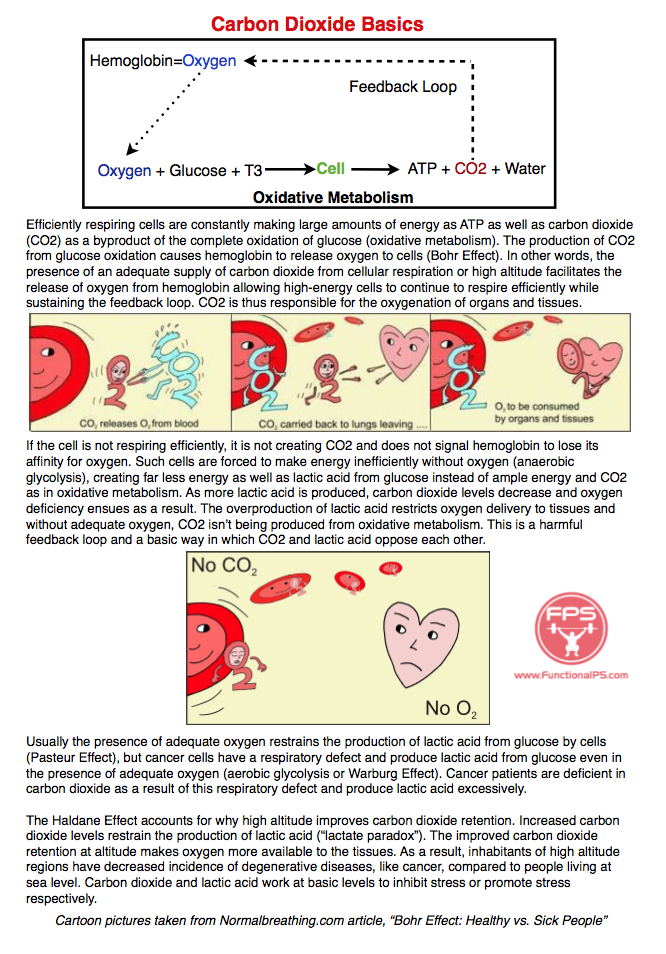
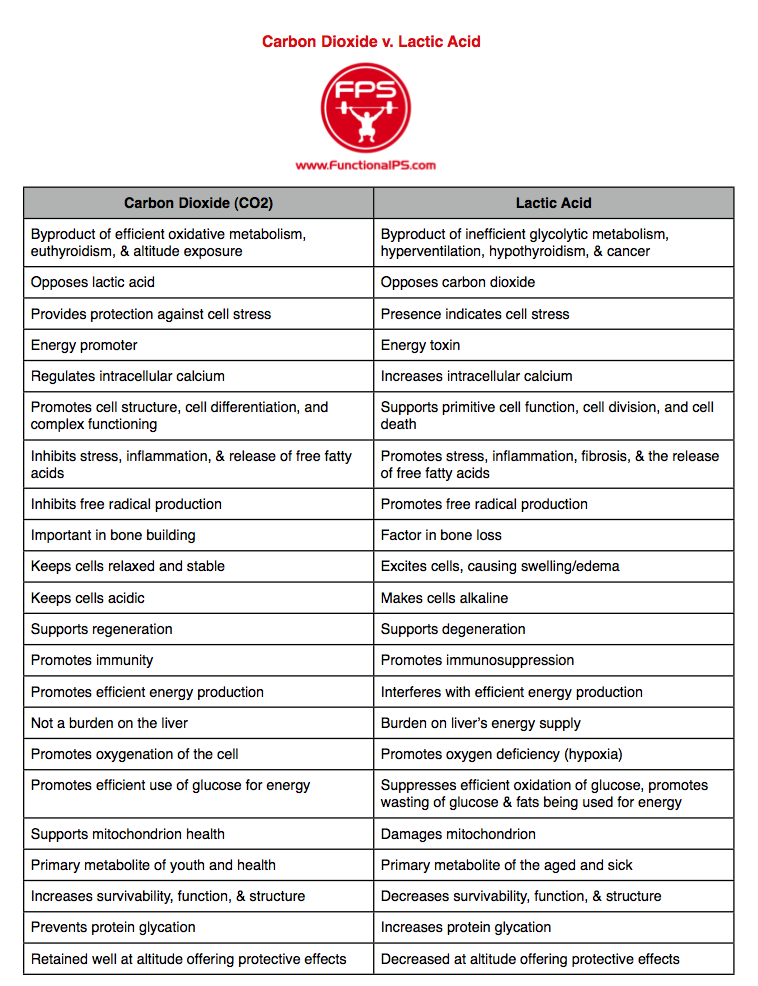
Posted in General.

Tagged with , , , , , , , , , , , , , , .


Unsaturated Fats, Oxidative Stress, and Atherosclerosis

Also see:
Unsaturated Fats and Heart Damage
PUFA, Fish Oil, and Alzheimers
Thyroid Status and Cardiovascular Disease
“Normal” TSH: Marker for Increased Risk of Fatal Coronary Heart Disease
A Cure for Heart Disease
Hypothyroidism and A Shift in Death Patterns
Thyroid Status and Oxidized LDL
Unsaturated Fats and Longevity
PUFA Accumulation & Aging

Arterioscler Thromb Vasc Biol. 1997 Nov;17(11):3236-41.
Prostaglandin F2-like compounds, F2-isoprostanes, are present in increased amounts in human atherosclerotic lesions.
Gniwotta C, Morrow JD, Roberts LJ 2nd, Kühn H.
Oxidative modification of LDL is believed to play a major role in atherogenesis. As major lipid peroxidation products oxygenated linoleic acid derivatives and oxysterols have been described in human atherosclerotic lesions. Here we report that human lesions contain isoprostanes as peroxidation products of arachidonic acid at a level of 27.1 +/- 21.2 pg/mg wet weight (n = 10), which corresponds to 75.9 +/- 59.3 pg/mg dry weight, n contrast, human umbilical veins (n = 10), which were used as nonatherosclerotic control vessels, contain much smaller amounts of isoprostanes (1.4 +/- 0.7 pg/mg wet weight, which corresponds to 11.7 +/- 6.2 pg/mg dry weight), and there are significant differences between the two types of vessels. As major products of linoleic acid oxidation, racemic hydroxy linoleate isomers were detected in the lesional ester lipids. In human lesions, the hydroxy linoleic acid/linoleic acid ratio was about 0.5%, a result indicating that 5 out of 1000 linoleate residues are present as hydroxylated derivatives. In umbilical veins, no hydroxy linoleic acid could be detected. These data show that human atherosclerotic lesions contain increased amounts of hydroxy linoleic acid isomers and isoprostanes when compared with nonatherosclerotic vessel wall and suggest a link between local lipid peroxidation and progression of atherosclerosis. For evaluation of the degree of lipid peroxidation, the determination of the hydroxy linoleic acid/linoleic acid ratio appears to be more suitable than the isoprostane content.

Atherosclerosis. 2003 Mar;167(1):111-20.
Fatty acid oxidation products in human atherosclerotic plaque: an analysis of clinical and histopathological correlates.
Waddington EI, Croft KD, Sienuarine K, Latham B, Puddey IB.
Markers of lipid peroxidative damage have been shown to be elevated in individuals with risk factors for cardiovascular disease, and human atherosclerotic plaque contains products resulting from lipid peroxidation. In particular, the presence of fatty acid oxidation products such as hydroxyeicosatetraenoic acids (HETEs) has previously been suggested as a marker of plaque instability and symptomatic cerebrovascular disease. The aim of the present study was to quantitate the levels of various oxidation products of linoleic acid (HODEs) and arachidonic acid (HETEs), respectively, in human atherosclerotic plaque tissue and assess their level in relation to plaque histopathology, symptoms of cerebrovascular disease and preexisting atherosclerotic risk factors. We also assessed the correlation between the levels of the hydroxy fatty acid compounds and F(2)-isoprostanes, an established marker of in vivo free radical mediated oxidation. Hydroxy fatty acid oxidation products were identified in all histological subtypes of advanced plaque. However, there were no significant differences in levels between the histopathologically classified sub-groups or between patients symptomatic or asymptomatic for cerebrovascular disease. Arachidonic acid oxidation products were significantly higher in those subjects who also had symptomatic peripheral vascular disease. The level of linoleic acid oxidation products was significantly higher in individuals who consumed alcohol on a regular basis. While F(2)-isoprostanes and fatty acid oxidation products were highly correlated (P<0.01), levels of the hydroxy fatty acid compounds were 20-40-fold higher than F(2)-isoprostanes. Chiral analysis of the plaque extracts indicated that all HODEs and HETEs originated primarily from non-enzymatic lipid peroxidation. While our results do not support previous reports that fatty acid oxidation products such as the HETEs are associated with plaque instability and symptomatic cerebrovascular disease, further work is warranted to determine the potential of these compounds as circulating markers for underlying atherosclerotic disease and lipid peroxidative stress.

Anal Biochem. 2001 May 15;292(2):234-44.
Identification and quantitation of unique fatty acid oxidation products in human atherosclerotic plaque using high-performance liquid chromatography.
Waddington E, Sienuarine K, Puddey I, Croft K.
Oxidation of lipoproteins, particularly low-density lipoprotein, is thought to play a major role in the development of atherosclerosis. We set out to identify and quantitate the major fatty acid oxidation products in human atherosclerotic plaque obtained from individuals undergoing carotid endarterectomy. Oxidized lipids were extracted from plaque homogenate under conditions to prevent artifactual oxidation. Identification and quantitation was performed using HPLC and GC-MS. High levels of hydroxyoctadecanoic acids (0.51 +/- 0.17 ng/microg of linoleic acid), 15-hydroxyeicosatetranoic acid (HETE) (0.66 +/- 0.24 ng/microg of arachidonic acid), and 11-HETE (0.84 +/- 0.24 ng/microg of arachidonic acid) were detected in all atherosclerotic plaques (n = 10). Low levels of 9-oxo-octadecanoic acid (oxoODE) (0.04 +/- 0.01 ng/microg of linoleic acid), were present in all samples, while 13-oxoODE (0.01 +/- 0.008 ng/microg of linoleic acid) was present in only 4 of the 10 plaque samples. Of interest was the identification of two previously unidentified compounds in atherosclerotic plaque, 11-oxo-eicosatetranoic acid in 9 of the 10 samples and 5,6-dihydroxyeicosatetranoic acid in 3 samples. Chiral analysis revealed that all the major compounds identified in this study are of a nonenzymatic origin. This study is the first to provide a convenient HPLC method to quantify all the products of both linoleic acid and arachidonic acid oxidation in human atherosclerotic plaque. The quantitation of lipid peroxidation products in plaque may be important given the potential biological activity of these compounds and their possible relationship to plaque pathogenesis and instability.

Free Radic Biol Med. 2006 Dec 1;41(11):1678-83. Epub 2006 Sep 8.
Systemic elevations of free radical oxidation products of arachidonic acid are associated with angiographic evidence of coronary artery disease.
Shishehbor MH, Zhang R, Medina H, Brennan ML, Brennan DM, Ellis SG, Topol EJ, Hazen SL.
Oxidant stress is widely believed to participate in cardiovascular disease pathogenesis. However, progress in defining appropriate systemic antioxidant targeted therapies has been hindered by uncertainty in defining clinically relevant systemic oxidant stress measures. In a case control study, 50 subjects with CAD (>50% stenosis in one or more major coronary vessels) and 54 without CAD (<30% stenosis in all major coronary vessels) were tested. Plasma was isolated and stored under conditions designed to prevent artificial lipid peroxidation. Systemic levels of multiple (n=9) specific fatty acid oxidation products including individual hydroxyoctadecadienoic acids (HODEs), hydroxyeicosatetraenoic acids (HETEs), and F(2)-isoprostanes were simultaneously measured by high-performance liquid chromatography (HPLC) with on-line tandem mass spectrometry, along with traditional risk factors and C-reactive protein (CRP) levels. Of the markers monitored, only 9-HETE and F(2)-isoprostanes, both products of free radical-mediated arachidonic acid oxidation, were significantly elevated in patients with angiographically defined CAD (9-HETE, 8.7 +/- 4 vs 6.8 +/- 4 micromol/mol arachidonate, P = 0.011; and F(2)-isoprostanes, 9.4 +/- 5 vs 6.2 +/- 3 micromol/mol arachidonate, P < 0.001). In multivariable analyses with simultaneous adjustment for Framingham risk score and C-reactive protein, 9-HETE (4th quartile OR = 4.8, 95% CI=1.3 to 17.1; P = 0.016) and F(2)-isoprostanes (4th quartile OR=9.7, 95% CI=2.56 to 36.9; P < 0.001) remained strong and independent predictors of CAD risk. Systemic levels of 9-HETE and F(2)-isoprostanes are independently associated with angiographic evidence of CAD and appear superior to other specific oxidation products of arachidonic and linoleic acids as predictors of the presence of angiographically evident coronary artery disease.

Lancet. 1994 Oct 29;344(8931):1195-6.
Dietary polyunsaturated fatty acids and composition of human aortic plaques.
Felton CV, Crook D, Davies MJ, Oliver MF.
How long-term dietary intake of essential fatty acids affects the fatty-acid content of aortic plaques is not clear. We compared the fatty-acid composition of aortic plaques with that of post-mortem serum and adipose tissue, in which essential fatty-acid content reflects dietary intake. Positive associations were found between serum and plaque omega 6 (r = 0.75) and omega 3 (r = 0.93) polyunsaturated fatty acids, and monounsaturates (r = 0.70), and also between adipose tissue and plaque omega 6 polyunsaturated fatty acids (r = 0.89). No associations were found with saturated fatty acids. These findings imply a direct influence of dietary polyunsaturated fatty acids on aortic plaque formation and suggest that current trends favouring increased intake of polyunsaturated fatty acids should be reconsidered.

========================
Established role of isoprostanes, formed from arachidonic acid, in disease and marker for oxidative stress.

Rev Med Interne. 2000 Mar;21(3):304-7.
[Isoprostanes: new markers of oxidative stress. Fundamental and clinical aspects].
[Article in French]
Cracowski JL, Stanke-Labesque F, Bessard G.
A novel family of prostaglandin F2 isomers, called F2-isoprostanes, produced in large quantities in vivo by a free radical peroxidation of arachidonic acid, has recently been described. The quantification of the two major isoforms (isoprostaglandin F2alpha type-III and VI) in biological fluids and tissues as markers of lipid peroxidation appears to be an important advance in our ability to explore the role of free radicals in the pathogenesis of human disease. In addition, F2-isoporstanes quantification seems promising as intermediate endpoints for clinical studies of antioxidant therapies.

Presse Med. 2000 Mar 25;29(11):604-10.
[Isoprostanes: new markers of oxidative stress in human diseases].
[Article in French]
Cracowski JL, Stanke-Labesque F, Souvignet C, Bessard G.
BACKGROUND:
Most of the traditional methods used to assess oxidative stress in clinical setting are non specific, unreliable or inaccurate. Recently, a novel family of prostaglandin F2 isomers, called F2-isoprostanes, produced in vivo by a free radical peroxidation of arachidonic acid, has been described. These compounds may produce physiological or pathological effects due to their ability to alter smooth muscle and platelet functions. The quantification of the two major isoforms (isoprostaglandin F2 alpha type-III and VI) in biological fluids and tissues as markers of lipid peroxidation appears to be an important advance in our ability to explore the role of free radicals in the pathogenesis of human disease.
CLINICAL DATA:
Urinary excretion of F2-isoprostanes is correlated with age, indicating increased oxidative stress during the normal aging process. High F2-isoprostanes concentration has been described in diseases such as ischemic heart disease, diabetes, Alzheimer’s disease and hepatic cirrhosis. The correlation of F2-isoprostane concentrations and human diseases severity in hepatic cirrhosis, cardiac failure and diabetes suggest that these compounds may be of interest as predictive markers.
PERSPECTIVES:
Preliminary studies suggest the use of F2-isoprostanes as prognosis markers. In addition, F2-isoprostanes quantification offers promising potential as intermediate endpoints for clinical studies of antioxidant therapies.

Posted in General.

Tagged with , , , , , , , , , , , , , .


California Strength: How to Snatch & Clean

Snatch

Clean

Posted in General.

Tagged with , .


Toxic Plant Estrogens

Also see:
20 Foods High In Estrogen (Phytoestrogens)
Plant Toxins in Response to Stress
Estrogen, Progesterone, and Fertility
Quotes: Thyroid, Estrogen, Menstrual Symptoms, PMS, and Infertility
Hormonal profiles in women with breast cancer
Alcohol Consumption – Estrogen and Progesterone In Women
Estrogen, Endotoxin, and Alcohol-Induced Liver Injury
Soy and Behavior
Baby Formula, Soy, and Immunosuppression
Estrogen Levels Increase with Age
Fat Tissue and Aging – Increased Estrogen
Estrogen Related to Loss of Fat Free Mass with Aging
PUFA Increases Estrogen
PUFA Inhibit Glucuronidation
PUFA Promote Cancer
Maternal PUFA Intake Increases Breast Cancer Risk in Female Offspring

“The phytoestrogens appear to pose a risk to organs besides the breast and uterus, for example the liver, colon, and pancreas, which isn’t surprising, since estrogen is known to be carcinogenic for every tissue. And carcinogenesis, like precancerous changes, mutations, and reduced repair of DNA, is probably just an incidental process in the more general toxic effect of acceleration of aging.” -Ray Peat, PhD

“Twenty-five years ago I reviewed many of the issues of estrogen’s toxicity, and the ubiquity of estrogenic substances, and since then have regularly spoken about it, but I haven’t concentrated much attention on the phytoestrogens, because we can usually just choose foods that are relatively free of them. They are so often associated with other food toxins–antithyroid factors, inhibitors of digestive enzymes, immunosuppressants, etc.–that the avoidance of certain foods is desirable.” -Ray Peat, PhD

“Protein deficiency itself contributes to the harm done by toxins, since the liver’s ability to detoxify them depends on adequate nutrition, especially good protein. In the 1940s, Biskind’s experiments showed that protein deficiency leads to the accumulation of estrogen, because the liver normally inactivates all the estrogen in the blood as it passes through the liver. This applies to phytoestrogens and industrial estrogens as well as to the natural estrogens of the body. At a certain point, the increased estrogen and decreased thyroid and progesterone cause infertility, but before that point is reached, the hyperestrogenism causes a great variety of birth defects. Deformities of the male genitals, and later, testicular cancer in the sons and breast cancer in the daughters, are produced by the combination of toxins and nutritional deficiencies.” -Ray Peat, PhD

Nihon Naibunpi Gakkai Zasshi. 1991 May 20;67(5):622-9.
[The effects on the thyroid gland of soybeans administered experimentally in healthy subjects].
[Article in Japanese]
Ishizuki Y, Hirooka Y, Murata Y, Togashi K.
To elucidate whether soybeans would suppress the thyroid function in healthy adults, we selected 37 subjects who had never had goiters or serum antithyroid antibodies. They were given 30g of soybeans everyday and were divided into 3 groups subject to age and duration of soybean administration. In group 1, 20 subjects were given soybeans for 1 month. Groups 2 and 3 were composed of 7 younger subjects (mean 29 y.o.) and 10 elder subjects (mean 61 y.o.) respectively, and the subjects belonging to these groups received soybeans for 3 months. The Wilcoxon-test and t-test were used in the statistical analyses. In all groups, the various parameters of serum thyroid hormones remained unchanged by taking soybeans, however TSH levels rose significantly although they stayed within normal ranges. The TSH response after TRH stimulation in group 3 revealed a more significant increase than that in group 2, although inorganic iodide levels were lowered during the administration of the soybeans. We have not obtained any significant correlation between serum inorganic iodide and TSH. Hypometabolic symptoms (malaise, constipation, sleepiness) and goiters appeared in half the subjects in groups 2 and 3 after taking soybeans for 3 months, but they disappeared 1 month after the cessation of soybean ingestion. These findings suggested that excessive soybean ingestion for a certain duration might suppress thyroid function and cause goiters in healthy people, especially elderly subjects.

Oncol Rep. 1998 May-Jun;5(3):609-16.
Maternal genistein exposure mimics the effects of estrogen on mammary gland development in female mouse offspring.
Hilakivi-Clarke L, Cho E, Clarke R.
Human and animal data indicate that a high maternal estrogen exposure during pregnancy increases breast cancer risk among daughters. This may reflect an increase in the epithelial structures that are the sites for malignant transformation, i.e., terminal end buds (TEBs), and a reduction in epithelial differentiation in the mammary gland. Some phytoestrogens, such as genistein which is a major component in soy-based foods, and zearalenone, a mycotoxin found in agricultural products, have estrogenic effects on the reproductive system, breast and brain. The present study examined whether in utero exposure to genistein or zearalenone influences mammary gland development. Pregnant mice were injected daily with i) 20 ng estradiol (E2); ii) 20 microg genistein; iii) 2 microg zearalenone; iv) 2 microg tamoxifen (TAM), a partial estrogen receptor agonist; or v) oil-vehicle between days 15 and 20 of gestation. E2, genistein, zearalenone, and tamoxifen all increased the density of TEBs in the mammary glands. Genistein reduced, and zearalenone increased, epithelial differentiation. Zearalenone also increased epithelial density, when compared with the vehicle-controls. None of the treatments had permanent effects on circulating E2 levels. Maternal exposure to E2 accelerated body weight gain, physical maturation (eyelid opening), and puberty onset (vaginal opening) in the female offspring. Genistein and tamoxifen had similar effects on puberty onset than E2. Zearalenone caused persistent cornification of the estrus smears. These findings indicate that maternal exposure to physiological doses of genistein mimics the effects of E2 on the mammary gland and reproductive systems in the offspring. Thus, our results suggest that genistein acts as an estrogen in utero, and may increase the incidence of mammary tumors if given through a pregnant mother. The estrogenic effects of zearalenone on the mammary gland, in contrast, are probably counteracted by the permanent changes in estrus cycling.

J Nutr. 1995 Mar;125(3 Suppl):771S-776S.
Potential adverse effects of phytoestrogens.
Whitten PL, Lewis C, Russell E, Naftolin F.
Evaluation of the potential benefits and risks offered by naturally occurring plant estrogens requires investigation of their potency and sites of action when consumed at natural dietary concentrations. Our investigations have examined the effects of a range of natural dietary concentrations of the most potent plant isoflavonoid, coumestrol, using a rat model and a variety of estrogen-dependent tissues and endpoints. Treatments of immature females demonstrated agonistic action in the reproductive tract, brain, and pituitary at natural dietary concentrations. Experiments designed to test for estrogen antagonism demonstrated that coumestrol did not conform to the picture of a classic antiestrogen. However, coumestrol did suppress estrous cycles in adult females. Developmental actions were examined by neonatal exposure of pups through milk of rat dams fed a coumestrol, control, or commercial soy-based diet during the critical period of the first 10 postnatal days or throughout the 21 days of lactation. The 10-day treatment did not significantly alter adult estrous cyclicity, but the 21-day treatment produced in a persistent estrus state in coumestrol-treated females by 132 days of age. In contrast, the 10-day coumestrol treatments produced significant deficits in the sexual behavior of male offspring. These findings illustrate the broad range of actions of these natural estrogens and the variability in potency across endpoints. This variability argues for the importance of fully characterizing each phytoestrogen in terms of its sites of action, balance of agonistic and antagonistic properties, natural potency, and short-term and long-term effects.

J Clin Endocrinol Metab. 1995 May;80(5):1685-90.
Dietary intervention study to assess estrogenicity of dietary soy among postmenopausal women.
Baird DD, Umbach DM, Lansdell L, Hughes CL, Setchell KD, Weinberg CR, Haney AF, Wilcox AJ, Mclachlan JA.
We tested the hypothesis that postmenopausal women on a soy-supplemented diet show estrogenic responses. Ninety-seven postmenopausal women were randomized to either a group that was provided with soy foods for 4 weeks or a control group that was instructed to eat as usual. Changes in urinary isoflavone concentrations served as a measure of compliance and phytoestrogen dose. Changes in serum FSH, LH, sex hormone binding globulin, and vaginal cytology were measured to assess estrogenic response. The percentage of vaginal superficial cells (indicative of estrogenicity) increased for 19% of those eating the diet compared with 8% of controls (P = 0.06 when tested by ordinal logistic regression). FSH and LH did not decrease significantly with dietary supplementation as hypothesized, nor did sex hormone binding globulin increase. Little change occurred in endogenous estradiol concentration or body weight during the diet. Women with large increases in urinary isoflavone concentrations were not more likely to show estrogenic responses than were women with more modest increases. On the basis of published estimates of phytoestrogen potency, a 4-week, soy-supplemented diet was expected to have estrogenic effects on the liver and pituitary in postmenopausal women, but estrogenic effects were not seen. At most, there was a small estrogenic effect on vaginal cytology.

Proc Soc Exp Biol Med. 1995 Jan;208(1):92-7.
Clinical changes in ovariectomized ewes exposed to phytoestrogens and 17 beta-estradiol implants.
Nwannenna AI, Lundh TJ, Madej A, Fredriksson G, Björnhag G.
Eight Swedish Finewool Landrace ewes, ovariectomized 5 months earlier and kept on nonestrogenic hay, were each fed 3.5 kg red clover silage, corresponding to 6.1 g phytoestrogens (of which 3.5 g was formononetin) per day, for 14 days in November (short days). In January (short days), two groups (3 each) of these ewes received one or two 17 beta-estradiol sc implants. In May (long days), one of two new groups (4 each) of these ewes was reexposed to phytoestrogens for another 14 days while the other served as a control. Physical examination of ewes for changes in reproductive organs was carried out two or three times per week during each feeding/treatment, and continued until observed changes disappeared. Clinically significant changes occurred in the reproductive organs of ewes fed red clover. Vulva color changed from pale to pink and red, and there were enlargements of the vulva, uterus, and udder. In addition, teat length and circumference increased, and secretion of milky fluid began. These changes were similar, but more pronounced during treatment with 17 beta-estradiol, particularly teat circumference. The changes in vulva were more dramatic in May than in November and resembled those observed in ewes treated with estradiol. Our data show that a daily intake of 3.5 g formononetin for 14 days caused the increase of teat size and changes in the color of the vulva and in uterus weight in ovariectomized ewes.

Proc Soc Exp Biol Med. 1995 Jan;208(1):6-12.
Chemical studies of phytoestrogens and related compounds in dietary supplements: flax and chaparral.
Obermeyer WR, Musser SM, Betz JM, Casey RE, Pohland AE, Page SW.
High-performance liquid chromatographic (HPLC) and mass spectrometric (MS) procedures were developed to determine lignans in flaxseed (Linum usitatissimum) and chaparral (Larrea tridentata). Flaxseed contains high levels of phytoestrogens. Chaparral has been associated with acute nonviral toxic hepatitis and contains lignans that are structurally similar to known estrogenic compounds. Both flaxseed and chaparral products have been marketed as dietary supplements. A mild enzyme hydrolysis procedure to prevent the formation of artifacts in the isolation step was used in the determination of secoisolariciresinol in flaxseed products. HPLC with ultraviolet spectral (UV) or MS detection was used as the determinative steps. HPLC procedures with UV detection and mass spectrometry were developed to characterize the phenolic components, including lignans and flavonoids, of chaparral and to direct fractionation studies for the bioassays.

Proc Soc Exp Biol Med. 1995 Jan;208(1):98-102.
The phytoestrogen congeners of alcoholic beverages: current status.
Gavaler JS, Rosenblum ER, Deal SR, Bowie BT.
The idea that alcoholic beverages might contain biologically active phytoestrogenic congeners stemmed from findings of overt feminization observed in alcoholic men with alcohol-induced cirrhosis. Specifically, in addition to being hypogonadal, these chronically alcohol-abusing men with cirrhosis frequently manifest gynecomastia, palmar erythema, spider angiomata, and a female escutcheon. These physical signs of exposure to active estrogen occur in the presence of normal or only minimally elevated levels of endogenous steroid estrogens. Because levels of circulating steroid hormones failed to provide a satisfactory explanation for the feminization observed, alternate explanations were considered. If the estrogenization observed was not entirely a function of tissue expose to steroid estrogens produced endogenously, then perhaps tissues were being exposed to exogenous estrogenic substances from dietary sources. Given the degree of alcohol abuse in the population in which hypotheses for feminization were being formed, alcoholic beverages became a prime candidate as a dietary source of exogenous estrogenic substances.

Steroids. 1994 Jul;59(7):443-9.
Influence of phytoestrogen diets on estradiol action in the rat uterus.
Whitten PL, Russell E, Naftolin F.
The influence of coumestrol on the action of estradiol was examined in oral and parenteral tests. Coumestrol did not antagonize the uterotrophic action of estradiol when administered either prior to, or jointly with, E2 treatment, or when administered orally or parenterally. Additive effects on estradiol stimulation of uterine weight and reduction of cytosolic estrogen receptor binding were observed following oral, but not parenteral, administration of coumestrol. On the other hand, coumestrol pretreatment did appear to dampen estradiol’s induction of progestin receptors, uterine protein, and nuclear estrogen receptor binding. However, even at those endpoints where coumestrol pretreatment did dampen estradiol action, coumestrol itself produced an estrogenic response. These findings contradict the assumption that all phytoestrogens are necessarily antiproliferative agents and argue for specific identification of the actions of each chemical.

The estrogens in clover have been known for several decades to have a contraceptive action in sheep, and other phytoestrogens are known to cause deformities in the genitals, feminization of men, and anatomical changes in the brain as well as functional masculinization of the female brain. -Ray Peat, PhD

J Anim Sci. 1995 May;73(5):1509-15.
Detection of the effects of phytoestrogens on sheep and cattle.
Adams NR.
Cows and ewes fed estrogenic forage may suffer impaired ovarian function, often accompanied by reduced conception rates and increased embryonic loss. Males are relatively unaffected, but the mammary glands in females and castrate males may undergo hypertrophy of the duct epithelium, accompanied by secretion of clear or milky fluid. In cows, clinical signs resemble those associated with cystic ovaries. The infertility is temporary, normally resolving within 1 mo after removal from the estrogenic feed. However, ewes exposed to estrogen for prolonged periods may suffer a second form of infertility that is permanent, caused by developmental actions of estrogen during adult life. The cervix becomes defeminized and loses its ability to store spermatozoa, so conception rates are reduced, although ovarian function remains normal. Importantly, both temporary and permanent infertility in ewes often occur without observable signs and can be detected only by measurement of phytoestrogens in the diet, or measurement of their effects on the animal. Low background concentrations of dietary phytoestrogens are suggested to play an important role in prevention of disease in humans and laboratory rats, but subclinical effects of phytoestrogens in cattle have not yet been described. Effects of low concentrations of phytoestrogens on reproductive function in ruminants are likely to receive increasing attention.

Proc Soc Exp Biol Med. 1995 Jan;208(1):87-91.
Organizational and activational effects of phytoestrogens on the reproductive tract of the ewe.
Adams NR.
Ewes exposed to phytoestrogens may display two forms of infertility, categorized as temporary or permanent. Temporary infertility results from actions of estrogen that are similar to the activational effects of estrogen in most species of mammals. The permanent infertility results from changes to the cervix which are analogous to the organizational effects of estrogen reported in other species treated during organogenesis. However, in the ewe these effects may be produced after organogenesis by prolonged treatment during adult life. It has recently become apparent that the level of nutrition and metabolic hormones influence the degree of uterus-like histological change in the cervix produced by prolonged treatment with estrogen. It is hypothesized that, under some nutritional conditions, the hormonal milieu in adult ewes may simulate hormonal patterns that are normally experienced by fetal lambs in utero, thereby allowing the cervix of the adult ewe to give an organizational response to estrogen.

J Endocrinol. 1981 Jun;89(3):365-70.
Oestrogen receptors and metabolic activity in the genital tract after ovariectomy of ewes with permanent infertility caused by exposure to phytooestrogens.
Tang BY, Adams NR.
Characteristics of the uterus and cervix after ovariectomy of ewes with permanent phytooestrogen infertility (PPI) were compared with controls. Ewes with PPI had more oestrogen-binding sites in the cervix, but not in the uterus. There was no difference between the two groups of ewes in the binding affinity constant of receptors from the uterus or cervix. There were more keratinized cells in the vaginal epithelium of ewes with PPI, and the rates of protein and glycoprotein synthesis in the uterus and cervix were higher in ewes with PPI. These results offer further evidence that PPI in adult ewes is similar to the “persistent oestrus’ syndrome in rodents oestrogenized neonatally.

Acta Vet Scand. 1994;35(2):173-83.
Effects of oestrogenic silage on some clinical and endocrinological parameters in ovariectomized heifers.
Nwannenna AI, Madej A, Lundh TJ, Fredriksson G.
The influence of phytoestrogens was studied in 3 ovariectomized Swedish Friesian heifers fed 20 kg of 100% red clover silage per heifer/day for 14 days. Behaviour, reproductive organs and pituitary response to exogenous gonadotropin-releasing hormone (GnRH) injections were monitored. Clinical effects like oedema and mucous discharge in the vulva, presence of milky fluid in the mammae and increases in teat size and the cross-sectional distance of the uterus were observed in heifers fed red clover silage. Fluid accumulation in the uterus, visualized by means of ultrasonography, had still not disappeared 30 days after the red clover silage had been completely withdrawn. Red clover silage appeared to reduce the magnitude and duration of the pituitary response to GnRH injections.

J Reprod Fertil Suppl. 1981;30:223-30.
A changed responsiveness to oestrogen in ewes with clover disease.
Adams NR.
When clover-infertile ewes are subsequently exposed to non-oestrogenic pasture, they have a reduced fertilization rate, due to an inability to store spermatozoa in the cervix, and the cervical mucus has a reduced spinnbarkeit, caused by a slower response to oestrogenic stimulation. Vaginal cell keratinization and oestrous behaviour occurred more slowly after treatment of affected ewes with oestrogen. Other changes in affected ewes suggest that phyto-oestrogens have permanent mild differentiating effects on adults. Sexual behaviour is masculinized, the cervix takes on a uterine-like appearance and the genital tract becomes permanently oestrogenized. The manner in which these changes relate to the altered responsiveness to oestrogen remains to be clarified.

Ginecol Obstet Mex. 1998 Mar;66:111-8.
[Estrogens of vegetable origin].
[Article in Spanish]
Rubio Lotvin B.
In recent years, estrogens of vegetable origin have acquired some importance that justify the presentation of the available data. The compounds that have estrogenic effect when ingested as food through vegetables include isoflavones, lignines and lactones. The review comprises their chemical structure, metabolism and excretion as well as their effect on plasmatic levels of estrogens FSH, LH and SHBG as well as their activity over lipoproteins and, naturally, their action on menopause symptoms and breast cancer.

J Toxicol Environ Health. 1997 Jan;50(1):1-29.
Biochemical and molecular changes at the cellular level in response to exposure to environmental estrogen-like chemicals.
Roy D, Palangat M, Chen CW, Thomas RD, Colerangle J, Atkinson A, Yan ZJ.
Estrogen-like chemicals are unique compared to nonestrogenic xenobiotics, because in addition to their chemical properties, the estrogenic property of these compounds allows them to act like sex hormones. Whether weak or strong, the estrogenic response of a chemical, if not overcome, will add extra estrogenic burden to the system. At elevated doses, natural estrogens and environmental estrogen-like chemicals are known to produce adverse effects. The source of extra or elevated concentration of estrogen could be either endogenous or exogenous. The potential of exposure for humans and animals to environmental estrogen-like chemicals is high. Only a limited number of estrogen-like compounds, such as diethylstilbestrol (DES), bisphenol A, nonylphenol, polychlorinated biphenyls (PCBs), and dichlorodiphenyltrichloroethane (DDT), have been used to assess the biochemical and molecular changes at the cellular level. Among them, DES is the most extensively studied estrogen-like chemical, and therefore this article is focused mainly on DES-related observations. In addition to estrogenic effects, environmental estrogen-like chemicals produce multiple and multitype genetic and/or nongenetic hits. Exposure of Syrian hamsters to stilbene estrogen (DES) produces several changes in the nuclei of target organ for carcinogenesis (kidney): (1) Products of nuclear redox reactions of DES modify transcription regulating proteins and DNA; (2) transcription is inhibited; (3) tyrosine phosphorylation of nuclear proteins, including RNA polymerase II, p53, and nuclear insulin-like growth factor-1 receptor, is altered; and (4) DNA repair gene DNA polymerase beta transcripts are decreased and mutated. Exposure of Noble rats to DES also produces several changes in the mammary gland: proliferative activity is drastically altered; the cell cycle of mammary epithelial cells is perturbed; telomeric length is attenuated; etc. It appears that some other estrogenic compounds, such as bisphenol A and nonylphenol, may also follow a similar pattern of effects to DES, because we have recently shown that these compounds alter cell cycle kinetics, produce telomeric associations, and produce chromosomal aberrations. Like DES, bisphenol A after metabolic activation is capable of binding to DNA. However, it should be noted that a particular or multitype hit(s) will depend upon the nature of the environmental estrogen-like chemical. The role of individual attack leading to a particular change is not clear at this stage. Consequences of these multitypes of attack on the nuclei of cells could be (1) nuclear toxicity/cell death; (2) repair of all the hits and then acting as normal cells; or (3) sustaining most of the hits and acting as unstable cells. Proliferation of the last type of cell is expected to result in transformed cells.

Environ Health Perspect. 1997 Apr;105 Suppl 3:633-6.
Dietary estrogens stimulate human breast cells to enter the cell cycle.
Dees C, Foster JS, Ahamed S, Wimalasena J.
It has been suggested that dietary estrogens neutralize the effect of synthetic chemicals that mimic the effects of estrogen (i.e., xenoestrogens, environmental estrogens). Genistein, a dietary estrogen, inhibits the growth of breast cancer cells at high doses but additional studies have suggested that at low doses, genistein stimulates proliferation of breast cancer cells. Therefore, if dietary estrogens are estrogenic at low doses, one would predict that they stimulate estrogen-receptor positive breast cancer cells to enter the cell cycle. Genistein and the fungal toxin zearalenone were found to increase the activity of cyclin dependent kinase 2 (Cdk2) and cyclin D1 synthesis and stimulate the hyperphosphorylation of the retinoblastoma susceptibility gene product pRb105 in MCF-7 cells. The steroidal antiestrogen ICI 182,780 suppressed dietary estrogen-mediated activation of Cdk2. Dietary estrogens not only failed to suppress DDT-induced Cdk2 activity, but were found to slightly increase enzyme activity. Both zearalenone and genistein were found to stimulate the expression of a luciferase reporter gene under the control of an estrogen response element in MVLN cells. Our findings are consistent with a conclusion that dietary estrogens at low concentrations do not act as antiestrogens, but act like DDT and estradiol to stimulate human breast cancer cells to enter the cell cycle.

Nutr Cancer. 2006;54(2):184-201.
Phytoestrogen content of foods consumed in Canada, including isoflavones, lignans, and coumestan.
Thompson LU, Boucher BA, Liu Z, Cotterchio M, Kreiger N.
Phytoestrogens may play a role in hormone-related diseases such as cancer, but epidemiological and clinical data are conflicting in part due to inadequate databases used in intake estimation. A database of nine phytoestrogens in foods relevant to Western diets was developed to more accurately estimate intakes. Foods (N = 121) available in Ontario, Canada were prepared as commonly consumed and analyzed for isoflavones (genistein, daidzein, glycitein, formononetin), lignans (secoisolariciresinol, matairesinol, pinoresinol, lariciresinol), and coumestan (coumestrol) using gas chromatography-mass spectrometry methods. Data were presented on an as is (wet) basis per 100 g and per serving. Food groups with decreasing levels of total phytoestrogens per 100 g are nuts and oilseeds, soy products, cereals and breads, legumes, meat products, and other processed foods that may contain soy, vegetables, fruits, alcoholic, and nonalcoholic beverages. Soy products contain the highest amounts of isoflavone, followed by legumes, meat products and other processed foods, cereals and breads, nuts and oilseeds, vegetables, alcoholic beverages, fruits, and nonalcoholic beverages. Decreasing amounts of lignans are found in nuts and oilseeds, cereals and breads, legumes, fruits, vegetables, soy products, processed foods, alcoholic, and nonalcoholic beverages. The richest sources of specific phytoestrogens, including coumestrol, were identified. The database will improve phytoestrogen intake estimation in future epidemiological and clinical studies particularly in Western populations.

Posted in General.

Tagged with , , , , , , , , , , , , , , , , , , , , , , , , , .


Menopausal Estrogen Therapy Lowers Body Temperature

Also see:
Inflammation from Decrease in Body Temperature
Melatonin Lowers Body Temperature
Temperature and Pulse Basics & Monthly Log
Thyroid, Temperature, Pulse
Ray Peat, PhD on Thyroid, Temperature, Pulse, and TSH

J Appl Physiol. 1997 Aug;83(2):477-84.
Chronic hormone replacement therapy alters thermoregulatory and vasomotor function in postmenopausal women.
Brooks EM, Morgan AL, Pierzga JM, Wladkowski SL, O’Gorman JT, Derr JA, Kenney WL.
This investigation examined effects of chronic (>/=2 yr) hormone replacement therapy (HRT), both estrogen replacement therapy (ERT) and estrogen plus progesterone therapy (E+P), on core temperature and skin blood flow responses of postmenopausal women. Twenty-five postmenopausal women [9 not on HRT (NO), 8 on ERT, 8 on E+P] exercised on a cycle ergometer for 1 h at an ambient temperature of 36 degrees C. Cutaneous vascular conductance (CVC) was monitored by laser-Doppler flowmetry, and forearm vascular conductance (FVC) was measured by using venous occlusion plethysmography. Iontophoresis of bretylium tosylate was performed before exercise to block local vasoconstrictor (VC) activity at one skin site on the forearm. Rectal temperature (Tre) was approximately 0.5 degrees C lower for the ERT group (P < 0.01) compared with E+P and NO groups at rest and throughout exercise. FVC: mean body temperature (Tb) and CVC: Tb curves were shifted approximately 0.5 degrees C leftward for the ERT group (P < 0.0001). Baseline CVC was significantly higher in the ERT group (P < 0.05), but there was no interaction between bretylium treatment and groups once exercise was initiated. These results suggest that 1) chronic ERT likely acts centrally to decrease Tre, 2) ERT lowers the Tre at which heat-loss effector mechanisms are initiated, primarily by actions on active cutaneous vasodilation, and 3) addition of exogenous progestins in HRT effectively blocks these effects.

Posted in General.

Tagged with , , , , , , , , .