A scene from the “Wild South America” episode, Amazon Jungle. This shows how leaves and seeds in the rain forest have become very poisonous to protect themselves from being eaten. The animals, however, have gone one better and found a way to protect themselves from the toxins, they eat clay. This is truly a remarkable behaviour rarely seen in the wild like this.
Wild South America – Amazon Jungle – Clay Lick
Posted in General.
Comments Off on Wild South America – Amazon Jungle – Clay Lick
– March 19, 2012
Gelatin, Glycine, and Metabolism
Also see:
Thyroid peroxidase activity is inhibited by amino acids
Whey, Tryptophan, & Serotonin
Tryptophan, Fatigue, Training, and Performance
Carbohydrate Lowers Free Tryptophan
Protective Glycine
Gelatin > Whey
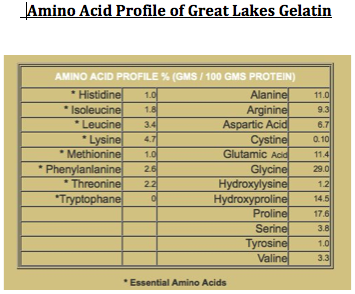
J Biosci. 2009 Dec;34(6):853-72.
A weak link in metabolism: the metabolic capacity for glycine biosynthesis does not satisfy the need for collagen synthesis.
Meléndez-Hevia E, De Paz-Lugo P, Cornish-Bowden A, Cárdenas ML.
In a previous paper, we pointed out that the capability to synthesize glycine from serine is constrained by the stoichiometry of the glycine hydroxymethyltransferase reaction, which limits the amount of glycine produced to be no more than equimolar with the amount of C 1 units produced. This constraint predicts a shortage of available glycine if there are no adequate compensating processes. Here, we test this prediction by comparing all reported fl uxes for the production and consumption of glycine in a human adult. Detailed assessment of all possible sources of glycine shows that synthesis from serine accounts for more than 85% of the total, and that the amount of glycine available from synthesis, about 3 g/day, together with that available from the diet, in the range 1.5-3.0 g/day, may fall significantly short of the amount needed for all metabolic uses, including collagen synthesis by about 10 g per day for a 70 kg human. This result supports earlier suggestions in the literature that glycine is a semi-essential amino acid and that it should be taken as a nutritional supplement to guarantee a healthy metabolism.
Props to Payman Zamani on Facebook for the find.
Posted in General.
Comments Off on Gelatin, Glycine, and Metabolism
– March 12, 2012
Anaerobic Respiration
There’s no timesies in tiger hunts.
Posted in General.
Comments Off on Anaerobic Respiration
– March 4, 2012
Exercise Induced Stress
Also see:
Exercise and Endotoxemia
Can Endurance Sports Really Cause Harm? The Lipopolysaccharides of Endotoxemia and Their Effect on the Heart
Carbohydrate Lowers Exercise Induced Stress
Low carb + intensive training = fall in testosterone levels
Exercise and Effect on Thyroid Hormone
Exercise Induced Menstrual Disorders
Ray Peat, PhD: Quotes Relating to Exercise
Ray Peat, PhD and Concentric Exercise
Potential Adverse Cardiovascular Effects from Excessive Endurance Exercise
Running on Empty
Marathon running may cause short-term kidney injury
Mayo Clin Proc. 2012 Jun;87(6):587-95. doi: 10.1016/j.mayocp.2012.04.005.
Potential adverse cardiovascular effects from excessive endurance exercise.
O’Keefe JH, Patil HR, Lavie CJ, Magalski A, Vogel RA, McCullough PA.
A routine of regular exercise is highly effective for prevention and treatment of many common chronic diseases and improves cardiovascular (CV) health and longevity. However, long-term excessive endurance exercise may induce pathologic structural remodeling of the heart and large arteries. Emerging data suggest that chronic training for and competing in extreme endurance events such as marathons, ultramarathons, ironman distance triathlons, and very long distance bicycle races, can cause transient acute volume overload of the atria and right ventricle, with transient reductions in right ventricular ejection fraction and elevations of cardiac biomarkers, all of which return to normal within 1 week. Over months to years of repetitive injury, this process, in some individuals, may lead to patchy myocardial fibrosis, particularly in the atria, interventricular septum, and right ventricle, creating a substrate for atrial and ventricular arrhythmias. Additionally, long-term excessive sustained exercise may be associated with coronary artery calcification, diastolic dysfunction, and large-artery wall stiffening. However, this concept is still hypothetical and there is some inconsistency in the reported findings. Furthermore, lifelong vigorous exercisers generally have low mortality rates and excellent functional capacity. Notwithstanding, the hypothesis that long-term excessive endurance exercise may induce adverse CV remodeling warrants further investigation to identify at-risk individuals and formulate physical fitness regimens for conferring optimal CV health and longevity.
Mo Med. 2012 Jul-Aug;109(4):312-21.
Cardiovascular damage resulting from chronic excessive endurance exercise.
Patil HR, O’Keefe JH, Lavie CJ, Magalski A, Vogel RA, McCullough PA.
A daily routine of physical activity is highly beneficial in the prevention and treatment of many prevalent chronic diseases, especially of the cardiovascular (CV) system. However, chronic, excessive sustained endurance exercise may cause adverse structural remodeling of the heart and large arteries. An evolving body of data indicates that chronically training for and participating in extreme endurance competitions such as marathons, ultra-marathons, Iron-man distance triathlons, very long distance bicycle racing, etc., can cause transient acute volume overload of the atria and right ventricle, with transient reductions in right ventricular ejection fraction and elevations of cardiac biomarkers, all of which generally return to normal within seven to ten days. In veteran extreme endurance athletes, this recurrent myocardial injury and repair may eventually result in patchy myocardial fibrosis, particularly in the atria, interventricular septum and right ventricle, potentially creating a substrate for atrial and ventricular arrhythmias. Furthermore, chronic, excessive, sustained, high-intensity endurance exercise may be associated with diastolic dysfunction, large-artery wall stiffening and coronary artery calcification. Not all veteran extreme endurance athletes develop pathological remodeling, and indeed lifelong exercisers generally have low mortality rates and excellent functional capacity. The aim of this review is to discuss the emerging understanding of the cardiac pathophysiology of extreme endurance exercise, and make suggestions about healthier fitness patterns for promoting optimal CV health and longevity.
Eur Heart J. 2012 Apr;33(8):998-1006. doi: 10.1093/eurheartj/ehr397. Epub 2011 Dec 6.
Exercise-induced right ventricular dysfunction and structural remodelling in endurance athletes.
La Gerche A, Burns AT, Mooney DJ, Inder WJ, Taylor AJ, Bogaert J, Macisaac AI, Heidbüchel H, Prior DL.
AIMS:
Endurance training may be associated with arrhythmogenic cardiac remodelling of the right ventricle (RV). We examined whether myocardial dysfunction following intense endurance exercise affects the RV more than the left ventricle (LV) and whether cumulative exposure to endurance competition influences cardiac remodelling (including fibrosis) in well-trained athletes.
METHODS AND RESULTS:
Forty athletes were studied at baseline, immediately following an endurance race (3-11 h duration) and 1-week post-race. Evaluation included cardiac troponin (cTnI), B-type natriuretic peptide, and echocardiography [including three-dimensional volumes, ejection fraction (EF), and systolic strain rate]. Delayed gadolinium enhancement (DGE) on cardiac magnetic resonance imaging (CMR) was assessed as a marker of myocardial fibrosis. Relative to baseline, RV volumes increased and all functional measures decreased post-race, whereas LV volumes reduced and function was preserved. B-type natriuretic peptide (13.1 ± 14.0 vs. 25.4 ± 21.4 ng/L, P = 0.003) and cTnI (0.01 ± .03 vs. 0.14 ± .17 μg/L, P < 0.0001) increased post-race and correlated with reductions in RVEF (r = 0.52, P = 0.001 and r = 0.49, P = 0.002, respectively), but not LVEF. Right ventricular ejection fraction decreased with increasing race duration (r = -0.501, P < 0.0001) and VO(2)max (r = -0.359, P = 0.011). Right ventricular function mostly recovered by 1 week. On CMR, DGE localized to the interventricular septum was identified in 5 of 39 athletes who had greater cumulative exercise exposure and lower RVEF (47.1 ± 5.9 vs. 51.1 ± 3.7%, P = 0.042) than those with normal CMR.
CONCLUSION:
Intense endurance exercise causes acute dysfunction of the RV, but not the LV. Although short-term recovery appears complete, chronic structural changes and reduced RV function are evident in some of the most practiced athletes, the long-term clinical significance of which warrants further study.
J Appl Physiol. 2007 Aug;103(2):700-9. Epub 2007 May 10.
Dangerous exercise: lessons learned from dysregulated inflammatory responses to physical activity.
Cooper DM, Radom-Aizik S, Schwindt C, Zaldivar F Jr.
Exercise elicits an immunological “danger” type of stress and inflammatory response that, on occasion, becomes dysregulated and detrimental to health. Examples include anaphylaxis, exercise-induced asthma, overuse syndromes, and exacerbation of intercurrent illnesses. In dangerous exercise, the normal balance between pro- and anti-inflammatory responses is upset. A possible pathophysiological mechanism is characterized by the concept of exercise modulation of previously activated leukocytes. In this model, circulating leukocytes are rendered more responsive than normal to the immune stimulus of exercise. For example, in the case of exercise anaphylaxis, food-sensitized immune cells may be relatively innocuous until they are redistributed during exercise from gut-associated circulatory depots, like the spleen, into the central circulation. In the case of asthma, the prior activation of leukocytes may be the result of genetic or environmental factors. In the case of overuse syndromes, the normally short-lived neutrophil may, because of acidosis and hypoxia, inhibit apoptosis and play a role in prolongation of inflammation rather than healing. Dangerous exercise demonstrates that the stress/inflammatory response caused by physical activity is robust and sufficiently powerful, perhaps, to alter subsequent responses. These longer term effects may occur through as yet unexplored mechanisms of immune “tolerance” and/or by a training-associated reduction in the innate immune response to brief exercise. A better understanding of sometimes failed homeostatic physiological systems can lead to new insights with significant implication for clinical translation.
Heart. 2008 Jul;94(7):860-6. Epub 2007 May 4.
Biochemical and functional abnormalities of left and right ventricular function after ultra-endurance exercise.
La Gerche A, Connelly KA, Mooney DJ, MacIsaac AI, Prior DL.
BACKGROUND:
There is evidence that ultra-endurance exercise causes myocardial injury. The extent and duration of these changes remains unresolved. Recent reports have speculated that structural adaptations to exercise, particularly of the right ventricle, may predispose to tachyarrhythmias and sudden cardiac death.
OBJECTIVE:
To quantify the extent and duration of post-exercise cardiac injury with particular attention to right ventricular (RV) dysfunction.
METHODS:
27 athletes (20 male, 7 female) were tested 1 week before, immediately after and 1 week after an ultra-endurance triathlon. Tests included cardiac troponin I (cTnI), B-type natriuretic peptide (BNP) and comprehensive echocardiographic assessment.
RESULTS:
26 athletes completed the race and testing procedures. Post-race, cTnI was raised in 15 athletes (58%) and the mean value for the entire cohort increased (0.17 vs 0.49 microg/l, p<0.01). BNP rose in every athlete and the mean increased significantly (12.2 vs 42.5 ng/l, p<0.001). Left ventricular ejection fraction (LVEF) was unchanged (60.4% vs 57.5%, p = 0.09), but integrated systolic strain decreased (16.9% vs 15.1%, p<0.01). New regional wall motion abnormalities developed in seven athletes (27%) and LVEF was reduced in this subgroup (57.8% vs 45.9%, p<0.001). RV function was reduced in the entire cohort with decreases in fractional area change (0.47 vs 0.39, p<0.01) and tricuspid annular plane systolic excursion (21.8 vs 19.1 mm, p<0.01). At follow-up, all variables returned to baseline except in one athlete where RV dysfunction persisted.
CONCLUSION:
Myocardial damage occurs during intense ultra-endurance exercise and, in particular, there is a significant reduction in RV function. Almost all abnormalities resolve within 1 week.
“Cytochrome oxidase in the brain can also be increased by mental stimulation, learning, and moderate exercise, but excessive exercise or the wrong kind of exercise (“eccentric”) can lower it (Aguiar, et al., 2007, 2008), probably by increasing the stress hormones and free fatty acids.” -Ray Peat, PhD
Neurosci Lett. 2007 Oct 22;426(3):171-4. Epub 2007 Sep 4.
Mitochondrial IV complex and brain neurothrophic derived factor responses of mice brain cortex after downhill training.
Aguiar AS Jr, Tuon T, Pinho CA, Silva LA, Andreazza AC, Kapczinski F, Quevedo J, Streck EL, Pinho RA.
Twenty-four adult male CF1 mice were assigned to three groups: non-runners control, level running exercise (0 degrees incline) and downhill running exercise (16 degrees decline). Exercise groups were given running treadmill training for 5 days/week over 8 weeks. Blood lactate analysis was performed in the first and last exercise session. Mice were sacrificed 48 h after the last exercise session and their solei (citrate synthase activity) and brain cortices (BDNF levels and cytochrome c oxidase activity) were surgically removed and immediately stored at -80 degrees C for later analyses. Training significantly increased (P<0.05) citrate synthase activity when compared to untrained control. Blood lactate levels classified the exercise intensity as moderate to high. The downhill exercise training significantly reduced (P<0.05) brain cortex cytochrome c oxidase activity when compared to untrained control and level running exercise groups. BDNF levels significantly decreased (P<0.05) in both exercise groups.
Neurochem Res. 2008 Jan;33(1):51-8. Epub 2007 Jul 6.
Intense exercise induces mitochondrial dysfunction in mice brain.
Aguiar AS Jr, Tuon T, Pinho CA, Silva LA, Andreazza AC, Kapczinski F, Quevedo J, Streck EL, Pinho RA.
There are conflicts between the effects of free radical over-production induced by exercise on neurotrophins and brain oxidative metabolism. The objective of this study was to investigate the effects of intense physical training on brain-derived neurotrophic factor (BDNF) levels, COX activity, and lipoperoxidation levels in mice brain cortex. Twenty-seven adult male CF1 mice were assigned to three groups: control untrained, intermittent treadmill exercise (3 x 15 min/day) and continuous treadmill exercise (45 min/day). Training significantly (P < 0.05) increased citrate synthase activity when compared to untrained control. Blood lactate levels classified the exercise as high intensity. The intermittent training significantly (P < 0.05) reduced in 6.5% the brain cortex COX activity when compared to the control group. BDNF levels significantly (P < 0.05) decreased in both exercise groups. Besides, continuous and intermittent exercise groups significantly (P < 0.05) increased thiobarbituric acid reactive species levels in the brain cortex. In summary, intense exercise promoted brain mitochondrial dysfunction due to decreased BDNF levels in the frontal cortex of mice.
Clin J Sport Med. 2001 Jan;11(1):38-43.
The acute phase response and exercise: the ultramarathon as prototype exercise.
Fallon KE.
OBJECTIVE:
Controversy exists in relation to the nature of the acute phase response, which is known to occur following endurance exercise. This study was conducted to demonstrate the similarities between this response and the response consequent to general medical and surgical conditions.
DESIGN:
This is a case series field study of serum levels of acute phase reactants in a group of ultramarathon runners competing in a 6-day track race.
PARTICIPANTS:
Seven male and one female experienced ultramarathon runners.
INTERVENTION:
A track race of 6 days duration.
MAIN OUTCOME MEASURES:
Serum iron, ferritin, transferrin, albumin, haptoglobin, alpha-1 antitrypsin, complement components 3 and 4, C-reactive protein, and erythrocyte sedimentation rate, total iron binding capacity, and transferrin saturation.
RESULTS:
Of the 11 acute phase reactants measured, 6 (serum iron, ferritin, percent transferrin saturation, C-reactive protein, erythrocyte sedimentation rate, and haptoglobin) responded as if an acute phase response was present; 5 (tranferrin, albumin, alpha-1 antitrypsin, and complement components 3 and 4) did not respond in such a fashion.
CONCLUSION:
This study provides further evidence that the acute phase response consequent to exercise is analogous to that which occurs in general medical and surgical conditions. The previous demonstration of the presence of the appropriate cytokines following exercise, the findings of others in relation to acute phase reactants not the subjects of this study, the possibility that a training effect leading to attenuation of the response and the realization that the acute phase response is not identical across a range of medical conditions lends weight to the above conclusion.
Free Radic Biol Med. 2000 Jan 1;28(1):84-90.
Effect of exhaustive exercise on membrane estradiol concentration, intracellular calcium, and oxidative damage in mouse thymic lymphocytes.
Azenabor AA, Hoffman-Goetz L.
Early Ca2+ signaling events in cells of the immune system after exhaustive exercise challenge (8% slope, 32 m/min(-1) speed) of female C57BL/6 mice, and their effects on oxidative reactions in thymus were studied. Intracellular Ca2+ and the oscillation of free extracellular Ca2+ were imaged with cell permeant cell and cell impermeant Fluo 3 calcium indicator in thymocytes. The role of estradiol was assessed by RIA for levels of membrane bound estradiol. Oxidative product release and membrane lipid peroxide were also evaluated. Intracellular Ca2+ levels were significantly higher in thymocytes of exercised compared with control mice (p < .001). There was a continuous flux of Ca2+ after exercise when cells were monitored in Ca2+ rich medium, with a significant influx between 160 and 200 sec (p < .001). Membrane bound estradiol was elevated in thymocytes of exercised compared to control mice (p < .05). Immediately after exercise there was a greater release of oxidative products by thymocytes in exhaustively exercised compared with control animals. There was also significant generation of lipid peroxide in thymus of exercised mice (p < .001). The findings suggest that exhaustive exercise may stimulate estradiol uptake by receptors on thymocytes, with a possible opening up of estradiol-receptor operated channels for Ca2+ entry into cells. This may have damaging effects on thymic lymphocytes by the triggering of oxidative reactions as determined by higher oxidative product release and greater generation of lipid peroxide.
Metabolism. 1985 Oct;34(10):949-54.
Effects of exercise and physical fitness on the pituitary-thyroid axis and on prolactin secretion in male runners.
Smallridge RC, Whorton NE, Burman KD, Ferguson EW.
The effects of acute exercise and thyrotropin-releasing hormone on the pituitary-thyroid axis were examined in men placed into three well-defined categories of physical fitness. There were 20 sedentary men, 22 joggers (running four to 20 miles per week) and 18 marathoners (running 30 to 100 miles per week) who participated. During treadmill exercise, the mean VO2 max differed among all groups, being 38.5, 45.0, and 60.3 mL/kg . min in the sedentary, jogger, and marathon groups, respectively. Serum was obtained before, immediately after, and one hour after exercise for measurement of thyroxine (T4), triiodothyronine (T3), reverse T3, thyrotropin (TSH), and prolactin. Basal values of all hormones did not differ among the groups. Maximal short-term treadmill exercise produced no change in serum T4, T3, reverse T3, or TSH. Prolactin rose significantly by a similar amount in all three subject groups. On a separate day, ten individuals from each group received thyrotropin releasing hormone (TRH; 500 micrograms IV). Neither the peak TSH response nor the total TSH secreted during two hours after TRH differed among groups. The mean total prolactin secretion in the joggers and marathoners was 48% and 45% greater, respectively, than in the sedentary men. Five subjects in each group also underwent a TRH test immediately postexercise. Similar to the results on the nonexercise day, the integrated TSH response to TRH was similar in all three groups, whereas the integrated PRL response to TRH was increased by 52% and 78% in the two conditioned groups. Post-TRH sera from one subject in each group were fractionated on a Sephadex G-100 column.(ABSTRACT TRUNCATED AT 250 WORDS)
Eur J Appl Physiol Occup Physiol. 1999 Mar;79(4):318-24.
Effect of acute and chronic exercise on plasma amino acids and prolactin concentrations and on [3H]ketanserin binding to serotonin2A receptors on human platelets.
Strüder HK, Hollmann W, Platen P, Wöstmann R, Weicker H, Molderings GJ.
The neurotransmitter serotonin (5-hydroxytryptamine, 5-HT) has been shown to modulate various physiological and psychological functions such as fatigue. Altered regulation of the serotonergic system has been suggested to play a role in response to exercise stress. In the present study, the influence was investigated of acute endurance exercise and short-term increase in the amount of training on the concentrations of the 5-HT precursor tryptophan (TRP), of prolactin (PRL) and of branched-chain amino acids (BCAA) in the blood, as well as on the binding of [3H]ketanserin to the serotonin-2A (5-HT2A) receptors on platelets. Nine healthy endurance-trained men were tested the day before (I) and after (II) a 9-day training programme. Samples of venous blood were drawn after an overnight fast and following 5 h of cycling. Fasted and post-exercise plasma concentrations of free TRP, BCAA and free TRP:BCAA ratio did not differ between I and II. A significant decrease of plasma BCAA (P < 0.01) and significant augmentations of plasma free TRP, free TRP:BCAA ratio and PRL (P < 0.01) were found post-exercise. The increase in plasma PRL was smaller in II compared with I. Acute endurance exercise reduced the density of platelet 5-HT2A receptor [3H]ketanserin binding sites at I and II (P < 0.05). The basal density of the binding sites and the affinity of [3H]ketanserin for these binding sites were unaffected by an increase in the amount of training. The present results support the hypothesis that acute endurance exercise may increase 5-HT availability. This was reflected in the periphery by increased concentration of the 5-HT precursor free TRP, by increased plasma PRL concentration, and by a reduction of 5-HT2A receptors on platelets. It remains to be resolved whether these alterations in the periphery occur in parallel with an increase in the availability of 5-HT in the brain.
Am J Physiol Lung Cell Mol Physiol. 2001 Sep;281(3):L668-76.
Airway inflammation in nonasthmatic amateur runners.
Bonsignore MR, Morici G, Riccobono L, Insalaco G, Bonanno A, Profita M, Paternò A, Vassalle C, Mirabella A, Vignola AM.
Elite athletes show a high prevalence of symptoms and signs of asthma, but no study has assessed the acute effects of endurance exercise on airway cells in nonasthmatic athletes. We measured exhaled nitric oxide (NO) and collected samples of induced sputum after 3% NaCl aerosol administration for 20 min in nonasthmatic middle-aged amateur runners after the Fourth Palermo International Marathon and 6–9 wk later (habitual training period) at baseline. After the marathon, exhaled NO (n = 9 subjects) was higher [27 +/- 9 parts/billion (ppb)] than at baseline (12 +/- 4 ppb; P < 0.0005). Polymorphonuclear neutrophil (PMN) counts in induced sputum were much higher in runners (91.2 +/- 3.6% of total cells postmarathon and 78.7 +/- 9.1% at baseline) than in sedentary control subjects (9.9 +/- 5.9%; P < 0.001). Expression of L-selectin and CD11b/CD18 in sputum PMNs was lower after the race than at baseline and inversely related to the amount of exhaled NO (r = -0.66 and -0.69, respectively; P < 0.05). Our data indicate that sputum PMNs are increased in nonasthmatic runners both after a marathon and at baseline and suggest that NO may modulate exercise-associated inflammatory airway changes.
J Allergy Clin Immunol. 2000 Sep;106(3):444-52.
Allergy and asthma in elite summer sport athletes.
Helenius I, Haahtela T.
Exercise may increase ventilation up to 200 L/min for short periods of time in speed and power athletes, and for longer periods in endurance athletes, such as long-distance runners and swimmers. Therefore highly trained athletes are repeatedly and strongly exposed to cold air during winter training and to many pollen allergens in spring and summer. Competitive swimmers inhale and microaspirate large amounts of air that floats above the water surface, which means exposure to chlorine derivatives from swimming pool disinfectants. In the summer Olympic Games, 4% to 15% of the athletes showed evidence of asthma or used antiasthmatic medication. Asthma is most commonly found in endurance events, such as cycling, swimming, or long-distance running. The risk of asthma is especially increased among competitive swimmers, of which 36% to 79% show bronchial hyperresponsiveness to methacholine or histamine. The risk of asthma is closely associated with atopy and its severity among athletes. A few studies have investigated occurrence of exercise-induced bronchospasm among highly trained athletes. The occurrences of exercise-induced bronchospasm vary from 3% to 35% and depend on testing environment, type of exercise used, and athlete population tested. Mild eosinophilic airway inflammation has been shown to affect elite swimmers and cross-country skiers. This eosinophilic inflammation correlates with clinical parameters (ie, exercise-induced bronchial symptoms and bronchial hyperresponsiveness). Athletes commonly use antiasthmatic medication to treat their exercise-induced bronchial symptoms. However, controlled studies on their long-term effects on bronchial hyperresponsiveness and airway inflammation in the athletes are lacking. Follow-up studies on asthma in athletes are also lacking. What will happen to bronchial hyperresponsiveness and airway inflammation after discontinuation of competitional career is unclear. In the future, follow-up studies on bronchial responsiveness and airway inflammation, as well as controlled studies on both short- and long-term effects of antiasthmatic drugs in the athletes are needed.
Med Sci Sports Exerc. 2001 Apr;33(4):549-55.
Anaerobic exercise induces moderate acute phase response.
Meyer T, Gabriel HH, Rätz M, Müller HJ, Kindermann W.
PURPOSE:
It was intended to compare the immune reaction after single and repeated short bouts of anaerobic exercise.
METHODS:
Twelve unspecifically trained male subjects (27 +/- 2 yr, 75 +/- 2 kg, VO(2peak) 52 +/- 2 mL x min(-1) x kg(-1)) performed one 60-s all-out test (SMT) on a cycling ergometer and the same test followed by eight 10-s all-out tests every 5 min (AN-TS). These tests and one control day (Co-Day) were applied in randomized order. At rest and 15 min, 2 h, and 24 h after cessation of exercise the following venous blood parameters were determined: concentration of neutrophils and (CD16(+ -)) premacrophages (both flow-cytometrically), interleukin 6 and 8 (IL-6, IL-8), C-reactive protein (CRP) and cortisol.
RESULTS:
Two hours after cessation of exercise the neutrophils increased stronger after AN-TS than after SMT (P < 0.01). The peak in the number of premacrophages occurred earlier after SMT (15 min post; P < 0.01 to Co-Day) than after AN-TS (2 h post; P < 0.05 to Co-Day). IL-6 was elevated at 15 min and 2 h after AN-TS (P < 0.01 to SMT and Co-Day) but only slightly 2 h after SMT (P < 0.01 to Co-Day). There were no significant changes in IL-8. CRP was the only elevated parameter 24 h postexercise exclusively after AN-TS (P < 0.05 to Co-Day).
CONCLUSIONS Repeated short anaerobic bouts of cycling lead to an acute phase response, which is more pronounced than after a single bout. Athletes should take care in performing such training sessions several times a week because signs of inflammation are detectable even 24 h after cessation of exercise.
J Appl Physiol. 2002 Jun;92(6):2547-53.
Enhanced plasma IL-6 and IL-1ra responses to repeated vs. single bouts of prolonged cycling in elite athletes.
Ronsen O, Lea T, Bahr R, Pedersen BK.
The impact of repeated bouts of exercise on plasma levels of interleukin (IL)-6 and IL-1 receptor antagonist (IL-1ra) was examined. Nine well-trained men participated in four different 24-h trials: Long [two bouts of exercise, at 0800-0915 and afternoon exercise (Ex-A), separated by 6 h]; Short (two bouts, at 1100-1215 and Ex-A, separated by 3 h); One (single bout performed at the same Ex-A as second bout in prior trials); and Rest (no exercise). All exercise bouts were performed on a cycle ergometer at 75% of maximal O(2) uptake and lasted 75 min. Peak IL-6 observed at the end of Ex-A was significantly higher in Short (8.8 +/- 1.3 pg/ml) than One (5.2 +/- 0.7 pg/ml) but not compared with Long (5.9 +/- 1.2 pg/ml). Peak IL-1ra observed 1 h postexercise was significantly higher in Short (1,774 +/- 373 pg/ml) than One (302 +/- 53 pg/ml) but not compared with Long (1,276 +/- 451 pg/ml). We conclude that, when a second bout of endurance exercise is performed after only 3 h of recovery, IL-6 and IL-1ra responses are elevated. This may be linked to muscle glycogen depletion.
Exerc Immunol Rev. 2001;7:18-31.
Exercise and cytokines with particular focus on muscle-derived IL-6.
Pedersen BK, Steensberg A, Fischer C, Keller C, Ostrowski K, Schjerling P.
Exercise induces increased circulating levels of a number of cytokines. Thus, increased plasma levels of tumour necrosis factor (TNF)-alpha, interleukin (IL-1) beta, IL-1 receptor antagonist (IL-1ra), TNF-receptors (TNF-R), IL-10, IL-8, and macrophage inflammatory protein (MIP)-1 are found after strenuous exercise. The concentration of IL-6 increases up to 100 fold after a marathon race. Recently, it has been demonstrated that IL-6 is produced locally in contracting skeletal muscles and that the net release from the muscle can account for the exercise-induced increase in arterial IL-6 concentration. IL-6 more than any other cytokine is produced in large amounts in response to exercise. It is produced locally in the skeletal muscle in response to exercise, and IL-6 is known to induce hepatic glucose-output and to induce lipolysis. This indicates that IL-6 may represent an important link between contracting skeletal muscles and exercise-related metabolic changes.
J Physiol. 1998 May 1;508 ( Pt 3):949-53.
Evidence that interleukin-6 is produced in human skeletal muscle during prolonged running.
Ostrowski K, Rohde T, Zacho M, Asp S, Pedersen BK.
1. This study was performed to test the hypothesis that inflammatory cytokines are produced in skeletal muscle in response to prolonged intense exercise. Muscle biopsies and blood samples were collected from runners before, immediately after, and 2 h after a marathon race. 2. The concentration of interleukin (IL)-6 protein in plasma increased from 1.5 +/- 0.7 to 94.4 +/- 12.6 pg ml-1 immediately post-exercise and to 22.1 +/- 3.8 pg ml-1 2 h post-exercise. IL-1 receptor antagonist (IL-1ra) protein in plasma increased from 123 +/- 23 to 2795 +/- 551 pg ml-1, and increased further to 4119 +/- 527 pg ml-1 2 h post-exercise. 3. The comparative polymerase chain reaction technique was used to evaluate mRNA for IL-6, IL-1ra, IL-1beta and tumour necrosis factor (TNF)-alpha in skeletal muscle and blood mononuclear cells (BMNC) (n = 8). Before exercise, mRNA for IL-6 could not be detected either in muscle or in BMNC, and was only detectable in muscle biopsies (5 out of 8) after exercise. Increased amounts of mRNA for IL-1ra were found in two muscle biopsies and five BMNC samples, and increased amounts of IL-1beta mRNA were found in one muscle and four BMNC samples after exercise. TNF-alpha mRNA was not detected in any samples. 4. This study suggests that exercise-induced destruction of muscle fibres in skeletal muscles may trigger local production of IL-6, which stimulates the production of IL-1ra from circulating BMNC.
Exerc Immunol Rev. 2002;8:6-48.
Systemic inflammatory response to exhaustive exercise. Cytokine kinetics.
Suzuki K, Nakaji S, Yamada M, Totsuka M, Sato K, Sugawara K.
It has been documented that strenuous exercise not only induces pyrogenesis but also elicits mobilization and functional augmentation of neutrophils and monocytes whereas it suppresses cellular immunity leading to increased susceptibility to infections. As mediators of these phenomena, cytokines released into the circulation have been a recent focus of attention. Indeed, there are as many as one hundred original reports concerning exercise and cytokines, and half of them have been published in rapid succession from 2000, resulting in a tremendous accumulation of new knowledge within such a short term. The first aim of this review is to comprehensively summarize previous studies on systemic cytokine kinetics following exercise, with a special focus on reproducibility and quantitative comparison in human studies using specific immunoassays. Although tumor necrosis factor (TNF)-alpha and interleukin (IL)-1 beta have traditionally been understood to be the main inducer cytokines of acute phase reactions, the majority of studies have shown that the circulating concentration of these cytokines is either unchanged following exercise, or exhibits relatively small, delayed increments. Plasma interferon (IFN)-alpha and IFN-gamma do not appear to change following exercise, whereas IL-2 decreases after endurance exercise. The small changes of these proinflammatory and immunomodulatory cytokines could well be mediated by anti-inflammatory cytokines such as IL-1 receptor antagonist (IL-1ra), IL-6 and IL-10 and cytokine inhibitors (cortisol, prostaglandin E2 and soluble receptors against TNF and IL-2), which are known to increase markedly in the circulation following endurance exercise. Moreover, it has been recently demonstrated that endurance exercise induces systemic release of granulocyte colony-stimulating factor (G-CSF), macrophage CSF (M-CSF), IL-8 and monocyte chemotactic protein 1 (MCP-1). Although the majority of available data have been obtained following prolonged exercise, it remains to be elucidated whether short-duration intensive exercise also causes rapid systemic cytokine release. In addition, there have been few studies that have simultaneously compared the extent of each cytokine response to exercise from a wider perspective. The second aim of this study was to examine possible changes of not only plasma but also urine concentrations of a broad spectrum of cytokines (16 kinds) following maximal exercise, including the time course of recovery. Although plasma TNF-alpha could not be detected throughout, it was present in urine 2 h after exercise. Plasma IL-1 beta rose significantly 2 h after exercise, but plasma IL-1 ra increased more rapidly and markedly than IL-1 beta, thus IL-1 bioactivity should be blocked at least in the circulation. Although there was only a trend toward increased plasma IL-6 concentrations after exercise, urine IL-6 rose significantly 1 h after exercise, indicating that IL-6 was released systemically but eliminated rapidly into the urine. Furthermore, it is shown for the first time that plasma and urine IL-4 concentrations were significantly elevated 2 h after exercise. Therefore, it is possible that anti-inflammatory cytokines might be released into the circulation as a regulatory mode of the cytokine network for adaptation against systemic inflammatory stress. Additionally, we have demonstrated that plasma concentrations of G-CSF, granulocytemacrophage CSF (GM-CSF), M-CSF, IL-8 and MCP-1 increased immediately after short-duration exercise and that the urine concentrations of these cytokines were much more pronounced than the changes observed in plasma. In conclusion, cytokines that are considered to induce systemic bioactivity following exercise are not only anti-inflammatory cytokines but also colony-stimulating factors and chemokines, which were secreted in an earlier phase of exercise without the kinetic involvement of traditional proinflammatory cytokines. Although the wider physiological and pathological implications are still not clearly understood, these cytokine kinetics may partly explain suppressed cell-mediated immunity and increased allergic reactions derived from a lower type-1 to type-2 cytokine ratio, along with mobilization and functional augmentation of neutrophils and monocytes. The sources and stimuli of cytokine production are not fully elucidated at present, but several hypotheses based on recent experimental evidence are discussed in this review herein.
Journal of Applied Physiology June 1993 vol. 74 no. 6 3006-3012
Neuroendocrine and substrate responses to altered brain 5-HT activity during prolonged exercise to fatigue
S. P. Bailey, J. M. Davis, and E. N. Ahlborn
Pharmacological manipulation of brain serotonergic [5-hydroxytryptamine (5-HT)] activity affects run time to exhaustion in the rat. These effects may be mediated by neurochemical, hormonal, or substrate mechanisms. Groups of rats were decapitated during rest, after 1 h of treadmill running (20 m/min, 5% grade), and at exhaustion. Immediately before exercise rats were injected intraperitoneally with 1 mg/kg of quipazine dimaleate (QD; a 5-HT agonist), 1.5 mg/kg of LY 53857 (LY; a 5-HT antagonist), or the vehicle (V; 0.9% saline). LY increased and QD decreased time to exhaustion (approximately 28 and 32%, respectively; P < 0.05). At fatigue, QD animals had greater plasma glucose, liver glycogen, and muscle glycogen concentrations but lower plasma free fatty acid concentration than did V and LY animals (P < 0.05). In general, plasma corticosterone and catecholamine levels during exercise in QD and LY rats were similar to those in V rats. Brain 5-HT and 5-hydroxyindole-3-acetic acid concentrations were higher at 1 h of exercise than at rest (P < 0.05), and the latter increased even further at fatigue in the midbrain and striatum (P < 0.05). Brain dopamine (DA) and 3,4-dihydroxyphenylacetic acid (DOPAC) were higher at 1 h of exercise (P < 0.05) but were similar to resting levels at fatigue. QD appeared to block the increase in DA and DOPAC at 1 h of exercise, and LY prevented the decrease in DA and DOPAC at fatigue (P < 0.05).(ABSTRACT TRUNCATED AT 250 WORDS)
Med Sci Sports Exerc. 1997 Jan;29(1):58-62.
Effects of acute physical exercise on central serotonergic systems.
Chaouloff F.
This paper reviews data concerning the effects of acute physical exercise (treadmill running) in trained rats. Works from the 1980’s have established that acute running increases brain serotonin (5-hydroxytryptamine: 5-HT) synthesis in two ways. Lipolysis-elicited release of free fatty acids in the blood compartment displaces the binding of the essential amino acid tryptophan to albumin, thereby increasing the concentration of the so-called “free tryptophan” portion, and because exercise increases the ratio of circulating free tryptophan to the sum of the concentrations of the amino acids that compete with tryptophan for uptake at the blood-brain barrier level, tryptophan enters markedly in the brain compartment. However, this marked increase in central tryptophan levels increases only to a low extent brain 5-HT synthesis, as assessed by the analysis of 5-hydroxyindoleacetic acid levels, thereby suggesting that exercise promotes feedback regulatory mechanisms. Indirect indices of 5-HT functions open the possibility that acute exercise-induced increases in 5-HT biosynthesis are associated with (or lead to) increases in 5-HT release. Lastly, the hypothesis that training and/or acute exercise triggers changes in 5-HT receptors has been examined in several studies; actually, both positive and negative results have been reached. Taken together, all these data support the need for future studies on the functional effects of exercise on 5-HT, including those related to the hypothesis that the positive mood effects of exercise rely (partly or totally) on central serotonergic systems.
Am J Vet Res. 1994 Jun;55(6):854-61.
Hemorheologic alterations induced by incremental treadmill exercise in thoroughbreds.
Geor RJ, Weiss DJ, Smith CM 2nd.
Hemorheologic alterations induced by incremental treadmill exercise were examined in 5 Thoroughbreds. Blood viscosity; PCV; RBC filterability, density gradient profile, and shape; serum and RBC electrolyte concentrations; and plasma total solids and lactate concentrations were measured before exercise, at treadmill speeds of 9 and 13 m/s, and 10 minutes after exercise. Exercise was associated with significant (P < 0.05) increases in PCV, blood viscosity, and plasma total solids concentration. After adjustment of PCV to 40% by adding or removing each horse’s own plasma, blood viscosity remained significantly greater in the sample obtained at 13 m/s, compared with that in samples taken at rest. Filterability of RBC was significantly decreased at 13 m/s, compared with values from other sampling times. During exercise, a significantly greater proportion of the RBC were less dense and were found in the upper layers of the RBC density gradient profile, compared with resting values. This change was associated with a significant increase in RBC mean cell volume. Rapid increases in serum sodium and potassium concentrations during exercise were accompanied by significant increases in RBC potassium and chloride concentrations. This study revealed a consistent pattern of hemorheologic alterations associated with exercise in Thoroughbreds, suggesting that multiple hemorheologic tests are needed to adequately define these complex alterations during exercise in horses.
Med Sci Law. 2004 Jul;44(3):197-200.
Changes in blood viscosity with heavy and light exercise.
Hitosugi M, Kawato H, Nagai T, Ogawa Y, Niwa M, Iida N, Yufu T, Tokudome S.
To clarify the relationship of the intensity of acute exercise to sudden cardiac death, we examined the effects of short-term heavy and light exercise on whole blood viscosity. Nine healthy sedentary male volunteers performed ten minutes of heavy (more than 95% of maximum oxygen consumption) or light (60% to 65% of maximum oxygen consumption) exercise. Blood samples were obtained before, immediately after, and one hour after exercise. The whole blood viscosity was immediately examined with an oscillation-type viscometer and was found to increase significantly after exercise and subsequently return to baseline levels within one hour after exercise. The whole blood viscosity increased by a similar degree after heavy or light exercise. Therefore, our results suggest that there is a similar risk of sudden cardiac death, due to increased whole blood viscosity, after short-term heavy or light exercise.
Muscle Nerve. 1999 Feb;22(2):258-61.
Acute exercise causes mitochondrial DNA deletion in rat skeletal muscle.
Sakai Y, Iwamura Y, Hayashi J, Yamamoto N, Ohkoshi N, Nagata H.
The present study was conducted to determine the effects of acute overload exercise on mitochondrial DNA and the structure of skeletal muscles. Rats were forced to run for 20 min until reaching complete exhaustion. We detected the large-scale deletion (7052 bp) of mitochondrial DNA by the nested polymerase chain reaction, and also observed mitochondrial ultrastructural changes in the soleus muscle.
Biochem J. 1982 December 15; 208(3): 695–701.
Exercise-induced alterations of hepatic mitochondrial function.
C A Tate, P E Wolkowicz, and J McMillin-Wood
In order to examine the effect of a single bout of exercise on hepatic mitochondrial function, starved untrained male rats swam at 34-35 degrees C with a tail weight (5% of body wt.) for 100 min. The rates of ADP-stimulated and uncoupled respiration were higher in the mitochondria isolated from the exercised rats regardless of the substrate utilized. Succinate-linked Ca2+ uptake was 48% greater in the exercised group; however, Ca2+ efflux was markedly depressed. The inhibition of Ca2+ uptake by Mg2+ was higher in the control group, so that the difference in Ca2+ uptake between the two groups was greater in the presence of Mg2+ than in its absence. The response of phosphorylating respiration and Ca2+ fluxes to exogenous phosphate and the pH of the assay medium differed in the exercise group. These observations with the exercised group were not related to non-specific stress. The exercise-induced mitochondrial-functional alterations are reminiscent of those obtained from mitochondria isolated from glucagon- or catecholamine-treated sedentary rats. Thus, adrenergic stimulation as well as other factors may be operating during exercise, leading to an alteration of mitochondrial function in vitro.
Adv Exp Med Biol. 1998;441:147-56.
Fat metabolism in exercise.
Wolfe RR.
Fatty acids are the most abundant source of endogenous energy substrate. They can be mobilized from peripheral adipose tissue and transported via the blood to active muscle. During higher intensity exercise, triglyceride within the muscle can also be hydrolyzed to release fatty acids for subsequent direct oxidation. Control of fatty acid oxidation in exercise can potentially occur via changes in availability, or via changes in the ability of the muscle to oxidize fatty acids. We have performed a series of experiments to distinguish the relative importance of these potential sites of control. The process of lipolysis normally provides free fatty acids (FFA) at a rate in excess of that required to supply resting energy requirements. At the start of low intensity exercise, lipolysis increases further, thereby providing sufficient FFA to provide energy substrates in excess of requirements. However, lipolysis does not increase further as exercise intensity increases, and fatty acid oxidation becomes approximately equal to the total amount of fatty acids available at 65% of VO2 max. When plasma FFA concentration is increased by lipid infusion during exercise at 85% VO2 max, fat oxidation is significantly increased. Taken together, these observations indicate that fatty acid availability can be a determinant of the rate of their oxidation during exercise. However, even when lipid is infused well in excess of requirements during high-intensity exercise, less than half the energy is derived from fat. This is because the muscle itself is a major site of control of the rate of fat oxidation during exercise. We have demonstrated that the mechanism of control of fatty acid oxidation in the muscle is the rate of entry into the mitochondria. We hypothesize that the rate of glycolysis is the predominant regulator of the rate of carbohydrate metabolism in muscle, and that a rapid rate of carbohydrate oxidation caused by mobilization of muscle glycogen during high intensity exercise inhibits fatty acid oxidation by limiting transport into the mitochondria. During low intensity exercise, glycogen breakdown and thus glycolysis is not markedly stimulated, so the increased availability of fatty acids allows their oxidation to serve as the predominant energy source. At higher intensity exercise, stimulation of glycogen breakdown and glycolysis cause increased pyruvate entry into the TCA cycle for oxidation, and as a consequence the inhibition of fatty acid oxidation by limiting their transport into the mitochondria.
Can J Appl Physiol. 1998 Dec;23(6):558-69.
The role of glucose in the regulation of substrate interaction during exercise.
Sidossis LS.
Glucose and fatty acids are the main energy sources for oxidative metabolism in endurance exercise. Although a reciprocal relationship exists between glucose and fatty acid contribution to energy production for a given metabolic rate, the controlling mechanism remains debatable. Randle et al.’s (1963) glucose-fatty acid cycle hypothesis provides a potential mechanism for regulating substrate interaction during exercise. The cornerstone of this hypothesis is that the rate of lipolysis, and therefore fatty acid availability, controls how glucose and fatty acids contribute to energy production. Increasing fatty acid availability attenuates carbohydrate oxidation during exercise, mainly via sparing intramuscular glycogen. However, there is little evidence for a direct inhibitory effect of fatty acids on glucose oxidation. We found that glucose directly determines the rate of fat oxidation by controlling fatty acid transport into the mitochondria. We propose that the intracellular availability of glucose, rather than fatty acids, regulates substrate interaction during exercise.
Muscle Nerve. 1999 Feb;22(2):258-61.
Acute exercise causes mitochondrial DNA deletion in rat skeletal muscle.
Sakai Y, Iwamura Y, Hayashi J, Yamamoto N, Ohkoshi N, Nagata H.
The present study was conducted to determine the effects of acute overload exercise on mitochondrial DNA and the structure of skeletal muscles. Rats were forced to run for 20 min until reaching complete exhaustion. We detected the large-scale deletion (7052 bp) of mitochondrial DNA by the nested polymerase chain reaction, and also observed mitochondrial ultrastructural changes in the soleus muscle.
Biochem J. 1982 December 15; 208(3): 695–701.
Exercise-induced alterations of hepatic mitochondrial function.
C A Tate, P E Wolkowicz, and J McMillin-Wood
In order to examine the effect of a single bout of exercise on hepatic mitochondrial function, starved untrained male rats swam at 34-35 degrees C with a tail weight (5% of body wt.) for 100 min. The rates of ADP-stimulated and uncoupled respiration were higher in the mitochondria isolated from the exercised rats regardless of the substrate utilized. Succinate-linked Ca2+ uptake was 48% greater in the exercised group; however, Ca2+ efflux was markedly depressed. The inhibition of Ca2+ uptake by Mg2+ was higher in the control group, so that the difference in Ca2+ uptake between the two groups was greater in the presence of Mg2+ than in its absence. The response of phosphorylating respiration and Ca2+ fluxes to exogenous phosphate and the pH of the assay medium differed in the exercise group. These observations with the exercised group were not related to non-specific stress. The exercise-induced mitochondrial-functional alterations are reminiscent of those obtained from mitochondria isolated from glucagon- or catecholamine-treated sedentary rats. Thus, adrenergic stimulation as well as other factors may be operating during exercise, leading to an alteration of mitochondrial function in vitro.
Journal of Applied Physiology October 1, 1997 vol. 83 no. 4 1159-1163
A bout of resistance exercise increases urinary calcium independently of osteoclastic activation in men
Noriko Ashizawa, Rei Fujimura, Kumpei Tokuyama, and Masashige Suzuki
Ashizawa, Noriko, Rei Fujimura, Kumpei Tokuyama, and Masashige Suzuki.
Metabolic acidosis increases urinary calcium excretion in humans as a result of administration of ammonium chloride, an increase in dietary protein intake, and fasting-induced ketoacidosis. An intense bout of exercise, exceeding aerobic capacity, also causes significant decrease in blood pH as a result of increase in blood lactate concentration. In this study we investigated changes in renal calcium handling, plasma parathyroid hormone concentration, and osteoclastic bone resorption after a single bout of resistance exercise. Ten male subjects completed a bout of resistance exercise with an intensity of 60% of one repetition maximum for the first set and 80% of one repetition maximum for the second and third sets. After exercise, blood and urine pH shifted toward acidity and urinary calcium excretion increased. Hypercalciuria was observed in the presence of an increased fractional calcium excretion and an unchanged filtered load of calcium. Therefore, the observed increase in urinary calcium excretion was due primarily to decrease in renal tubular reabsorption of calcium. Likely causes of the increase in renal excretion of calcium are metabolic acidosis itself and decreased parathyroid hormone. When urinary calcium excretion increased, urinary deoxypyridinoline, a marker of osteoclastic bone resorption, decreased. These results suggest that1) strenuous resistance exercise increased urinary calcium excretion by decreasing renal tubular calcium reabsorption, 2) urinary calcium excretion increased independently of osteoclast activation, and3) the mechanism resulting in postexercise hypercalciuria might involve non-cell-mediated physicochemical bone dissolution.
Eur J Appl Physiol Occup Physiol. 1999 Oct;80(5):452-60.
Impact of three different types of exercise on components of the inflammatory response.
Brenner IK, Natale VM, Vasiliou P, Moldoveanu AI, Shek PN, Shephard RJ.
It was hypothesized that muscle injury would be greater with eccentric than with all-out or prolonged exercise, and that immune changes might provide an indication that supplements the information provided by traditional markers such as creatine kinase (CK) or delayed-onset muscle soreness. Eight healthy males [mean (SE): age = 24.9 (2.3) years, maximum oxygen consumption (VO2(max)) = 43.0 (3.1) ml x kg(-1) x min(-1)] were each assigned to four experimental conditions, one at a time, using a randomized-block design: 5 min of cycle ergometer exercise at 90% VO2(max) (AO), a standard circuit-training routine (CT), 2 h cycle ergometer exercise at 60% VO2(max) (Long), or remained seated for 5 h. Blood samples were analyzed for CK, natural killer (NK) cell counts (CD3(-)/CD16(+)56(+)), cytolytic activity and plasma levels of the cytokines interleukin (IL)-6, IL-10, and tissue necrosis factor alpha (TNF-alpha). CK levels were only elevated significantly 72 h following CT. NK cell counts increased significantly during all three types of exercise, but returned to pre-exercise baseline values within 3 h of recovery. Cytolytic activity per NK cell was not significantly modified by any type of exercise. Prolonged exercise induced significant increases in plasma IL-6 and TNF-alpha. We conclude that the lack of correlation between traditional markers of muscle injury (plasma CK concentrations and muscle soreness rankings) and immune markers of the inflammatory response suggests that, for the types and intensities of exercise examined in this study, the exercise-induced inflammatory response is modified by humoral and cardiovascular correlates of exercise.
Lactic acid produced by intense exercise causes calcium loss from bone. -Ray Peat, PhD
Calcif Tissue Int. 1998 Feb;62(2):104-8.
Effects of a single bout of resistance exercise on calcium and bone metabolism in untrained young males.
Ashizawa N, Ouchi G, Fujimura R, Yoshida Y, Tokuyama K, Suzuki M.
Although resistance exercise training appears to increase bone mineral density in the long term, a single bout of resistance exercise could paradoxically induce bone homeostasis disturbance, secondary to metabolic acidosis.To examine this, we obtained fasting blood and 24-hour urine samples from untrained male subjects for 5 subsequent days (control day, exercise day, and three post-exercise days), and investigated the effects of a single bout of resistance exercise on urinary calcium excretion and bone metabolism as indicated by sensitive biomarkers of bone formation and resorption. After an intense bout of resistance exercise, blood and urine became more acidic and renal net acid excretion significantly increased by 44% on the exercise day. Urinary calcium excretion significantly increased by 48% on the exercise day. Plasma procollagen type-I C-terminal concentration significantly decreased by 12% on the next day of the exercise and serum bone-specific alkaline phosphatase activity also significantly decreased by 13% and 9% on days 2 and 3, respectively, after the exercise. There was no significant change in serum osteocalcin concentration. Serum tartrate-resistant acid phosphatase activity significantly decreased by 15% on the day after the exercise and urinary deoxypyridinoline excretion decreased by 22% and 27% on days 1 and 3, respectively, after the exercise. These results suggest that the early response of bone to a bout of resistance exercise in untrained individuals was transient decreases in bone formation and resorption, whereas urinary calcium excretion increased.
EUROPEAN JOURNAL OF APPLIED PHYSIOLOGY 2012, DOI: 10.1007/s00421-012-2356-2
Reproductive hormones and interleukin-6 in serious leisure male athletes
Leah Z. FitzGerald, Wendie A. Robbins, James S. Kesner and Lin Xun
Lifestyles associated with different types and intensities of exercise result in improved health including positive changes in chronic low-grade inflammatory biomarkers. Alternatively, some forms of exercise adversely affect reproductive health of men, including changes in circulating reproductive hormones. To explore the associations between exercise intensity and circulating levels of reproductive hormones, and inflammatory analytes in serious leisure athletes (triathletes and cyclists) and recreational athletes. Male athletes 18–60 years old, 16 triathletes, 46 cyclists and 45 recreational athletes, were recruited to provide plasma for the measurement of total testosterone, estradiol, follicular stimulating hormone, luteinizing hormone (LH), sex hormone-binding globulin (SHBG), cortisol, interleukin-6 (IL-6), and interleukin-1β (IL-1β) levels, and calculation of free androgen index (FAI) and the estradiol:SHBG ratio (ESR). Plasma estradiol concentrations were more than two times higher in cyclists than in triathletes and recreational athletes (p < 0.01). Testosterone levels were also higher in cyclists than recreational athletes (p < 0.01), but not significantly different from triathletes. SHBG levels were higher in triathletes and cyclists than in recreational athletes (p < 0.01). LH levels were lower in cyclists than in recreational athletes (p < 0.05). IL-6 and IL-1β levels were each two times lower in triathletes than in cyclists (p < 0.05) and IL-6 levels were lower in cyclists than in recreational athletes (p < 0.01). IL-1β levels were two times lower in triathletes than in cyclists (p < 0.05). Circulating estradiol and testosterone levels were elevated in serious leisure male cyclists. This effect is discussed in light in the absence of a substantial concomitant change in gonadotropin levels and other variables.
J Appl Physiol. 1997 Feb;82(2):571-6.
Effect of running intensity on intestinal permeability.
Pals KL, Chang RT, Ryan AJ, Gisolfi CV.
Enhanced intestinal permeability has been associated with gastrointestinal disorders in long-distance runners. The primary purpose of this study was to evaluate the effect of running intensity on small intestinal permeability by using the lactulose and rhamnose differential urinary excretion test. Secondary purposes included assessing the relationship between small intestinal permeability and gastrointestinal symptoms and evaluating gastric damage by using sucrose as a probe. Six healthy volunteers [5 men, 1 woman; age = 30 +/- 2 yr; peak O2 uptake (VO2peak) = 57.7 +/- 2.1 ml.kg-1.min-1] rested or performed treadmill exercise at 40, 60, or 80% VO2peak for 60 min in a moderate environment (22 degrees C, 50% relative humidity). At 30 min into rest or exercise, the permeability test solution (5 g sucrose, 5 g lactulose, 2 g rhamnose in 50 ml water, approximately 800 mosM) was ingested. Urinary excretion rates (6 h) of the lactulose-to-rhamnose ratio were used to assess small intestinal permeability, and concentrations of each probe were determined by using high-performance liquid chromatography. Running at 80% VO2peak increased (P < 0.05) small intestinal permeability compared with rest, 40, and 60% VO2peak with mean values expressed as percent recovery of ingested dose of 0.107 +/- 0.021 (SE), 0.048 +/- 0.009, 0.056 +/- 0.005, and 0.064 +/- 0.010%, respectively. Increases in small intestinal permeability did not result in a higher prevalence of gastrointestinal symptoms, and urinary recovery of sucrose did not reflect increased gastric permeability. The significance and mechanisms involved in increased small intestinal permeability after high-intensity running merit further investigation.
Exerc Immunol Rev. 2001;7:66-89.
Free radicals, exercise, apoptosis, and heat shock proteins.
Fehrenbach E, Northoff H.
Free radicals are an integral part of metabolism and are formed continuously in the body. Many sources of stress heat, irradiation, hyperoxia, inflammation and any increases in metabolism including exercise, injury, and even repair processes lead to increased production of free radicals and associated reactive oxygen or nitrogen species (ROS/RNS). Evidence is accumulating that free radicals have important functions in the signal network of cells, including induction of growth and apoptosis and as killing tools of immunocompetent cells. Endogenous and nutritional antioxidant systems have to be adjusted to ensure adequate removal of radicals during stress to prevent damage to membranes, proteins, or nucleic acids. Excessive stress will induce DNA damage in the form of oxidized nucleosides, strand breaks, or DNA-protein crosslinks. Possible consequences of DNA damage are repair, apoptosis/necrosis, or defective repair leading to DNA sequence alterations and possibly to the development of cancer or, in case of mitochondrial DNA, to metabolic dysfunction. Excessive exercise will also induce DNA damage in peripheral leukocytes. The good message is that moderate stress in form of regular exercise/training may have protective effects against exercise-induced DNA damage. Up-regulation of endogenous antioxidant defense systems and complex regulation of repair systems such as heat shock proteins (HSP 70, HSP 27, HO 1) are seen in response to training and exercise. Up-regulation of antioxidants and modulation of the repair response may be mechanisms by which exercise can beneficially influence our health. Massive intervention into the redox state by pharmaceutical doses of exogenous antioxidants should be regarded with caution due to the ambiguous role of free radicals in regulation of growth, apoptosis, and cytotoxicity by immunocompetent cells.
Am J Respir Crit Care Med. 2001 Sep 1;164(5):785-9.
Repeated hyperventilation causes peripheral airways inflammation, hyperreactivity, and impaired bronchodilation in dogs.
Davis MS, Freed AN
Winter athletes have an increased incidence of asthma, suggesting that repetitive hyperventilation with cold air may predispose individuals to airways disease. We used a canine model of exercise-induced hyperpnea to examine the effects of repeated hyperventilation with cool, dry air (i.e., dry air challenge [DAC]) on peripheral airway resistance (Rp), reactivity, and inflammation. Specific bronchi were exposed to a single DAC on five consecutive days. Rp and Delta Rp to aerosolized histamine, intravenous histamine, or hypocapnia were measured daily. Bronchoalveolar lavage fluid (BALF) was obtained on the fifth day. Rp increased from 0.70 +/- 0.08 to 1.13 +/- 0.22 cm H(2)O/ml/s (n = 25) 24 h after the first DAC, rose to 1.49 +/- 0.24 cm H(2)O/ml/s by Day 3, and remained elevated throughout the remainder of the protocol. Repeated DAC increased reactivity to hypocapnia and intravenous histamine. Intravenous salbutamol failed to reduce Rp as effectively in challenged airways (111% of Day 1 baseline) as in naive airways (54% of baseline). Repeated DAC caused increased BALF neutrophils, eosinophils, and sulfidopeptide leukotrienes. We conclude that repeated DAC causes peripheral airways inflammation, obstruction, hyperreactivity, and impaired beta-agonist-induced relaxation. This suggests that other mechanisms in addition to increased smooth muscle tone may contribute to the development of repetitive hyperventilation-induced bronchial obstruction and hyperreactivity.
Int J Sport Nutr Exerc Metab. 2010 Dec;20(6):496-506.
Effect of 6 Weeks of n-3 fatty-acid supplementation on oxidative stress in Judo athletes.
Filaire E, Massart A, Portier H, Rouveix M, Rosado F, Bage AS, Gobert M, Durand D.
The aim of this investigation was to assess the effects of 6 wk of eicosapentanoic acid (EPA) and docosahexanoic acid (DHA) supplementation on resting and exercise-induced lipid peroxidation and antioxidant status in judoists. Subjects were randomly assigned to receive a placebo or a capsule of polyunsaturated fatty acids (PUFAs; 600 mg EPA and 400 mg DHA). Blood samples were collected in preexercise and postexercise conditions (judo-training session), both before and after the supplementation period. The following parameters were analyzed: α-tocopherol, retinol, lag phase , maximum rate of oxidation (Rmax) during the propagating chain reaction, maximum amount of conjugated dienes (CDmax) accumulated after the propagation phase, nitric oxide (NO) and malondyaldehide (MDA) concentrations, salivary glutathione peroxidase activity, and the lipid profile. Dietary data were collected using a 7-day dietary record. A significant interaction effect between supplementation and time (p < .01) on triglycerides was noted, with values significantly lower in the n-3 long-chain-PUFA (LCPUFA) group after supplementation than in the placebo group. Significant interaction effects between supplementation and time on resting MDA concentrations and Rmax were found (p = .03 and p = .04, respectively), with elevated values in the n-3 LCPUFA group after supplementation and no change in the placebo group’s levels. The authors observed a significantly greater NO and oxidative-stress increase with exercise (MDA, Rmax, CDmax, and NO) in the n-3 LCPUFA group than with placebo. No main or interaction effects were found for retinol and α-tocopherol. These results indicate that supplementation with n-3 LCPUFAs significantly increased oxidative stress at rest and after a judo-training session.
Bone. 2009 Oct;45(4):760-7. Epub 2009 Jun 30.
History of amenorrhoea compromises some of the exercise-induced benefits in cortical and trabecular bone in the peripheral and axial skeleton: a study in retired elite gymnasts.
Ducher G, Eser P, Hill B, Bass S.
BACKGROUND:
Female gymnasts frequently present with overt signs of hypoestrogenism, such as late menarche or menstrual dysfunction. The objective was to investigate the impact of history of amenorrhoea on the exercise-induced skeletal benefits in bone geometry and volumetric density in retired elite gymnasts.
SUBJECTS AND METHODS:
24 retired artistic gymnasts, aged 17-36 years, who had been training for at least 15 h/week at the peak of their career and had been retired for 3-18 years were recruited. They had not been engaged in more than 2 h/week of regular physical activity since retirement. Former gymnasts who reported history of amenorrhoea (‘AME’, n=12: either primary or secondary amenorrhoea) were compared with former gymnasts (‘NO-AME’, n=12) and controls (‘C’, n=26) who did not report history of amenorrhoea. Bone mineral content (BMC), total bone area (ToA) and total volumetric density (ToD) were measured by pQCT at the radius and tibia (4% and 66%). Trabecular volumetric density (TrD) and bone strength index (BSI) were measured at the 4% sites. Cortical area (CoA), cortical thickness (CoTh), medullary area (MedA), cortical volumetric density (CoD), stress-strain index (SSI) and muscle and fat area were measured at the 66% sites. Spinal BMC, areal BMD and bone mineral apparent density (BMAD) were measured by DXA.
RESULTS:
Menarcheal age was delayed in AME when compared to NO-AME (16.4+/-0.5 years vs. 13.3+/-0.4 years, p<0.001). No differences were detected between AME and C for height-adjusted spinal BMC, aBMD and BMAD, TrD and BSI at the distal radius and tibia, CoA at the proximal radius, whereas these parameters were greater in NO-AME than C (p<0.05-0.005). AME had lower TrD and BSI at the distal radius, and lower spinal BMAD than NO-AME (p<0.05) but they had greater ToA at the distal radius (p<0.05).
CONCLUSION:
Greater spinal BMC, aBMD and BMAD as well as trabecular volumetric density and bone strength in the peripheral skeleton were found in former gymnasts without a history of menstrual dysfunction but not in those who reported either primary or secondary amenorrhoea. History of amenorrhoea may have compromised some of the skeletal benefits associated with high-impact gymnastics training.
Br J Sports Med. 2012 May;46(6):413-6. doi: 10.1136/bjsports-2011-090814. Epub 2012 Jan 8.
An overview of asthma and airway hyper-responsiveness in Olympic athletes.
Fitch KD.
Data from the past five Olympic Games obtained from athletes seeking to inhale β2 adrenoceptor agonists (IBA) have identified those athletes with documented asthma and airway hyper-responsiveness (AHR). With a prevalence of about 8%, asthma/AHR is the commonest chronic medical condition experienced by Olympic athletes. In Summer and Winter athletes, there is a marked preponderance of asthma/AHR in endurance-trained athletes. The relatively late onset of asthma/AHR in many older athletes is suggestive that years of endurance training may be a contributory cause. Inspiring polluted or cold air is considered a significant aetiological factor in some but not all sports. During the last five Olympic Games, there has been improved management of athletes with asthma/AHR with a much higher proportion of athletes combining inhaled corticosteroids (ICS) with IBA and few using long-acting IBA as monotherapy. Athletes with asthma/AHR have consistently outperformed their peers, which research suggests is not due to their treatment enhancing sports performance. Research is necessary to determine how many athletes will continue to experience asthma/AHR in the years after they cease intensive endurance training.
When a stress is great enough that the entire organism is exposed to lactic acid, the organism’s adaptive resources are being challenged, and potentially harmful responses are evoked. For example, a sluggish liver can allow the blood lactate concentration to rise during stress, and this can lead to secretion of endorphins and pituitary hormones (Elias, et al., 1997). The endorphins can increase histamine release, and growth hormones increases free fatty acids; increased permeability of blood vessels can allow proteins and fats to leave the blood stream with cumulatively harmful effects. -Ray Peat, PhD
Proc Soc Exp Biol Med. 1997 Feb;214(2):156-60.
Effects of blood pH and blood lactate on growth hormone, prolactin, and gonadotropin release after acute exercise in male volunteers.
Elias AN, Wilson AF, Naqvi S, Pandian MR.
It has recently been found that prevention of the acidosis of anaerobic exercise blocks beta-endorphin release. Because heavy exercise affects secretion of other anterior pituitary hormones, we studied the results of alkali infusion and ingestion upon blood levels of four hormones: luteinizing hormone (LH), follicle-stimulating hormone (FSH), growth hormone (GH), and prolactin (PRL). Eight male subjects were studied after either 2 mEq/kg placebo (NaCl) or alkali (NaHCO3) administered before and during exercise to exhaustion. Blood samples were obtained before exercise and then 15, 30, 60, 90, 120, and 180 min postexercise. GH and PRL but not FSH or LH increased significantly postexercise, with a peak at 60 min, and subsequently declined back to baseline by 180 min. Base treatment reduced GH at baseline and postexercise (except at 60 min) and increased PRL significantly, particularly at 60 min. While the precise mechanisms on how acid/base changes affect hormone release remain to be defined, there are possible consequences on gonadal function and substrate availability during exercise.
Clin Chim Acta. 1983 Oct 14;133(3):311-6.
Cystic fibrosis-like changes in saliva of healthy persons subjected to anaerobic exercise.
Bardón A, Ceder O, Kollberg H.
The biochemical composition of saliva secreted by healthy persons and by heterozygotes and homozygotes of cystic fibrosis at rest and by healthy persons subjected to aerobic or anaerobic effort were compared. In the saliva from cystic fibrosis homozygotes at rest substantial increases of the activity of ribonuclease (p less than 0.001) and of the concentrations of protein (p less than 0.001), lactate (p less than 0.001), sodium (p less than 0.001), potassium (p less than 0.01) and calcium (p less than 0.05) were found in comparison with saliva from healthy persons at rest. In the saliva from cystic fibrosis heterozygotes at rest similar but less pronounced changes were seen. After anaerobic exercise these biochemical parameters were increased in the saliva of healthy persons and mimicked the values of cystic fibrosis saliva. However, after aerobic effort no changes other than a slightly increased ribonuclease activity were seen in the saliva of healthy persons. This indicates that salivary glands of cystic fibrosis patients, at rest, are in the same state of lactate acidosis and energy depletion as these glands are in healthy persons after anaerobic work.
Am J Physiol. 1999 May;276(5 Pt 1):E922-9.
Hyperlactatemia reduces muscle glucose uptake and GLUT-4 mRNA while increasing (E1alpha)PDH gene expression in rat.
Lombardi AM, Fabris R, Bassetto F, Serra R, Leturque A, Federspil G, Girard J, Vettor R.
An increased basal plasma lactate concentration is present in many physiological and pathological conditions, including obesity and diabetes. We previously demonstrated that acute lactate infusion in rats produced a decrease in overall glucose uptake. The present study was carried out to further investigate the effect of lactate on glucose transport and utilization in skeletal muscle. In chronically catheterized rats, a 24-h sodium lactate or bicarbonate infusion was performed. To study glucose uptake in muscle, a bolus of 2-deoxy-[3H]glucose was injected in basal condition and during euglycemic-hyperinsulinemic clamp. Our results show that hyperlactatemia decreased glucose uptake in muscles (i.e., red quadriceps; P < 0.05). Moreover in red muscles, both GLUT-4 mRNA (-30% in red quadriceps and -60% in soleus; P < 0.025) and protein (-40% in red quadriceps; P < 0.05) were decreased, whereas the (E1alpha)pyruvate dehydrogenase (PDH) mRNA was increased (+40% in red quadriceps; P < 0.001) in lactate-infused animals. PDH protein was also increased (4-fold in red gastrocnemius and 2-fold in red quadriceps). These results indicate that chronic hyperlactatemia reduces glucose uptake by affecting the expression of genes involved in glucose metabolism in muscle, suggesting a role for lactate in the development of insulin resistance.
Metabolism. 1997 Jun;46(6):684-90.
Lactate infusion in anesthetized rats produces insulin resistance in heart and skeletal muscles.
Vettor R, Lombardi AM, Fabris R, Pagano C, Cusin I, Rohner-Jeanrenaud F, Federspil G, Jeanrenaud B.
Plasma lactate is elevated in many physiological and pathological conditions, such as physical exercise, obesity, and diabetes, in which a reduction of insulin sensitivity is also present. Furthermore, an increased production of lactate from muscle and adipose tissue together with increased gluconeogenic substrate flux to the liver plays a primary role in enhancing hepatic glucose production (HGP) in diabetes. It has been shown that lactate may interfere with the utilization and oxidation of other substrates such as free fatty acids (FFAs). The aim of this study was to investigate if lactate infusion affects peripheral glucose utilization in rats. Animals were acutely infused with lactate to achieve a final lactate concentration of 4 mmol/L. They were then submitted to a euglycemic-hyperinsulinemic clamp to study HGP and overall glucose metabolism (rate of disappearance [Rd]). At the end of the clamp, a bolus of 2-deoxy-[1-3H]-glucose was injected to study insulin-dependent glucose uptake in different tissues. The results show that lactate infusion did not affect HGP either in the basal state or at the end of clamp, whereas glucose utilization significantly decreased in lactate-infused rats (26.6 +/- 1.1 v 19.5 +/- 1.4 mg.kg-1.min-1, P < .01). A reduction in the tissue glucose utilization index was noted in heart (18.01 +/- 4.44 v 46.21 +/- 6.51 ng.mg-1.min-1, P < .01), diaphragm (5.56 +/- 0.74 v 9.01 +/- 0.93 ng.mg-1.min-1, P < .01), soleus (13.62 +/- 2.29 v 34.05 +/- 6.08 ng.mg-1.min-1, P < .01), and red quadricep (4.43 +/- 0.73 v 5.88 +/- 0.32 ng.mg-1.min-1, P < .05) muscle in lactate-infused animals, whereas no alterations were observed in other muscles or in adipose tissue. Therefore, we suggest that acute lactate infusion induces insulin resistance in the heart and some muscles, thus supporting a role for lactate in the regulation of peripheral glucose metabolism.
Eur J Appl Physiol. 2005 Aug;94(5-6):505-13. Epub 2005 Jun 8.
Influence of exercise duration on post-exercise steroid hormone responses in trained males.
Tremblay MS, Copeland JL, Van Helder W.
The purpose of this study was to systematically evaluate the effect of endurance exercise duration on hormone concentrations in male subjects while controlling for exercise intensity and training status. Eight endurance-trained males (19-49 years) completed a resting control session and three treadmill runs of 40, 80, and 120 min at 55% of VO2max. Blood samples were drawn before the session and then 1, 2, 3 and 4 h after the start of the run. Plasma was analyzed for luteinizing hormone (LH), dehydroepiandrosterone sulfate (DHEAS), cortisol, and free and total testosterone. LH was significantly greater at rest compared to the running sessions. Both free and total testosterone generally increased in the first hour of the 80 and 120 min runs and then showed a trend for a steady decline for the next 3 h of recovery. Dehydroepiandrosterone sulfate increased in a dose-response manner with the greatest increases observed during the 120-min run, followed by the 80-min run. Cortisol only increased in response to the 120-min run and showed a decline across time in all other sessions. The ratios of anabolic hormones (testosterone and DHEAS) to cortisol were greater during the resting session and the 40-min run compared to the longer runs. The results indicate that exercise duration has independent effects on the hormonal response to endurance exercise. At a low intensity, longer duration runs are necessary to stimulate increased levels of testosterone, DHEAS and cortisol and beyond 80 min of running there is a shift to a more catabolic hormonal environment.
Eur J Appl Physiol. 2008 Oct;104(3):417-26. doi: 10.1007/s00421-008-0787-6. Epub 2008 Jun 12.
Recovery after an Ironman triathlon: sustained inflammatory responses and muscular stress.
Neubauer O, König D, Wagner KH.
Ultra-endurance exercise, such as an Ironman triathlon, induces muscle damage and a systemic inflammatory response. As the resolution of recovery in these parameters is poorly documented, we investigated indices of muscle damage and systemic inflammation in response to an Ironman triathlon and monitored these parameters 19 days into recovery. Blood was sampled from 42 well-trained male triathletes 2 days before, immediately after, and 1, 5 and 19 days after an Ironman triathlon. Blood samples were analyzed for hematological profile, and plasma values of myeloperoxidase (MPO), polymorphonuclear (PMN) elastase, cortisol, testosterone, creatine kinase (CK) activity, myoglobin, interleukin (IL)-6, IL-10 and high-sensitive C-reactive protein (hs-CRP). Immediately post-race there were significant (P < 0.001) increases in total leukocyte counts, MPO, PMN elastase, cortisol, CK activity, myoglobin, IL-6, IL-10 and hs-CRP, while testosterone significantly (P < 0.001) decreased compared to prerace. With the exception of cortisol, which decreased below prerace values (P < 0.001), these alterations persisted 1 day post-race (P < 0.001; P < 0.01 for IL-10). Five days post-race CK activity, myoglobin, IL-6 and hs-CRP had decreased, but were still significantly (P < 0.001) elevated. Nineteen days post-race most parameters had returned to prerace values, except for MPO and PMN elastase, which had both significantly (P < 0.001) decreased below prerace concentrations, and myoglobin and hs-CRP, which were slightly, but significantly higher than prerace. Furthermore, significant relationships between leukocyte dynamics, cortisol, markers of muscle damage, cytokines and hs-CRP after the Ironman triathlon were noted. This study indicates that the pronounced initial systemic inflammatory response induced by an Ironman triathlon declines rapidly. However, a low-grade systemic inflammation persisted until at least 5 days post-race, possibly reflecting incomplete muscle recovery.
Eur Heart J. 2003 Aug;24(16):1473-80.
High prevalence of right ventricular involvement in endurance athletes with ventricular arrhythmias. Role of an electrophysiologic study in risk stratification.
Heidbüchel H, Hoogsteen J, Fagard R, Vanhees L, Ector H, Willems R, Van Lierde J.
BACKGROUND:
Electrocardiographic abnormalities and premature ventricular contractions are common in athletes and are generally benign. However, the specific outcome of high-level endurance athletes with frequent and complex ventricular arrhythmias is unclear. Also, information on the predictive accuracy of different investigations in this subgroup is unknown.
RESULTS:
We report on 46 high-level endurance athletes with ventricular arrhythmias (45 male; median age 31 years) followed-up for a median of 4.7 years. Eighty percent were cyclists. Hypertrophic cardiomyopathy or coronary abnormalities were present in < or =5%. Eighty percent of the arrhythmias had a left bundle branch morphology. Right ventricular (RV) arrhythmogenic involvement (based on a combination of multiple criteria) was manifest in 59% of the athletes, and suggestive in another 30%. Eighteen athletes developed a major arrhythmic event (sudden death in nine, all cyclists). They were significantly younger than those without event (median 23 years vs 38 years; P=0.01). Outcome could not be predicted by presenting symptoms, non-invasive arrhythmia evaluation or morphological findings at baseline. Only the induction of sustained ventricular tachycardia (VT) or ventricular fibrillation (VF) during invasive electrophysiological testing was significantly related to outcome (RR 3.4; P=0.02). Focal arrhythmias were associated with a better prognosis than those due to reentry (P=0.02) but the mechanism could be determined in only 22 (48%).
CONCLUSIONS:
Complex ventricular arrhythmias do not necessarily represent a benign finding in endurance athletes. An electrophysiological study is indicated for risk evaluation, both by defining inducibility and identifying the arrhythmogenic mechanism. Endurance athletes with arrhythmias have a high prevalence of right ventricular structural and/or arrhythmic involvement. Endurance sports seems to be related to the development and/or progression of the underlying arrhythmogenic substrate.
Br J Clin Pharmacol. 2008 Feb;65(2):253-9. Epub 2007 Aug 31.
Muscular exercise can cause highly pathological liver function tests in healthy men.
Pettersson J, Hindorf U, Persson P, Bengtsson T, Malmqvist U, Werkström V, Ekelund M.
What is already known about this subject: The occurrence of idiosyncratic drug hepatotoxicity is a major problem in all phases of clinical drug development and the leading cause of postmarketing warnings and withdrawals. Physical exercise can result in transient elevations of liver function tests. There is no consensus in the literature on which forms of exercise may cause changes in liver function tests and to what extent. What this study adds: Weightlifting results in profound increases in liver function tests in healthy men used to moderate physical activity, not including weightlifting. Liver function tests are significantly increased for at least 7 days after weightlifting. It is important to impose relevant restrictions on heavy muscular exercise prior to and during clinical studies.
AIM:
To investigate the effect of intensive muscular exercise (weightlifting) on clinical chemistry parameters reflecting liver function in healthy men.
METHODS:
Fifteen healthy men, used to moderate physical activity not including weightlifting, performed an 1 h long weightlifting programme. Blood was sampled for clinical chemistry parameters [aspartate aminotransferase (AST), alanine aminotransferase (ALT), lactate dehydrogenase (LD), gamma-glutamyl transferase (gamma GT), alkaline phosphatase (ALP), bilirubin, creatine kinase (CK) and myoglobin] at repeated intervals during 7 days postexercise and at a follow-up examination 10-12 days postexercise.
RESULTS:
Five out of eight studied clinical chemistry parameters (AST, ALT, LD, CK and myoglobin) increased significantly after exercise (P < 0.01) and remained increased for at least 7 days postexercise. Bilirubin, gamma GT and ALP remained within the normal range.
CONCLUSION:
The liver function parameters, AST and ALT, were significantly increased for at least 7 days after the exercise. In addition, LD and, in particular, CK and myoglobin showed highly elevated levels. These findings highlight the importance of imposing restrictions on weightlifting prior to and during clinical studies. Intensive muscular exercise, e.g. weightlifting, should also be considered as a cause of asymptomatic elevations of liver function tests in daily clinical practice.
FASEB J. 2016 Jan;30(1):417-27. doi: 10.1096/fj.15-276857. Epub 2015 Oct 9.
High-intensity sprint training inhibits mitochondrial respiration through aconitase inactivation.
Larsen FJ1, Schiffer TA2, Ørtenblad N2, Zinner C2, Morales-Alamo D2, Willis SJ2, Calbet JA2, Holmberg HC2, Boushel R2.
Intense exercise training is a powerful stimulus that activates mitochondrial biogenesis pathways and thus increases mitochondrial density and oxidative capacity. Moderate levels of reactive oxygen species (ROS) during exercise are considered vital in the adaptive response, but high ROS production is a serious threat to cellular homeostasis. Although biochemical markers of the transition from adaptive to maladaptive ROS stress are lacking, it is likely mediated by redox sensitive enzymes involved in oxidative metabolism. One potential enzyme mediating such redox sensitivity is the citric acid cycle enzyme aconitase. In this study, we examined biopsy specimens of vastus lateralis and triceps brachii in healthy volunteers, together with primary human myotubes. An intense exercise regimen inactivated aconitase by 55-72%, resulting in inhibition of mitochondrial respiration by 50-65%. In the vastus, the mitochondrial dysfunction was compensated for by a 15-72% increase in mitochondrial proteins, whereas H2O2 emission was unchanged. In parallel with the inactivation of aconitase, the intermediary metabolite citrate accumulated and played an integral part in cellular protection against oxidative stress. In contrast, the triceps failed to increase mitochondrial density, and citrate did not accumulate. Instead, mitochondrial H2O2 emission was decreased to 40% of the pretraining levels, together with a 6-fold increase in protein abundance of catalase. In this study, a novel mitochondrial stress response was highlighted where accumulation of citrate acted to preserve the redox status of the cell during periods of intense exercise.
Med Sci Sports Exerc. 2017 Feb 13. doi: 10.1249/MSS.0000000000001235. [Epub ahead of print]
Endurance Exercise Training and Male Sexual Libido.
Hackney AC1, Lane AR, Register-Mihalik J, O’Leary CB.
PURPOSE:
To study the associations between aspects of endurance exercise training and the sexual libido in healthy men using a cross-sectional online survey study design.
METHODS:
A developed online survey questionnaire was utilized. The questionnaire was based upon pre-existing validated questionnaires and use to assess elements of physical characteristics, exercise training-habits and libido of participants (n=1077). Three evidence-based categories were created for the primary outcome of total libido score and low, normal, and high response categories set. The high and normal categories were combined to form a high/normal score group and the low category formed a low score group. Odds ratios (OR) were calculated to examine group categorization.
RESULTS:
Age, training intensity, and training duration of participants had significant (p<0.02) univariate relationships, with libido scores and were thus included in the multivariate model. In the multivariate model, training intensity (p<0.0001) and duration (p<0.002) components were the most significantly associated with libido group designation (high/normal vs. low). Participants with the lowest (OR: 6.9; 95% CI: 2.6-17.9) and mid-range training intensities (OR: 2.8; 95% CI: 1.4-5.3) had greater odds of high/normal libido state than those with the highest training intensity. Participants with the shorter (OR: 4.1; 95% CI: 1.6-10.0) and mid-range training durations (OR: 2.5; 95% CI: 1.3-4.8) at their current intensity also had greater odds of high/normal libido score than those with a greatest duration.
CONCLUSION:
Exposure to higher levels of chronic intense and greater durations of endurance training on a regular basis are significantly associated with a decreased libido scores in men. Clinicians who treat male patients for sexual disorders and, or council couples on infertility issues should consider the degree of endurance exercise training a man is performing as a potential complicating factor.
Nephrology (Carlton). 2011 Feb;16(2):194-9. doi: 10.1111/j.1440-1797.2010.01354.x.
Changes in renal markers and acute kidney injury after marathon running.
McCullough PA1, Chinnaiyan KM, Gallagher MJ, Colar JM, Geddes T, Gold JM, Trivax JE.
BACKGROUND:
The impact of marathon running on kidney function has not been previously described.
METHODS:
From 425 marathon runners, 13 women and 12 men were randomly selected and cardiovascular magnetic resonance imaging (MRI) and blood/urine biomarkers were performed 4 weeks before (baseline), immediately after (peak), and 24 h after the race (recovery).
RESULTS:
Participants were 38.7 ± 9.0 years old and completed the marathon in 256.2 ± 43.5 min. A total of 10/25 (40.0%) met the Acute Kidney Injury Network definition of acute kidney injury (AKI) based on a rise in serum creatinine. There were parallel and similar mean rises in serum creatinine and cystatin C from baseline, to peak, and return to normal in recovery. Urine neutrophil gelatinase-associated lipocalin rose from 8.2 ± 4.0 to 47.0 ± 28.6 and returned to 10.6 ± 7.2 ng/mL, P < 0.0001. Likewise, the mean urinary kidney injury molecule-1 levels were 2.6 ± 1.6, 3.5 ± 1.6 and 2.7 ± 1.6 ng/mL (P = 0.001). The mean and minimum pre- and post-IVC (inferior vena cava) diameters by MRI were 24.9, 18.8 and 25.3, 17.5 mm, respectively, suggesting that runners were not volume depleted at the first post-race measurement.
CONCLUSION:
Approximately 40% of marathon runners experience a transient rise in serum creatinine that meets criteria of AKI with a parallel elevation of cystatin C, and supportive elevations of neutrophil gelatinase-associated lipocalin and kidney injury molecule-1 in the urine. All biomarker elevations resolved by 24 h. These data suggest that AKI with a transient and minor change in renal filtration function occurs with the stress of marathon running. The impact of repetitive episodes of AKI with long-distance running is unknown.
American Journal of Kidney Diseases, Volume null, Issue null, Page null
Kidney Injury and Repair Biomarkers in Marathon Runners
Sherry G. Mansour, DO, Gagan Verma, MPH, Rachel W. Pata, DPT, CCS, Thomas G. Martin, PhD, Mark A. Perazella, MD, Chirag R. Parikh, MD, PhD’Correspondence information about the author MD, PhD Chirag R. Parikh
Background
Investigation into strenuous activity and kidney function has gained interest given increasing marathon participation.
Study Design
Prospective observational study.
Setting & Participants
Runners participating in the 2015 Hartford Marathon.
Predictor
Completing a marathon.
Outcomes
Acute kidney injury (AKI) as defined by AKI Network (AKIN) criteria. Stage 1 AKI was defined as 1.5- to 2-fold or 0.3-mg/dL increase in serum creatinine level within 48 hours of day 0 and stage 2 was defined as a more than 2- to 3-fold increase in creatinine level. Microscopy score was defined by the number of granular casts and renal tubular epithelial cells.
Measurements
Samples were collected 24 hours premarathon (day 0), immediately postmarathon (day 1), and 24 hours postmarathon (day 2). Measurements of serum creatinine, creatine kinase, and urine albumin were completed, as well as urine microscopy analysis. 6 injury urine biomarkers (IL-6, IL-8, IL-18, kidney injury molecule 1, neutrophil gelatinase-associated lipocalin, and tumor necrosis factor α) and 2 repair urine biomarkers (YKL-40 and monocyte chemoattractant protein 1) were measured.
Results
22 marathon runners were included. Mean age was 44 years and 41% were men. 82% of runners developed an increase in creatinine level equivalent to AKIN-defined AKI stages 1 and 2. 73% had microscopy diagnoses of tubular injury. Serum creatinine, urine albumin, and injury and repair biomarker levels peaked on day 1 and were significantly elevated compared to day 0 and day 2. Serum creatine kinase levels continued to significantly increase from day 0 to day 2.
Limitations
Small sample size and limited clinical data available at all time points.
Conclusions
Marathon runners developed AKI and urine sediment diagnostic of tubular injury. An increase in injury and repair biomarker levels suggests structural damage to renal tubules occurring after marathon. The results of our study should be validated in larger cohorts with longer follow-up of kidney function.
Posted in General.
Comments Off on Exercise Induced Stress
– March 1, 2012
Progesterone and Protection from Carrageenan
Also see:
Carrageenan, Inflammation, Cancer, Immunity
Carrageenan: A pseudo-latex allergy
Doubts surface about safety of common food additive, carrageenan
Carrageenan: How a “Natural” Food Additive is Making Us Sick
Jpn J Pharmacol. 1979 Aug;29(4):509-14.
Anti-inflammatory action of progesterone on carrageenin-induced inflammation in rats.
Nakagawa H, Min KR, Nanjo K, Tsurufuji S.
Effect of progesterone (1 mg/kg) on the inflammation in rats induced by carrageenin was studied. Progesterone inhibited the vascular permeability and the formation of granulation tissue in the early phase of the inflammation. In the chronic proliferative phase, progesterone suppressed the vascular permeability and there was an active resorption of the granulation tissue. Increased degradation of noncollagen protein was observed in the treated group without apparent influence on the metabolism of collagen or on the synthesis of noncollagen protein. The mode of action of progesterone was compared with that of a potent anti-inflammatory steroid, hydrocortisone acetate.

Biochemical Pharmacology Volume 30, Issue 6, 15 March 1981, Pages 639–644
Anti-inflammatory action of progesterone and its possible mode of action in rats
Nakagawa Hideo, Kyung Rak Min†, Tsurufuji Susumu
The effect of progesterone on carrageenin-induced paw edema was studied in rats. Repeated injections of progesterone (1 mg/kg body weight) were given subcutaneously every 12 hr; the swelling of the paw edema was significantly inhibited by five, seven and nine injections of progesterone, whereas three injections of progesterone caused a significant inhibition at 1 hr only after carrageenin injection into the hind paw. α1 Macroglobulin (α1 M) was purified by gel filtration on Sephadex G-200 and DEAE-cellulose column chromatography from the pooled sera of rats injected repeatedly with progesterone (1 mg/kg body weight) or the vehicle (sesame oil). The trypsin-inhibiting capacity of the α1 M fraction from the progesterone-treated group was about twice as high as that from the control group. The anti-inflammatory action of the purified α1 M from the serum of the progesterone-treated rats was studied; the swelling of carrageenin-induced paw edema was significantly inhibited for 1–2 hr after carrageenin injection, and this effect became progressively less pronounced over 3–4 hr when a single intravenous injection of the purified α1 M fraction (19 mg protein/rat) was given immediately before the carrageenin injection into the hind paw. A granuloma pouch was induced by the injection of a 2% carrageenin solution into a pre-formed air pouch on the back of rats and the purified α1 M (70 mg protein/kg body weight) was injected into the air pouch immediately after the carrageenin injection, with the result that a single injection of the purified α1 M significantly inhibited the formation of granulation tissue on day 4 after the carrageenin injection. These results suggest that progesterone exerts its anti-inflammatory action through an increased protease-inhibiting activity of α1 M, although anti-inflammatory action of the purified α1 M from vehicle-treated rat serum, alone, was not examined.
Posted in General.
Comments Off on Progesterone and Protection from Carrageenan
– February 29, 2012
Top Ten Weight Management Lies
1. Foods that assist with weight management taste poorly.
2. Genetics make you fat so your efforts aren’t worthwhile.
3. You must restrict calories, exercise to exhaustion, and do cardio to get “results.”
4. Low carbohydrate or “paleo” diets are best for weight management.
5. PMS and hot flashes are normal and have no effects on fat loss.
6. Snack or sports bars, cereals, pasta, whole grains, and bagels are a good idea.
7. Detoxes, cleanses, fasting, weight-loss supplements, and trendy diets are safe and effective.
8. Emotional eating is a result of not being disciplined enough.
9. Carbohydrates make you fat.
10. Exercise increases the metabolism.
Posted in General.
rev="post-4368" 4 comments
– February 27, 2012
Using Sunlight to Sustain Life
Also see:
Light is Right
10 Tips for Better Sleep Quality
Red Light Improves Mental Function
Light as Medicine? Researchers explain how
Red Light and Near-Infrared Radiation: Powerful Healing Tools You’ve Never Heard of
PUFA, Aging, Cytochrome Oxidase, and Cardiolipin
Blue Light, Cytochrome Oxidase, and Eye Injury
Get a “Chicken Light” and Amp Up Your Energy!
The Therapeutic Effects of Red and Near-Infrared Light (2015)
The Benefits of Near Infrared Light
by Raymond Peat, Ph.D., Ray Peat’s Newsletter — from:
Townsend Letter for Doctors & Patients, June 1996, Page 83 – 85
Q: You mention sunlight as beneficial to your health. How?
For example, it can cure depression, improve immunity, stimulate
our metabolism while decreasing food craving, and increase our
intelligence.
Although exposure to sun does contribute to aging of the skin,
people who spend years working outdoors have a reduced incidence of
cancer of internal organs. For many years, it has been known that
the death rate increases during the winter months and also
increases at night (winter or summer). Most deaths occur just
before dawn when the body is in its least efficient state. It is
just in the last few decades that we have been learning the reasons
for this beneficial effect of light. It turns out that daylight
stimulates our ability to use oxygen for energy production, and
protects our tissues from some of the free-radical toxins that are
produced by normal metabolism, by stress, or by radiation.
While ultraviolet light, and even blue light, tend to suppress our
cells’ ability to produce energy, those types of light penetrate
only a short distance into living tissue, and so it is mainly the
skin which is damaged by too much sunlight. Since blood does
circulate in the layers of skin which receive ultraviolet rays,
prolonged sun exposure can damage the immune system by injuring
white blood cells, but usually the stimulating effect of the other
types of light that penetrate more deeply offset this effect on the
immune system.
Many health food stores are now selling melatonin, to reduce sleep
and ” prevent cancer. ” They have taken some information out of
context, and don’t realize how dangerous melatonin is. It makes
the brain sluggish, causes the sex organs to shrink, and damages
immunity by shrinking the thymus gland. It is the hormone of
darkness and winter, and is produced in the pineal gland by any
stress which increases adrenalin. Adequate sun light suppresses
the formation of melatonin.
This means that the immune system is most responsive in the summer,
when days are long. Daylight stops the stress reaction, and
protects our immune system.
Q: Doesn’t exposure to the sun age you?
This effect is variable, and depends on our hormones and diet.
The unsaturated oils have been identified as a major factor in skin
aging. For example, two groups of rabbits were fed diets
containing either corn oil or coconut oil, and their backs were
shaved, so sunlight could fall directly onto their skin. The
animals that ate corn oil developed prematurely wrinkled skin,
while the animals that ate coconut oil didn’t show any harm from
the sun exposure. In a study at the University of California,
photographs of two groups of people were selected, pairing people
of the same age, one who had eaten an unsaturated fat rich diet,
the other who had eaten a diet low in unsaturated fats. A panel of
judges was asked to sort them by their apparent ages, and the
subjects who consumed larger amounts of the unsaturated oils were
consistently judged to be older than those who ate less, showing
the same age-accelerating effects of the unsaturated oils that were
demonstrated by the rabbit experiments.
While it is important to avoid overexposure to ultraviolet light,
the skin damage that we identify with aging is largely a product of
our diet.
Q: Don’t you have to avoid sunlight because of skin cancer?
The type of skin cancer which is clearly caused by sunlight is a
relatively harmless type of cancer, which appears only in
sun-damaged skin. Melanoma, which is often called a skin cancer,
because it sometimes begins in moles, does not have such a simple
relationship to sunlight, and its incidence is significantly
increased by the use of estrogen.
It is often said that the great increase in deaths from melanoma
during the last 60 years has been caused by an increased popularity
of sunbathing, but during the same time there has been a great
increase in the incidence of cancer of the prostate, which is in a
location that gets very little exposure to light. What these two
cancers have in common is a sensitivity to estrogen, and it is
during this same period of time that we have been exposed to
increased amounts of estrogen-like chemicals in the environment as
a result of industrial pollution: Dioxins, phenols, chlorinated
hydrocarbons, DDT, smoke, etc. It is likely that these cancers
(and others) are caused by the estrogenic pollutants.
The incidence of melanoma is consistently lower at greater
elevations, where ultraviolet light is more intense, than at lower
elevations. It is common for melanoma to develop on relatively
shaded areas, including the middle of the back and the inside of
the thigh, unlike the ordinary less malignant skin cancers, which
develop most often on the forehead, nose, ear, cheek, and lip,
where sun exposure is greatest. People who work outside have a low
incidence of melanoma according to some studies, and this is
sometimes said to be because they don’t get sunburned, as pale
people do when they spend time in the sun after being indoors for
long periods. Sunburn does cause freckling, which is a clumping of
pigment cells, but recent studies show that children who get
sunburned are not at increased risk for melanoma. Sunburn causes
complex changes in the tissue, including weakened immunity.
To avoid the aging and immuno- suppressive side effects of
sunlight, it seems best for sunlight to come through a window glass
which removes most of the ultraviolet light, and some of the blue
light. Plastic film is available which contains copper that removes
this harmful part of sunlight, and can be applied to ordinary
window glass. Sitting in sunlight coming through a window of this
sort, for short times during the day, is very protective. Besides
protecting against cancer, it helps to keep the mood and energy
level high, by keeping melatonin low and stimulating metabolism.
Recently, the polyunsaturated oils have been identified as the main
thing in cells that radiation interacts with, to cause cellular
damage. Vitamin E, taken internally or even applied to the skin,
has been found to reduce the damage produced by exposure to
ultraviolet radiation, which is logical, since it interrupts the
chain reactions of toxic free-radicals produced when unsaturated
oils are oxidized by radiation or other injury. Aspirin has been
found to have a similar effect in reducing the harmful effects
which develop in the skin after sunlight overexposure. Coconut oil
has been used for generations in ” suntan lotions, ” and whether it
is absorbed through the skin or eaten as a food, it clearly has a
protective antioxidant function. Carotene seems to work with
vitamin E in the skin to reduce injury by ultraviolet radiation.
Caffeine also has shown a protective action against radiation, but
its mechanism of action isn’t clearly understood.
Q: Why not use sun-blockers, so you can get light without getting
burned?
If a sunscreen lotion is based on the use of an opaque reflective
material, such as zinc oxide or titanium oxide, that substance
remains mostly on the surface of the skin. This should make it
fairly harmless, though it is possible that traces of titanium
could be absorbed with oils into the skin, where it could be made
toxic by interaction with ultraviolet rays.
However, other chemicals used in the sun screen lotions, such as
PABA derivatives, also react dangerously with light, and are easily
absorbed in significant quantities into the deeper layers of the
skin, where they can cause mutations.
For example, several recent studies have found that the
sun-blockers, which decrease the ordinary skin damage caused by
ultraviolet rays, actually increase the risk of developing
melanoma, by causing mutations when the cells’ chromosomes interact
with the sunscreen and the light. (Something similar happens in the
disease, porphyria. A pigment that accumulates causes the skin to
become very sensitive to the sun. Estrogen is known to intensify
the disease.)
Even natural colored compounds, which have sometimes been used in
suntan lotions, should be avoided, since they might be able to
transmit the energy of light to the chromosomes, causing mutations.
Radiation from the sun reacts with the unsaturated fats you have
eaten to cause oxidative damage to skin cells. Vitamin E, vitamin
A and carotene are antioxidants that prevent skin cell damage, when
they are taken internally or applied to the surface of the skin.
None of these causes any harmful effects in the sun.
Aspirin reduces the iron content of the blood serum, and also
inhibits the formation of the sometimes-toxic prostaglandins from
fatty acids. Coconut oil is very resistant to radiation damage
and, like vitamin E, tends to stop the chain reactions that occur
in unsaturated fats. The old formula for suntan oil, coconut oil
with iodine, might turn out to be a safe sunscreen, since the brown
iodine absorbs light, as other ” U.V. blockers ” do, but iodine is
also an effective chain breaker that inactivates free radicals, and
it can’t be absorbed into cells in its brown form. It doesn’t have
the potential for causing cancer that the popular sunscreens do.
Q: Is sunlight still beneficial if you use a safe sun blocker?
The popular chemical sun blockers are meant to stop the ultraviolet
rays. If they can do that, without increasing the risk of
melanoma, then they are very beneficial, because this will allow
you to get a long exposure to direct sunlight, which penetrates
deeply and has an anti-stress effect. But so far, there is no
research that shows any of the chemical ultraviolet blockers is
safe.
Q: Why do people seem to get sicker in the wintertime, often right
after Christmas?
Nights are much longer in the winter, and even in the summer, death
rates are higher during the night than in daytime. December 21 is
the day with the fewest hours of sunlight, but the cumulative
damage of prolonged darkness reaches its peak about a month later.
Cold temperatures do have some harmful effects, but by keeping
people indoors, or bundled up in thick clothing, cold weather also
causes us to get very little exposure to sunlight. Winter sickness
is mainly the result of a ” light deficiency. ”
When young sailors spent 6 months in the continuous polar night of
Antarctica, they developed the same signs of nocturnal stress that
are common in old people during the night. Many old people
habitually get up before dawn, because they find it impossible to
stay asleep. Even healthy young people (and animals) experience
some degree of nocturnal stress as soon as the light is turned off
at night, and their body responds with an increased production of
adrenalin and cortisol.
The energy-producing part of cells, the mitochondrion, shows signs
of being increasingly damaged as the night progresses, but they are
gradually restored to their normal condition during the daytime
light hours. This means that our greatest ability to resist stress
is in the late afternoon, and we are most susceptible to injury at
dawn. In the winter, nights are long and days are short, so we
experience a cumulative increase in our susceptibility to
stress-injury during the winter months.
The light which penetrates deeply into our tissues (mainly orange
and red light) is able to improve the efficiency of energy
production’ and to suppress the toxic free-radicals that are always
being formed in cells.
Q: Can you get enough sunlight during the summer to hold you
through the winter?
No, many of the beneficial effects of bright light disappear during
just a few hours of darkness, though the restoration of our tissues
that happens during the summer puts us into a better state for
surviving the winter, for example by allowing massive regeneration
of the thymus to occur. (This occurs in adults, not just in
children. The idea that the thymus disappears after puberty is
based on autopsies. If a person lives for even 3 hours after an
accident or the onset of sickness, the thymus has had time to
shrink.)
Frequent short exposures to bright light is almost as valuable as
continuous sunlight, and it is less likely to cause skin aging.
Q: How much sunlight do we need a day for general health?
If artificial light is bright enough, it is as effective as
sunlight at stopping the stress reaction, but people seldom use
lights that are bright enough. Generally, people and animals are
healthier when days are longer than 12 hours, that is, after March
21 and before September 20. When days are shorter than 12 hours,
artificial lights should be used from sunset until bedtime, but the
greatest brightness probably doesn’t have to be continuous.
Studies on isolated organs and tissues suggest that a few seconds
of penetrating bright light are enough to break the free radical
chain reactions, slowing the production of toxic substances, which
tend to increase in concentration during nocturnal stress. A few
seconds’ exposure to the direct light of ten 150 Watt incandescent
bulbs, for just a few minutes every two or three hours, might
provide more effective protection than continuous exposure to a
single 100 Watt light.
Glossary
Mutations are changes in DNA molecules which can kill cells, or
accelerate their aging, or contribute to the development of cancer.
Cellular respiration: the ability of cells to consume oxygen and
produce useful biological energy.
Free radicals are parts of molecules that can be produced by
radiation (including sunlight), which contribute to cells’ aging,
cancer, and mutations.
The thymus gland is an essential part of our immune system, and it
shrinks when we don’t get enough light.
Melatonin, or pineal hormone: the pineal gland in the brain
responds to an absence of light (or to any stress which increases
the adrenalin systems) by secreting a hormone called melatonin,
which lightens the skin, makes the brain sluggish, turns off
thyroid and progesterone production, and suppresses immunity and
fertility.
Immunosuppression refers to any process that lowers the efficiency
of our immune system, such as stress, radiation, or poisoning.
Summary
1) In fall and winter, use very bright incandescent lights daily
from sunset until bedtime.
2) Expose as much skin as possible to the bright light; even a
minute is better than nothing. Thin, light-colored clothing
transmits a considerable amount of light.
3) Infrared bulbs, with clear glass, are especially beneficial.
Special low temperature red lights are available.
4) It is better to get your sunlight through windows, because it
has less ultraviolet light than direct sunlight.
5) Don’t use sun-blocking lotions, other than the simply
reflective type (zinc oxide or titanium oxide).
6) Decrease the use of unsaturated oils in the diet, and use
coconut oil as food and also on the skin during exposure to direct
sunlight.
7) Vitamin E and aspirin reduce the harmful effects of sunburn,
even when used after exposure to the sun, they can be applied
topically to the burned skin. Vitamin E often contains some soy
oil, so I recommend small doses of about 100 ma. per day.
Correspondence:
Raymond Peat, Ph.D.
P.O. Box 6764
Eugene, Oregon 97405 USA
Fax 503-683-4279
Home page:
http://www.efn.org/~raypeat
Subscribe:
http://www.efn.org/~raypeat/sub.html
References
1. B. K. Armstrong, ” Stratospheric ozone and health, ” Int. J.
Epidemiol 23(51873-996, 1994.
2. R. J. Berger and N. H. Phillip, ” Constant light suppresses sleep
and circadian rhythms in pigeons without consequent sleep rebound
in darkness, ” Amer. J. Physiol. – Regul. Integr. C 36(4), R945 –
R952, 1994. ” Sleep patterns… showed no evidence of prior sleep
deprivation during LL. ”
3. A. Bibikova, U. Oron, ” Regeneration in denervated toad (Bufo
viridis) gastrocnemius muscle and the promotion of the process by
low energy laser irradiation, ” Anat. Rec. 242(1), 123-128, 1996.
4. L. Bolognani, et al., ” Effects of low-power 632 nm radiation
(HeNe laser) on a human cell line: Influence on adenylnucleotides
and cytoskeletal structures, ” J. Photochem. Photobiol. B-Biol.
26(3), 267-264,1994.
5. N. V. Bulyakova, M. F. Popova, ” Stimulation of post-traumatic
regeneration of skeletal muscles of old rats after x-ray
irradiation, ” Bull. Exp. Biol. & Med. 103(4), 646-660.
6. A. Cagnacci, R. Soldani, C. Romagnolo, and S.S.C. Yen,
” Melatonin-induced decrease of body temperature in women: A
threshold event, ” Neuroendocrinology 60(6), 649-662, 1994.
7. J. T. Chuang, M. T. Lin, ” Pharmacological effects of melatonin
treatment on both locomotor activity and brain serotonin release in
rats, ” J. Pineal Res. 17(1) 11 – 16, 1994.
8. A N. F. Conti, ” Effects of low-power 632 nm radiation (HeNe
laser) on a human cell line: Influence on adenylnucleotides and
cytoskeletal structures, ” J. Photochem. Photobiol. B-Biol 26(3),
267-264, 1994.
9. A Distefano, L. Paulesu, ” Inhibitory effect of melatonin on
production of IFN gamma or TNF alpha in peripheral blood
mononuclear cells of some blood donors, ” J. Pineal Res.
17(4),164-169, 1994.
10. V. A Frolov, ” Seasonal structural and functional changes in the
rabbit heart, ” Bulletin of Experimental Biology and Medicine,
420-423, 1984.
11. V. A. Frolov, V. P. Pukhlyanko, T. A. Kanskaya, ” Changes in
left ventricular mitochondria in intact rabbits during the 24 hour
period, ” Bull. Exp. Biol. & Med., 363-366, 1986.
12. R. P. Gallagher, et al., ” Sunlight exposure, pigmentation
factors, and risk of nonmelanocytic skin cancer 1. Basal cell
carcinoma, ” Arch Dermatol 131(2), 167-163 1996. [ ” The lack of
association between cumulative sum exposure and BCC contradicts
conventional wisdom about the cause of this tumor… ” ]
13. R. P. Gallagher, et al., ” Sunlight exposure, pigmentation
factors, and risk of nonmelanocytic akin cancer: 2. Squamous cell
carcinoma, ” Arch. Dermatol. 13 1(2), 164 – 169, 1995. [ ” …No
association were seen between risk of SCC and cumulative Iifetime
sum exposure. ” ]
14. S. L. Harrison, et al., ” Sun exposure and melanocytic naevi in
young Australian children, ” Lancet 344(8936), 1629 – 1632, 1994.
(Sunburn.)
15. M. Hasegawa, A. Adachi, T. Yoshimura, S. Ebihara, ” Retinally
perceived Light is not essential for photic regulation of pineal
melatonin rhythmicity in pigeon Studies with microdialysis, ” J.
Comp. Physiol. A 175(5), 581-586, 1994.
16. J. 1. Kitay, M. D Altschule, The Pineal Gland, Harvard Univ.
Press, Cambridge, 1964.
17. L. H. Kligman, P.S. Zheng, ” The protective effect of a
broad-spectrum sunscreen against chronic UVA radiation in hairless
mice: A histologic and ultrastructural assessment, ” J. Soc. Cosmet.
Chem. 46(1), 21-33, 1994. (OXYBEN ZONE caused more skin damage than
was seen in unprotected mice.)
18. Kunkel and Williams, J. Biological Chemistry, 1961.
19. W. Malorni, et al., Both UVA and UVB induce
cytoskeleton-dependent surface blebbing in epidermoid cells, ” J
Photochem Photobiol. B Biol 26(3), 266-270, 1994.
20. A. L. Makdmov, T. B. Chernook, ” Biorhythmic aspects of
intercontinental Antarctic adaptation, ” lzvestiya Akademii Nauk
Kirgiskoy SSR No. 2, pp. 36 – 37, 1986.
21. F. Nachbar, H. C. Korting ” The role of vitamin E in normal and
damaged skin, ” J. Molecular Med. -Jmm. 73(1), 7 – 17, 1995.
22. R. Pasquali, et al., Acta Endocrinologica 107, 42-48, 1984.
(Thyroid seasonal changes in men )
23. D. Pastore, M. Greco, V. A. Petragallo, S. Passarella,
” Increase in H+/e(-) ratio in mitochondria irradiated with
helium-neon laser, ” Biochem. Mol. Biol. Int. 34(4), 1994.
24. A T. Pikulev, et d., Radiobiology 24(1), 29 – 34, 1984. Krebs
cycle enzymes.
25. Yu. 1. Prokopenko, Gigiyena i Sanitariya 12, pp. 8-10 1982,
” Adaptogenic light. ”
26. J. M. Rivas, S. E. UUricb, ” The role of IL-4, IL-10 and
TNF-alpha in the immune suppression induced by ultraviolet
radiation, J. Leukocyte Bbl. 66(61 769-776, 1994.
27. E. S. Robinson, et d., ” Malignant melanoma in ultraviolet
irradiated laboratory opossums: Initiation in suckling young
metastasis in adults, and xenograft behavior in nude mice, ” Cancer
Res. 64(22), 6986-6991, 1994.
28. G. L. Schieven, J. A. Ledbetter, ” Activation of tyrosine kinase
signal pathways by radiation and oxidative stress, ” Trends
Endocrinol Metab. 6(9), 383 – 388, 1994. ” The ability of radiation
and oxidative stress to bypass control by normal ligands to act on
receptors and their signal transduction pathways offers a new
perspective on the ways in which organisms can respond to stress. ”
29. B. J. Vermeer M. Hurks, ” The clinical relevance of
immunosuppression by UV irradiation, ” J. Photochem. Photobiol.
B-Biol. 24(3),149-154,1994.
30. P. Wallberg, E. Skog, ” Increasing incidence of basal cell
carcinoma, ” Br. J. Dermatol 131(6), 914-916, 1994.
31. J. Westerdahl, et d., ” At what age do sunburn episodes play a
crucial role for the development of malignant melanoma? ” Eur. J.
Cancer 30A( I l), 1647-1664,1994.
Posted in General.
rev="post-4364" 3 comments
– February 27, 2012
Treating hypothyroidism naturally
by Sunny Willmington, Howard Hagglund, Mary Shomon
Natural vs Synthetic
Natural thyroid treatment has been used since the 1800’s and synthetic hormones have been used since 1959. Since, the introduction of synthetic thyroid hormones; we have been bombarded with information from its manufacturers and representatives. We have been told that the production of synthetic hormones is controlled in a laboratory and so we can rely on its dosage and therefore, effectiveness. Natural thyroid hormones, they have told us, are impossible to regulate into consistent doses.
However, the recent successful lawsuit brought against Synthroid for misleading marketing, alongside such statements from the FDA as “no currently marketed orally administered levothyroxine sodium product has been shown to demonstrate consistent potency and stability and, thus, no currently marketed orally administered levothyroxine sodium product is generally recognized as safe and effective.” (1) have finally allowed for the resurfacing of natural thyroid hormone as a safe, effective and consistent treatment for thyroid disease.
Natural thyroid hormone comes from a porcine source. It is derived from pigs as a by-product – they are not killed solely for thyroid hormone. Desiccated porcine thyroid contains T1, T2, T3 and T4, which is very comprehensive support for an ailing thyroid gland. T3, being the active and therefore most important hormone, can immediately go to work, leaving an ample supply of T4 to attempt conversion into T3. Synthetic hormones only contain T4 (as Levothyroxine Sodium) – the inactive thyroid hormone, which needs to be converted to T3 to be of any use.
Western Research Labs has been making natural thyroid medication since the 1930’s and unlike the synthetic counterparts, Natural Thyroid has never been recalled for dosage inconsistencies or any other reason. Prescription Westhroid[TM] and Prescription NatureThroid[TM] are made from freshly excised and promptly frozen porcine glands. They are chemically assayed in many ways (not just US?). Levels of T3 and T4 must always be within a very narrow margin – if they are not then the batch will be discarded. FDA regulations require consistent content of thyroid hormone. Western Research has always maintained a policy of strict compliance with FDA regulations, which means that the quality of Westhroid[TM] and NatureThroid[TM] are assured.
As a final point on content, there is only one difference between Westhroid[TM] and Nature-Throid[TM] and that is their binding ingredients. Hormonally they are identical, however Nature-Throid[TM] is bound with microcrystalline cellulose making it hypoallergenic and suitable for patients with food allergies. Westhroid[TM] on the other hand is bound more traditionally, with cornstarch.
Howard Hagglund, MD – co-author and respected authority on thyroid disease – has many years of experience treating hypothyroid patients. As well as a Practitioner, Dr. Hagglund is an author and broadcaster who works to educate Physicians and patients about thyroid disease diagnosis and treatment. Dr. Hagglund will now shed some light on synthetic versus natural thyroid controversy.
Natural Thyroid in Practice
(Howard Hagglund, MD)
I have used natural thyroid because of a very dear mentor and friend Dr. Eva Wallem. She and most of my colleagues in the alternative medical field insist on natural thyroid. At first it would appear that we are just being a bunch of tree hugging sentimentalists. But the truth is the natural thyroid contains T1, T2, T3 and T4 and they are not going to be turned away by the immune system of the body. They are ready to be used and adequately survive any barriers of digestion and immune rejection.
For those of you who will look, The University of North Carolina did a large research project comparing natural and synthetic thyroid. They gave concentration and personality tests to all of those who participated in this study. Those patients that were on natural thyroid showed objective improvement in concentration, mood and well-being. They further reported that they preferred this thyroid to the ones they had taken before. This article appeared in the New England Journal of Medicine, February 1999 (2) (for those scholars who need further proof). I find the. natural thyroid gives an even, smooth ride to the equilibration of the thyroid patient. I find that it is very forgiving, and will often stand 2 or 3 days of forgetting to take the dose.
For those of you who would like my favorite recipe in dosing thyroid patients, I strongly suggest a 1-grain tablet in the morning and another again at noon. This is an extremely helpful way to present thyroid to the body for two reasons. One, the T3 will not last longer than 4 hours and there is no reason to be taking all of your daily T3 in the morning – spread it around. Take the noon dose for all of the above reasons and it will carry the patient through the 3 o’clock let down of the cortisone level in the blood. This will mean a reduction in thyroid activity and the patient is well armed to withstand this.
I further want to thank an unknown homeopathic doctor who has given me a good way to monitor this dose of thyroid. Have your patient count their pulse every day at rest and if their pulse goes over 90 it’s a good idea to remove the morning dose and notify you. Besides this advantage I find my patients will change their dose during the year and according to how their thyroid is performing. I strongly advise that the blood test is frequently in error and of little value when monitoring thyroid dosing.
If you review the standard handbooks on endocrinology, you can find over 46 symptoms of low thyroid. I am frequently surprised at the number of problems that clear up from evaluating and giving proper dose of thyroid and nutrients. Here are some of my major helpers in making the diagnosis of hypothyroidism: Thinning hair, cold hands and feet, missing outer third of eyebrow, insomnia, swollen ankles that do not pit, obesity but never be misled — thin beautiful women with great figures are often low thyroid. I seldom rely on ankle reflexes and depend more on the shape of the torso as another indicator of low thyroid. Most of my low thyroid patients carry their weight in the mid section and their thighs.
If you would like some sneaky little diagnostic tips check and you’ll find the little finger is shorter and does not extend out through the middle of the DIP joint. These people also have a history of many maladies and will be in trouble with insomnia, depression and elevated cholesterol. My most significant helper in diagnosing low thyroid is the physical exam. After that I rely on a saliva test. In fact I recently participated in a large study showing very low concordance between blood tests and hypothyroidism. We have found that there is a very high concordance between the saliva test and the physical findings of hypothyroidism. Be patient, our statistician is still working on that paper and it is not published. Never be fooled by a normal thyroid blood test — it never was any good and never will be.
On occasion I have used Synthroid but have always been displeased by its ineffectiveness. Check your physiology books and find that T4 must be converted to T3 in order to be effective. This is capricious at best and you will note that the patients’ poor nutritional status is the main cause. Synthroid and all other T4s cannot be converted to active useful thyroid if we do not have enough selenium, magnesium, vitamin A, cortisol, vitamin B2 and Essential Fatty Acids. Be further advised that stress produces large amounts of Anti-T3. This blocks T4 thyroids from being converted to the useful T3. Do you know ANYONE who is not under stress 7 days a week, 365 days a year?
The Patient Experience
Mary Shomon is a highly regarded patient advocate within the hypothyroid patient community. Mary talked with us about her perspective on natural thyroid medication.
“The best possible thyroid medication is the one on which patients safely feel best,” says Mary Shomon, author of Living Well With Hypothyroidism: What Your Doctor Doesn’t Tell You…That You Need to Know, and founder of the popular www.thyroid-info.com website. “The problem, however, is that many patients simply do not feel well on levothyroxine — the typical drug prescribed by most conventional practitioners,” says Shomon, who receives as many as 2000 emails a week from frustrated thyroid patients. “But the vast majority of doctors don’t really understand that hypothyroidism is not always ‘easy to treat with one little pill,’ as they seem to think.”
If Shomon’s advocacy and research efforts are any gauge, more than half of all thyroid patients who are taking conventional drugs simply do not feel well, and she believes many could potentially benefit from natural thyroid preparations.
“I receive so many emails from people who don’t feel well. They’ve been taking Synthroid for years, and are struggling to even get through the day, much less have any extra energy for exercise,” says Shomon. According to Shomon, these thyroid patients get sick with flus, colds and infections more often. They’re depressed, exhausted, and overweight. And the most unfortunate part of the situation, says Shomon, is that “they are told by their doctors that they are receiving adequate thyroid treatment. It’s a travesty.”
These patients clearly need more than standard therapy — and that’s where natural thyroid can play an important role for many of them. Beyond the need for the T3 found in the natural thyroid, Shomon believes that there are other factors that play a role in making natural thyroid more effective for some patients. Says Shomon, “I’ve heard from people who tried every possible brand of levothyroxine, even added Cytomel or time-released T3, and still had every hypothyroid symptom in the book. But they switched to natural thyroid, and finally, the symptoms began to clear up — sometimes after years, even decades of chronic illness!”
Some practitioners have suggested to Shomon that there may be nutritional components of natural thyroid that play an as yet unknown role in helping the body absorb or process thyroid hormone more effectively.
“Whatever the mechanism,” says Shomon, “the reality is that for some patients, the switch to natural thyroid means they simply feel better, their high cholesterol drops, weight normalizes, depression and brain fog lifts.” And, according to Shomon, with those improvements also come reduced risk of future health problems, and vastly improved quality of life.
Thyroid patients need to be aware of all their options. Despite conventional medicine’s bias toward levothyroxine and lack of knowledge of natural thyroid drugs, these natural products deserve greater awareness among both practitioners and patients, as they may offer hope to the millions of thyroid patients who are still suffering with inadequate treatment.
References
(1.) “Food and Drug Administration Notice of Requirement for New Drug Applications for Manufacturers of Levothyroxine Sodium,” http://www.access.gpo.gev/sudocs/aces/aaces002.html, volume 62 (1997)
(2.) “Effects of Thyroxine as Compared with Thyroxine plus Triidothyronine in Patients with Hypothyroidism” The New England Journal of Medicine, February 11, 1999 volume 340 424-429
COPYRIGHT 2002 The Townsend Letter Group
COPYRIGHT 2002 Gale Group
Posted in General.
rev="post-2948" 2 comments
– February 22, 2012