Categories:

Fat Tissue and Aging – Increased Estrogen

Also see:
Estrogen Levels Increase with Age
Estrogen Related to Loss of Fat Free Mass with Aging
Progesterone Decreases Aromatase Activity

Although we commonly think of the ovaries as the main source of estrogen, the enzyme which makes it can be found in all parts of the body. Surprisingly, in rhesus monkeys, aromatase in the arms accounts for a very large part of estrogen production. Fat and the skin are major sources of estrogen, especially in older people. -Ray Peat, PhD

J Clin Endocrinol Metab. 1985 Sep;61(3):564-70.
Fat tissue: a steroid reservoir and site of steroid metabolism.
Deslypere JP, Verdonck L, Vermeulen A.
Sex steroid concentrations and 17 beta-hydroxy-steroid dehydrogenase and aromatase activities were determined in fat tissue removed at surgery or, in order to allow comparisons in different sites, postmortem. Except for dehydroepiandrosterone (DHEA) sulfate (DHEAS), there existed a positive tissue/plasma gradient for all steroids studied (testosterone, androstenedione, DHEA, androstenediol, estrone, and estradiol), suggesting androgen uptake and estrogen synthesis in situ. Androgen concentrations did not vary according to site of origin of fat tissue, except that the DHEAS concentration was significantly lower in abdominal sc and omental fat than in breast, pericardial, or sc pubic fat. Tissue androgen concentrations were positively correlated with their plasma concentrations, but tissue and plasma estrogen concentrations were not correlated. All tissue steroid concentrations, with the exception of estradiol in men, decreased with age. Aromatase activity [androstenedione—-estrone; mean maximum velocity, 7.4 +/- 3.7 (+/- SD) fmol estrone/mg protein . h] did not vary between sexes or with site of origin of fat tissue. 17 beta-Hydroxysteroid dehydrogenase activity (estradiol—-estrone, mean maximum velocity 9.8 +/- 5.4 pmol/mg protein . h) was higher in fat from women than in that from men, higher in premenopausal than in postmenopausal women, and higher in omental than in sc fat. Its activity was noncompetitively inhibited in vitro by DHEA and DHEAS in near-physiological concentrations, and the enzyme activity was inversely correlated (P less than 0.001) with the tissue DHEA and DHEAS concentrations. We conclude that fat tissue is an important steroid hormone reservoir, that it is the site of active aromatase and 17 beta-hydroxysteroid dehydrogenase, and that tissue DHEA(S) may have a modulating effect on tissue estrogen production.

Clin Endocrinol (Oxf). 1978 Jul;9(1):59-66.
Sex hormone concentrations in post-menopausal women.
Vermeulen A, Verdonck L.
Plasma sex hormone concentrations (testosterone, (T), androstenedione (A), oestrone (E1) and oestradiol (E2) were measured in forty post-menopausal women more than 4 years post-normal menopause. Correlations between these and age, years post-menopause (YPM), degree of obesity and fat mass respectively were studied. T and A, as well as E1 and E2 were positively correlated (P less than 0.01), but no statistically significant correlation between A and E1 was observed. Sex hormone concentrations in this group of postmenopausal women (greater than 4YPM) did not show any variation as a function of age, with the possible exception of E2 which showed a tendency to decrease in the late post-menopause. E1 and to a lesser extent E2 as well as the E1/A ratio were significantly corelated with degree of obesity or fat mass, suggesting a possible role of fat tissue in the aromatization of androgens. Neither the T/A nor the E2/E1 ratios were correlated with fat mass, suggesting that the reduction of 17 oxo-group does not occur in fat tissue. The E1/A ratio was significantly higher than the reported conversion rate of A in E1. This might suggest the existence of an additional precursor of plasma E1.

Br J Obstet Gynaecol. 1985 Mar;92(3):260-5.
The effects of age and body composition on circulating serum oestrogens and androstenedione after the menopause.
Jensen J, Riis BJ, Hummer L, Christiansen C.
Circulating levels of oestrone, oestradiol and androstenedione were measured in two large groups of postmenopausal women, in one group the women were between 46 and 56 years of age and in the second, older group they were 70 years of age. In addition the fat mass was calculated from the height, weight and age of the women. Serum concentrations of both oestrogens did not change with age, whereas the serum androstenedione concentration decreased significantly. A change in body composition included decreased height and increased fat mass in the older group. Serum concentrations of both oestrogens correlated significantly with the fat mass and serum androstenedione as well as with each other. From the correlation analysis it may be concluded that the conversion rate of androstenedione to oestrone, and of oestrone to oestradiol, increases with age, which presumably explains the unchanged concentrations of the circulating oestrogens in relation to postmenopausal age, although the precursor decreases during the same period.

Posted in General.


Pre and Postmenopausal Women: Progesterone Decreases Aromatase Activity

Also see:
Endometriosis and Estrogen
Hormonal profiles in women with breast cancer
A Physiological Approach to Ovarian Cancer
Ray Peat, PhD on the Menstrual Cycle
Breast Cancers Can Produce Their Own Estrogen to Resist Aromatase Inhibitors

“After menopause, estrogen is produced less by the ovary than by other tissues, including fat cells. Breast cancer cells can produce their own estrogen. This means that estrogen is one of the “cancer hormones” which, secreted by the tumor, promotes the growth of the tumor and also has a systemic pro-cancer action. Ovarian tumors, too, can cause great systemic hormonal imbalances, which should be investigated routinely in a physiological approach to the disease. After menopause, estrogen is largely produced by conversion of “androgenic” steroids from the adrenal glands. It would be desirable to be able to inhibit the conversion of the adrenal steroid precursor to estrogen. Newton, et al.(11) showed that progesterone inhibits the conversion of the precursor to estrogen, and P.K. Siiteri showed a similar effect for thyroid hormone.” -Ray Peat, PhD

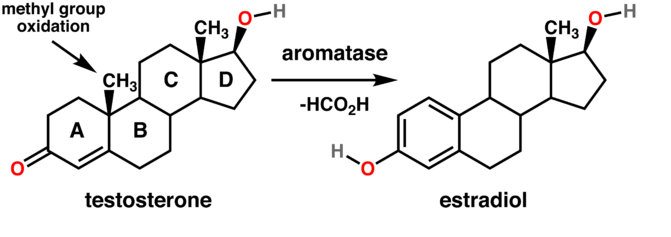
http://en.wikipedia.org/wiki/File:Testosterone_estradiol_conversion.png

J Steroid Biochem. 1986 May;24(5):1033-9.
Aromatase activity and concentrations of cortisol, progesterone and testosterone in breast and abdominal adipose tissue.
Newton CJ, Samuel DL, James VH.
Aromatase activity and concentrations of cortisol, progesterone and testosterone were measured in samples of breast and abdominal adipose tissue obtained from both pre- and postmenopausal subjects. Enzyme activity was determined by the incorporation of tritium from [1 beta-3H]androstenedione into water and found to be in close agreement to that measured when tritium labelled oestrone (E1) and oestradiol (E2) were isolated. No significant difference in enzyme activity was noted between breast and abdominal adipose tissue. Increased aromatase activity was not observed in adipose tissue taken from a subject with endometrial cancer. Cortisol concentrations were found to be significantly higher (P less than 0.05) in abdominal as compared to breast tissue. Without attaining statistical significance progesterone concentrations were higher in abdominal as compared to breast adipose tissue. Aromatase activity was not related to either cortisol or testosterone tissue concentration, but an inverse relationship between progesterone concentration and aromatase activity was observed (r = 0.542, P less than 0.02). On the basis of results obtained a hypothesis for the increased conversion of androgen to oestrogen as seen after the menopause has been proposed.
===========================================
Aromatase and Estrogen’s Role in Cancer of the Breast:

Eur J Cancer Clin Oncol. 1986 Apr;22(4):515-25.
Aromatase, 17 beta-hydroxysteroid dehydrogenase and intratissular sex hormone concentrations in cancerous and normal glandular breast tissue in postmenopausal women.
Vermeulen A, Deslypere JP, Paridaens R, Leclercq G, Roy F, Heuson JC.
In a study of the origin of estrogens in patients with breast cancer, the concentrations of estrogens and their androgen precursors, and aromatase and 17 beta-hydroxysteroid dehydrogenase (E2DH) activities were determined in normal glandular and cancerous breast tissue. The correlation between tissue estrogens, precursor concentrations, enzyme activities and plasma levels and/or receptor status were calculated. In both normal glandular and carcinomatous breast tissue, the concentrations of androstenedione (A), dehydroepiandrosterone (DHEA), 5 androstene-3 beta, 17 beta-diol (5-Adiol), estrone (E1), estradiol (E2) and progesterone (P) were significantly higher than plasma concentrations. While testosterone (T) concentrations were similar, dehydroepiandrosterone (DHCA) and estrone sulphate (E1S) concentrations were lower in tissue than in plasma. In carcinomatous tissue androgen concentrations were lower, but estrogen concentrations were higher than in glandular breast tissue. Estradiol (E2) concentration was positively correlated with the receptor concentration with the mean E2 concentration corresponding to an estimated receptor occupancy of about 25%, probably sufficient for a submaximal biological response. Aromatase and E2DH (E2—-E1) activities were observed in all breast cancer and glandular breast tissues, activities being higher in carcinoma than in glandular breast tissues; nevertheless, aromatase activity accounts probably only for a small fraction of tissue estrogen concentration. E2DH, but not aromatase activity, was significantly higher in estrogen receptor positive than in estrogen receptor negative tissues and was negatively correlated with tissue dehydroepiandrosterone (DHEA) and its sulphate (DHEAS) concentration; the latter two steroids are non competitive inhibitors of E2DH which inactivates E2 to E1. This effect of DHEA(S) may constitute a mechanism by which these androgens stimulate cancer growth and a rationale (besides suppression of estrogen precursors) for medical or surgical adrenalectomy in hormone sensitive metastatic mammary cancer. E2DH activity might constitute an additional marker of hormone dependency of mammary cancer.

Endocr Relat Cancer June 1, 1999 6 307-314
Aromatase overexpression and breast hyperplasia, an in vivo model–continued overexpression of aromatase is sufficient to maintain hyperplasia without circulating estrogens, and aromatase inhibitors abrogate these preneoplastic changes in mammary glands.
R R Tekmal, N Kirma, K Gill and K Fowler
To test directly the role of breast-tissue estrogen in initiation of breast cancer, we have developed the aromatase-transgenic mouse model and demonstrated for the first time that increased mammary estrogens resulting from the overexpression of aromatase in mammary glands lead to the induction of various preneoplastic and neoplastic changes that are similar to early breast cancer. Continued overexpression of aromatase that leads to increased breast-tissue estrogen contributes to a number of epigenetic changes in mammary tissue such as alteration in the regulation of genes involved in apoptosis, activation of genes involved in cell cycle and cell proliferation, and activation of a number of growth factors. Our current studies show aromatase overexpression is sufficient to induce and maintain early preneoplastic and neoplastic changes in female mice without circulating ovarian estrogen. Preneoplastic and neoplastic changes induced in mammary glands as a result of aromatase overexpression can be completely abrogated with the administration of the aromatase inhibitor, letrozole. Consistent with complete reduction in hyperplasia, we have also seen downregulation of estrogen receptor and a decrease in cell proliferation markers, suggesting aromatase-induced hyperplasia can be treated with aromatase inhibitors. Our studies demonstrate that aromatase overexpression alone, without circulating estrogen, is responsible for the induction of breast hyperplasia and these changes can be abrogated using aromatase inhibitors.

Mol Endocrinol. 2008 Aug;22(8):1812-24. Epub 2008 May 15.
Progesterone receptor inhibits aromatase and inflammatory response pathways in breast cancer cells via ligand-dependent and ligand-independent mechanisms.
Hardy DB, Janowski BA, Chen CC, Mendelson CR.
Aromatase (product of CYP19 gene), the critical enzyme in estrogen biosynthesis, is up-regulated in 70% of all breast cancers and is highly correlated with cyclooxygenase 2 (COX-2), the rate-determining enzyme in prostanoid biosynthesis. Expression of COX-2 also is correlated with the oncogene HER-2/neu. The efficacy of current endocrine therapies for breast cancer is predicted only if the tumor contains significant amounts of estrogen receptor. Because the progesterone receptor (PR) is an estrogen-induced target gene, it has been suggested that its presence may serve as an indicator of estrogen receptor functional capacity and the differentiation state of the tumor. In the present study, we tested the hypothesis that PR serves a crucial protective role by antagonizing inflammatory response pathways in the breast. We observed that progesterone antagonized the stimulatory effects of cAMP and IL-1beta on aromatase, COX-2, and HER-2/neu expression in T47D breast cancer cells. These actions of progesterone were associated with increased expression of the nuclear factor-kappaB inhibitor, IkappaBalpha. In 28 breast cancer cell lines, IkappaBalpha expression was positively correlated with PR mRNA levels; overexpression of a phosphorylation-defective mutant of IkappaBalpha inhibited expression of aromatase, COX-2, and HER-2/neu. Moreover, in breast cancer cell lines cultured in the absence of progesterone, up-regulation of endogenous PR caused decreased expression of aromatase, COX-2, and HER-2/neu expression, whereas down-regulation of endogenous PR resulted in a marked induction of aromatase and HER-2/neu mRNA. Collectively, these findings suggest that PR plays an important antiinflammatory role in breast cancer cells via ligand-dependent and ligand-independent mechanisms.

J Endocrinol 1998 Sep; 158(3):40 1-7.
Progesterone inhibits glucocorticoid-dependent aromatase induction in human adipose fibroblasts.
Schmidt M, Renner C, Loffler G
In fibroblasts derived from human adipose tissue, aromatase induction is observed after exposure to 1 microM cortisol in the presence of serum or platelet-derived growth factor (PDGF). Progesterone suppresses this induction in a dose-dependent manner, 10 microM resulting in complete inhibition. A reduced cortisol concentration (0.1 microM) concomitantly reduces the progesterone concentration required for effective inhibition (10-100 nM). This effect of progesterone is specific, as neither the release of cellular enzymes nor aromatase induction by dibutyryl-cAMP, which acts independently from cortisol, are affected. However, the inhibitory effect of progesterone requires its presence throughout the induction period. Kinetic studies in intact cells reveal a reduced number of aromatase active sites upon progesterone treatment, whereas progesterone at near-physiological concentration (100 nM) does not inhibit aromatase activity in isolated microsomes. Semi-quantitative reverse transcriptase PCR analysis shows reduced amounts of aromatase mRNA in progesterone-treated cells, indicating specific inhibition of the glucocorticoid-dependent pathway of aromatase induction. The inhibitory effect of progesterone is not blocked by the anti-progestin ZK114043, excluding action via progesterone receptors and indicating competition for the glucocorticoid receptor. Progesterone must be considered a potential physiological inhibitor of glucocorticoid-dependent aromatase induction in adipose tissue. It is proposed that it is a suppressor of aromatase induction in adipose tissue in premenopausal women.

Nat Genet. 2017 Jan 23. doi: 10.1038/ng.3773. [Epub ahead of print]
Acquired CYP19A1 amplification is an early specific mechanism of aromatase inhibitor resistance in ERα metastatic breast cancer.
Magnani L, Frigè G, Gadaleta RM, Corleone G, Fabris S, Kempe H, Verschure PJ, Barozzi I, Vircillo V, Hong SP, Perone Y, Saini M, Trumpp A, Viale G, Neri A, Ali S, Colleoni MA11, Pruneri G, Minucci S
Tumor evolution is shaped by many variables, potentially involving external selective pressures induced by therapies. After surgery, patients with estrogen receptor (ERα)-positive breast cancer are treated with adjuvant endocrine therapy, including selective estrogen receptor modulators (SERMs) and/or aromatase inhibitors (AIs). However, more than 20% of patients relapse within 10 years and eventually progress to incurable metastatic disease. Here we demonstrate that the choice of therapy has a fundamental influence on the genetic landscape of relapsed diseases. We found that 21.5% of AI-treated, relapsed patients had acquired CYP19A1 (encoding aromatase) amplification (CYP19A1amp). Relapsed patients also developed numerous mutations targeting key breast cancer-associated genes, including ESR1 and CYP19A1. Notably, CYP19A1amp cells also emerged in vitro, but only in AI-resistant models. CYP19A1 amplification caused increased aromatase activity and estrogen-independent ERα binding to target genes, resulting in CYP19A1amp cells showing decreased sensitivity to AI treatment. These data suggest that AI treatment itself selects for acquired CYP19A1amp and promotes local autocrine estrogen signaling in AI-resistant metastatic patients.

Posted in General.

Tagged with , , , , , , , , , , , , .


Lipid Peroxidation Decreases Progesterone Synthesis

Also see:
PUFA Accumulation & Aging
Fish Oil and Lipid Peroxidation

If our purpose is to delay the menopausal rise of the gonadotrophins, then it is interesting that lipid peroxidation of polyunsaturated fatty acids (which increases with age) can be intimately involved in loss of progesterone forming ability by human steroidogenic tissues. -Ray Peat, PhD


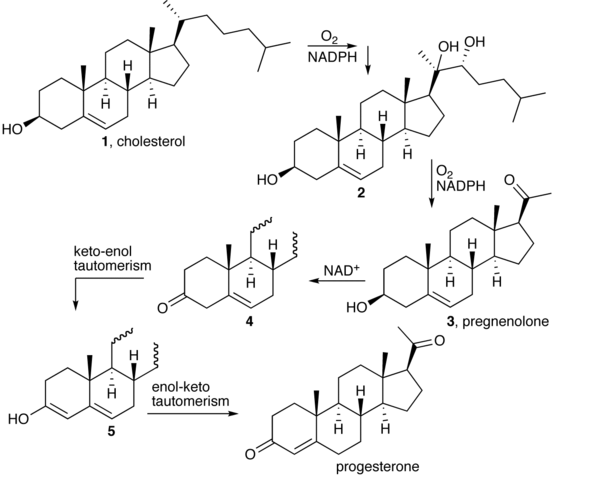
http://en.wikipedia.org/wiki/File:Biosynthesis_progesterone.png

J Steroid Biochem Mol Biol. 1992 Aug;42(7):729-36.
The influence of NADPH-dependent lipid peroxidation on the progesterone biosynthesis in human placental mitochondria.
Klimek J.
In an in vitro system consisting of human term placental mitochondria and an NADPH-generating system plus Fe2+, significant lipid peroxidation was observed along with a concomitant inhibition of progesterone biosynthesis. This inhibition could be markedly blocked by Mn2+, superoxide dismutase and dimethylfuran, inhibitors of NADPH-dependent lipid peroxidation. In addition, it has been found that malondialdehyde formation is accompanied by a corresponding decrease in placental mitochondrial cytochrome P-450 content. Inhibitors of lipid peroxidation also prevent the loss of cytochrome P-450, further demonstrating a direct relationship between NADPH-dependent lipid peroxidation and degradation of cytochrome P-450 in cell-free systems. These measurements provide the first evidence that the inhibition of progesterone biosynthesis by a NADPH-dependent lipid peroxidation in placental mitochondria is a consequence of cytochrome P-450 degradation due to lipid peroxidation.

Posted in General.


Thyroid Insufficiency. Is Thyroxine the Only Valuable Drug?

Journal of Nutritional & Environmental Medicine, Volume 11, Number 3, 1 September 2001 , pp. 159-166(8)
Thyroid InsufŽficiency. Is Thyroxine the Only Valuable Drug?
Baisier, W.V.; Hertoghe, J.; Eeckhaut, W.
Purpose: To evaluate the efficacy of a drug containing both liothyronine and thyroxine (T3 + T4) in hypothyroid patients who were treated, but not cured, with thyroxine (T4 alone).
Design: Practice-based retrospective study of patients’ records.
Materials and Methods: The records of 89 hypothyroid patients, treated elsewhere with thyroxine but still with hypothyroidism, seen in a private practice in Antwerp, Belgium, were compared with those of 832 untreated hypothyroid patients, over the same period of time (May 1984-July 1997).
Results: The same criteria were applied to both groups: a score of eight main symptoms of hypothyroidism and the 24 h urine free T3 dosage. The group of 89 patients, treated elsewhere with T4, but still complaining of symptoms of hypothyroidism, did not really differ from the group of untreated hypothyroid patients as far as symptoms and 24 h urine free T3 were concerned. A number of these patients were followed up during treatment with natural desiccated thyroid (NDT): 40 T4 treated patients and 278 untreated patients. Both groups responded equally favourably to NDT.
Conclusions: Combined T3 + T4 treatment seems to be more effective than treatment with T4 alone in hypothyroid patients.

https://www.youtube.com/watch?v=Ey_0XQ64qiY

N Engl J Med. 1999 Feb 11;340(6):424-9.
Effects of thyroxine as compared with thyroxine plus triiodothyronine in patients with hypothyroidism.
Bunevicius R, Kazanavicius G, Zalinkevicius R, Prange AJ Jr.
BACKGROUND:
Patients with hypothyroidism are usually treated with thyroxine (levothyroxine) only, although both thyroxine and triiodothyronine are secreted by the normal thyroid gland. Whether thyroid secretion of triiodothyronine is physiologically important is unknown.
METHODS:
We compared the effects of thyroxine alone with those of thyroxine plus triiodothyronine (liothyronine) in 33 patients with hypothyroidism. Each patient was studied for two five-week periods. During one period, the patient received his or her usual dose of thyroxine. During the other, the patient received a regimen in which 50 microg of the usual dose of thyroxine was replaced by 12.5 microg of triiodothyronine. The order in which each patient received the two treatments was randomized. Biochemical, physiologic, and psychological tests were performed at the end of each treatment period.
RESULTS:
The patients had lower serum free and total thyroxine concentrations and higher serum total triiodothyronine concentrations after treatment with thyroxine plus triiodothyronine than after thyroxine alone, whereas the serum thyrotropin concentrations were similar after both treatments. Among 17 scores on tests of cognitive performance and assessments of mood, 6 were better or closer to normal after treatment with thyroxine plus triiodothyronine. Similarly, among 15 visual-analogue scales used to indicate mood and physical status, the results for 10 were significantly better after treatment with thyroxine plus triiodothyronine. The pulse rate and serum sex hormone-binding globulin concentrations were slightly higher after treatment with thyroxine plus triiodothyronine, but blood pressure, serum lipid concentrations, and the results of neurophysiologic tests were similar after the two treatments.
CONCLUSIONS:
In patients with hypothyroidism, partial substitution of triiodothyronine for thyroxine may improve mood and neuropsychological function; this finding suggests a specific effect of the triiodothyronine normally secreted by the thyroid gland.

J Clin Endocrinol Metab. 2013 May;98(5):1982-90. doi: 10.1210/jc.2012-4107. Epub 2013 Mar 28.
Desiccated thyroid extract compared with levothyroxine in the treatment of hypothyroidism: a randomized, double-blind, crossover study.
Hoang TD, Olsen CH, Mai VQ, Clyde PW, Shakir MK.
Context: Patients previously treated with desiccated thyroid extract (DTE), when being switched to levothyroxine (l-T4), occasionally did not feel as well despite adequate dosing based on serum TSH levels. Objective: Our objective was to investigate the effectiveness of DTE compared with l-T4 in hypothyroid patients. Design and Setting: We conducted a randomized, double-blind, crossover study at a tertiary care center. Patients: Patients (n = 70, age 18-65 years) diagnosed with primary hypothyroidism on a stable dose of l-T4 for 6 months were included in the study. Intervention: Patients were randomized to either DTE or l-T4 for 16 weeks and then crossed over for the same duration. Outcome Measures: Biochemical and neurocognitive tests at baseline and at the end of each treatment period were evaluated. Results: There were no differences in symptoms and neurocognitive measurements between the 2 therapies. Patients lost 3 lb on DTE treatment (172.9 ± 36.4 lb vs 175.7 ± 37.7 lb, P < .001). At the end of the study, 34 patients (48.6%) preferred DTE, 13 (18.6%) preferred l-T4, and 23 (32.9%) had no preference. In the subgroup analyses, those patients who preferred DTE lost 4 lb during the DTE treatment, and their subjective symptoms were significantly better while taking DTE as measured by the general health questionnaire-12 and thyroid symptom questionnaire (P < .001 for both). Five variables were predictors of preference for DTE. Conclusion: DTE therapy did not result in a significant improvement in quality of life; however, DTE caused modest weight loss and nearly half (48.6%) of the study patients expressed preference for DTE over l-T4. DTE therapy may be relevant for some hypothyroid patients.

Posted in General.

Tagged with , , , , , , , .


Medium Chain Fats from Saturated Fat – Weight Management Friendly

Also see:
“Curing” a High Metabolic Rate with Unsaturated Fats
Fat Deficient Animals – Activity of Cytochrome Oxidase
Cardiolipin, Cytochrome Oxidase, Metabolism, & Aging
Medium Chain Fats, Ketones, and Brain Function
Ray Peat, PhD Quotes on Coconut Oil
PUFA, Fish Oil, and Alzheimers
Fish Oil Toxicity
Women, Estrogen, and Circulating DHA
PUFA – Accumulation & Aging
What if there was a Cure for Alzheimer’s Disease and No One Knew?
Protect the Mitochondria
PUFA Breakdown Products Depress Mitochondrial Respiration
Estrogen, Glutamate, & Free Fatty Acids
The Brain: Estrogen’s Harm and Progesterone’s Protection
Estrogen’s Role in Seizures

Some energy sources, medium chain fatty acids (MCFA or MCT) from saturated fats, are even more ideal than glucose. These fatty acids do not require bile to be broken down and do not require the carnitine transport system to enter the mitochondria. They go from the gut to the liver to be metabolized as quick energy. These fats help induce metabolism increases and improvement in body temperature. “Their effects on cells are what we would expect of an ideal energy source” according to Ray Peat, PhD. Medium chain fats are superior to the long chain fatty acids (LCFA) found in other fats such as polyunsaturated fatty acids (PUFA), which are metabolized in a completely different way.

Quotes by Ray Peat, PhD:
“Coconut oil is unusually rich in short and medium chain fatty acids. Shorter chain length allows fatty acids to be metabolized without use of the carnitine transport system.”

“The anti-obesity effect of coconut oil is clear in all of the animal studies, and in my friends who eat it regularly.”

“The shorter chain fatty acids of coconut oil are more easily oxidized for energy than long chain fatty acids, and their saturation makes them resistant to the random oxidation produced by inflammation, so they don’t support their production of acrolein or age pigment; along with their reported antiinflammatory effect, these properties might be responsible for their beneficial effects that have been seen in Alzheimer’s disease.”

“In the l940s, farmers attempted to use cheap coconut oil for fattening their animals, but they found that it made them lean, active and hungry. For a few years, an antithyroid drug was found to make the livestock get fat while eating less food, but then it was found to be a strong carcinogen, and it also probably produced hypothyroidism in the people who ate the meat. By the late l940s, it was found that the same antithyroid effect, causing animals to get fat without eating much food, could be achieved by using soy beans and corn as feed.

Later, an animal experiment fed diets that were low or high in total fat, and in different groups the fat was provided by pure coconut oil, or a pure unsaturated oil, or by various mixtures of the two oils. At the end of their lives, the animals’ obesity increased directly in proportion to the ratio of unsaturated oil to coconut oil in their diet, and was not related to the total amount of fat they had consumed. That is, animals which ate just a little pure unsaturated oil were fat, and animals which ate a lot of coconut oil were lean.”

“The shorter chain fatty acids of coconut oil are more easily oxidized for energy than long chain fatty acids, and their saturation makes them resistant to the random oxidation produced by inflammation, so they don’t support their production of acrolein or age pigment; along with their reported antiinflammatory effect, these properties might be responsible for their beneficial effects that have been seen in Alzheimer’s disease.”

“Various fractions of coconut oil are coming into use as “drugs,” meaning that they are advertised as treatments for diseases. Butyric acid is used to treat cancer, lauric and myristic acids to treat virus infections, and mixtures of medium-chain fats are sold for weight loss. Purification undoubtedly increases certain effects, and results in profitable products, but in the absence of more precise knowledge, I think the whole natural product, used as a regular food, is the best way to protect health. The shorter-chain fatty acids have strong, unpleasant odors; for a couple of days after I ate a small amount of a medium-chain triglyceride mixture, my skin oil emitted a rank, goaty smell. Some people don’t seem to have that reaction, and the benefits might outweigh the stink, but these things just haven’t been in use long enough to know whether they are safe.

We have to remember that the arguments made for aspartame, monosodium glutamate, aspartic acid, and tryptophan–that they are like the amino acids that make up natural proteins–are dangerously false. In the case of amino acids, balance is everything. Aspartic and glutamic acids promote seizures and cause brain damage, and are intimately involved in the process of stress-induced brain aging, and tryptophan by itself is carcinogenic. Treating any complex natural product as the drug industry does, as a raw material to be fractionated in the search for “drug” products, is risky, because the relevant knowledge isn’t sought in the search for an association between a single chemical and a single disease.”

Life Sci. 1998;62(14):1203-15.
Medium chain fatty acid metabolism and energy expenditure: obesity treatment implications.
Papamandjaris AA, MacDougall DE, Jones PJ.
Fatty acids undergo different metabolic fates depending on their chain length and degree of saturation. The purpose of this review is to examine the metabolic handling of medium chain fatty acids (MCFA) with specific reference to intermediary metabolism and postprandial and total energy expenditure. The metabolic discrimination between varying fatty acids begins in the GI tract, with MCFA being absorbed more efficiently than long chain fatty acids (LFCA). Subsequently, MCFA are transported in the portal blood directly to the liver, unlike LCFA which are incorporated into chylomicrons and transported through lymph. These structure based differences continue through the processes of fat utilization; MCFA enter the mitochondria independently of the carnitine transport system and undergo preferential oxidation. Variations in ketogenic and lipogenic capacity also exist. Such metabolic discrimination is supported by data in animals and humans showing increases in postprandial energy expenditure after short term feeding with MCFA. In long term MCFA feeding in animals, weight accretion has been attenuated. These differences in metabolic handling of MCFA versus LCFA are considered with the conclusion that MCFA hold potential as weight loss agents.

Int J Obes Relat Metab Disord. 2000 Sep;24(9):1158-66.
Endogenous fat oxidation during medium chain versus long chain triglyceride feeding in healthy women.
Papamandjaris AA, White MD, Raeini-Sarjaz M, Jones PJ.
OBJECTIVE:
To compare the effect of medium chain triglycerides (MCT) vs long chain triglycerides (LCT) feeding on exogenous and endogenous oxidation of long chain saturated fatty acids (LCSFA) in women.
SUBJECTS:
Twelve healthy female subjects (age 19-26 y, body mass index (BMI) 17.5-28.6 kg/m2)
DESIGN AND MEASUREMENTS:
In a randomized cross-over design, subjects were fed weight maintenance diets providing 15%, 45% and 40% of energy as protein, carbohydrate and fat, respectively, with 80% of this fat comprising either a combination of butter and coconut oil (MCT) or beef tallow (LCT). Following 6 days of feeding, subjects were given daily oral doses of 1-(13)C labelled-myristic, -palmitic and -stearic acids for 8 days. Expired 13CO2 was used as an index of LCSFA oxidation with CO2 production assessed by respiratory gas exchange.
RESULTS:
No difference in exogenous LCSFA oxidation was observed as a function of diet on day 7. On day 14, greater combined cumulative fractional LCSFA oxidation (16.9 +/- 2.5%/5.5 h vs 9.1 +/- 1.2%/5.5 h, P < 0.007), net LCSFA oxidation (2956 +/- 413 mg/5.5 h vs 1669 +/- 224 mg/5.5 h, P < 0.01), and percentage dietary LCSFA contribution to total fat oxidation (16.3 +/- 2.3%/5.5 h vs 9.5 +/- 1.5%/5.5 h; P < 0.01) were observed in women fed the MCT vs LCT diet. With the MCT diet, but not the LCT diet, combined cumulative fractional LCSFA oxidation (P < 0.03), net LCSFA oxidation (P < 0.03), and percentage dietary LCSFA contribution to total fat oxidation (P < 0.02) were increased at day 14 as compared to day 7. Day 14 results indicated increased endogenous LCSFA oxidation during MCT feeding.
CONCLUSION:
The capacity of MCT to increase endogenous oxidation of LCSFA suggests a role for MCT in body weight control over the long term.

Int J Obes Relat Metab Disord. 2003 Jan;27(1):95-102.
Medium- versus long-chain triglycerides for 27 days increases fat oxidation and energy expenditure without resulting in changes in body composition in overweight women.
St-Onge MP, Bourque C, Jones PJ, Ross R, Parsons WE.
OBJECTIVE:
To determine the effects of long-term consumption of medium chain (MCT) versus long chain triglycerides (LCT) on energy expenditure (EE), substrate oxidation and body composition.
HYPOTHESIS:
MCT consumption will not result in greater EE, substrate oxidation, and body weight loss compared with LCT consumption.
RESEARCH METHODS AND PROCEDURES:
Seventeen healthy obese women participated in this randomized, crossover inpatient trial. Meals were prepared and consumed on site for two periods of 27 days. Diets containing 40% of energy as fat, with treatment fat comprising 75% of the total fat, were designed to supply each subject with their individual weight-maintaining energy needs. The MCT diet contained 67% of treatment fat as MCT oil (49% octanoate, 50% decanoate) whereas the LCT diet contained exclusively beef tallow as treatment fat. Body composition was assessed by magnetic resonance imaging (MRI) on day 1 and 28 of each phase while energy expenditure was measured on day 2 and 27.
RESULTS:
Changes in total and subcutaneous adipose tissue volumes following consumption of MCT and LCT were not different (-0.61+/-0.38 l vs -0.54+/-0.48 l and -0.58+/-0.35 l vs -0.48+/-0.40 l, respectively). Average EE and fat oxidation were greater (P<0.05) during MCT than LCT consumption (0.95+/-0.019 vs 0.90+/-0.024 kcal/min, respectively, for EE and 0.080+/-0.0026 vs 0.075+/-0.0022 g/min, respectively for fat oxidation).
DISCUSSION:
These results show that long-term consumption of MCT enhances EE and fat oxidation in obese women, when compared to LCT consumption. The difference in body composition change between MCT and LCT consumption, although not statistically different, was consistent with differences predicted by the shifts in EE. It can be concluded that substitution of MCT for LCT in a targeted energy balance diet may prevent long-term weight gain via increased EE.

Int J Obes Relat Metab Disord. 2003 Dec;27(12):1565-71.
Greater rise in fat oxidation with medium-chain triglyceride consumption relative to long-chain triglyceride is associated with lower initial body weight and greater loss of subcutaneous adipose tissue.
St-Onge MP, Jones PJ.
OBJECTIVE:
Medium-chain triglyceride (MCT) consumption has been shown to increase energy expenditure (EE) and lead to greater losses of the adipose tissue in animals and humans. The objective of this research was to examine the relationship between body composition and thermogenic responsiveness to MCT treatment.
DESIGN:
Randomized, crossover, controlled feeding trial, with diets rich in either MCT or long-chain triglyceride (LCT) (as olive oil) for periods of 4 weeks each.
SUBJECTS:
A total of 19 healthy overweight men aged (x+/-s.e.m.) 44.5+/-2.5 y with a body mass index of 27.8+/-0.5 kg/m(2).
MEASUREMENTS:
EE and body composition were measured using indirect calorimetry and magnetic resonance imaging, respectively, at the baseline and end point of each feeding period. EE was measured for 30 min before consumption of a standard meal and for 5.5 h following the meal.
RESULTS:
Body weight (BW) decreased (P<0.05) by 1.03+/-0.25 kg with MCT consumption compared to 0.62+/-0.29 kg with LCT consumption. The difference in average EE between MCT and LCT consumptions was related to initial BW, such that men with lower initial BW had a greater rise in EE with MCT consumption relative to LCT on day 28 (r=-0.472, P=0.04) but not day 2 (r=-0.368, P=0.12). Similar results were obtained with fat oxidation on day 28 (r=-0.553, P=0.01). The greater rise in fat oxidation with MCT compared to LCT consumption on day 2 tended to be related to greater loss of BW after MCT vs LCT consumption (r=-0.4075, P=0.08).
CONCLUSION:
These data suggest that shunting of dietary fat towards oxidation results in diminished fat storage, as reflected by the loss of BW and subcutaneous adipose tissue. Furthermore, MCT consumption may stimulate EE and fat oxidation to a lower extent in men of greater BW compared to men of lower BW, indicative of the lower responsiveness to a rapidly oxidized fat by overweight men.

Obes Res. 2003 Mar;11(3):395-402.
Medium-chain triglycerides increase energy expenditure and decrease adiposity in overweight men.
St-Onge MP, Ross R, Parsons WD, Jones PJ.
OBJECTIVE:
The objectives of this study were to compare the effects of diets rich in medium-chain triglycerides (MCTs) or long-chain triglycerides (LCTs) on body composition, energy expenditure, substrate oxidation, subjective appetite, and ad libitum energy intake in overweight men.
RESEARCH METHODS AND PROCEDURES:
Twenty-four healthy, overweight men with body mass indexes between 25 and 31 kg/m(2) consumed diets rich in MCT or LCT for 28 days each in a crossover randomized controlled trial. At baseline and after 4 weeks of each dietary intervention, energy expenditure was measured using indirect calorimetry, and body composition was analyzed using magnetic resonance imaging.
RESULTS:
Upper body adipose tissue (AT) decreased to a greater extent (p < 0.05) with functional oil (FctO) compared with olive oil (OL) consumption (-0.67 +/- 0.26 kg and -0.02 +/- 0.19 kg, respectively). There was a trend toward greater loss of whole-body subcutaneous AT volume (p = 0.087) with FctO compared with OL consumption. Average energy expenditure was 0.04 +/- 0.02 kcal/min greater (p < 0.05) on day 2 and 0.03 +/- 0.02 kcal/min (not significant) on day 28 with FctO compared with OL consumption. Similarly, average fat oxidation was greater (p = 0.052) with FctO compared with OL intake on day 2 but not day 28.
DISCUSSION:
Consumption of a diet rich in MCTs results in greater loss of AT compared with LCTs, perhaps due to increased energy expenditure and fat oxidation observed with MCT intake. Thus, MCTs may be considered as agents that aid in the prevention of obesity or potentially stimulate weight loss.

Endocrinology. 2011 Dec;152(12):4641-51. Epub 2011 Oct 11.
Role of Medium- and Short-Chain L-3-Hydroxyacyl-CoA Dehydrogenase in the Regulation of Body Weight and Thermogenesis.
Schulz N, Himmelbauer H, Rath M, van Weeghel M, Houten S, Kulik W, Suhre K, Scherneck S, Vogel H, Kluge R, Wiedmer P, Joost HG, Schürmann A.
Dysregulation of fatty acid oxidation plays a pivotal role in the pathophysiology of obesity and insulin resistance. Medium- and short-chain-3-hydroxyacyl-coenzyme A (CoA) dehydrogenase (SCHAD) (gene name, hadh) catalyze the third reaction of the mitochondrial β-oxidation cascade, the oxidation of 3-hydroxyacyl-CoA to 3-ketoacyl-CoA, for medium- and short-chain fatty acids. We identified hadh as a putative obesity gene by comparison of two genome-wide scans, a quantitative trait locus analysis previously performed in the polygenic obese New Zealand obese mouse and an earlier described small interfering RNA-mediated mutagenesis in Caenorhabditis elegans. In the present study, we show that mice lacking SCHAD (hadh(-/-)) displayed a lower body weight and a reduced fat mass in comparison with hadh(+/+) mice under high-fat diet conditions, presumably due to an impaired fuel efficiency, the loss of acylcarnitines via the urine, and increased body temperature. Food intake, total energy expenditure, and locomotor activity were not altered in knockout mice. Hadh(-/-) mice exhibited normal fat tolerance at 20 C. However, during cold exposure, knockout mice were unable to clear triglycerides from the plasma and to maintain their normal body temperature, indicating that SCHAD plays an important role in adaptive thermogenesis. Blood glucose concentrations in the fasted and postprandial state were significantly lower in hadh(-/-) mice, whereas insulin levels were elevated. Accordingly, insulin secretion in response to glucose and glucose plus palmitate was elevated in isolated islets of knockout mice. Therefore, our data indicate that SCHAD is involved in thermogenesis, in the maintenance of body weight, and in the regulation of nutrient-stimulated insulin secretion.

2002 The American Society for Nutritional Sciences J. Nutr. 132:329-332, 2002
Physiological Effects of Medium-Chain Triglycerides: Potential Agents in the Prevention of Obesity
Marie-Pierre St-Onge and Peter J. H. Jones
Medium chain fatty acids (MCFA) are readily oxidized in the liver. Animal and human studies have shown that the fast rate of oxidation of MCFA leads to greater energy expenditure (EE). Most animal studies have also demonstrated that the greater EE with MCFA relative to long-chain fatty acids (LCFA) results in less body weight gain and decreased size of fat depots after several months of consumption. Furthermore, both animal and human trials suggest a greater satiating effect of medium-chain triglycerides (MCT) compared with long-chain triglycerides (LCT). The aim of this review is to evaluate existing data describing the effects of MCT on EE and satiety and determine their potential efficacy as agents in the treatment of human obesity. Animal studies are summarized and human trials more systematically evaluated because the primary focus of this article is to examine the effects of MCT on human energy metabolism and satiety. Hormones including cholescytokinin, peptide YY, gastric inhibitory peptide, neurotensin and pancreatic polypeptide have been proposed to be involved in the mechanism by which MCT may induce satiety; however, the exact mechanisms have not been established. From the literature reviewed, we conclude that MCT increase energy expenditure, may result in faster satiety and facilitate weight control when included in the diet as a replacement for fats containing LCT.

J Am Coll Nutr. 2008 Oct;27(5):547-52.
Medium chain triglyceride oil consumption as part of a weight loss diet does not lead to an adverse metabolic profile when compared to olive oil.
St-Onge MP, Bosarge A, Goree LL, Darnell B.
Objective: Medium chain triglyceride (MCT) consumption may have a beneficial impact on weight management, however, some studies point to a negative impact of MCT oil consumption on cardiovascular disease risk. This study examined the effects of MCT oil consumption, as part of a weight loss diet, on metabolic risk profile compared to olive oil.
Design: Thirty-one men and women, age 19–50 y and body mass index 27–33 kg/m2, completed this randomized, controlled, 16-week weight loss program. Oils were consumed at a level of ∼12% of the subjects’ prescribed energy intakes in the form of muffins and liquid oil.
Results: After controlling for body weight, there was a significant effect of time on fasting serum glucose (P = 0.0177) and total cholesterol (P = 0.0386) concentrations, and on diastolic blood pressure (P = 0.0413), with reductions in these variables occurring over time; there was no time-by-diet interaction for any of the parameters studied. Two of the 3 subjects in the MCT oil group with evidence of the metabolic syndrome at baseline did not have metabolic syndrome at endpoint. In the olive oil group, 6 subjects had the metabolic syndrome at baseline; 2 subjects no longer had metabolic syndrome at endpoint, 1 person developed metabolic syndrome, and 4 subjects did not have any change in their metabolic syndrome status.
Conclusions: Our results suggest that MCT oil can be incorporated into a weight loss program without fear of adversely affecting metabolic risk factors. Distinction should be made regarding chain length when it comes to discussing the effects of saturated fats on metabolic risk factors.

Am J Clin Nutr. 2008 Mar;87(3):621-6.
Weight-loss diet that includes consumption of medium-chain triacylglycerol oil leads to a greater rate of weight and fat mass loss than does olive oil.
St-Onge MP, Bosarge A.
Clinical studies have shown that consumption of medium-chain triacylglycerols (MCTs) leads to greater energy expenditure than does consumption of long-chain triacylglycerols. Such studies suggest that MCT consumption may be useful for weight management.
OBJECTIVE:
We aimed to determine whether consumption of MCT oil improves body weight and fat loss compared with olive oil when consumed as part of a weight-loss program.
DESIGN:
Forty-nine overweight men and women, aged 19-50 y, consumed either 18-24 g/d of MCT oil or olive oil as part of a weight-loss program for 16 wk. Subjects received weekly group weight-loss counseling. Body weight and waist circumference were measured weekly. Adipose tissue distribution was assessed at baseline and at the endpoint by use of dual-energy X-ray absorptiometry and computed tomography.
RESULTS:
Thirty-one subjects completed the study (body mass index: 29.8 +/- 0.4, in kg/m(2)). MCT oil consumption resulted in lower endpoint body weight than did olive oil (-1.67 +/- 0.67 kg, unadjusted P = 0.013). There was a trend toward greater loss of fat mass (P = 0.071) and trunk fat mass (P = 0.10) with MCT consumption than with olive oil. Endpoint trunk fat mass, total fat mass, and intraabdominal adipose tissue were all lower with MCT consumption than with olive oil consumption (all unadjusted P values < 0.05).
CONCLUSIONS:
Consumption of MCT oil as part of a weight-loss plan improves weight loss compared with olive oil and can thus be successfully included in a weight-loss diet. Small changes in the quality of fat intake can therefore be useful to enhance weight loss.

Metabolism. 2007 Jul;56(7):985-91.
Effects of dietary medium-chain triglyceride on weight loss and insulin sensitivity in a group of moderately overweight free-living type 2 diabetic Chinese subjects.
Han JR, Deng B, Sun J, Chen CG, Corkey BE, Kirkland JL, Ma J, Guo W.
Prior studies of medium-chain triglyceride (MCT) suggest that MCT might be a useful tool for body fat mass management in obese nondiabetic humans. We now report a pilot study that tests if MCT is beneficial for moderately overweight subjects with type 2 diabetes mellitus. The study was conducted in a group of 40 free-living subjects in an urban area of China. The subjects were randomized into 2 test groups, with one given MCT and the other corn oil as control for long-chain triglycerides (LCTs). The test oil (18 g/d) was administered as part of daily food intake for 90 days. All subjects completed the study with self-reported full compliance. Body weight, waist circumference (WC), and serum samples were analyzed on days 0, 45, and 90. The MCT group showed an across-time reduction in body weight and WC, an increase in serum C-peptide concentration, a reduction in homeostasis model assessment of insulin resistance, and a decrease in serum cholesterol concentration (P < .05, repeated measures). No significant across-time difference for the above parameters was detected for the LCT group. These changes were associated with an involuntary reduction in energy intake in the MCT group (P < .05, repeated measures). A between-group comparison also shows reduced body weight, WC, and homeostasis model assessment of insulin resistance in the MCT group compared with the LCT group at the end of the study. Collectively, our results suggest a link between moderate consumption of MCT and improved risk factors in moderately overweight humans in a low-cost, free-living setting.

J Nutr. 1986 Mar;116(3):343-9.
Evaluation of the protein quality of diets containing medium- and long-chain triglyceride in healthy rats.
Ling PR, Hamawy KJ, Moldawer LL, Istfan N, Bistrian BR, Blackburn GL.
In this study, protein efficiency ratio and net protein utilization together with the kinetic estimates of protein turnover were used to compare the effect of different protein and fat sources in healthy rats. Male Sprague-Dawley CD rats were pair-fed different diets for 14 d. All diets were isonitrogenous and isocaloric, containing 10.4% protein, 10.9-11.4% fat, 31.9-32.8% carbohydrate and 43.5-44.5% moisture (wt/wt). After 14 d of feeding, protein efficiency ratio, net protein utilization, weight gain, intake, fat and protein content in the whole-body and fractional synthetic rates in various tissues were determined. Animals given diets containing medium-chain triglycerides (MCT) demonstrated decreased weight gain and fat content compared to the pair-fed controls receiving long-chain triglycerides (LCT). No difference was seen in protein content, net protein utilization and fractional synthetic rates in the liver and whole body of these MCT-fed rats when compared to those given LCT. Protein efficiency ratios in both of the MCT groups fed MCT + casein and MCT + soy protein were lower than those in the groups given LCT + casein. Although this study did not include a group for LCT and soy protein, these results suggest that MCT reduces the fat deposition without affecting the whole-body protein content. This may have implications for the treatment of obesity. Secondly, the protein efficiency ratio may not be a useful indicator of dietary protein quality when the fat source is MCT.

Lipids. 1987 Jun;22(6):429-34.
Medium chain triglyceride in early life: effects on growth of adipose tissue.
Hashim SA, Tantibhedyangkul P.
Effects of feeding early in life a diet high in either long chain (LCT) or medium chain triglyceride (MCT) were studied on the development of adipose tissue in post-weanling rats. The diets were similar in calorie distribution and identical in nutrients except for type of fat. The caloric distribution of the two diets by percent was LCT (corn oil)/protein/carbohydrate, 70/18/12 and MCT/corn oil/protein/carbohydrate, 66/4/18/12. Male littermates with less than 5% weight difference were pair-fed the two diets randomly at age 18-20 days. One-fourth of the rats were killed at 10, 16, 22 and 28 weeks of age and analyzed for adipose depots and adipose tissue cellularity. Results showed that the LCT-fed rats were significantly heavier, with larger epididymal, retroperitoneal, omental and subcutaneous fat pads than the respective pair-fed MCT rats. Also, LCT-fed rats had larger size and number of adipocytes than MCT-fed littermates. It is concluded that the type of fat in the diet, namely LCT or MCT, when fed early in life can influence the development of adipose tissue. MCT appears less lipogenic than LCT. The mechanism for the diminished adiposity of MCT-fed rats is related to extensive oxidation of MCT and its enhancement of thermogenesis leading to lessened energy efficiency.

Eur J Nutr. 2013 Sep;52(6):1579-85. doi: 10.1007/s00394-012-0463-9. Epub 2012 Nov 20.
Combined medium-chain triglyceride and chilli feeding increases diet-induced thermogenesis in normal-weight humans.
Clegg ME1, Golsorkhi M, Henry CJ.
BACKGROUND AND PURPOSE:
Capsaicin, the active ingredient of chilli, and medium-chain triglycerides (MCT) have been shown to increase diet-induced thermogenesis (DIT), improve satiety and decrease energy intake. Combinations of thermogenic ingredients have previously been investigated such as mustard and chilli, or capsaicin and green tea with positive effects. The aim of this study was to investigate the combined effects of chilli and MCT feeding on DIT and satiety in healthy volunteers.
METHODS:
Seven healthy volunteers were tested on four occasions following an overnight fast. Volunteers were fed a breakfast containing chilli and MCT oil, chilli and sunflower oil, bell pepper and sunflower oil or bell pepper and MCT oil. Satiety and gastrointestinal comfort were measured using visual analogue scales (VAS) and category scales. Baseline energy expenditure, and DIT and fat oxidation were measured for 6 h using indirect calorimetry.
RESULTS:
There were significant differences in DIT between the meals (P = 0.003) which increased from 7.0 % for pepper-sunflower oil to 10.7 % for chilli-MCT oil. The predominant differences existed between the chilli-MCT oil and chilli-sunflower oil (P = 0.013), between chilli-MCT oil and pepper-sunflower oil (P = 0.007) and between pepper-sunflower oil and pepper-MCT oil (P = 0.004). There was a significant difference in fat oxidation between the pepper-sunflower oil and pepper-MCT oil (P = 0.032). There were no differences in any VAS satiety parameters or gastrointestinal comfort ratings.
CONCLUSION:
Adding chilli and MCT to meals increases DIT by over 50 % which over time may cumulate to help induce weight loss and prevent weight gain or regain.
Posted in General.

Tagged with , , , , , , , , , , , , , , , , , , , , .


High T4 Concentrations in the Brain – Suppression of Brain Metabolism

In fact, the addition of thyroxine to brain slices suppressed their respiration by 6% during the experiment. Since most T3 is produced from T4 in the liver, not in the brain, I think that experiment had great significance, despite the ignorant interpretation of the author. An excess of thyroxine, in a tissue that doesn’t convert it rapidly to T3, has an antithyroid action. (See Goumaz, et al, 1987.) This happens in many women who are given thyroxine; as their dose is increased, their symptoms get worse.

The brain concentrates T3 from the serum, and may have a concentration 6 times higher than the serum (Goumaz, et al., 1987), and it can achieve a higher concentration of T3 than T4. It takes up and concentrates T3, while tending to expel T4. Reverse T3 (rT3) doesn’t have much ability to enter the brain, but increased T4 can cause it to be produced in the brain. -Ray Peat, PhD

Endocrinology. 1987 Apr;120(4):1590-6.
Brain cortex reverse triiodothyronine (rT3) and triiodothyronine concentrations under steady state infusions of thyroxine and rT3.
Goumaz MO, Kaiser CA, Burger AG.
T4 and reverse T3 (rT3) can inhibit 5′-deiodinase type II activity in rat brain cortex, pituitary, and brown adipose tissue, raising the possibility that T4 may act in vivo after conversion to rT3. The aim of this study was to measure in hypothyroid (Tx) rats the content of brain cortex rT3 during a constant 7-day infusion of either [125I]T4 alone, corresponding to 12 pmol T4/day X 100 g body weight (BW), or together with 400 pmol T4/day. [125I]T4, rT3, and T3 were extracted from brain cortex, pituitary, kidney, and liver with a combination of adsorption chromatography on Sephadex G-25, HPLC, and immunoprecipitation. [131I]T4, T3, or rT3 were used as internal standards. [125I]rT3 could be detected in brain cortex, liver, and kidney in Tx rats infused with [125I]T4 (12 pmol T4/day X 100 g BW) and in those infused with 400 pmol T4/day X 100 g BW. The highest rT3 concentrations were found in brain cortex, where it represented 6% to 10.5% of the local T4 concentration. During an infusion of 400 pmol T4/day X 100 g BW, brain cortex T3 concentration was 6 times higher in the brain cortex than in serum, and even exceeded that of T4. In Tx rats receiving [125I]T4 alone the brain cortex to serum T3 ratio was 3:1, but the total serum T3 concentration, measured by RIA, was much higher than that due to conversion [0.50 +/- (SE) 0.1 pmol/ml vs. 0.018 +/- 0.002 pmol T3/ml], indicating thyroidal secretion. The effect of the blood-brain barrier on rT3 was measured by infusing [125I]rT3 over 4 days. After killing, rT3 was isolated as above. Approximately 3% of serum rT3 was retrieved from the brain cortex, whereas during the T4 infusion 40-50% of serum rT3 was found demonstrating that brain cortex rT3 is locally produced.


Posted in General.

Tagged with , , , , .


Estrogen Dominance and Magnesium Deficiency

Also see:
Intestinal Serotonin and Bone Loss
Carbohydrates and Bone Health
Bone Health and Vitamin K
Calcium Paradox
High Estrogen and Heart Disease in Men

Quotes by Ray Peat, PhD:
“The toxic effects of excessive intracellular calcium (decreased respiration and increased excitation) are opposed by magnesium. Both thyroid and progesterone improve magnesium retention. Estrogen dominance is often associated with magnesium deficiency, which can be an important factor in osteoporosis (Abraham and Grewal, 1990; Muneyyirci-Delale, et al., 1999).”

“Instead of taking dietary supplements, it is far safer in general to use real foods, and to exclude foods which are poor in nutrients. For example, magnesium is typically deficient in hypothyroidism, and the safest way to get it is by using orange juice and meats, and by using epsom salts baths.”

“Thyroid hormone is necessary for respiration on the cellular level, and makes possible all higher biological functions. Without the metabolic efficiency which is promoted by thyroid hormone, life couldn’t get much beyond the single-cell stage. Without adequate thyroid, we become sluggish, clumsy, cold, anemic, and subject to infections, heart disease, headaches, cancer, and many other diseases, and seem to be prematurely aged, because none of our tissues can function normally. Besides providing the respiratory energy which is essential to life, thyroid hormones seem to stimulate and direct protein synthesis. In hypothyroidism there is little stomach acid, and other digestive juices (and even intestinal movement) are inadequate, so gas and constipation are common. Foods aren’t assimilated well, so even on a seemingly adequate diet there is ‘internal malnutrition.’ Magnesium is poorly absorbed, and a magnesium deficiency can lead to irritability, blood clots, vascular spasms and angina pectoris, and many other problems. Heart attacks, hardening of the arteries, and both high and low blood pressure can be caused by hypothyroidism.”

“One of the things that happen when there isn’t enough sodium in the diet is that more aldosterone is synthesized. Aldosterone causes less sodium to be lost in the urine and sweat, but it achieves that at the expense of the increased loss of potassium, magnesium, and probably calcium. The loss of potassium leads to vasoconstriction, which contributes to heart and kidney failure and high blood pressure. The loss of magnesium contributes to vasoconstriction, inflammation, and bone loss. Magnesium deficiency is extremely common, but a little extra salt in the diet makes it easier to retain the magnesium in our foods.”

“So in many situations, magnesium imitates thyroid function, but the two together really are simply energizing the tissue; and you can go from crampy legs, or many old people get “jumpy legs” — a funny sensation that makes their legs kick when they try to go to sleep — you can go from that hyperactivity of the legs to many other conditions including heart rhythm problems, insomnia, muscle pains in general, many states that are considered degenerative diseases, but are simply low thyroid/low magnesium states that prevent efficient energy production.”

When you take thyroid, it energizes your cells to make ATP, and it happens that ATP binds magnesium, so you don’t really take up magnesium into the cell very efficiently unless you have adequate thyroid. And when you are low in thyroid, you tend to lose magnesium during stress, and chronically that leads to a crampy, inefficient condition where you waste oxygen, producing your energy, but you can’t retain it because of the lack of magnesium.”

“Getting enough sodium in the diet helps to retain magnesium, but both of them are lost easily when thyroid function is low; when the thyroid status is good, the requirement for magnesium is easily met by ordinary foods. The things I most often recommend for magnesium are the water from boiling greens such as beet, chard, turnip and kale, and coffee. Magnesium carbonate is a very good supplement, except that it can cause intestinal irritation. People tell me that they don’t have bowel irritation from magnesium glycinate. Either Mg chloride or Mg sulfate with baking soda can be absorbed through the skin.”

“Triiodothyronine directly promotes cellular absorption of magnesium.”

J Reprod Med. 1990 May;35(5):503-7.
A total dietary program emphasizing magnesium instead of calcium. Effect on the mineral density of calcaneous bone in postmenopausal women on hormonal therapy.
Abraham GE, Grewal H.
The use of calcium supplementation for the management of primary postmenopausal osteoporosis (PPMO) has increased significantly in the past few years. A review of the published data does not support calcium megadosing during postmenopause. Controlled studies showed no significant effect of calcium intake on mineral density of trabecular bone and a slight effect on cortical bone. Since PPMO is predominantly due to demineralization of trabecular bone, there is no justification for calcium megadosing in postmenopausal women. Soft tissue calcification is a serious risk factor during calcium megadosing under certain conditions. A total dietary program emphasizing magnesium instead of calcium for the management of PPMO takes into account the available data on the effects of magnesium, life-style and dietary habits on bone integrity and PPMO. When this dietary program was tested on 19 postmenopausal women on hormonal replacement therapy who were compared to 7 control postmenopausal women, a significant increase in mineral bone density of the calcaneous bone (BMD) was observed within one year. Fifteen of the 19 women had had BMD below the spine fracture threshold before treatment; within one year, only 7 of them still had BMD values below that threshold.

Fertil Steril. 1999 May;71(5):869-72.
Serum ionized magnesium and calcium in women after menopause: inverse relation of estrogen with ionized magnesium.
Muneyyirci-Delale O, Nacharaju VL, Dalloul M, Altura BM, Altura BT.
OBJECTIVE:
To study the serum concentrations of the sex steroid hormones and free divalent cations Mg2+ and Ca2+ in healthy women at or past menopause and to compare them with the serum concentrations of healthy, cycling women of child-bearing age at different stages of the menstrual cycle.
DESIGN:
Controlled clinical study.
SETTING:
An academic medical center.
PATIENT(S):
Women of varying age and duration of menopause, and healthy, cycling women.
INTERVENTION(S):
None.
MAIN OUTCOME MEASURE(S):
Serum levels of the sex steroids (estrogen, progesterone, and testosterone) and of Ca2+ and Mg2+ were measured in menopausal and postmenopausal women, and in healthy, cycling women at five different stages of the menstrual cycle.
RESULT(S):
The Mg2+ and total Mg levels of the postmenopausal women were inversely related to the serum level of estrogen and were similar to the levels present during the early follicular phase of healthy women of child-bearing age. The Ca2+ level was unrelated to the sex steroid hormones present, but it was increased compared with that of younger women in both the follicular phase and the luteal phase.
CONCLUSION(S):
Serum levels of Mg2+ and total Mg were inversely correlated with the estrogen concentration in menopausal women. Serum levels of Ca2+ were significantly elevated in menopausal women compared with younger women, but the ratio of Ca2+ to Mg2+, a measure of cardiovascular problems, was not elevated in the postmenopausal women.

========================
Magnesium retention compromised in hypothyroidism.

Quotes by Ray Peat, PhD:
“In hypothyroidism, the brain exciting hormones adrenaline, estrogen, and cortisol are usually elevated, and the nerve-muscle relaxant magnesium is low.”

“Low-thyroid cells are unable to retain magnesium efficiently, and a magnesium deficiency prevents muscle relaxation, wasting energy. Adequate sodium prevents urinary magnesium loss.”

“Magnesium, which is protective against excitatory damage and is a calcium antagonist, tends to be retained in proportion to the activity of thyroid hormone.”

“Magnesium, retained in the cell largely under the influence of ATP and thyroid, is our basic “calcium blocker,” or calcium antagonist.”

Am J Vet Res. 1978 Jan;39(1):159-61.
Effect of thyroid state on magnesium concentration of rat tissues.
Oliver JW.
The effect of alteration of thyroid status by thiouracil (0.1% concentration in drinking water for 60 days) or exogenous thyroxine (25 mg/dg of body weight administered SC from days 30 to 60) on magnesium content of rat tissues following exogenous magnesium was evaluated. Treatment of rats with magnesium solution (25 mg of magnesium sulfate/dg of body weight) resulted in increased magnesium concentration in most tissues of hypothyroid and hyperthyroid rats, with the mesenchymal-derived tissues (aorta, trachea, and ear cartilage) exhibiting the greatest increases (respectively, 154, 130, and 133% of control group values for hypothyroid rats, and 115, 108, and 107% of control group values for the hyperthyroid group). Magnesium concentration in skeletal and cardiac muscle was similar for hyperthyroid and control rats, but magnesium concentration in these same tissues of hypothyroid rats was decreased. Magnesium distribution and retention in rat tissues is altered considerably, depending on the functional status of thyroid gland.

========================
Consequences of magnesium deficiency.

Int J Biochem Cell Biol. 1997 Nov;29(11):1273-8.
Magnesium deficiency enhances oxidative stress and collagen synthesis in vivo in the aorta of rats.
Shivakumar K, Kumar BP.
Magnesium deficiency has been shown to produce vascular lesions in experimental animals, but the underlying mechanisms of vascular injury are not clear. It has been reported that in rodents, magnesium deficiency enhances circulating levels of factors that promote free radical generation and are mitogenic. In pursuance of these observations, the present study tested the hypothesis that magnesium deficiency may enhance oxidative stress and trigger an accelerated growth response in vivo in the aorta of rats. Oxidative stress was evaluated in terms of levels of thiobarbituric acid-reactive substances in the serum and aorta and activity of superoxide dismutase and catalase in the aorta; fractional rates of collagen synthesis were assessed using [3H]-proline. Serum and tissue levels of magnesium and calcium were determined by atomic absorption spectrophotometry. The present study demonstrated for the first time that magnesium deficiency significantly (P < 0.001) increases levels of thiobarbituric acid-reactive substances in the aorta of rats. Other changes in the aorta of animals on the Mg-deficient diet included a significant reduction (54%, P < 0.001) in the activity of superoxide dismutase and catalase (37%, P < 0.01) and a 19% increase in net fractional rates of collagen synthesis (P < 0.05). While serum magnesium was significantly reduced in these animals (P < 0.001), aortic tissue levels of magnesium in these animals remained unaltered throughout the duration of the study, suggesting the existence of other control mechanisms, apart from reduced tissue levels of magnesium, mediating the observed effects. These findings suggest that magnesium deficiency may trigger a wound healing response, involving oxidative injury and growth stimulation, in the vascular system.

Int J Biochem Cell Biol. 1997 Jan;29(1):129-34.
Magnesium deficiency-related changes in lipid peroxidation and collagen metabolism in vivo in rat heart.
Kumar BP, Shivakumar K, Kartha CC.
Magnesium deficiency is known to produce a cardiomyopathy, characterised by myocardial necrosis and fibrosis. As part of the ongoing investigations in this laboratory to establish the biochemical correlates of these histological changes, the present study probed the extent of lipid peroxidation and alterations in collagen metabolism in the heart in rats fed a magnesium-deficient diet for 28, 60 or 80 days. While lipid peroxidation was measured by the thiobarbituric acid reaction, collagen turnover rates and fibroblast proliferation were assessed using [3H]-proline and [3H]-thymidine, respectively. Tissue levels of magnesium and calcium were determined by atomic absorption spectrophotometry. A 39% increase in the cardiac tissue level of thiobarbituric acid reactive substances was observed on day 60 of deficiency (p < 0.001). A marked drop in collagen deposition rate (59%, p < 0.001%) on day 28 but a significant rise in fractional synthesis rate (12%, p < 0.001) and collagen deposition rate (24%, p < 0.001) on day 60 were observed. A fibroproliferative response in the heart was evident on day 80 but not at earlier time-points. Thus, the present study provides evidence of increased lipid peroxidation and net deposition of collagen in the myocardium in response to dietary deficiency of magnesium. These changes were, however, not directly related to alterations in the tissue levels of Mg. It is suggested that the increase in cardiac collagen synthesis and fibroplasia associated with Mg deficiency may represent reparative fibrogenesis, upon oxidative damage to the cardiac muscle, and is mediated by a mechanism independent of changes in cardiac tissue levels of Mg.

Posted in General.

Tagged with , , , , , , , , , , , , , , .


How does estrogen enhance endotoxin toxicity? Let me count the ways.

Also see:
Endotoxin: Poisoning from the Inside Out
Ray Peat, PhD on the Benefits of the Raw Carrot
Protection from Endotoxin
Endotoxin-lipoprotein Hypothesis
Protective Bamboo Shoots
The effect of raw carrot on serum lipids and colon function
Estrogen, Endotoxin, and Alcohol-Induced Liver Injury
Alcohol Consumption – Estrogen and Progesterone In Women
Single Bout of Binge Drinking Linked to Immune System Effects

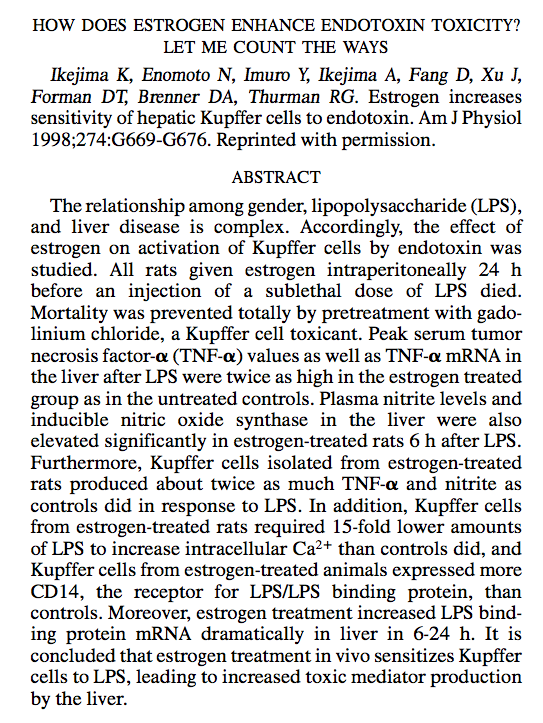
“Estrogen makes the toxic-mediator-producing cells in the liver (Kupffer cells) hypersensitive to LPS–15 times more sensitive than normal (Ikejima, et al., 1998).” -Ray Peat, PhD

Hepatology. 1998 Dec;28(6):1720-1.
HOW DOES ESTROGEN ENHANCE ENDOTOXIN TOXICITY?
LET ME COUNT THE WAYS

Maher JJ.

Posted in General.

Tagged with , , , , , , , , , , , .


How to Remove Blackheads with Gelatin and Milk

Blackheads form when hair follicles on the skin get clogged with excess oil and dead skin cells. Your body produces oil through hair follicles to moisturize and protect the skin and releases it on the surface. When oil builds up, it pools to collect dirt and dead skin cells. If not washed off, the oil falls back into the pore and forms a clog known as a comedone. When a comedone has an opening at the surface, it appears darker; this is a blackhead. Using a home remedy of gelatin and milk creates a sticky compound capable of pulling out the clog and freeing the pore.

Step 1

Place 1 tbsp. unflavored gelatin powder in a microwave-safe bowl. Add the 1 1/2 tbsp. milk to the powder and mix with a spoon.

Step 2

Set the bowl in the microwave, and heat the gelatin mixture for 10 seconds.

Step 3

Dip your fingers into the bowl, and coat your face with the gelatin.

Step 4

Leave the gelatin mask on your face for 30 minutes or until it dries completely. The mask will feel stiff when dried.

Step 5

Pull the mask off. As the gelatin comes off the skin, it will take the dirt, dead skin cells and clogs with it.

Posted in General.


The hypothyroid athlete

http://drknews.com/the-hypothyroid-athlete/

December 2nd, 2011

Marisol Aponte plays roller derby and is a fitness coach who has learned how to train effectively despite hypothyroidism.

Competitive athletes seem unlikely candidates for hypothyroidism, a disease that frequently causes fatigue, depression, and malaise.

But some athletes are surprised to learn their dwindling performance and failure to build muscle stems from improperly managed hypothyroidism.

The fact that athletes are typically fit and slender makes it easy for doctors to overlook their symptoms. And like 90 percent of Americans with hypothyroidism, most athletes have Hashimoto’s, an autoimmune condition that thyroid hormone medications alone do not properly address. As a result, performance declines until the athlete may be forced to stop competing and participating in a lifestyle she loves.

Studies show hypothyroidism affects athletic performance in a number of ways. It creates more muscle weakness and cramping, impairs cardiac function and blood flow, and hampers the ability of muscles to use fatty acids for energy, thus limiting endurance.

Athletes should avoid over training

Athletes set themselves apart by their ability to push themselves physically and mentally when most people would give up. However repeatedly pushing the body too far can produce negative health consequences.

What I commonly see in athletes, particularly endurance athletes, is adrenal fatigue, excess inflammation, and sometimes a form of anemia caused by the breakdown of red blood cells, another consequence of over training. These factors could lend a hand in triggering an autoimmune thyroid condition in someone genetically predisposed, and they can certainly exacerbate and existing thyroid condition.

I have seen many athletes boost flagging performance by adapting changes that include:

  • Lightening up their training schedules
  • Managing adrenal imbalances
  • Eliminating foods to which they are intolerant
  • Repairing inflamed and permeable guts
  • Managing any autoimmune conditions

What’s required to modulate adrenal function and tame inflammation will be different, but most see improved performance and more enjoyment from their sport after tending to these issues.

Taking more thyroid hormones is not the answer

It may be tempting to take very high doses of thyroid hormones to boost metabolism and hence performance, but this is a trap. Too much thyroid hormone can cause resistance to the thyroid and hypothyroid symptoms. Also, studies show taking excess thyroid hormone can overstimulate the production of dopamine, which could predispose one to a dopamine deficiency. In fact Muhammad Ali took very high doses of thyroid hormone during his fighting career and later developed Parkinson’s disease, a disease of dopamine deficiency. Although we don’t know the thyroid hormone overuse caused his Parkinson’s, it may have played a role.

It’s more important to address the underlying cause of the thyroid imbalance and address that. For most that will mean managing an autoimmune attack on the thyroid gland. For some athletes, due the high amount of stress they subject themselves to, it could mean lowering stress and supporting the body’s stress-handling mechanisms. It is best to work with a qualified practitioner and read Why Do I Still Have Thyroid Symptoms? to learn the best way to manage your thyroid condition.

Following are some stories from athletes with hypothyroidism, and what they have learned about working with their condition.

Hypothyroid health coach says key is to avoid over training

Marisol Aponte plays roller derby, is a kettle bell instructor, and competes in triathlons. Because she was diagnosed with hypothyroidism as a child, she has had many years to finesse a training regimen that allows her to stay active without worsening symptoms. She finds she cannot train as hard as someone with a healthy thyroid because of the adrenal fatigue it causes. To keep her endurance strong without taxing her adrenals, she gets her cardio workouts from sprint interval training, long-duration low-intensity activities such as swimming, and weight-bearing exercises such as kettle bell training.

She has found supporting her digestion with an enzyme supplement helps her assimilate protein better to ensure muscle building, and she eats a healthy diet that is strictly gluten-free. Since adapting a healthier diet and modifying her training regimen she has been able to halve the dosage of her thyroid medication.

Hypothyroid cyclist can’t keep up

Lorraine, 46, didn’t think there was such a thing as exercising too hard. She lifted weights, cycled regularly, and rode in the Triple Bypass, a 120-mile bike ride up and over three of Colorado’s 11,000-foot mountain passes. She routinely did training rides of 80 miles, however when her health began to fail she struggled to make it 10 miles. She also noticed she was unable to lift much weight at the gym, and that she couldn’t build muscle. A doctor diagnosed her with hypothyroidism and after about six months on thyroid hormones she felt better, until her performance began to decline again. Then the doctor increased her dose and the cycle repeated itself. All along her TSH was normal, leading her doctor to dismiss her symptoms.

“Basically my doctor called me a liar,” says Lorraine. “I wanted to commit hari kari because I kept being told nothing was wrong with me. It’s criminal.”

Fortunately Lorraine began working with Shane Steadman, DC, DACNB and read Why Do I Still Have Thyroid Symptoms? She follows an autoimmune protocol, has eliminated gluten, dairy, nuts, and nightshades from her diet, and uses nutritional compounds to support her fatigued adrenal glands. Dr. Steadman explained to her how over training can exhaust the adrenal glands, and Lorraine has cut back on the intensity of her workout schedule, a formerly foreign concept.

“I always pushed myself through exercise because I felt I should be able to do it,” she says.

As a result she shed some unwanted pounds and her performance has improved significantly. She is back to building muscle at the gym and has seen her endurance return. But because she suffered for so long with adrenal fatigue, she knows it will take time to fully rebuild her strength, and that she must be vigilant to temper the intensity of her workouts.

Long distance swimmer questions hypothyroidism

Linda, a reader living in England, believes her recently diagnosed autoimmune thyroid condition started in 2006, the same year her performance as a long-distance swimmer began to suffer. She managed her second swim across the English Channel that year, although it was “touch and go,” and since has met with dwindling success in other long-distance swims. Nevertheless, she is training to swim the Catalina Channel in California this summer, although the effects of her improperly managed thyroid condition distress her. It has prevented her from swimming the English Channel a third time thanks to severe cramping and crippling pain that caused her to fall short of her target by five miles. She also struggles with other thyroid symptoms, chronic anemia, and repeat respiratory infections.

It wasn’t until she read Why Do I Still Have Thyroid Symptoms? that she began to question whether her thyroid condition was sabotaging her success, even though she takes thyroid hormone medications. When she brought up intestinal permeability, the role of gluten, and other concepts in the book with her endocrinologist, he dismissed them as irrelevant and said thyroid hormone medications were the only way to manage an autoimmune thyroid condition.

Linda will begin working on her thyroid condition long-distance with a U.S.-based practitioner, which will hopefully boost her swimming performance to previous levels.

Hypothyroid runner must be careful not to overdo

Troy is a runner in his twenties who has Type I diabetes in addition to Hashimoto’s. Although he enjoys staying active, he says it can be a struggle to balance his desire to train regularly without triggering hypothyroid symptoms.

“I can’t train consistently because of my Hashimoto’s,” says Troy. “I also can’t train too hard or I can’t recover and I get hypothyroid symptoms. I’m still trying to find the right balance. When I was able to get into a good routine that’s when I got my best time for a 5K. I don’t compete a lot but I feel like some of my times are pretty good for having two autoimmune diseases.”

Finding the right balance

Hypothyroid athletes must train a little differently than their peers. Although they may not train as hard or as long, some find they can still be just as fit and competitive through prudent training, a careful diet, and by listening to their body instead of blindly pushing themselves too hard.

Posted in General.