Dynamic Mobility Warmup Phase 1 – Steve Kotter
Posted in General.
Comments Off on Dynamic Mobility Warmup Phase 1 – Steve Kotter
– January 8, 2011
Tea Cup for Shoulder Health
The tea cup movements help maintain shoulder health and mobility.
Posted in General.
Comments Off on Tea Cup for Shoulder Health
– January 8, 2011
Chocolate Ricotta Mousse
Chocolate Ricotta Mousse by Tracie Hittman
serves 8
1 15oz container of organic ricotta cheese (about 2 cups)
4 oz of semisweet chocolate, melted (I used Enjoy Life semisweet chocolate chips)
Fresh peppermint or spearmint for garnish (optional)
Instructions:
In a food processor, blend ricotta and melted chocolate until smooth.
The mousse can be refrigerated until ready to serve, up to 2 days. Bring to room temperature before serving. Garnish with a fresh mint leaf.
C = 12g P = 7g F = 10g Cals = 160

Resources
http://www.itsyourplate.com/blog/2010/12/28/chocolate-ricotta-mousse/
Posted in General.
Comments Off on Chocolate Ricotta Mousse
– December 31, 2010
Get a “Chicken Light” and Amp Up Your Energy!
Also see:
The Therapeutic Effects of Red and Near-Infrared Light (2015)
The Benefits of Near Infrared Light
Glucocorticoids, Cytochrome Oxidase, and Metabolism
Fat Deficient Animals – Activity of Cytochrome Oxidase
Light is Right
10 Tips for Better Sleep Quality
Using Sunlight to Sustain Life
Red Light Improves Mental Function
Light as Medicine? Researchers explain how
Red Light and Near-Infrared Radiation: Powerful Healing Tools You’ve Never Heard of
Get a “Chicken Light” and Amp Up Your Energy! -by Tracie Hittman
Have you ever noticed that you feel a little down in the winter months? Have you noticed your energy levels take a nosedive when the only sunlight you feel is on your cheeks as you hurry from the parking lot into the office on a cold winter day?
You Need Light for Energy
Darkness is as much of a stress on your body as poor food choices. Your cells thrive on bright light and make energy much more efficiently under those conditions. This is why most people feel so much better during the summer months.

Sunlight and strong incandescent light stimulate the mitochondria in each cell to produce energy. Darkness and fluorescent light, on the other hand, cause the mitochondria to shrink and slow down energy production.
When energy production slows down, adrenaline—a stress hormone—is produced. Adrenaline stimulates your liver to release stored sugar and also encourages fat cells to release fat into circulation in order to help produce energy. High levels of adrenaline can cause many side effects, such as anxiety, nervousness, cravings, fatigue and insomnia.
The darkness of winter can also increase another stress hormone called cortisol. Cortisol has the ability to break down your muscle tissue and store fat around your mid-section. This is not a good thing!
Get Outside & Light Up the Inside
Make your best effort to get outside and expose your skin to sunlight for at least 20 minutes daily. In the winter months, or if you live in a climate in which the weather regularly presents a challenge to getting outside, try adding light to your indoor environment in order to keep your energy production up and stress hormones down.

There are many different types of lights that will help get you through the winter. The easiest way to do this is to make a “Chicken Light,” i.e., a bright incandescent light under a hood (see photos). All you need to make a Chicken Light—sometimes used to brood baby chicks—is a 250-watt 3 -way incandescent bulb and a metal hood. These items can be purchased at your local hardware store for under $10 total.
How to use your Chicken Light
This is a very bright light, so you do not want it shining directly on your face. Instead, you want to be sitting in the presence of the bright light. I have clipped mine to the ceiling tiles in my office, and below is a picture of it clipped to the air conditioner at my home office. I have it plugged in whenever I am sitting at my desk or reading a book. Some days I only use it a couple of hours, while others I have it on all day. Many of my clients that do not have the option of sitting during the day use it at night before bed while reading or in the morning while eating breakfast.

The Stress of Darkness
In winter, there is cumulative damage to the mitochondria because of too few daylight hours to complete the rebuilding of mitochondria.
Cortisol begins to rise as soon as there is darkness, regardless of sleep or waking. Artificial light, and its absence, clearly can determine the time at which cortisol begins to rise. -Dr. Ray Peat – Generative Energy
Resources
http://www.itsyourplate.com/blog/2010/12/28/get-a-chicken-light-and-amp-up-your-energy/
Posted in General.
rev="post-2160" 6 comments
– December 29, 2010
High Cholesterol and Metabolism
Also see:
Ray Peat, PhD on Thyroid, Temperature, Pulse, and TSH
Thyroid Status and Cardiovascular Disease
Protect the Mitochondria
PUFA Promote Cancer
The Cholesterol and Thyroid Connection
High Blood Pressure and Hypothyroidism
A Cure for Heart Disease
Hypothyroidism and A Shift in Death Patterns
The Truth about Low Cholesterol
Thyroid Status and Oxidized LDL
Inflammatory TSH
“Normal” TSH: Marker for Increased Risk of Fatal Coronary Heart Disease
PUFA Decrease Cellular Energy Production
Free Fatty Acids Suppress Cellular Respiration
PUFA Breakdown Products Depress Mitochondrial Respiration
“Curing” a High Metabolic Rate with Unsaturated Fats
Fat Deficient Animals – Activity of Cytochrome Oxidase
PUFA and Liver Toxicity; Protection by Saturated Fats
Unsaturated Fats and Heart Damage
“In the last 20 years, there have been many studies showing that lowering cholesterol increases mortality, especially from cancer and suicide, and that people with naturally low cholesterol are more likely to die from cancer, suicide, trauma, and infections than people with normal or higher than average cholesterol.” -Ray Peat, PhD
“There’s almost no context in which I would speak of “an appropriate dose of T4,” since thyroxin is so effective as an antithyroid substance. It’s appropriate if you are also taking T3, or if you want to shrink your thyroid. Thyroid will dependably correct your pregnenolone production, if you have enough cholesterol, vitamin A, and protein. The cholesterol will be consumed to make pregnenolone and progesterone and bile acids. If cholesterol is below 160, fruit sugar helps to raise it. The protein is needed to detoxify estrogen, unsaturated oils, etc, and to maintain the T3. Protein deficiency gives antithyroid signals, and T4 will be used to make reverse T3 to inhibit T3’s effects. About 3 mcg of T3 especially if it’s taken with milk or gelatine-rich salty soup is effective for stopping the nocturnal alarm reaction.” -Ray Peat, PhD
“In other words, the thyroid has a profound effect on the liver. We have other evidence that a lack of thyroid is accompanied by a sluggish liver. In the first place, it has been apparents for a century that patients with myxedema (very low thyroid activity) have a yellowish tint to their skins. This has been found to be due to the presence of too much carotene in the blood. The liver converts carotene into vitamin A which is colorless. Under the administration of thyroid, the liver becomes more active and the carotene soon disappears. In the second place, the cholesterol level in the blood sis usually elevated in hypothyroidism. Thyroid administration will lower cholesterol, and if too much is given, the cholesterol will fall below normal. The liver converts cholesterol into bile salts which are eliminated in the bile; this process is the usual means of eliminating excess cholesterol. The liver is sluggish in this function among thyroid-deficient individuals…Since a sluggish liver is the most common cause of hypoglycemia, it should follow that the hypothyroid patient is highly susceptible to low blood sugar.” -Broda Barnes, MD, PhD and Charlotte Barnes
“The supply of cholesterol, thyroid and vitamin A must always be adequate for the production of steroid hormones and bile salts. When stress suppresses thyroid activity, increased cholesterol probably compensates to some extent by permitting more progesterone to be synthesized.” -Ray Peat, PhD
“A person may have normal levels of thyroxin but not be converting it adequately to the active form of the thyroid hormone (triiodothyronine or liothyronine). High cholesterol is practically diagnostic of hypothyroidism. Why? Because thyroid hormone controls the conversion of cholesterol to important anti-aging hormones and to bile salts. However, many hypothyroid people have low cholesterol from a suppressed immune system, liver problems, or from eating a low protein (vegan) diet.” -Lita Lee, PhD
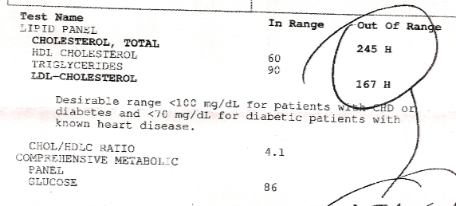
By 1930 a clear relationship between thyroid hormone and cholesterol had been established. High cholesterol was formerly used as a reliable marker for hypothyroidism. Much of what we have learned about human and animal physiology continues to be blurred by marketing, special interest, existing pharmaceutical patents, and the pursuit of mega profits.
When billions of dollars are at stake, it’s easy to have amnesia regarding cholesterol’s important role in human and animal physiology. The medical culture has done an exceptional job of firmly ingraining the idea that cholesterol is bad and the lower the serum cholesterol the better off you are. However, this anti-cholesterol sentiment isn’t warranted and such a stance is ignorant and harmful.
Cholesterol
Despite being widely villainized, cholesterol is a protective substance and plays an important role in our physiology. Most cholesterol is not obtained from food but is manufactured endogenously by the the liver. Cholesterol serves two relevant functions as it applies to our discussion – it acts as the raw material for both bile salts and steroid hormones.
Bile salts are made from cholesterol in the liver and stored in the gallbladder. The entry of dietary fats into the small intestine signals the release of bile from the gallbladder through the common bile duct into the small intestine. Bile salts serve two major functions:
(1) excretion of fat-soluble toxins, bilirubin, and excess cholesterol
(2) transportation and absorption of dietary fats
Steroid hormones are made in multiple tissues from LDL cholesterol. These hormones include DHEA, pregnenolone, and progesterone as well as aldosterone, cortisol, testosterone, and the estrogens. Each of these substances plays a multi-faceted role in our physiology, and the inability to convert LDL cholesterol to these protective steroids and bile salts can produce detrimental effects if left uncorrected over a long period of time.
Liver and Thyroid
The liver performs many functions and its health is paramount to ridding the body of toxins, regulating blood sugar & estrogen, producing cholesterol, and supporting metabolism. The thyroid gland in located in the lower front portion of your neck and is responsible for making thyroid hormones that regulate metabolism and energy.
Most of the hormone that the thyroid gland itself makes is a precursor hormone, known as T4 or thyroxine. T4 does NOT increase the metabolism; it must be converted into another hormone, T3 or triiodothyronine, to have this effect.
Only about 10% of the hormone produced by the gland is T3, which is known as the active thyroid hormone. It’s T3 that is deficient in hypothyroidism and its availability determines the intensity of the metabolic rate.
The large amount of the precursor hormone T4 made the thyroid gland must be converted into T3 by the liver. The liver (if well nourished by a supportive diet and lifestyle) enzymatically converts T4 into T3 as T3 is consumed by the tissues. Most (~70%) of the body’s T3 is provided by the liver, not the thyroid gland.
The liver is an endocrine gland and produces more T3 than does the thyroid! Metabolic slow downs often occur due to poor liver health. Anything that adversely affects liver function will influence metabolism and the production of a majority of the body’s T3. T3 not only determines the intensity of the metabolic rate; but as discussed next, also determines the rate at which cholesterol is converted into steroid hormones and bile salts.
T4, T3, and Cholesterol Metabolism
Thyroid hormones are essential to a healthy metabolism but serve as more than metabolism stimulating hormones. One of their other functions is a role in the conversion of cholesterol into both bile salts and steroid hormones (steroidogenesis).
A thyroid hormone deficiency will thus slow the turnover of cholesterol into bile salts and steroid hormones. The following is a list of factors that contribute to a thyroid hormone insufficiency:
- Polyunsaturated fat rich diet (grains, nuts, seeds, beans, fatty seafood, above ground vegetables, vegetable oils, seed oils, nut butters, fish oils
- Chronic stress
- High adrenaline, cortisol
- Hypoglycemia/Blood sugar dysregulation
- Protein deficiency
- Vitamin/mineral deficiency
- Low red light exposure
- Liver dysfunction
- Excess estrogen
- Radiation
- Progesterone deficiency relative to estrogen
- Over exercise
- Bacterial endotoxin (lipopolysaccharide)
- Low carbohydrate diet
Cholesterol and Metabolism
“A high level of serum cholesterol is practically diagnostic of hypothyroidism, and can be seen as an adaptive attempt to maintain adequate production of the protective steroids. Broda Barnes’ work clearly showed that hypothyroid populations are susceptible to infections, heart disease, and cancer.” -Ray Peat, PhD
Because thyroid hormone has an established role in steroidogenesis and bile salt synthesis, a thyroid hormone deficiency will lead to a rise in total cholesterol. Accordingly, the hypothyroid typically have high cholesterol while the hyperthyroid typically have low cholesterol. Thyroidectomy (removal of thyroid) results in a rise in serum cholesterol; administration of thyroid restores serum cholesterol levels.
High cholesterol (hypercholesterolemia) can thus serve as a marker of a failing thyroid system. In people over the age of 50, cholesterol has an inverse relationship with mortality. Many studies indicate that in elderly populations low cholesterol is associated with higher risk of all-cause mortality. This serves as an indication of the protective nature of cholesterol and the substances made from it and also is a reflection of the tendency of metabolic rate to decline with age.
An physiologically relevant strategy to decrease high cholesterol would be to assess and correct the underlying factors contributing to the hypothyroid state. The use of T4 and T3 and a thyroid protective diet to facilitate cholesterol’s conversion to other substances may be a consideration. Physiological doses of thyroid hormone to lower cholesterol may not have the accompanying side effects or risks that artificial substances do and have the added benefit of improving metabolic rate.
Slowed cholesterol turnover
This information makes you wonder if the diseases blamed on high cholesterol are not to due cholesterol itself but rather on a failing metabolism and the factors that cause it.
Statin therapy attempts to cut off cholesterol production at the level of the liver without facilitating conversion of cholesterol into steroids or bile salts. Decreasing high cholesterol through conversion into other beneficial substances is a more biologically valuable therapy.
A properly working metabolism allows protective, antioxidant, and anti-inflammatory steroid hormoes such as DHEA, progesterone, and pregnenalone to be made decreasing the likelihood of a variety of disease processes; it also encourages the oxidization of glucose producing ATP, water, and protective CO2; and supports the liver’s production of bile salts responsible for the breakdown of fats and elimination of fat-soluble toxins and excess cholesterol through the bowel.
All in all, the rise of cholesterol in aging and hypothyroidism is not a maladaptive response but a protective one which encourages the synthesis of protective steroids. In a healthy individual, the perpetual turnover of cholesterol in the tissues that occurs when thyroid hormone production is optimal tends to lower the proportion of the toxic oxidized variants of cholesterol while at the same time encouraging the production of protective steroid hormones.
In a chronic hypothyroid state, the conversion of cholesterol to other substances is slowed allowing the toxic oxidized forms of cholesterol to accrue leading to diseases of the cardiovascular system. In this scenario, cholesterol loses its protective functions. Thyroid hormone has been shown to have beneficial effects on those with acute and chronic cardiovascular disease.
Maintain metabolic rate
Nourishing the liver with a constant supply of blood glucose, sufficient protein, and a diet rich in vitamins and minerals will help in the elimination of estrogen and support the conversion of T4 to T3.
Avoiding a high stress lifestyle and hypoglycemic conditions reduces the influence of cortisol and adrenaline, which have multiple adverse affects on the conversion of T4 into T3 production.
Excess estrogen and dietary polyunsaturated fats (PUFA) block the secretion, transport, and action of the thyroid hormone in the tissues. PUFA damage the energy and steroid producing parts of cells, lowering energy production and causing hormone imbalances. PUFA are directly linked with cancer and heart disease progression and are toxic to the liver.
Endotoxin produced in the intestine is a chronic, endogenous stressor that raises estrogen and negatively affects the liver. Bowel regularity decreases the intestinal toxin burden and is paramount to both a healthy liver and a healthy metabolism.
Ripe fruits, milk, orange juice from ripe oranges, honey, sucrose, and well-cooked below ground vegetables provide carbohydrate. Saturated fats and sufficient protein intake that represents consumption of the entire animal would serve to support metabolism and reduce consumption of anti-thyroid substances.
Animal protein is superior to vegetable protein to meet amino acid requirements. Too much animal meat can be anti-thyroid so adults should emphasize gelatin/broth, pastured chicken eggs, milk, and cheese for daily proteins with occasional muscle meat exposures from herbivores along with shellfish for trace minerals, and organ meat once a week for a multivitamin.
Exposure to sunlight improves metabolic function (and affects cholesterol levels) as does living at altitude. Stress reduction has wide sweeping benefits as well because stress impairs thyroid function and affects the blood sugar.
FPS coaches a 12 week nutrition course based on the methodology of Ray Peat, PhD. Please click here for more information.
Resources
(1) “Cholesterol, longevity, intelligence, and health” by Ray Peat, PhD
(2) Blood Cholesterol Values in Hyperthyroidism and Hypothyroidism — Their Significance
http://www.nejm.org/doi/pdf/10.1056/NEJM193012252032601
(3) Dietary cholesterol provided by eggs and plasma lipoproteins in healthy populations.
http://www.ncbi.nlm.nih.gov/pubmed/16340654
It is also important to note that 70% of the population experiences a mild increase or no alterations in plasma cholesterol concentrations when challenged with high amounts of dietary cholesterol (hyporesponders). Egg intake has been shown to promote the formation of large LDL, in addition to shifting individuals from the LDL pattern B to pattern A, which is less atherogenic.
(4) Effects of D- and L-triiodothyronine and of J propylthiouracil on the production of bile acids in the rat
http://www.jlr.org/content/4/3/305.full.pdf
When daily production of bile acids (C + CDC) was calculated from the values of turnover rate and pool size, it was found that normal rats had an average synthesis of 4.9 mg bile acids per day, while the production for the LT3- and DT3-treated rats averaged about 8.0 mg/day. This tendency towards increased total bile acid production in the thyroid hormone-treated rats was mainly due to a 2- to 3-fold increase in the daily synthesis of CDC.
(5) The decrease of liver LDL receptor mRNA during fasting is related to the decrease in serum T3
http://www.ncbi.nlm.nih.gov/pubmed/9608674
In conclusion: (1) Fasting induces a hypothyroid-like condition in which inhibition of hepatic conversion of T4 into T3 may be responsible for the decrease of serum T3. (2) Fasting induces an increase of plasma LDL cholesterol, apparently caused by a decrease of hepatic LDL receptor gene expression which is (partly) related to the fall in serum T3
(6) Effects of L-triiodothyronine and the thyromimetic L-94901 on serum lipoprotein levels and hepatic low-density lipoprotein receptor, 3-hydroxy-3-methylglutaryl coenzyme A reductase, and apo A-I gene expression.
http://www.ncbi.nlm.nih.gov/pubmed/9698096
Thyroidectomy resulted in a 77% increase in plasma LDL cholesterol, a 60% decrease in plasma triglycerides, and a modest reduction in HDL cholesterol. Daily oral dosing with T3 (10-170 nmol/kg) or L94901 (100-1000 nmol/kg) for 7 days decreased plasma LDL cholesterol in thyroidectomized rats by 60-80%, respectively. This reduction in LDL cholesterol was accompanied by a dose-dependent increase in HDL cholesterol levels of up to 60%.
(7) Sterol Balance in Hypothyroidism
http://jcem.endojournals.org/cgi/content/abstract/1/10/799
The onset of thyroid treatment was followed by a marked drop in serum cholesterol of hypothyroid patients. With a daily dose of two grains (128 mg.) of desiccated thyroid the serum cholesterol of patients with hypothyroidism decreased in amounts varying from 117 to 385 mg. per cent (2). When thyroid medication was discontinued the serum cholesterol of patients with hypothyroidism increased greatly in the course of 4 to 20 weeks, reaching levels 98 to 411 mg. per cent above those of the period of treatment in 15 of 17 cases. In normal children the withdrawal of thyroid medication caused an increase of only 10 to 55 mg. per cent (3).
(8) The role of the thyroid in the regulation of the blood cholesterol of rabbits
http://www.ncbi.nlm.nih.gov/pmc/articles/PMC2133549/
3. When long continued cholesterol feeding has failed to cause a rise in the blood cholesterol of rabbits, thyroidectomy abolishes this resistance and a hypercholesterolemia is promptly produced. 4. A single injection of thyroxin causes a significant drop in the blood cholesterol of rabbits with hypercholesterolemia. This reaction is not influenced by thyroidectomy.
(9) Cholesterol metabolism in hypothyroidism and hyperthyroidism in man
http://www.jlr.org/content/22/2/323.full.pdf
Treatment of hypothyroid patients produced the expected fall in LDL. One possible mechanism could be that thyroid hormones enhance the conversion of cholesterol into bile acids; this mechanism has been suggested by other workers from animal studies. However, no evidence was obtained in either hypothyroid or hyperthyroid patients that thyroid hormones alter synthesis of bile acids.
(10) Effect of endocrine factors on cholesterol turnover in young and old rats
http://www.ncbi.nlm.nih.gov/pubmed/5111796
(1) Hypophysectomy or thyroidectomy slows down cholesterol turnover in blood and aorta in young rats. Old animals do not react to thyroidectomy and after hypophysectomy only cholesterol turnover in blood is slowed down.
(2) Administration of thyroxine or insulin increases cholesterol turnover in the blood and aorta of the young rats but is without effect in the old rats. A much higher dose of insulin is necessary to increase cholesterol turnover in the blood of old rats.
(3) It is concluded that decrease of cholesterol turnover in old animals can be partly explained by smaller sensitivity of cholesterol metabolism to thyroxine and insulin and by smaller secretion of thyroxine.
(11) Hormonal involvement in the reduction of cholesterol associated with chronic exercise
http://www.springerlink.com/content/w3m72257520j463j/
These findings imply that thyroid hormones are involved in the reduction of cholesterol with exercise.
(12) Function of the hypophysis-thyroid system in the rabbit fetus with regard to cholesterol metabolism
http://chemport.cas.org/cgi-bin/sdcgi?APP=ftslink&action=reflink&origin=npg&version=1.0&coi=1:CAS:528:DyaF3MXkvFKjsA%3D%3D&pissn=0028-0836&pyear=1963&md5=48e92209a910d362e7e5372e02a0c47c
This indicated that the pituitary and thyroid play a part in cholesterol metabolism of the fetus. Apparently, the maternal thyroid hormones and thyrotropic hormone do not compensate for the absence of fetal thyroid and pituitary hormones in the rabbit.
(13) Function of the fetal thyroid of the rabbit with regard to cholesterol metabolism studied by fetal thyroidectomy
http://chemport.cas.org/cgi-bin/sdcgi?APP=ftslink&action=reflink&origin=npg&version=1.0&coi=1:CAS:528:DyaF3MXht1KjtLw%3D&pissn=0028-0836&pyear=1963&md5=94a10863e940ec5aa619bb4131dcbf94
Serum cholesterol levels of thyroidectomized fetuses were significantly higher than those of untreated litter mates, indicating that the fetal thyroid plays a part in fetal cholesterol metabolism.
(14) Seasonal Variation in Serum Cholesterol Levels Treatment Implications and Possible Mechanisms
http://archinte.ama-assn.org/cgi/reprint/164/8/863.pdf
Overall, 22% more participants had total cholesterol levels of 240 mg/dL or greater ( 6.22 mmol/L) in the winter than in the summer.
(15) Serum Cholesterol Variations in Man
http://www.ncbi.nlm.nih.gov/pmc/articles/PMC434849/?page=5
4. Thyroid administration produced a sharp drop in serum cholesterol in every case. This accompanied by a rise in the basal metabolic rate.
(16) Involvement of the steroidogenic acute regulatory (StAR) protein
http://www.jbc.org/content/274/9/5909.full
http://www.jbc.org/content/274/9/5909.full.pdf
The current findings demonstrate for the first time that thyroid hormones, through induction of the SF-1-mediated StAR gene expression, play a major role in the regulation of steroidogenesis.
(17) Interaction of thyroid hormone and steroidogenic acute regulatory (StAR) protein in the regulation of murine Leydig cell steroidogenesis
These findings demonstrate a key role of thyroid hormone in maintaining mouse Leydig cell function, where thyroid hormone and StAR protein coordinately regulate steroid hormone biosynthesis.
(18) Thyroid Hormones: Their role in testicular steroidogenesis
http://informahealthcare.com/doi/abs/10.1080/01485010390204968
Although the role of T3 on sperm, germ, and peritubular cells has not yet been completely studied, it is clear that T3 directly regulates Sertoli and Leydig cell functions. Further studies are required to elucidate the direct effect of T3 on sperm, germ, and peritubular cells.
(19) Leydig cells, thyroid hormones and steroidogenesis.
http://www.ncbi.nlm.nih.gov/pubmed/16313060
It is evident now that thyroid hormones perform many functions in Leydig cells. For the process of postnatal Leydig cell differentiation, thyroid hormones are crucial. Thyroid hormones acutely stimulate Leydig cell steroidogenesis. Thyroid hormones cause proliferation of the cytoplasmic organelle peroxisome and stimulate the production of steroidogenic acute regulatory protein (StAR) and StAR mRNA in Leydig cells; both peroxisomes and StAR are linked with the transport of cholesterol, the obligatory intermediate in steroid hormone biosynthesis, into mitochondria.
(20) Influence of thyroxine on human granulosa cell steroidogenesis in vitro
http://www.springerlink.com/content/u15h32458544423p/
All concentrations of T4 used produced a statistically significant increase in progesterone secretion (range, 1.39 to 1.60 times the baseline amount). The increase in estradiol secretion reached statistical significance only at a T4 concentration of 10–8 M (1.24 times the baseline amount).
(21) The role of thyroid hormone in testicular development and function (review)
http://joe.endocrinology-journals.org/cgi/content/abstract/199/3/351
Thyroid hormone is a critical regulator of growth, development, and metabolism in virtually all tissues, and altered thyroid status affects many organs and systems. Although for many years testis has been regarded as a thyroid hormone unresponsive organ, it is now evident that thyroid hormone plays an important role in testicular development and function. A considerable amount of data show that thyroid hormone influences steroidogenesis as well as spermatogenesis. The involvement of tri-iodothyronine (T3) in the control of Sertoli cell proliferation and functional maturation is widely accepted, as well as its role in postnatal Leydig cell differentiation and steroidogenesis. The presence of thyroid hormone receptors in testicular cells throughout development and in adulthood implies that T3 may act directly on these cells to bring about its effects
(22) Augmentation by thyroxine of human granulosa cell gonadotrophin-induced steroidogenesis
http://humrep.oxfordjournals.org/content/10/11/2845.abstract
All concentrations of thyroxine used produced a statistically significant increase in oestradiol (range 1.18−1.37 times the amount with FSH/LH alone) and progesterone (range 1.29−1.51 times the amount with FSH/LH alone) secretion.
(23) Free thyroid hormones and cholesterol in follicular fluid of bovine ovaries
http://bulletin.piwet.pulawy.pl/archive/50-2/11_Blaszczyk.pdf
Our resultsconfirm that thyroid hormones are required for bovine follicular function and indicate that the intra-follicular concentrations of FT3 and cholesterol may be affected by the season. Our findings suggest that thyroid hormones may be involved in cholesterol metabolism in bovine follicles.
(24) Effect of thyroidectomy on pregnenolone and progesterone biosynthesis in rat adrenal cortex.
http://www.ncbi.nlm.nih.gov/pubmed/7109578
Thyroid hormones may therefore affect the availability of the energy mechanisms connected with the proton motive force, since thyroidectomy reduces both the phosphorylative oxidation and energy-dependent hydroxylation reactions involved in steroidogenesis.
(25) The effect of the treatment of hypothyroidism and hyperthyroidism on plasma lipids and apolipoproteins AI, AII and E.
http://www.ncbi.nlm.nih.gov/pubmed/9059553?dopt=Abstract
Hypothyroidism and hyperthyroidism have opposite effects on plasma lipids and apolipoproteins. In hypothyroidism, total and HDL cholesterol, total/HDL cholesterol ratio, apo AI and apo E are elevated. The increase in apo AI without a concomitant increase in apo AII suggests selective elevation of HDL2. In contrast, hyperthyroidism is associated with decreased total and HDL cholesterol, total/HDL cholesterol ratio, and apo AI levels. These effects are reversible with treatment of the underlying thyroid disorder.
(26) Changes in Plasma Low-Density Lipoprotein (LDL)- and High-Density Lipoprotein Cholesterol in Hypo- and Hyperthyroid Patients Are Related to Changes in Free Thyroxine, Not to Polymorphisms in LDL Receptor or Cholesterol Ester Transfer Protein Genes
http://jcem.endojournals.org/cgi/content/abstract/85/5/1857?ijkey=13f1402d09f6b26242da2f3b06dcd589077fbc41&keytype2=tf_ipsecsha
In conclusion, in the transition from hypo- or hyperthyroidism to euthyroidism, no association is found between AvaII genotype and changes in plasma LDL-C nor between TaqIB genotype and changes in HDL-C. Changes in LDL-C and HDL-C correlate with changes in fT4.
(27) Hypothyroidism: A Double Blind, Placebo-Controlled Trial (Basel Thyroid Study)
http://jcem.endojournals.org/cgi/content/abstract/86/10/4860?ijkey=eb11362f157bc1daa75d5e062644024f1f3b4823&keytype2=tf_ipsecsha
This is the first double blind study to show that physiological L-thyroxine replacement in patients with subclinical hypothyroidism has a beneficial effect on low density lipoprotein cholesterol levels and clinical symptoms of hypothyroidism. An important risk reduction of cardiovascular mortality of 9–31% can be estimated from the observed improvement in low density lipoprotein cholesterol.
(28) The association between TSH within the reference range and serum lipid concentrations in a population-based study. The HUNT Study.
http://www.ncbi.nlm.nih.gov/pubmed/17287407
Within the range of TSH that is considered clinically normal, we found that increasing level of TSH was associated with less favourable lipid concentrations. The association with serum lipids was linear across the entire reference range of TSH.
(29) Effect of Thyroxine Therapy on Serum Lipoproteins in Patients with Mild Thyroid Failure: A Quantitative Review of the Literature
http://jcem.endojournals.org/cgi/content/abstract/85/9/2993
These results, although based on fewer than 250 patients, suggest that T4 therapy in individuals with mild thyroid failure lowers mean serum total and LDL cholesterol concentrations. The reduction in serum total cholesterol may be larger in individuals with higher pretreatment cholesterol levels and in hypothyroid individuals taking suboptimal T4 doses.
(30) Normalization of Hyperhomocysteinemia with L-Thyroxine in Hypothyroidism
http://www.annals.org/content/131/5/348.full.pdf+html
Hypothyroidism may be a treatable cause of hyperhomocysteinemia, and elevated plasma homocysteine levels may be an independent risk factor for the accelerated atherosclerosis seen in primary hypothyroidism
(31) Thyroid Hormone Regulation and Cholesterol Metabolism Are Connected through Sterol Regulatory Element-binding Protein-2 (SREBP-2)
http://darwin.bio.uci.edu/~osborne/DJS1.pdf
In mammals, thyroid hormone depletion leads to decreased LDL receptor expression and elevated serum cholesterol. The clinical association in humans has been known since the 1920s; however, a molecular explanation has been lacking…Thus, we propose that the decreased LDL receptor and increased serum cholesterol associated with hypothyroidism are secondary to the thyroid hormone effects on SREBP-2. These results suggest that hypercholesterolemia associated with hypothyroidism can be reversed by agents that directly increase SREBP-2.
(32) Defects of receptor-mediated low density lipoprotein catabolism in homozygous familial hypercholesterolemia and hypothyroidism in vivo.
http://www.ncbi.nlm.nih.gov/pubmed/6264482
Receptor-mediated catabolism of LDL, determined as the difference between the turnover of 125I and 131I, was found to be virtually absent in two homozygotes with familial hypercholesterolemia and markedly reduced in a hypothyroid patient. Treatment of the latter with L-thyroxine markedly stimulated receptor-mediated catabolism and reduced LDL levels as did cholestyramine administration in a control subject. Reduction of LDL levels by plasma exchange in a control subject and homozygote had no such effect. These results demonstrate the existence of an intrinsic and almost total defect of receptor-mediated LDL catabolism in homozygous familial hypercholesterolemia and demontrate an analogous but reversible abnormality in hypothyroidism.
(33) Cholesterol as risk factor for mortality in elderly women
http://www.ncbi.nlm.nih.gov/pubmed/2564950
The relation between low cholesterol values and increased mortality was independent of the incidence of cancer.
(34) Relationship between plasma lipids and all-cause mortality in nondemented elderly
http://www.ncbi.nlm.nih.gov/pubmed/15673344
Low cholesterol level is a robust predictor of mortality in the nondemented elderly and may be a surrogate of frailty or subclinical disease. More research is needed to understand these associations
(35) Serum total cholesterol levels and all-cause mortality in a home-dwelling elderly population: a six-year follow-up
http://www.ncbi.nlm.nih.gov/pubmed/20470020
Participants with low serum total cholesterol seem to have a lower survival rate than participants with an elevated cholesterol level, irrespective of concomitant diseases or health status.
(36) Lack of association between cholesterol and coronary heart disease mortality and morbidity and all-cause mortality in persons older than 70 years
http://www.ncbi.nlm.nih.gov/pubmed/7772105
Our findings do not support the hypothesis that hypercholesterolemia or low HDL-C are important risk factors for all-cause mortality, coronary heart disease mortality, or hospitalization for myocardial infarction or unstable angina in this cohort of persons older than 70 years
(37) HDL cholesterol predicts coronary heart disease mortality in older persons.
http://www.ncbi.nlm.nih.gov/pubmed/7629981
Low HDL-C predicts CHD mortality and occurrence of new CHD events in persons older than 70 years. Elevated total cholesterol was not found to be associated with CHD mortality in older men, but may be a risk factor for CHD in older women
(38) Low total cholesterol and increased risk of dying: are low levels clinical warning signs in the elderly? Results from the Italian Longitudinal Study on Aging
http://www.ncbi.nlm.nih.gov/pubmed/12834520
Subjects with low TC levels (<189 mg/dL) are at higher risk of dying even when many related factors have been taken into account. Although more data are needed to clarify the association between TC and all-cause mortality in older individuals, physicians may want to regard very low levels of cholesterol as potential warning signs of occult disease or as signals of rapidly declining health
(39) Plasma triglyceride metabolism in thyroid disease.
http://www.ncbi.nlm.nih.gov/pubmed/4341014?dopt=Abstract
There was a significant linear correlation between the concentration and turnover rate of plasma triglycerides in both hyperthyroid and euthyroid subjects but the concentration/turnover rate ratio was less in the former group suggesting that the efficiency of removal of triglycerides from the circulation was improved in thyroid hyperfunction.
(40) Effects of Thyroid Hormone on the Cardiovascular System
http://rphr.endojournals.org/cgi/content/abstract/59/1/31?ijkey=31d707dfeda0c6feea5b673819ea222e4a9e5820&keytype2=tf_ipsecsha
Preliminary clinical investigations suggest that administration of thyroid hormone or its analogue 3,5-diiodothyropropionic acid greatly benefits these patients, highlighting the potential role of thyroid hormone treatment in patients with acute and chronic cardiovascular disease.
(41) The Influence of Age on the Relationship between Subclinical Hypothyroidism and Ischemic Heart Disease: A Metaanalysis
http://jcem.endojournals.org/cgi/content/abstract/93/8/2998
SCH is associated with increased IHD (both prevalence and incidence) and cardiovascular mortality only in subjects from younger populations. These data suggest that increased vascular risk may only be present in younger individuals with SCH.
(42) Subclinical hypothyroidism, arterial stiffness, and myocardial reserve.
http://www.ncbi.nlm.nih.gov/pubmed/16537677
Arterial stiffness was increased in SCH and improved with l-thyroxine, which may be beneficial, whereas myocardial functional reserve was similar to controls and remained unaltered after treatment
(43) Hypothyroidism and Atherosclerosis
http://jcem.endojournals.org/cgi/reprint/88/6/2438.pdf
(44) Impaired endothelium-dependent vasodilatation in subclinical hypothyroidism: beneficial effect of levothyroxine therapy.
http://www.ncbi.nlm.nih.gov/pubmed/12915662
Patients with sHT are characterized by endothelial dysfunction resulting from a reduction in NO availability, an alteration partially independent of dyslipidemia and reversed by levothyroxine supplementation.
(45) Effect of levothyroxine replacement on lipid profile and intima-media thickness in subclinical hypothyroidism: a double-blind, placebo- controlled study
http://www.ncbi.nlm.nih.gov/pubmed/15126526
L-T(4) replacement significantly reduced both total and LDL cholesterol (P < 0.0001 for both) and mean-IMT (by 11%, P < 0.0001). The decrement in IMT was directly related to the decrements of both total cholesterol and TSH (P = 0.02 and P = 0.0001, respectively). We conclude that early carotid artery wall alterations are present in sHT patients. Whether such IMT increase is related to an early atherosclerotic involvement of the arterial wall cannot be clearly decided on the basis of the present results. However, the fact that L-T(4) replacement therapy was able to improve both the atherogenic lipoprotein profile and intima-media thickening suggests that lipid infiltration of arterial wall may represent a major mechanism underlying IMT increase in subclinical hypothyroidism.
(46) “Altitude and Mortality” by Ray Peat, PhD
(47) High intake of cholesterol results in less atherogenic low-density lipoprotein particles in men and women independent of response classification.
http://www.ncbi.nlm.nih.gov/pubmed/15164336
Because LDL peak diameter was not decreased and the larger LDL-1 subclass was greater in hyperresponders following egg intake, these data indicate that the consumption of a high-cholesterol diet does not negatively influence the atherogenicity of the LDL particle.
(48) Dietary cholesterol does not increase biomarkers for chronic disease in a pediatric population from northern Mexico.
http://www.ncbi.nlm.nih.gov/pubmed/15447890
Intake of 2 eggs/d results in the maintenance of LDL:HDL and in the generation of a less atherogenic LDL in this population of Mexican children.
(49) Pre-menopausal women, classified as hypo- or hyperresponders, do not alter their LDL/HDL ratio following a high dietary cholesterol challenge.
http://www.ncbi.nlm.nih.gov/pubmed/12074253
These data revealed that excess dietary cholesterol does not increase the risk of developing an atherogenic lipoprotein profile in pre-menopausal women, regardless of their response classification. Although the addition of 640 mg of cholesterol to the diet did result in an increase in plasma cholesterol in hyperresponders, the LDL/HDL ratio was maintained.
(50) The effect of thyrotrophic hormone upon serum cholesterol
http://www.ncbi.nlm.nih.gov/pmc/articles/PMC1266515/pdf/biochemj01075-0012.pdf
The intraperitoneal injection of the thyrotropic hormone caused a marked
decrease in the serum cholesterol of rats and dogs. The serum cholesterol curve shows a reciprocal relationship to the basal metabolic rate curve of rats receiving chronic injections of the thyrotropic hormone.
(51) Hypothyroidism in coronary heart disease and its relation to selected risk factors
http://www.ncbi.nlm.nih.gov/pmc/articles/PMC1994013/
HT was found highly prevalent in patient with clinical coronary heart disease, mainly in females, and was associated with several cardiovascular risk factors.
(52) Thyroid dysfunction and their relation to cardiovascular risk factors such as lipid profile, hsCRP, and waist hip ratio in Korea
http://www.ncbi.nlm.nih.gov/pubmed/14619383
Patients with subclinical hypothyroidism exhibited elevated atherogenic parameters (Total cholesterol, LDL-C). Therefore screening and treatment for subclinical hypothyroidism may be warranted due to its adverse effects on lipid metabolism.
(53) Risk factors for cardiovascular disease in women with subclinical hypothyroidism.
http://www.ncbi.nlm.nih.gov/pubmed/12097204
We conclude that subclinical hypothyroidism in middle-aged women is associated with hypertension, hypertriglyceridemia, and elevated TC/HDL-C ratio. This may increase the risk of accelerated atherosclerosis and premature coronary artery disease in some patients.
(54) Cardiovascular risk factors in patients with subclinical hypothyroidism
http://www.ncbi.nlm.nih.gov/pubmed/18050969
Subclinical hypothyroidism was associated with higher BMI, diastolic hypertension, higher total cholesterol and triglicerides levels and higher total cholesterol/HDL cholesterols ratio. This might increase the risk of accelerated arteriosclerosis in patients with SH.
(55) Thyroid dysfunction and serum lipids: a community-based study
http://www.ncbi.nlm.nih.gov/pubmed/16343102
SCH is associated with increased serum LDL-C concentrations, which is significant after adjustment for age, age(2) and sex.
(56) The effect of L-thyroxine replacement therapy on lipid based cardiovascular risk in subclinical hypothyroidism
http://www.ncbi.nlm.nih.gov/pubmed/15762035
In conclusion, even mild elevations of TSH are associated with changes in lipid profile significant enough to raise the cardiovascular risk ratio, and these changes are corrected once the patients have been rendered euthyroid.
(57) Thyroid substitution therapy induces high-density lipoprotein-associated platelet-activating factor-acetylhydrolase in patients with subclinical hypothyroidism: a potential antiatherogenic effect
http://www.ncbi.nlm.nih.gov/pubmed/15929667
Patients with SH exhibit increased plasma PAF-AH activity and low HDL-associated PAF-AH activity. Levothyroxine induces a significant increase in HDL-PAF-AH activity. This action may represent a potential antiatherogenic effect of thyroid replacement therapy.
(58) Evaluation response and effectiveness of thyroid hormone replacement treatment on lipid profile and function in elderly patients with subclinical hypothyroidism
http://www.ncbi.nlm.nih.gov/pubmed/16621071
It was shown that THR among patients with SCH is beneficial not only by improvement in lipid profile, as well as by improvement in cognitive and functional status, but also in decreasing blood pressure and BMI.
(59) Disturbed lipid metabolism in patients with subclinical hypothyroidism: effect of L-thyroxine therapy.
http://www.ncbi.nlm.nih.gov/pubmed/7949641
Thus, the L-T4 treatment appears to have a preventive effect on the disturbance of lipid metabolism in patients with subclinical hypothyroidism, especially in patients with serum TSH levels above 10 mU/l.
(60) Hypercholesterolemia treatment: a new hypothesis or just an accident?
http://www.ncbi.nlm.nih.gov/pubmed/12445520
A new hypothesis concerning the association of low levels of steroid hormones and hypercholesterolemia is proposed. This study presents data that concurrent restoration to youthful levels of multiple normally found steroid hormones is able to normalize or improve serum total cholesterol (TC). We evaluated 20 patients with hypercholesterolemia who received hormonorestorative therapy (HT) with natural hormones. Hundred percent of patients responded. Mean serum TC was 263.5 mg/dL before and 187.9 mg/dL after treatment. Serum TC dropped below 200 mg/dL in 60.0%. No morbidity or mortality related to HT was observed. In patients characterized by hypercholesterolemia and sub-youthful serum steroid hormones, our findings support the hypothesis that hypercholesterolemia is a compensatory mechanism for life-cycle related down-regulation of steroid hormones, and that broadband steroid hormone restoration is associated with a substantial drop in serum TC in many patients.
Posted in General.
Comments Off on High Cholesterol and Metabolism
– December 28, 2010
The Gastrointestinal Tract and Liver in Hypothyroidism
The Gastrointestinal Tract and Liver in Hypothyroidism
Sanjeev M. Wasan
Joseph H. Sellin
Rena Vassilopoulou-Sellin
The sluggish and slow response characteristic of the patient with hypothyroidism in general marks the major gastrointestinal (GI) manifestations of hypothyroidism: sluggish intestinal motility ranging from mild obstipation to paralytic ileus and intestinal pseudo-obstruction. Hypothyroidism most often afflicts elderly persons, who frequently discount the significance of an insidious decrease in bowel movements. Severe constipation unresponsive to laxatives, therefore, may be a prominent finding at diagnosis. Younger patients with hypothyroidism secondary to treatment for thyrotoxicosis or thyroid cancer frequently gain weight because of decreased physical activity coupled with unchanged food intake. In infants, the observation of infrequent hard stools should serve as a clue to the diagnosis.
Hypothyroidism affects the GI tract in several additional ways. As with thyrotoxicosis, atrophic gastritis and pernicious anemia may be associated findings. Therefore, prompt investigation of gastric histology and vitamin B12 metabolism should follow the discovery of megaloblastic anemia in the hypothyroid patient. Although there may be a specific hepatic lesion of hypothyroidism, associated autoimmune liver disease is probably more common. In the hypothyroid patient with liver function abnormalities, particular diagnostic efforts should be directed toward the possibility of primary biliary cirrhosis or autoimmune hepatitis.
INTESTINAL MOTILITY IN HYPOTHYROIDISM
Although most patients with hypothyroidism average one bowel movement daily, about one eighth have fewer than three movements weekly; also, laxative use increases significantly (1). Insidious symptoms of vague abdominal pain and distention may be present and often are diagnosed as functional bowel disease. Unusual GI manifestations, such as a gastric phytobezoar (2) or a lesion mimicking carcinoma of the sigmoid colon (3), have been reported. Rectal prolapse, sigmoid volvulus, and intestinal pseudo-obstruction (4) occasionally are seen. Severe cases may present with intestinal atony and ileus (5), often misinterpreted as intestinal obstruction. In recent years, earlier diagnosis of hypothyroidism resulted in fewer cases progressing to pseudo-obstruction. Radiologic studies reveal generalized dilatation of the GI tract, especially the colon. Pathologic examination of the intestine demonstrated a thickened, pale, leathery colon that is generally lengthened; microscopically, myxedema and round cell infiltration of the submucosal and muscle layers is evident. A decrease in colonic crypts suggests mucosal atrophy.
The motility of the GI tract may be assessed using several different methods (see Chapter 34). Studies of hypothyroid humans and dogs demonstrated a decrease in the electric and motor activity of the esophagus, stomach, small intestine, and colon (6,7,8). Dysphagia is not uncommon in hypothyroidism and may be related to esophageal motility abnormalities, including decreases in the amplitude and velocity of peristalsis and a decrease in lower esophageal sphincter pressure. These abnormalities correct with thyroid replacement (6). Gastric emptying as measured with a liquid meal of glucose is prolonged in hypothyroidism and returns to normal with therapy (9). The neuropeptide thyrotropin-releasing hormone (TRH) has a central effect on gastric emptying; injected into the cerebrospinal fluid (CSF), TRH increases phasic motor activity of the stomach, mediated by TRH receptors on postsynaptic vagal neurons (10). Orocecal (intestinal) transit time, as measured by a lactulose-hydrogen breath test, decreased significantly in one study when hypothyroid patients were given thyroid hormone replacement (11), but was normal in another study in the hypothyroid state and was not altered significantly by thyroid hormone replacement (12). In the sigmoid colon and rectum, the number and amplitude of muscular contractions are decreased. The relative importance of the small bowel and colon in the “sluggish gut” of hypothyroidism remains to be determined. Several theories have been proposed to explain the changes of the intestine in hypothyroidism, including autonomic neuropathy, altered impulse transmission at the myoneural junction, intestinal ischemia, and intestinal myopathy.
ABSORPTION IN HYPOTHYROIDISM
In most patients, intestinal absorption is normal. The malabsorption occasionally reported in severely hypothyroid patients remains poorly understood but has been attributed to myxedematous infiltration of the mucosa, decreased intestinal motility, or associated autoimmune phenomena. Intestinal handling of D-xylose is normal, although renal clearance after both intravenous and oral administration is lower as a result of a decrease in glomerular filtration rate. In addition, glucose absorption is normal overall, whereas net transmural transport is enhanced, in part because of decreased glucose utilization (13). Hypercalcemia may occur as a result of increased absorption of dietary calcium in conjunction with a decrease in calcium incorporation into bone (14). Pancreatic function is generally normal in hypothyroidism; hypothermia associated with severe hypothyroidism occasionally may result in hyperamylasemia, probably secondary to pancreatitis (15). The intestinal epithelium may be less responsive to secretory stimuli, such as vasoactive intestinal peptide, suggesting a possible pathophysiologic mechanism for some of the intestinal alterations of hypothyroidism (16). Although rare in hypothyroidism, diarrhea can occur and may be due to bacterial overgrowth from small bowel hypomotility, corrected with antibiotic therapy (17). In hypothyroid patients who receive thyroid hormone replacement, the addition of other pharmacologic agents (e.g., bile acid sequestrants, sucralfate, ferrous sulfate, or aluminum hydroxide) may impair thyroxine T4 absorption and complicate management (18,19). Thyroid function may be altered in inflammatory and immune-mediated diseases of the intestine (see Chapter 34).
THYROID FUNCTION IN MALABSORPTION AND INTESTINAL DISEASE
An enterohepatic circulation of thyroid hormone has been described (20) in which thyroid hormone secreted into bile is delivered into the intestinal lumen, reabsorbed, and delivered back to the liver (see Chapter 34). This system is similar to that described for other hormones, such as vitamin D and estrogens. Interactions of the gut with thyroid hormone, the potential role of the intestine both as a reservoir for thyroid hormones and as a regulator of hormone activity (21), and the presence of the enterohepatic circulation raise several interesting questions: Does intraluminal thyroid hormone affect intestinal function? Does thyroid hormone delivered to the liver through the enterohepatic circulation and portal vein in relatively high concentration have an effect on hepatic function? Given the ability of intestinal bacteria to bind and degrade thyroid hormones (22), is there a clinically important, although indirect, effect of intestinal hypomotility on thyroid hormone economy?
Significant adaptation in fecal losses of thyroid takes place in hypothyroidism (23) both through decreased excretion and increased absorption. Nevertheless, intestinal diseases and malabsorption may affect the metabolism of thyroid hormone. Increased fecal T4 losses may occur in pancreatic steatorrhea, celiac sprue (24), and inflammatory bowel disease (25). In addition, autoimmune thyroid disease (hypothyroidism more frequently than thyrotoxicosis) may be more prevalent in patients with celiac disease (26). Given the association between celiac sprue and thyroid disease, this may be a confounding variable to consider when oral thyroid replacement is difficult. Malabsorption of oral thyroid medication is seen after jejunoileal bypass (27,28). In balance, the euthyroid patient is generally capable of compensating for intestinal losses with increased endogenous thyroid secretion, whereas the hypothyroid patient may require an increase in thyroid hormone replacement dosage.
EPITHELIAL TRANSPORT AND GUT FUNCTION
Because Na+,K+-adenosine triphosphatase (ATPase) is pivotal to both thyroid hormone–regulated thermogenesis and epithelial ion transport, the linkage between thyroid hormone and ion transport has been investigated (29). Thyroid hormone stimulates both Na+,K+-ATPase activity and electrogenic Na absorption in the intestine (30,31). The effect may be due to enhanced message of the β subunit of Na+,K+-ATPase (31). Thyroid hormone also induces Na pump activity, enhances bile flow, and increases the messenger RNA (mRNA) for α and β subunits of Na+, K+-ATPase in the liver (32,33).
Thyroid hormone also may stimulate the activity of apical, amiloride-sensitive Na+ channels in the colon (34). These effects may be indirect; thyroid hormone may function by increasing the sensitivity of these transporters to aldosterone, one of the principal regulators of Na+ absorption in the gut (35,36). Aldosterone has effects on both the amiloride-sensitive Na channel and the Na+ pump. T4 also may have a role in regulating anion transport in the intestine by inhibiting an apical Cl:HCO3 exchanger (37). The effects on nutrient transport are complex. Animal studies have demonstrated complex and conflicting effects on active, electrogenic transfer of amino acids and sugars (38, 39).
Triiodothyronine (T3) down-regulates lactase, stimulates alkaline phosphatase, and does not affect sucrase gene expression (40). T3 causes epithelial hypertrophy and villus hyperplasia with minimal change in the morphometry of the crypts (40). Thyroid-associated changes in colonic epithelial membrane lipid composition and fluidity may exert generalized functional changes on epithelial function (41). In sum, the effects of thyroid hormone on intestinal function are significant and complex; their clinical implications are not so clear.
GUT AND LIVER DEVELOPMENT
Intestinal development is physiologically regulated by thyroid hormone at multiple levels (42,43,44,45,46,47). In developing animals, hypothyroidism results in decreased mucosal thickness and villous height, weight, and protein content of the small intestine (48) and in abnormal peptide content and binding properties (16,49,50). As for the converse, experimental hyperthyroidism in developing animals leads to mucosal hypertrophy and epithelial hyperplasia. In humans, however, fetal hypothyroidism does not appear to affect the gut seriously.
Overall, thyroid hormone alone has only modest effects on intestinal maturation but, when combined with glucocorticoids, may have a synergistic effect on multiple enzymes, including lactose, sucrase, maltase, and alkaline phosphatase. Thyroid hormone has a role in both gene expression and protein abundance (40,45,46,47,51). In the presence of glucocorticoids, thyroid hormone appears to accelerate the maturation process, changing the programmed alterations in specific enzyme levels during the weaning period.
Although diet may have a role in this modulation, thyroid hormone appears to have a direct effect on the intestine (44,52). Changes in hormonal responsiveness of the intestine during development may reflect changes in the forms of T3 receptors found in the intestine, with fairly constant levels of TR-β1 but decreases in c-erbA levels (44).
Most studies have focused on the effect of thyroid hormone on intestinal brush-border enzymes. Recent observations suggest that thyroid hormone may have a similar permissive effect in the developmental changes of electrogenic Na transport in the weanling colon (53). Thus, thyroid hormone is an important developmental modifier of the biologic effects of other hormones, primarily glucocorticoids and mineralocorticoids.
GASTRIC FUNCTION IN HYPOTHYROIDISM
Immune gastritis coexists with hypothyroidism in about 11% of patients. This association is probably due to the propensity of such patients for autoimmune disease (54). As with thyrotoxicosis, abnormalities of vitamin B12 metabolism without overt anemia, antiparietal cell antibodies, and hypochlorhydria or achlorhydria have been reported much more commonly. Similarly, there is a high incidence of thyroid antibodies in patients with pernicious anemia (55). The mechanism of gastric acid secretory dysfunction is also not clear. The observation that thyrotoxicosis is associated with hypergastrinemia (56,57), whereas patients with hypothyroidism have subnormal serum gastrin levels (58), implies that the pathophysiology of achlorhydria differs in the two conditions. The embryologic similarity between thyroid and gastric tissue, their mutual iodine-concentrating ability, and their similar histologic abnormalities led many investigators to consider that thyrogastric autoimmune disorders are linked pathophysiologically; to date, no human lymphocyte antigen (HLA) association has been found. An association between atrophic autoimmune thyroiditis and Helicobacter pylori infection has been observed (59). In fact, recent studies suggest infection by H. pylori strains expressing CagA is prevalent in patients with autoimmune thyroid disease. H. pylori organisms possessing pathogenicity carry a gene encoding for an endogenous peroxidase, which tends to increase the organism’s inflammatory potential (60).
LIVER IN HYPOTHYROIDISM
An association exists between Hashimoto’s thyroiditis and hypothyroidism with autoimmune liver diseases such as chronic active hepatitis (61,62) and primary biliary cirrhosis (63,64). Hypothyroidism is seen in approximately 5% to 20% of patients with primary biliary cirrhosis (65,66). Primary biliary cirrhosis may be associated with other organ-specific autoimmune diseases and thus with autoimmune polyglandular syndrome (67). In addition, 8% to 12% of patients with autoimmune hepatitis have been found to have hypothyroidism, especially chronic thyroiditis (66,68). Liver, gastric, and thyroid dysfunction in autoimmune disease may constitute a constellation of coexisting abnormalities (see Chapter 34 for a discussion of thyroid and liver interactions). Thyroid hormones have a significant impact in the regulation of hepatic mitochondrial metabolism (69,70). Hypothyroid animals have decreased resting metabolic rate with decreased hepatocyte oxygen consumption (71). A specific hypothyroid hepatic lesion of central congestive fibrosis without myxedematous infiltration has been reported (72). Persistent hyperbilirubinemia in the newborn may suggest the diagnosis of congenital hypothyroidism.
Ascites is a rare and poorly understood complication of severe hypothyroidism (73); it consists of a yellow, gelatinous peritoneal exudate. There is a high protein content of the fluid (>2.5 g/dL), a high serum-ascites albumin gradient, a long duration of the ascites, and resolution with thyroid replacement (72). It has been suggested that the ascites is related to congestive heart failure, enhanced capillary permeability, or the inappropriate secretion of antidiuretic hormone associated with hypothyroidism.
Reversible abnormalities of liver function tests are common, although usually mild, in hypothyroidism. In addition, there is abnormal fuel use with significant decrease in gluconeogenesis (74). Hypothyroid patients have specific defects in hepatic handling of amino acids resulting in decreased urea nitrogen generation (75).
Thyroid status clearly affects bile flow and composition. In experimental models of hypothyroidism, a decrease in bile flow is due primarily to a decrease in the bile salt–independent component (32). Additionally, the biliary excretion of bilirubin is diminished in association with some subtle alterations of hepatic bilirubin metabolism (76). Hypothyroidism may alter several critical steps in cholesterol and bile acid synthesis (77). In addition, thyroid hormone modifies lipoprotein metabolism in the liver (78,79,80,81,82,83,84). It is unclear whether this is a direct thyroid effect on liver enzymes or secondary to altered intestinal handling of cholesterol and bile acids (85,86). The changes in enzyme activities, the hypercholesterolemia of myxedema, and the hypotonia of the gallbladder in hypothyroidism suggest the possibility of increased cholesterol saturation of bile (85,86) and a higher incidence of gallstones. Direct measurements of the lithogenicity of hypothyroid bile are not available, however.
HEPATITIS C, INTERFERON, AND THE THYROID
Although autoimmune liver disease has long been associated with thyroid disease, the increasingly frequent diagnosis of hepatitis C and its treatment with interferon-α has suggested novel and different linkages between the thyroid and viral hepatitis. A relationship exists between the low thyroid hormone levels (free T4, T4, T3) and the degree of hepatic dysfunction based on the Child-Pugh classification in chronic viral hepatitis (87). There is an increased incidence of both thyroid antibodies and clinically significant thyroid disease in patients with hepatitis C prior to treatment. The incidence of anti-TPO (thyroid peroxidase) antibodies is about 10% to 15% (88,89,90,91,92), whereas overt thyroid dysfunction occurs in 0% to 4% of patients. Antithyroid antibodies are found more frequently in hepatitis C virus–positive women when compared with men (92).
Thyroid dysfunction and antithyroid antibodies, especially anti-TPO antibodies, both increase with interferon treatment, which generally lasts up to 12 months in treatment of hepatitis C. Anti-TPO antibodies occur in 20% to 30% of patients, although titers may vary considerably during treatment (91). Clinical manifestations of thyroid dysfunction occur in 10% to 15% of patients and may present as either hyperthyroidism or hypothyroidism (90,91,92,93). Thyrotoxicosis usually occurs due to silent thyroiditis, but Graves’ disease during interferon therapy has been reported. Hypothyroidism occurs from 2 months to 2 years after initiating interferon-α therapy and thyrotoxicosis from 6 weeks to 6 months. Thyroid dysfunction is transient in greater than two thirds of cases; however, thyroid function tests may not return to normal until up to as many as 17 months after discontinuation of therapy (94). From studies in a Japanese population, HLA-A2 is highly linked to autoimmune thyroid disease induced by interferon-α therapy in patients with chronic hepatitis C (95).
Whereas some investigators have found a higher incidence of anti-TPO and anti-thyroglobulin antibodies in hepatitis C compared with hepatitis B (88), others have not (89). Interferon therapy in a variety of other diseases also has been associated with thyroid abnormalities; however, the problem appears to be more common with hepatitis C, suggesting that some specific (but as yet undefined) factors that may be involved. The mechanisms for interferon-induced thyroid disease are unknown but may involve increased expression of major histocompatability (MHC) class I antigens, induction of autoantibodies, or a direct effect of interferon on the thyroid. There are some suggestions that interferon may interfere with iodide organification (95,95).
The major risk factor implicated in the development of thyroid disease during interferon treatment has been the presence of a high titer anti-TPO antibodies (88,90); however, it is clear that patients with preexisting thyroid disease do not necessarily worsen on interferon, and most patients who develop thyroid disease do not have preexisting antibodies. Cessation of interferon treatment usually leads to resolution of thyroid dysfunction.
SUMMARY
Hypothyroidism appears to affect the GI tract more profoundly than thyrotoxicosis. Hypomotility with constipation is a fairly frequent, although usually mild, manifestation of hypothyroidism. Associated gastric, liver, and thyroid dysfunctions are often due to systemic autoimmune diseases. Although the clinical picture of hypothyroidism has been well characterized, the mechanisms of thyroid action on the gut and liver remain poorly understood.
REFERENCES
1. Baker JT, Harvey RF. Bowel habits in thyrotoxicosis and hypothyroidism. BMJ 1971;1:322.
2. Kaplan LR. Hypothyroidism presenting as a gastric phytobezoar. Am J Gastroenterol 1980;74:168.
P.800
3. Duks S, Pitlik S, Rosenfeld JB. Hypothyroidism mimicking a tumor of the sigmoid colon. Mayo Clin Proc 1979;54:623.
4. Bassotti G, et al. Intestinal pseudoobstruction secondary to hypothyroidism. Importance of small bowel manometry. J Clin Gastroenterol 1992;14(1):56.
5. Abbasi AA, Douglass RC, Bissel GW, et al. Myxedema ileus. JAMA 1975;234:181.
6. Eastwood GL, Braverman LG, White EM, et al. Reversal of lower esophageal sphincter hypotension and esophageal aperistalsis after treatment for hypothyroidism. J Clin Gastroenterol 1982;4:307.
7. Karaus M, Wienbeck M, Grussendorf M, et al. Intestinal motor activity in experimental hyperthyroidism in conscious dogs. Gastroenterology 1989;97:911.
8. Kowalewski K, Kolodej A. Myoelectrical and mechanical activity of stomach and intestine in hypothyroid dogs. Am J Dig Dis 1977;22;235.
9. Kahraman H, Kaya N, Demircali A, et al. Gastric emptying time in patients with primary hypothyroidism. Eur J Gastroenterol Hepatol 1997;9:901.
10. Raybould HE, Jacobsen LJ, Tache J. TRH stimulation and L-glutamic acid inhibition of proximal gastric motor activity in the rat dorsal vagal complex. Brain Res 1989;49:319.
11. Shafer RB, Prentiss RA, Bond JH. Gastrointestinal transit in thyroid disease. Gastroenterology 1994;86:852.
12. Tobin MV, Fisken RA, Diggory RT, et al. Orocecal transit time in health and disease. Gut 1989;30:26.
13. Khoja SM, Kellett GL. Effects of hypothyroidism on glucose transport and metabolism in rat small intestine. Bioch Biophys Acta 1993;1179:76.
14. Lekkerkerker JF, Van Woudenberg F, Beekhuis H, et al. Enhancement of calcium absorption in hypothyroidism. Isr J Med Sci 1971;7:399.
15. Maclean D, Murison J, Griffiths PD. Acute pancreatitis and diabetic ketoacidosis in accidental hypothermia and hypothermic myxoedema. BMJ 1973;4:757.
16. Molinero P, Calvo JR, Jimenez J, et al. Decreased binding of vasoactive intestinal peptide to intestinal epithelial cells from hypothyroid rats. Biochem Biophys Res Commun 1989;162: 701.
17. Goldin E, et al. Diarrhea in hypothyroidism: Bacterial overgrowth as a possible etiology. J Clin Gastroenterol 1990;12:98.
18. Shakir KM, Michaels RD, Hays JH, et al. The use of bile acid sequestrants to lower serum thyroid hormones in introgenic hyperthyroidism. Ann Intern Med 1993;118:112.
19. Sherman SI, Tielens ET, Ladenson RW. Sucralfate causes malabsorption of L-thyroxine. Am J Med 1994;96:531.
20. Miller JL, Gorman CA, Go VLM. Thyroid-gut interrelationships. Gastroenterology 1978;75:901.
21. Hays MT. Thyroid hormone and the gut. Endocr Res 1988; 14:203.
22. Distefano JJ III, De Luze A, Nguyen TT. Binding and degradation of 3,5,38-triiodothyronine and thyroxine by rat intestinal bacteria. Am J Physiol 1993;264:E966.
23. Distefano JJ III, Morris WL, Nguyen TT, et al. Enterophepatic regulation and metabolism of 3,5,38-triiodothyronine in hypothyroid rats. Endocrinology 1993;132:1665.
24. Vanderschuren-Lodeweyckx M, Eggermont E, Cornette C, et al. Decreased serum thyroid hormone levels and increased TSH response to TRH in infants with coeliac disease. Clin Endocrinol 1977;6:361.
25. Janerot G, Kagedal B, Von Schenk H, et al. The thyroid in ulcerative colitis and Crohn’s disease. Acta Med Scand 1976;199:229.
26. Counsell CE, Taha A, Rudell WJJ. Coeliac disease and autoimmune thyroid disease. Gut 1994;35:844.
27. Azisi F, Belur R, Albano J. Malabsorption of thyroid hormones after jejunoileal bypass for obesity. Ann Intern Med 1979;90:941.
28. Topliss DJ, Wright JA, Volpe R. Increased requirements for thyroid hormone after a jejuno-ileal bypass operation. Can Med Assoc J 1978;123:765.
29. Edelman IS, Ismail-Beigi F. Thyroid thermogenesis and active sodium transport. Rec Prog Horm Res 1974;30:235.
30. Giannella RA, Orlowski J, Jump ML, et al. Na+-K+-ATPase gene expression in rat intestine Caco-2 cells: response to thyroid hormone. Am J Physiol 1993;265:G775.
31. Wiener H, Nielsen JM, Klaerke DA, et al. Aldosterone and thyroid hormone modulation of alpha 1, beta 1-mRNA and Na, K pump sits in rabbit distal colon epithelium: evidence for a novel mechanism of escape from the effects of hyperaldosteronemia. J Membr Biol 1993;133:203.
32. Layden TJ, Boyer JL. Effect of thyroid hormone on bile-salt-independent bile flow and Na+-K+-ATPase activity in liver plasma membrane enriched bile canaliculi. J Clin Invest 1976; 57:1009.
33. Gick GG, Ismail-Beigi F. Thyroid hormone induction of Na(+)-K(+)-ATPase and its mRNAs in a rat liver cell line. Am J Physiol 1990;258:C544.
34. Pacha J, Pohlova I, Zemanova Z. Hypothyroidism affects the expression of electrogenic amiloride-sensitive sodium transport in rat colon. Gastroenterology 1996;111:1551.
35. Edmonds CJ, Willis CJ. Aldosterone and thyroid hormone interaction on the sodium and potassium transport pathways of rat colonic epithelium. J Endocrinol 1990;124:47.
36. Barlet C, Doucet A. Triiodothyronine enhances renal response to aldosterone in the rabbit collecting tubule. J Clin Invest 1987; 79:629.
37. Tenore A, Fasano A, Gasparini N, et al. Thyroxine effects on intestinal Cl-HCO3-exchange in hypo- and hyperthyroid rats. J Endocrinol 1996:151:431.
38. Levin RJ, Syme G. Differential changes in the “apparent Km” and maximum potential differences of the hexose and amino acid electrogenic transfer mechanisms of the small intestine, induced by fasting and hypothyroidism. J Physiol 1971;213: 46.
39. Syme G, Levin RJ. The effects of hypothyroidism and fasting on electrogenic amino acid transfer. Biochim Biophys Acta 1977; 464:620.
40. Hodin RA, Chamberlain SM, Uptan MP. Thyroid hormone differentially regulates rat intestinal brush border enzyme gene expression. Gastroenterology 1992;103:1529.
41. Brasitus TA, Dudeja PH. Effect of hypothyroidism on the lipid composition and fluidity of rat colonic apical membranes. Biochim Biophys Acta 1988;939:189.
42. Galton VA, McCarthy PT, St. Germain DL. The ontogeny of iodothyronine deiodinase systems in liver and intestine of the rat. Endocrinology 1991;128:1717.
43. Henning JJ. Permissive role of thyroxine in the ontogeny of jejunal sucrase. Endocrinology 1978:102:9.
44. Hodin RA, Meng S, Chamberlain SM. Thyroid hormone responsiveness is developmentally regulated in the rat small intestine: a possible role for the α-2 receptor variant. Endocrinology 1994;135:564.
45. Yeh KY, Yeh M, Holt PR. Differential effects of thyroxine and cortisone on jejunal sucrase expression in suckling rats. Am J Physiol 1989;256:G604.
46. Yeh KY, Yeh M, Holt PR. Thyroxine and cortisone cooperate to modulate postnatal intestinal enzyme differential in the rat. Am J Physiol 1991;260:371.
P.801
47. Leeper LL, McDonald MC, Heath JP, et al. Sucrase-isomaltase ontogeny: synergism between glucocorticoids and thyroxine reflects increased mRNA and no change in migration. Biochem Biophys Res Commun 1998;246:765.
48. Blanes A, Martinez A, Bujan J, et al. Intestinal mucosal changes following induced hypothryroidism in the developing rat. Virchows Arch A 1977;375:233.
49. Shi YN, Hayes WP. Thyroid hormone-dependent regulation of the intestinal fatty acid-binding protein gene during amphibian metamorphosis. Dev Biol 1994:161:48.
50. Zheng B, Eng J, Yalow RS. Cholecystokinin and vasoactive intestinal peptide in brain and gut of the hypothyroid neonatal rat. Horm Metab Res 1989;21:127.
51. Brewer LM, Betz TW. Thyroxine and duodenal development in chicken embryos. Can J Zool 1979;57:416.
52. Hodin RA, Shei A, Morin M, et al. Thyroid hormone and the gut: selective transcriptional activation of a villus-enterocyte marker. Surgery 1996;120:138.
53. Pacha J. Ontogeny of Na+ transport in rat colon. Comp Biochem Physiol A Physiol 1997;118:209.
54. Irvine WJ. The association of atrophic gastritis with autoimmune thyroid disease. J Clin Endocrinol Metab 1975;4:351.
55. Markson JL, Moore JM. Thyroid auto-antibodies in pernicious anemia. BMJ 1962;2:1352.
56. Muller MK, Pederson R, Olbricht T, et al. Increased release of gastrin in hyperthyroid rats in vitro. Horm Metab Res 1986;18: 675.
57. Noll B, Goke B, Printz H, et al. Influence of experimental hyperthyroidism on the adult rat pancreas, small intestine, and blood gastrin levels. J Gastroenterol 1988;26:331.
58. Seino Y, Matsukura S, Inoue Y, et al. Hypogastrinemia in hypothyroidism. Dig Dis 1978;23:189.
59. deLuis DA, Varela C, de La Calle H, et al. Helicobacter pylori infection is markedly increased in patients with autoimmune atrophic thyroiditis. J Clin Gastroenterol 1998;26:249.
60. Figura N, et al. The infection by Helicobacter pylori strains expressing CagA is highly prevalent in women with autoimmune thyroid disorders. J Physiol Pharm 1999:50(5):817.
61. Doniach D, Roitt IM, Walkers JG, et al. Tissue antibodies in primary biliary cirrhosis, active chronic hepatitis, cryptogenic cirrhosis. Clin Exp Immunol 1966;237:262.
62. Tran A, Quaranta HF, Benzaken S, et al. High prevalence of thyroid autoantibodies in a prospective series of patients with chronic hepatitis C before interferon therapy. Hepatology 1993; 18:253.
63. Crowe JP, Christensen E, Butler J, et al. Primary biliary cirrhosis: prevalence of hypothyroidism and its relationship to thyroid antibodies. Gastroenterology 1980:78:1437.
64. Culp KS, Fleming CR, Duffy J, et al. Autoimmune association in primary biliary cirrhosis. Mayo Clin Proc 1982;57:365.
65. Elta GH, et al. Increased incidence of hypothyroidism in primary biliary cirrhosis. Dig Dis Sci 1983;28:971.
66. Zeniya M. Thyroid disease in autoimmune liver diseases. Nippon Rinsho 1999;57(8):1882.
67. Borgaonkar MR, Morgan DG. Primary biliary cirrhosis and type II autoimmune polyglandular syndrome. Can J Gastroenterol 1999;13(9):767.
68. Cindoruk M, et al. The prevalence of autoimmune hepatitis in Hashimoto’s thyroiditis in a Turkish population. Acta Gastroenterol Belg 2002;65(3):143.
69. Paradies G, Ruggiero FM, Dinoi P. The influence of hypothyroidism on the transport of phosphate and on the lipid composition in rat-liver mitochondria. Biochem Biophys Acta 1991;1070: 180.
70. Sobol S. Long-term and short-term changes in mitochondrial parameters by thyroid hormones. Biochem Soc Trans 1993;21: 799.
71. Liverini G, Iossa S, Barletta A. Relationship between resting metabolism and hepatic metabolism: effect of hypothyroidism and 24 hours fasting. Horm Res 1992;38:154.
72. De Castro F, et al. Myxedema ascites. Report of two cases and review of the literature. J Clin Gastroenterol 1991;13(4):411.
73. Clancy RL, MacKay IR. Myxoedematous ascites. Med J Aust 1979;2:415.
74. Comte B, Vidal H, Laville M, et al. Influence of thyroid hormones on gluconeogenesis from glycerol in rat hepatocytes: a dose-response study. Metabolism 1990;39:259.
75. Marchesini G, Fabbri A, Bianchi GP, et al. Hepatic conversion of amino nitrogen to urea nitrogen in hypothyroid patients and upon L-thyroxine therapy. Metabolism 1993:42:1263.
76. Van Steenbergen W, Fevery J, DeVos R, et al. Thyroid hormones and the hepatic handling of bilirubin. Hepatology 1989; 9:314.
77. Balasubramaniam S, Mitropoulous KA, Myant NB. Hormonal control of the activities of cholesterol-7 α-hydroxylase and hydroxy methylglutaryl-CoA reductase in rats. In: Matern S, Hachenschmidt J, Back P, et al., eds. Advances in bile acid research. Stuttgart: Schattauer Verlag, 1975:61.
78. Caro JF, Cecchin F, Folli F, et al. Effect of T3 on insulin action, insulin binding, and insulin receptor kinase activity in primary cultures of rat hepatocytes. Horm Metab Res 1988;20:327.
79. Dang AQ, Fass FH, Carter WJ. Effects of experimental hypo- and hyperthyroidism on hepatic long-chain fatty Acyl-CoA synthetase and hydrolase. Metabol Res 1989;21:359.
80. Davidson NO, Carlos RC, Drewek MJ, et al. Apoliprotein gene expression in the rat is regulated in a tissue-specific manner by thyroid hormone. J Lipid Res 1988;29:1511.
81. Hoogenbrugge van der Linden H, Jansen H, Hulsmann WC, et al. Relationship between insulin-like growth factor-I and low density lipoprotein cholesterol levels in primary hypothyroidism in women. J Endocrinol 1989;123:341.
82. Lin-Lee YC, Strobl W, Soyal S, et al. Role of thyroid hormone in the expression of apolipoprotein A-IV and C-III Genes in rat liver. J Lipid Res 1993;34:249.
83. Staels B, Tol AV, Chan L, et al. Alterations in thyroid status modulate apolipoprotein, hepatic tryglyceride lipase, and low density lipoprotein receptor in rats. Endocrinology 1990:127:1144.
84. Strobl W, Gorder NL, Lin-Lee YC, et al. Role of thyroid hormones in apolipoprotein A-I gene expression in rat liver. J Clin Invest 1990;85:659.
85. Gebhart RL, Stone BG, Andreini JP, et al. Thyroid hormone differentially augments biliary sterol secretion in the rat. I: The isolated-perfused liver model. J Lipid Res 1992;33:1459.
86. Goldfarb S. Regulation of hepatic cholesterogenesis. In: Javitt NB, ed. Liver and biliary tract: physiology I. Baltimore: University Park Press, 1980:317.
87. Novis M, et al. Thyroid function tests in viral chronic hepatitis. Arq Gastroenterol 2001;38(4):254.
88. Fernandez-Soto L, Gonzalez A, Escobar-Jimenez F, et al. Increased risk of autoimmune thyroid disease in hepatitis C vs. hepatitis B before, during, and after discontinuing interferon therapy. Arch Intern Med 1998;158:1445.
89. Deutsch M, Dourakis S, Manesis EK, et al. Thyroid abnormalities in chronic viral hepatitis and their relationship to interferon alpha therapy. Hepatology 1997;26:206.
90. Watanabe U, Hashimoto E, Hisamitsu T, et al. The risk factor for development of thyroid disease during interferon-alpha therapy for chronic hepatitis C. Am J Gastroenterol 1994;89: 399.
91. Kiehne I, Kloehn S, Hinrichesen H, et al. Thyroid autoantibodies and thyroid dysfunction during treatment with interferon-alpha for chronic hepatitis C. Endocrine 1997;6:231.
P.802
92. Ploix C, et al. Hepatitis C virus infection is frequently associated with high titers of anti-thyroid antibodies. Int J Immunopharmacol 1999;12(3):121.
93. Roti E, Minelli R, Giuberti T, et al. Multiple changes in thyroid function in patients with chronic active HCV hepatitis treated with recombinant interferon-alpha. Am J Med 1996; 101:482.
94. Braga-Basaria M, Basaria S. Interferon-alpha-induced transient severe hypothyroidism in a patient with Graves’ disease. J Endocrinol Invest 2003;26(3):261.
95. Kakizaki S, et al. HLA antigens in patients with interferon-alpha-induced autoimmune thyroid disorders in chronic hepatitis C. J Hepatol 1999;30(5):794.
Posted in General.
Comments Off on The Gastrointestinal Tract and Liver in Hypothyroidism
– December 22, 2010
Roy Walford, 79; Eccentric UCLA Scientist Touted Food Restriction
Roy Walford, a gerontologist who wrote about extending the human life span to 120 years by caloric restriction, spent 30 years limiting his diet to about 1600 calories, with little animal protein, almost no saturated fat–fish once or twice per week, poultry or beef about once, and a fat free milkshake for breakfast–and after about 15 years, began developing a degenerative brain disease, ALS, one of the nerve diseases involving lipid peroxidation and excitotoxicity. When he died from the disease, he had lived a year longer than the normal life expectancy. – Ray Peat “Unsaturated fatty acids: Nutritionally essential, or toxic?”
“Roy Walford, 79; Eccentric UCLA Scientist Touted Food Restriction”
by Thomas H. Maugh II,
LA Times Staff Writer
May 1, 2004
Dr. Roy Walford, the free-spirited UCLA gerontologist who pioneered the idea of restricting food intake to extend life span and practiced the concept rigorously in an effort to live to 120, has died. He was 79.
Although he was an accomplished scientist with more than 330 scientific papers and eight books to his credit, Walford was probably better known for the two-year stint he spent with seven other adventurers in Biosphere-2, a self-contained human terrarium near Tucson, AZ.
Walford died Tuesday at UCLA/Santa Monica Hospital of respiratory failure and complications from Amyotrophic Lateral Sclerosis (ALS), commonly known as Lou Gehrig’s Disease. Although the causes of ALS are not completely known, Walford attributed his disease to environmental problems suffered during his confinement in Biosphere-2. He believed that his rigorous diet, on which he consumed only 1,600 calories per day, extended his survival after the symptoms of the disease appeared several years ago.
In a career that can only be described as colorful, Walford alternated years of intensive laboratory research on mice with yearlong sabbaticals in which he walked across India in a loincloth measuring the rectal temperatures of holy men, traversed the African continent on foot and lived in Biosphere 2, practicing what he called the Signpost Theory of Life.
“If you spend all your time in the laboratory, as most scientists do, you might spend 35 years in the lab and be very successful and win a Nobel Prize,” he told The Times in 2002. “But those 35 years will be just a blur. So I find it useful to punctuate time with dangerous and eccentric activities.” He shaved his head, sported a Salvador Dali mustache and rode a motorcycle, once breaking his leg while attempting a wheelie on Santa Monica Boulevard.
His scientific work began in the 1960s at UCLA when he was exploring the potential links between food and longevity. Working with mice, he found that restricting their caloric intake by about 40 percent could nearly double their life span – but only if the diet was started at a very young age and they consumed a nutrient-rich diet that prevented malnutrition. The diet preserved both physical health and mental agility. He found that a 36-month-old mouse that had been fed the restricted-calorie diet could run a maze with the facility of a normal 6-month-old mouse.
“He was a pioneer in the scientific study of the aging process, someone who rather doggedly pursued it when it was not well-funded and not a particularly popular scientific discipline,” said Dr. Alistair Cochran, a pathologist at UCLA.
That seminal work has subsequently been replicated in a variety of species, including primates. At first, researchers didn’t think it would work for older animals, however. When experimenters abruptly switched mice to a low-calorie diet, the animals suffered a variety of adverse effects and their life spans were usually shortened dramatically.
But Walford and then-graduate student Richard Weindruch found that easing the animals into the diet over a two-month period allowed them to live at least 20 percent longer. That was when Walford decided to undertake the regimen himself. On a typical day, he had a low-fat milk shake, a banana, some yeast and some berries for breakfast; a large salad for lunch; and fish, a baked sweet potato and some vegetables for dinner. He followed that spartan diet from then on. If he happened to consume a little too much one day, he would eat a little less the next.
Before ALS caught up with him, he stood 5 feet, 8 inches and weighed 134 pounds. He had a bodybuilder’s physique, the product of workouts at a local gym. He got an inadvertent chance to test his theories in humans when he became a member of the Biosphere 2 team. Biosphere 2 biosphere 1 being the Earth itself was a $150-million, 3-acre, glass-enclosed structure built to determine whether humans could live in a self-sustaining environment on another planet, such as Mars. Walford, then 67, was by far the oldest member of the team. The next-oldest was 40, and the rest were about 30. Soon after they were sealed inside in 1991, the group realized that they couldn’t grow enough food to provide a normal diet. Walford convinced them to adopt a near-starvation regimen: vegetables and a half-glass of goat’s milk every day, meat or fish once a week. They didn’t exactly flourish, but they did get healthier. Men lost nearly 20 percent of their body weight and women about 10 percent. Their blood pressure, blood sugar, cholesterol and triglyceride levels all fell by at least 20 percent to extremely healthy levels. The team members also exhibited an increased capacity to fight off illnesses, such as colds and flu. But levels of nitrous oxide — produced by microorganisms in the soil and normally broken down by sunlight – rose to dangerously high levels, and the crew suffered periods when the oxygen level in the structure was unusually low. Walford later speculated that both problems caused the death of brain cells. “I remember, when I would talk to him while he was in there, his voice would be slurred, and he would say he would bump into things while he was walking because he was lightheaded,” said his Daughter, Lisa Walford. “The disease started in Biosphere, even though I wasn’t aware of it at the time,” Walford told The Times. “You can see it on the videos. I was getting a little bit wobbly.”
After leaving Biosphere-2 in 1993 at the end of the experiment, Walford went back to UCLA to continue his research. His most recent idea was that the immune system malfunctions during aging, producing an inappropriate response to pathogens that is manifested as the normal side effects of aging. Working with his daughter and other colleagues, he was raising mice with defective immune systems in ultraclean environments to determine if that would reduce side effects and increase longevity. He was also compiling a documentary about Biosphere-2, editing the hours of video he recorded during the confinement. The night before he died, he was working on it at his computer in his converted industrial-building home in Venice, his weakened arms held over the keyboard by pulleys, his Daughter said. “He always had that kind of perseverance in the face of adversity,” she said.
Roy Lee Walford was born in San Diego in 1924. Exceptionally gifted, he was not only the top student in his high school class, but also a talented gymnast and wrestler and a jitterbug dancer. He matriculated at Caltech, where he met his lifelong friend Al Hibbs, a NASA space scientist, who died last year. After graduating, they went to the University of Chicago, Hibbs to study math and Walford to work on a medical degree. Walford developed an interest in theater and wrote a farcical adaptation of Christopher Marlowe’s Dr. Faustus. He also supplemented his income by performing a balancing act in which he was held aloft by a weight-lifter.
Upon graduation, what he later described as his periodic craziness took over, and he and Hibbs decided they wanted to sail around the world. Lacking money, a boat or the desire to earn the money working, they decided to try gambling. Analyzing roulette wheels, they found that each had its own idiosyncrasy, with certain numbers appearing more often than others. Armed with their observations and a borrowed $200, they tackled Las Vegas and Reno. They came away with $42,000, which allowed them to purchase the yacht of their dreams. A cover story in Life Magazine, as well as articles in Time and The Times, alerted the casinos, which began randomly moving roulette wheels around in the casinos to prevent others from following their example. Walford and Hibbs sailed the Caribbean for 18 months until their money ran out, at which point they resumed their professional careers.
In addition to being a gifted scientist, Walford was also what one friend called a “cultural provocateur.” Although he was on the clinical faculty at UCLA, he traveled with the Living Theater, writing reviews for the now-defunct Los Angeles Free Press. He wrote about the underground drug scene in Amsterdam before it became well known. His tastes were eclectic. He was close friends with members of the pop group Manhattan Transfer and “was into punk rock before the rest of us knew what it was about,” UCLA’s Cochran said. His adventures in India, Africa and Biosphere-2 got him elected to the Explorers Club.
He met and married Martha Sylvia Schwalb while he was in Chicago and they had three children, but the couple divorced after 20 years. After that, he gained notoriety for his large number of relationships with women. Friends joked that he wanted to extend his life span only because “there were too many women and too little time.” Even so, he was a devoted father, his daughter Lisa said. “I majored in dance at UCLA, and he came to every performance I was in,” she said. “He was my best friend.”
In addition to his Daughter, Walford is survived by two Sons, Peter and Morgan; and two Granddaughters.
A private memorial service will be held Sunday in Venice Beach, and memorials are also planned for later in the month at Biosphere-2 and at the Chelsea Hotel in New York City. Walford will be cremated and his ashes scattered at sea. The family requests that, in lieu of flowers, donations be made to the Roy L. Walford Endowed Lectureship at UCLA http://www.pathology.ucla.edu.
Resources
http://articles.latimes.com/2004/may/01/local/me-walford1
Posted in General.
Comments Off on Roy Walford, 79; Eccentric UCLA Scientist Touted Food Restriction
– December 19, 2010
Errors in Nutrition: Essential Fatty Acids
Also see:
Charts: Mean SFA, MUFA, & PUFA Content of Various Dietary Fats
Unsaturated fatty acids: Nutritionally essential, or toxic? by Ray Peat, PhD
“Curing” a High Metabolic Rate with Unsaturated Fats
Fat Deficient Animals – Activity of Cytochrome Oxidase
Anti-Inflammatory Omega -9 Mead Acid (Eicosapentaenoic acid)
Protective “Essential Fatty Acid Deficiency”
Cholesterol and Thyroid Connection
Thyroid Status and Cardiovascular Disease
Hypothyroidism and Gallbladder Disease
Thyroid Status and Oxidized LDL
Unsaturated fatty acids: Nutritionally essential, or toxic?
Suitable Fats, Unsuitable Fats: Issues in Nutrition
Fats, functions & malfunctions
Fats and degeneration.
Cliff’s Notes:
1. In 1929 and 1930, the Burrs’ discovered that polyunsaturates slow the metabolic rate and lower nutrition requirements. They did not discover “essential fatty acids” (EFA).
2. “EFA” deficiency can be cured by nutrients other than “EFA,” like vitamin B6 and B5.
3. Animals with an “EFA” deficiency have a much higher respiratory quotient relative to animals that are not “EFA” deficient.
4. A human study involving a prolonged fat-free diet (i.e. “EFA” deficient) reversed many of the health ailments suffered by the subject (William Brown).
5. Since the so-called “EFA” are in all natural foods, it’s unlikely to develop a deficiency.
6. The refining of liquid “EFA” rich oils was originally intended to go towards the production of paints and varnishes. The loss of this market to petroleum interests fueled the marketing of “EFA” as a health promotive, essential nutrient. The Burr’s faulty research served as the basis for this promotion.
7. “EFA” and other polyunsaturated fatty acid (PUFA) are environmentally-derived & toxic. Dietary choices and the intensity of a person’s metabolic rate determine to pace at which these fats accumulate. As consumption of these fats accumulates, the metabolic rate is progressively decreased.
8. An essential nutrient is a nutrient the body doesn’t make in the needed amounts that allow the organism to function normally, therefore, the diet must provide the nutrient.
9. Our body doesn’t synthesize “EFA” from carbohydrate because they’re toxic.
“The fact that no relief is obtained from the symptoms of the fat-deficiency disease by the fat thus formed from carbohydrate indicates that the curative linolic and linolenic acids are not formed by the rat from the carbohydrate or from the fat.” -Wesson & Burr, 1931 (WESSON, L. G., AND G. O. BURR. The metabolic rate and respiratory quotients of rats on a fat-deficient diet. J. Biol. Chem., vol. 91, pp. 525-539. 1931)
10. The false belief in “EFA” is harming millions as it converges with the lipid hypothesis and anti-sugar propaganda to make a perfect storm of metabolic suppression, stress, hormone imbalance, inflammation, and immunodeficiency. Salt avoidance and supplemental use of estrogen, “the woman’s hormone,” add further fuel to the inflammatory fire. This explosive cocktail is a recipe for age-related degeneration, obesity, and diseases of all kinds.
=====================================================================
“Claiming that certain fatty acids are essential, a scientific approach would require showing what was wrong with the experiments that showed that they were not essential, and especially, those that showed that they were positively harmful.” – “Unsaturated fatty acids: Nutritionally essential, or toxic?” by Ray Peat
Errors about a nutritional concept affects many particularly when the concept is engrained deeply into the nutritional psyche and is accepted as truth without question. The idea of essential fatty acids is a faulty theory promoted by industry interests and holding on to it as truth is harming our ability to live well and progress further into the nutritional learning landscape. However, it does help sell liquid oils.

Burr’s Disease
Anyone supportive of the idea of essential fatty acids (EFA) will mention the study done by George and Mildred Burr in 1929.(1,2) The work of the Burrs apparently showed that certain fats were essential to the diet meaning that these fats must be present in the diet for normal body function because the body cannot manufacture these nutrients in the needed amounts.
Based on the experiment done by the Burrs, some polyunsaturated dietary fats (linoleic and linolenic acids) became known as essential fatty acids. EFA appeared to cure a scaly skin condition (“rat dermatitis”) observed in rates. The introduction of EFA into the rats’ fat-deficient diet cured the dermatitis and what was coined an essential fatty acid deficiency.
B Vitamin Deficiency
In the late 1920s, most of the B vitamins and trace mineral had not been identified at the time. As a result, citing a study from 1929 as the study to prove the existence of an essential nutrient appears odd.
The years following the Burrs’ discovery, more knowledge had been attained regarding the B vitamins and other nutrients. Studies post-dating the Burrs’ experiment indicated that what was previously thought to be a skin abnormality induced by a lack of EFA was actually a vitamin B6 and B5 deficiency (and likely other nutrients).(3-8) The rats’ skin condition the Burrs’ witnessed were produced by deficiencies of nutrients that had yet to be discovered.(9) Over 50 years ago, the essentiality of EFA was called into question. Ray Peat expands on this topic in the article, “Fats and degeneration.”
“Several publications between 1936 and 1944 made it very clear that Burr’s basic animal diet was deficient in various nutrients, especially vitamin B6. The disease that appeared in Burr’s animals could be cured by fat free B-vitamin preparations, or by purified vitamin B6 when it became available. A zinc deficiency produces similar symptoms, and at the time Burr did his experiments, there was no information on the effects of fats on mineral absorption. If a diet is barely adequate in the essential minerals, increasing the metabolic rate, or decreasing intestinal absorption of minerals, will produce mineral deficiencies and metabolic problems.
Although “Burr’s disease” clearly turned out to be a B-vitamin deficiency, probably combined with a mineral deficiency, it continues to be cited as the basis justifying the multibillion dollar industry that has grown up around the “essential” oils.”(10)
Benefits of an EFA deficiency
Attempts to intentionally induce an EFA deficiency in humans provided interesting results.(11) To test the effects of a very low fat diet on a human, biochemist William Brown volunteered to go six months in Burr’s laboratory eating such a diet. Chris Masterjohn discusses the results of this experiment in his article “Precious Yet Perilous: Understanding the Essential Fatty Acids.”
“Inducing an essential fatty acid deficiency in an adult human proved much more difficult than curing one…Each day, he consumed three quarts of defatted milk, a quart of cottage cheese made from it, sucrose, potato starch, orange juice and some vitamin and mineral supplements. His blood lipids became more saturated and their concentrations of linoleic and arachidonic acids were cut in half. He experienced a marked absence of fatigue, his high blood pressure returned to normal, and the migraines he had suffered from since childhood completely disappeared.”(12)
Brown experienced no skin abnormalities and “in spite of a supposedly adequate caloric intake” he lost weight as a result of improved metabolic function. The attempt to create an essential fatty acid deficiency improved the measured parameters in the experiment and Brown’s previous symptoms vanished. How could avoiding something dietarily essential create such marked improvements and produce NO skin abnormalities in six months?
Animal studies where an EFA deficiency is induced by eating a no fat diet echo this same result as the animals in such experiments exhibit increased metabolic rate, low chance of cancer, and better withstood stress and trauma. Ray Peat further mentions the following in “Fats and degeneration”:
“…a few experimenters were finding that animals which were fed a diet lacking the “essential” fatty acids had some remarkable properties: They consumed oxygen and calories at a very high rate, their mitochondria were unusually tough and stable, their tissues could be transplanted into other animals without provoking immunological rejection, and they were very hard to kill by trauma and a wide variety of toxins that easily provoke lethal shock in animals on the usual diet. As the Germans had seen in 1927, they had a low susceptibility to cancer, and new studies were showing that they weren’t susceptible to various fibrotic conditions, including alcoholic liver cirrhosis.”(10)
Some of the effects seen in the animal model were seen in the experiment done on Brown. Applying this same ideology (i.e. avoiding EFA) to human models would appear beneficial.
Unessential EFA
So what was the potential mechanism that allowed the Burrs to falsely conclude that the fats that cured the rats’ skin conditions were essential?
The use of EFA to remedy an “EFA deficiency” was actually an indication of polyunsaturated fats’ metabolism suppressing tendencies. An organism with a lower metabolic rate has a decreased need for nutrients so one can “cure” a vitamin deficiency by taking something (“EFA”) that slows metabolism. Those organisms with an “EFA deficiency” experience a higher metabolic rate and thus an increased need for B vitamins and other nutrients. So you can either use B vitamins and other nutrients or “EFA” to cure the deficiency.
One strategy actually addresses the deficiency while the other suppresses metabolism and cellular respiration giving the appearance of a cure. The Burrs’ study, it turns out, didn’t prove essentiality but was actually evidence of just one of the toxic effects of polyunsaturated fats – suppression of metabolism. A change in perspective produces a change in the experiment’s interpretation.
It’s also worthy to note that saturated fats (stearic, palmitic, myristic, lauric acids) did not cure the skin condition in the Burrs’ experiment which would be expected from something that doesn’t lower the metabolic rate and nutritional needs.
Seed Oil Industry
“U.S. consumption of seed oils had been almost doubling every decade since the first world war, but the technological advances of the 1960s which allowed paints to be made from petroleum derivatives, rather than from linseed oil, safflower and soy oil, stimulated the redirection of large amounts of these substances from paint production into the food market. Clever marketing tricks are in some cases creating price mark-ups of 10,000%.” -Ray Peat, PhD
One of the reasons why the myth of “essential fatty acids” continues is simple economics. The supplement industry is big business. It is the goal of the supplement marketer to place the importance of their product in the forefront of the minds of consumers. Is there a better way to market the necessity of a product than by saying that a supplement or food is essential to human health?
The faulty premise of EFA became the basis by which a cleverly contrived seed oil industry marketing scheme came about despite it being based largely on a 1920s study and having no basis in scientific reality. Nevertheless, the seed oil biz has done a great job of convincing people that the cheap essential oils are heart protective and better than animal fats which contain cholesterol that clogs your arteries. Whatever the public hears the most, they come to believe as fact. The need for essential fats has been heard so often by the masses and professionals that it is now believed as fact without any question of its validity.
Before WWII, seed oils were used as varnishes, paints, and in plastics. The introduction of petroleum into the marketplace quickly left the seed oil industry without a substantial market to sell their product. A new market had to be made and unfortunately for us it was the supermarket. The same reason why seed oils make good varnishes is the same reason why you should not consume such foods — their propensity to oxidize.(8)
Degeneration and Inflammation
The so called “EFA” are at the center of age-related degenerative processes.(12-16) When we view health through that periscope, the rampant disease, chronic fatigue, and obesity that pervades western culture is easy to figure out as the food supply and supplement business is drowning people in destructive PUFA.
As mentioned earlier, eliciting an EFA deficiency on purpose in an otherwise adequate diet proved beneficial in both human and animal models. A new nutritional paradigm encourages an intentional EFA and PUFA deficiency as such a state improves our metabolic function, adaptability to stress, resistance to disease, and allows us to synthesize our own unsaturated fats (omega -9 Mead Acid) from carbohydrate which are anti-inflammatory and protective.
EFA, being polyunsaturated, are prone to oxidation and thus are responsible in many ways for degeneration on a wide scale. Ray Peat, in his article “Membranes, plasma membranes, and surfaces,” says that EFA do the following:
“If you want to use a polyunsaturated oil as a drug, it is worthwhile to remember that the “essential fatty acids” suppress metabolism and promote obesity; are immunosuppressive; cause inflammation and shock; are required for alcoholic liver cirrhosis; sensitize to radiation damage; accelerate formation of aging pigment, cataracts, retinal degeneration; promote free radical damage and excitoxicity; cause cancer and accelerate its growth; are toxic to the heart muscle and promote atherosclerosis; can cause brain edema, diabetes, excessive vascular permeability, precocious puberty, progesterone deficiency, skin wrinkling and other signs of aging.”(17)
At this point, taking the approach of doing the exact opposite of what the public is told regarding nutrition would afford you a better chance of achieving good health and avoiding disease. The current state of nutritional affairs are that bad. Supporting industry and profits are at the heart of nutritional recommendations, never health. Weeding through the piles of dogma preached by industry and special interests is near impossible. The truth is hard to find. Marketing is dominating the thought of the masses by exposing them to cleverly contrived falsehoods.
What to do?
The very foods touted as health foods or healthy fats appear anything but. Even if the essential fats were indeed essential, people would be unlikely to be deficient in them since all natural foods contain polyunsaturated fats.
When it comes to dietary fats, avoiding foods rich in polyunsaturated fats (grains, beans, fatty fish, fish oils, seed, seed oils, nuts, above ground vegetables, vegetable oils) could be a strategy you could employ to avoid the degenerative(18-19) and metabolism suppressing effects created by these foods.
The ability to fatten farm animals quickly with little feed using a diet consisting of corn, soy, and grain is due to these PUFA rich foods’ ability to slow metabolism by poisoning the thyroid gland. PUFA-rich corn, soy, and grain are now used widely in processed foods and for raising industrial poultry and pork (omnivores). This has widespread, toxic consequences on cellular energy, cellular health, and the hormones.
Saturated fats (butter, ghee, refined coconut oil, cheese, milk, chocolate, pastured animal foods from ruminate herbivores) support metabolism and are protective as they are not prone to lipid peroxidation and can reverse the multitude of damaging effects of a diet rich in EFA and other polyunsaturated fats (like fish oils). Forming fatty acids from sugar, since they are not of the toxic variety, is also protective. Healthy newborns are “EFA deficient”(20) since they are protected from PUFA by the mother’s placenta, and they form fats from sugar during gestation.
Resources:
(1) George O. Burr and Mildred M. Burr A NEW DEFICIENCY DISEASE PRODUCED BY THE RIGID EXCLUSION OF FAT FROM THE DIET J. Biol. Chem. 1929 82: 345-367
(2) Burr, G. O. & Burr, M. M. The nature and role of the fatty acids essential in nutrition. J. Biol Chem. 86: 587–621 (1930).
(3) WILLIAMS MA, HINCENBERGS I. Methyl arachidonate supplementation of vitamin B6-deficient rats. Arch Biochem Biophys. 1959 Aug;83:564-5.
(4) Gyôrgy, P., Poling, C. E., and Subbarow, Y.: Experiments on the anti-dermatitis component of the filtrate factor in rats. Proc. Soc. Exper. Biol.&Med., 42: 738(Dec.)1939.
(5) U.S. Department of Agriculture. Agricultural Research Administration. Office of Experiment Stations.. Experiment Station Record, Volume 87, July-December, 1942. Washington. UNT Digital Library. http://digital.library.unt.edu/ark:/67531/metadc5069/.
(6) F. W. QUACKENBUSH, H. STEENBOCK, F. A. KUMMEROW AND B. E. PLATZ. Linoleic acid, Pyroxidine, and Panthothenic Acid in Rat Dermatitis. J. Nutr. September 1, 1942 vol. 24 no. 3.
(7) H. Schneider, H. Steenbock, and Blanche R. Platz ESSENTIAL FATTY ACIDS, VITAMIN B6, AND OTHER FACTORS IN THE CURE OF RAT ACRODYNIA. J. Biol. Chem. 1940 132: 539-551
(8) “Suitable Fats, Unsuitable Fats: Issues in Nutrition” by Ray Peat, PhD
(9) “Unsaturated fatty acids: Nutritionally essential, or toxic?” by Ray Peat, PhD
(10) “Fats and degeneration” by Ray Peat, PhD
(11) Brown WR, Hansen AE, Burr GO, McQuarrie I. EFFECTS OF PROLONGED USE OF EXTREMELY LOW-FAT DIET ON AN ADULT
HUMAN SUBJECT. J. Nutr. December 1, 1938 vol. 16 no. 6 511-524
(12) “Precious Yet Perilous: Understanding the Essential Fatty Acids” by Chris Masterjohn, PhD
(13) Ip C, Carter CA, Ip MM. Requirement of essential fatty acid for mammary tumorigenesis in the rat. Cancer Res. 1985 May;45(5):1997-2001.
“Mammary tumorigenesis was very sensitive to linoleate intake and increased proportionately in the range of 0.5 to 4.4% of dietary linoleate.”
(14) Oda E, Hatada K, Kimura J, Aizawa Y, Thanikachalam PV, Watanabe K. Relationships between serum unsaturated fatty acids and coronary risk factors: negative relations between nervonic acid and obesity-related risk factors. Int Heart J. 2005 Nov;46(6):975-85.
“Oleic acid (OA), linoleic acid (LA), and eicosapentaenoic acid (EPA) were positively related to coronary risk factors (total CRFS = 2, 3, and 4, respectively), while nervonic acid (NA) exerted negative effects on these risk factors (total CRFS = -6 ). It is concluded NA may have preventive effects on obesity-related metabolic disorders.”
(15) Kouba M, Mourot J. Effect of a high linoleic acid diet on delta 9-desaturase activity, lipogenesis and lipid composition of pig subcutaneous adipose tissue. Reprod Nutr Dev. 1998 Jan-Feb;38(1):31-7.
“Diet M increased lipogenesis (estimated from the activities of acetyl-CoA-carboxylase, malic enzyme and glucose-6-phosphate dehydrogenase), and decreased delta 9-desaturase activity, in comparison to the other diets. Linoleic acid content was higher in the pigs fed diet M than in the other pigs (amounting to 26% of total tissue fatty acids versus 15%, respectively).”
(16) Yam D, Eliraz A, Berry EM. Diet and disease–the Israeli paradox: possible dangers of a high omega-6 polyunsaturated fatty acid diet. Isr J Med Sci. 1996 Nov;32(11):1134-43.
“Studies suggest that high omega-6 linoleic acid consumption might aggravate HI and IR, in addition to being a substrate for lipid peroxidation and free radical formation. Thus, rather than being beneficial, high omega-6 PUFA diets may have some long-term side effects, within the cluster of hyperinsulinemia, atherosclerosis and tumorigenesis.”
(17) “Membranes, plasma membranes, and surfaces” by Ray Peat, PhD
(18) Griffini P, Fehres O, Klieverik L, Vogels IM, Tigchelaar W, Smorenburg SM, Van Noorden CJ. Dietary omega-3 polyunsaturated fatty acids promote colon carcinoma metastasis in rat liver. Cancer Res. 1998 Aug 1;58(15):3312-9.
“In conclusion, omega-3 and omega-6 PUFAs promote colon cancer metastasis in the liver without down-regulating the immune system. This finding has serious implications for the treatment of cancer patients with fish oil diet to fight cachexia.”
(19) Wolfe RR, Martini WZ, Irtun O, Hawkins HK, Barrow RE. Dietary fat composition alters pulmonary function in pigs. Nutrition. 2002 Jul-Aug;18(7-8):647-53.
“We concluded that the common practice of providing calories in the form of polyunsaturated fatty acids to critically ill patients carries the risk of being detrimental to lung function.”
(20) Al MD, Hornstra G, van der Schouw YT, Bulstra-Ramakers MT, Huisjes HJ. Biochemical EFA status of mothers and their neonates after normal pregnancy. Early Hum Dev. 1990 Dec;24(3):239-48.
FPS coaches a 12 week nutrition course based solely on the methodology of Ray Peat, PhD. Please click here for more information.
===================================
Additional Information by Ray Peat, PhD:
“I think the issue is just one of propaganda analysis, because scientifically, no one ever refuted the refutation of essentiality which occurred when the “EFA deficiency syndrome” was cured with vitamin B6. The German demonstration that spontaneous cancer was eliminated on a fat freediet preceded the really awful, incompetent study that supposedly demonstrated the essentiality of polyunsaturated fatty acids, and in the 75 years since the German study a tremendous amount of information has accumulated showing both the toxicity and the non-essentiality of the polyunsaturated fatty acids. But there has been no financial support for publicizing the protective effect of not eating vegetable oils or fish oils. To the contrary, vast amounts of money are being spent in the promotion of the various polyunsaturated fats as foods.
The animals that don’t eat them do have increased nutritional needs for vitamins and minerals, because their metabolic rate is so much greater than the PUFA-replete animals whose cardiolipin has degenerated. The recent Stanford study that shows a much greater longevity for old people who have a very high oxygen consumption capacity is consistent with the historical animal studies. PUFA-deprived animals have a very high oxygen consumption, and are resistant to practically all causes of death and disease, including trauma and poisoning.
The editorial boards of many of the journals are packed with industry flacks who are apparently willing to publish any junk that helps to sell soy oil, canola, waste fish oil, or algae oils. And researchers have to get grants to stay in business.”
“The publicity campaign against “saturated fat” as an ally of cholesterol derived its support from the commercial promotion of the polyunsaturated seed oils as food for humans. Although the early investigators of vitamin E knew that the polyunsaturated oils could cause sterility, and others later found that their use in commercial animal foods could cause brain degeneration, there were a few biologists (mostly associated with George Burr) who believed that this type of fatty acid is an essential nutrient.
George and Mildred Burr had created what they claimed to be a disease in rats caused by the absence of linoleic or linolenic acid in their food. Although well known researchers had previously published evidence that animals on a fat free diet were healthy–even healthier than on a normal diet–Burr and his wife published their contradictory claim without bothering to discuss the conflicting evidence. I haven’t seen any instance in which Burr or his followers ever mentioned the conflicting evidence. Although other biologists didn’t accept Burr’s claims, and several researchers subsequently published contrary results, he later became famous when the seed oil industry wanted scientific-seeming reasons for selling their product as an “essential” food. The fact that eating the polyunsaturated fats could cause the blood cholesterol level to decrease slightly was advertised as a health benefit. Later, when human trials showed that more people on the “heart healthy” diet died of heart disease and cancer, more conventional means of advertising were used instead of human tests.
Burr’s experimental diet consisted of purified casein (milk protein) and purified sucrose, supplemented with a vitamin concentrate and some minerals. Several of the B vitamins weren’t known at the time, and the mineral mixture lacked zinc, copper, manganese, molybdenum, and selenium. More of the essential nutrients were unknown in his time than in Yudkin’s, so his failure to consider the possibility of other nutritional deficiencies affecting health is more understandable.
In 1933, Burr observed that his fat-deficient rats consumed oxygen at an extremely high rate, and even then, the thought didn’t occur to him that other nutritional deficiencies might have been involved in the condition he described. Ordinarily, the need for vitamins and minerals corresponds to the rate at which calories are being burned, the metabolic rate. Burr recalled that the rats on the fat free diet drank more water, and he reasoned that the absence of linoleic or linolenic acid in their skin was allowing water vapor to escape at a high rate. He didn’t explain why the saturated fats the rats were synthesizing from sugar didn’t serve at least as well as a “vapor barrier”; they are more effective at water-proofing than unsaturated fats, because of their greater hydrophobicity. The condensed and cross-linked keratin protein in skin cells is the main reason for the skin’s relatively low permeability. When an animal is burning calories at a higher rate, its sweat glands are more actively maintaining a normal body temperature, cooling by evaporation; the amount of water evaporated is an approximate measure of metabolic rate, and of thyroid function.
In 1936, a man in Burr’s lab, William Brown, agreed to eat a similar diet for six months, to see whether the “essential fatty acid deficiency” affected humans as it did rats.
The diet was very similar to the rats’, with a large part of the daily 2500 calories being provided at hourly intervals during the day by sugar syrup (flavored with citric acid and anise oil), protein from 4 quarts of special fat-free skimmed milk, a quart of which was made into cottage cheese, the juice of half an orange, and a “biscuit” made with potato starch, baking powder, mineral oil, and salt, with iron, viosterol (vitamin D), and carotene supplemented.
Brown had suffered from weekly migraine headaches since childhood, and his blood pressure was a little high when he began the diet. After six weeks on the diet, his migraines stopped, and never returned. His plasma inorganic phosphorus declined slightly during the experiment (3.43 mg./100 cc. of plasma and 2.64 on the diet, and after six months on a normal diet 4.2 mg.%), and his total serum proteins increased from 6.98 gm.% to 8.06 gm.% on the experimental diet. His leucocyte count was lower on the high sugar diet, but he didn’t experience colds or other sickness. On a normal diet, his systolic blood pressure varied from 140 to 150 mm. of mercury, the diastolic, 95 to 100. After a few months on the sugar and milk diet, his blood pressure had lowered to about 130 over 85 to 88. Several months after he returned to a normal diet, his blood pressure rose to the previous level.
On a normal diet, his weight was 152 pounds, and his metabolic rate was from 9% to 12% below normal, but after six months on the diet it had increased to 2% below normal. After three months on the sugar and milk diet, his weight leveled off at 138 pounds. After being on the diet, when he ate 2000 calories of sugar and milk within two hours, his respiratory quotient would exceed 1.0, but on his normal diet his maximum respiratory quotient following those foods was less than 1.0.
The effect of diabetes is to keep the respiratory quotient low, since a respiratory quotient of one corresponds to the oxidation of pure carbohydrate, and extreme diabetics oxidize fat in preference to carbohydrate, and may have a quotient just a little above 0.7. The results of Brown’s and Burr’s experiments could be interpreted to mean that the polyunsaturated fats not only lower the metabolic rate, but especially interfere with the metabolism of sugars. In other words, they suggest that the normal diet is diabetogenic.
During the six months of the experiment, the unsaturation of Brown’s serum lipids decreased. The authors reported that “There was no essential change in the serum cholesterol as a result of the change in diet.” However, in November and December, two months before the experiment began, it had been 252 mg.% in two measurements. At the beginning of the test, it was 298, two weeks later, 228, and four months later, 206 mg%. The total quantity of lipids in his blood didn’t seem to change much, since the triglycerides increased as the cholesterol decreased.
By the time of Brown’s experiment, other researchers had demonstrated that the cholesterol level was increased in hypothyroidism, and decreased as thyroid function, and oxygen consumption, increased. If Burr’s team had been reading the medical literature, they would have understood the relation between Brown’s increased metabolic rate and decreased cholesterol level. But they did record the facts, which is valuable.
The authors wrote that “The most interesting subjective effect of the ‘fat-free’ regimen was the definite disappearance of a feeling of fatigue at the end of the day’s work.””
“Burr didn’t understand that it was his rats’ high sugar diet, freed of the anti-oxidative unsaturated fatty acids, that caused their extremely high metabolic rate, but since that time many experiments have made it clear that it is specifically the fructose component of sucrose that is protective against the antimetabolic fats.
Although Brown, et al., weren’t focusing on the biological effects of sugar, their results are important in the history of sugar research because their work was done before the culture had been influenced by the development of the lipid theory of heart disease, and the later idea that fructose is responsible for increasing the blood lipids.”
“One of the observations in Brown, et al., was that the level of phosphate in the serum decreased during the experimental diet. Several later studies show that fructose increases the excretion of phosphate in the urine, while decreasing the level in the serum. However, a common opinion is that it’s only the phosphorylation of fructose, increasing the amount in cells, that causes the decrease in the serum; that could account for the momentary drop in serum phosphate during a fructose load, but–since there is only so much phosphate that can be bound to intracellular fructose–it can’t account for the chronic depression of the serum phosphate on a continuing diet of fructose or sucrose.
There are many reasons to think that a slight reduction of serum phosphate would be beneficial.”
“In the 1950s, the food and drug industries were promoting polyunsaturated “essential” fatty acids as protectors against heart disease, because they lowered cholesterol. Estrogen was being promoted as a cure for infertility, menopause, and numerous other problems, and the fact that it lowered cholesterol was seen as another marketing opportunity. The development of new diuretics to treat high blood pressure led to the demonizing of salt, and new drugs to treat diabetes led to indoctrinating the public with the idea that sugar was harmful.
For the television audience, these things became part of “mainstream medical science,” and they are still influential ideas, visible in medical journals, affecting the ways physiological events are interpreted. To understand any problem, such as malfunction of nerves, all of these stereotypes have to be reconsidered–the ways sugars, fats, cholesterol and hormones interact are involved in the normal and abnormal functions of any kind of cell.”
“There is general agreement that animals on a fat free diet have a very high metabolic rate, but the people who believe the “rate of living” theory will be inclined to see the increased rate of metabolism as something harmful in itself. It is clear that this is what the Burrs thought. They didn’t attempt to provide a diet that provided increased amounts of all vitamins and minerals, in proportion to the increased metabolic rate.”
“In the l930s, animals on a diet lacking the unsaturated fatty acids were found to be “hypermetabolic.” Eating a “normal” diet, these animals were malnourished, and their skin condition was said to be caused by a “deficiency of essential fatty acids.” But other researchers who were studying vitamin B6 recognized the condition as a deficiency of that vitamin. They were able to cause the condition by feeding a fat-free diet, and to cure the condition by feeding a single B vitamin. The hypermetabolic animals simply needed a better diet than the “normal,” fat-fed, cancer-prone animals did.”
“In 1929 George and Mildred Burr published a paper claiming that unsaturated fats, and specifically linoleic acid, were essential to prevent a particular disease involving dandruff, dermatitis, slowed growth, sterility, and fatal kidney degeneration.
In 1929, most of the B vitamins and essential trace minerals were unknown to nutritionists. The symptoms the Burrs saw are easily produced by deficiencies of the vitamins and minerals that they didn’t know about.
What really happens to animals when the “essential fatty acids” are lacking, in an otherwise adequate diet?
Their metabolic rate is very high.
Their nutritional needs are increased.
They are very resistant to many of the common causes of sickness and death.
They are resistant to the biochemical and cellular changes seen in aging, dementia, autoimmunity, and the main types of inflammation.
The amount of polyunsaturated fatty acids often said to be essential (Holman, 1981) is approximately the amount required to significantly increase the incidence of cancer, and very careful food selection is needed for a diet that provides a lower amount.
When I was studying the age pigment, lipofuscin, and its formation from polyunsaturated fatty acids, I saw the 1927 study in which a fat free diet practically eliminated the development of spontaneous cancers in rats (Bernstein and Elias). I have always wondered whether George and Mildred Burr were aware of that study in 1929, when they published their claim that polyunsaturated fats are nutritionally essential. The German study was abstracted in Biological Abstracts, and the Burrs later cited several studies from German journals, and dismissively mentioned two U.S. studies* that claimed animals could live on fat-free diets, so their neglect of such an important claim is hard to understand. (*Their bibliography cited, without further comment, Osborne and Mendel, 1920, and Drummond and Coward, 1921.)
Since 1927, others have demonstrated that the polyunsaturated fats are essential for the development of cancer (and some other degenerative diseases), but the Burrs’ failed to even mention the issue at any time during their careers. How could they, studying fat-free diets, have missed an important contemporary publication, if I, 40 years later, saw it? There were very few publications on dietary fats in those years, so it was hardly possible to miss it.
When researchers at the Clayton Foundation Biochemical Institute at the University of Texas demonstrated that “Burr’s disease” was actually a vitamin B6 deficiency, rather than a fatty acid deficiency, the issue was settled. Later studies failed to confirm the existence of the Burr disease caused by a deficiency of fatty acids, though many similar conditions were produced by a variety of other dietary defects. In 1938, a group in Burr’s own laboratory (Brown, et al.) failed to produce dermatitis in a man during a six month experiment. Neither of the other major features of the Burr disease, male sterility and kidney degeneration, has been subsequently confirmed. The claim that polyunsaturated fatty acid deficiency caused sterility of male animals (“A new and uniform cause of sterility is shown”) was quickly dropped, probably because an excess of polyunsaturated fats was discovered to be an important cause of testicular degeneration and sterility.
One of the features of the Burrs’ rats on the fat-free diet was that they ate more calories and drank much more water than the rats that received polyunsaturated fatty acids in their diet. They believed that the animals were unable to synthesize fat without linoleic acid, although in another context they cited a study in which the fat of rats on a fat-free diet was similar in composition to lard: “McAmis, Anderson, and Mendel [37] fed rats a high sucrose, fat-free diet and rendered the fat of the entire animal. This fat had an iodine number of 64 to 71, a fairly normal value for lard.”
The “wasteful” food consumption, and the leanness of animals that weren’t fed polyunsaturated fats became fairly common knowledge by the late 1940s, but no one repeated the Burrs’ claim that the absence of those fatty acids led quickly to the animals’ death. Meanwhile, “crazy chick disease” caused by feeding an excess of polyunsaturated fats, and a little later, “yellow fat disease,” caused by too much fish fat, were being recognized by farmers. In the 1950s, the seed oil industry created the anti-cholesterol diet culture, and a few decades later, without any new “Burr-like” publications, the omega minus 3 oils, especially fish oils, were coming to be represented as the overlooked essential fatty acids, which were capable of preventing the toxic effects of the original “essential” linoleic acid.
Although the 1929 Burr paper is still often cited as proof of the essentiality of PUFA, Burr’s younger colleague (at the University of Minnesota Hormel Institute), Ralph Holman, has cited an infant (1970), and a 78 year old woman (in 1969), who developed dermatitis while receiving fat-free intravenous feedings. Dermatitis, with dandruff, similar to Burr’s disease, has been produced by various nutritional deficiencies besides vitamin B6, including a trace mineral deficiency and a biotin deficiency, so there is no valid reason to associate dermatitis with a fat deficiency. The cases of “EFA deficiency” produced by intravenous feedings that have been widely cited were probably the result of a deficiency of zinc or other trace mineral, since so-called “Total Parenteral Nutrition” was in use for many years before the trace minerals were added to the “total” formula. In 1975, I learned that our local hospital was putting all premature babies on what they called total intravenous feeding, without trace minerals, for weeks, or months. There is still more emphasis on polyunsaturated fat in intravenous feeding than on the essential trace nutrients.”
“In 1927, German researchers reported that a fat-free diet prevented the occurrence of spontaneous cancers in rats. Since, a little later, other workers found that the elimination of unsaturated fats from the diet not only prevented cancer, but also caused a large increase in the metabolic rate, it might have been possible to conclude that it is not living which kills us, but something in the environment. Some people did draw that conclusion, but research funds go mainly to product-oriented research, and “the environment” has been hard to package as a product.”
“Essential fatty acids (EFA) are, according to the textbooks, linoleic acid and linolenic acid, and they are supposed to have the status of “vitamins,” which must be taken in the diet to make life possible. However, we are able to synthesize our own unsaturated fats when we don’t eat the “EFA,” so they are not “essential.” The term thus appears to be a misnomer. [M. E. Hanke, “Biochemistry,” Encycl. Brit. Book of the Year, 1948.]”
Posted in General.
rev="post-1823" 2 comments
– December 19, 2010
Unsaturated Fats and Lung Function
Also see:
Fish Oil Toxicity
Arachidonic Acid’s Role in Stress and Shock
Estrogen’s Role in Asthma
Phospholipases, PUFA, and Inflammation
Protective “Essential Fatty Acid Deficiency”
“Unsaturated fats are slightly more water-soluble than fully saturated fats, and so they do have a greater tendency to concentrate at interfaces between water and fats or proteins, but there are relatively few places where these interfaces can be usefully and harmlessly occupied by unsaturated fats, and at a certain point, an excess becomes harmful. We don’t want “membranes” forming where there shouldn’t be membranes. The fluidity or viscosity of cell surfaces is an extremely complex subject, and the degree of viscosity has to be appropriate for the function of the cell. Interestingly, in some cells, such as the cells that line the air sacs of the lungs, cholesterol and one of the saturated fatty acids found in coconut oil can increase the fluidity of the cell surface.” -Ray Peat, PhD
“The relatively few studies of fish oil and linoleic acid that compare them with palmitic acid or coconut oil have produced some very important results. For example, pigs exposed to endotoxin developed severe lung problems (resembling “shock lung”) when they had been on a diet with either fish oil or Intralipid (which is mostly linoleic acid, used for intravenous feeding in hospitals), but not after palmitic acid (Wolfe, et al., 2002).” -Ray Peat, PhD
**Note: Palmitic acid is a saturated fat. Fish oil and linoleic acid are both polyunsaturated fats (PUFA).
Nutrition. 2002 Jul-Aug;18(7-8):647-53.
Dietary fat composition alters pulmonary function in pigs.
Wolfe RR, Martini WZ, Irtun O, Hawkins HK, Barrow RE.
OBJECTIVES: We investigated the effect of various dietary fats on pulmonary surfactant composition and lung function changes that occur before and after endotoxin infusion in pigs.
METHODS: Eighteen pigs were assigned to three groups (n = 6 per group) to receive a diet of protein (20% of calories), carbohydrate (20% of calories), and fat (40% of calories). In one group the fat content consisted entirely of palmitic acid. In the second group, fat came from Intralipid, which provided predominantly linoleic acid. The third group was fed fish oil. Pigs were maintained on these diets for 21 d before the experiment. Cardiovascular and pulmonary functions were determined on day 22. Pigs then were infused with endotoxin (80 mg. kg(-1). min(-1)) until the pulmonary arterial pressure reached a pressure similar to that found in trauma victims (45 to 50 mmHg). Cardiovascular and pulmonary function tests were then repeated, the animals killed, and the lungs removed for study.
RESULTS: Compliance was reduced in the linoleate and fish-oil groups compared with the palmitate group before and after endotoxin. Compliance changes in pigs fed the linoleate and fish-oil diets were consistent with significant increases in lung wet:dry weight ratios, increased CO(2) retention, histologic evidence of vascular congestion, intra-alveolar edema, and alveolar septa thickening. Changes in surfactant phosphatidylcholine composition between groups were consistent with the notion that increased unsaturated fatty acids could affect surfactant function.
CONCLUSIONS: We concluded that the common practice of providing calories in the form of polyunsaturated fatty acids to critically ill patients carries the risk of being detrimental to lung function.
Posted in General.
Comments Off on Unsaturated Fats and Lung Function
– December 16, 2010
Low Carb Diet – Death to Metabolism
Also see:
Sucrose substitution in prevention and reversal of the fall in metabolic rate accompanying hypocaloric diets
Sugar and body weight regulation.
rethink how you exercise: An interview with Rob Turner – Part 1
rethink how you exercise: An interview with Rob Turner – Part 2
Low carb + intensive training = fall in testosterone levels
The Dangers of Fat Metabolism and PUFA: Why You Don’t Want to be a Fat Burner
Stress — A Shifting of Resources
Ray Peat, PhD on Low Blood Sugar & Stress Reaction
Blood Sugar – Resistance to Allergy and Shock
Low Blood Sugar Basics
Temperature and Pulse Basics & Monthly Log
Ray Peat, PhD on Thyroid, Temperature, Pulse, and TSH
Body Temperature, Metabolism, and Obesity
Thyroid, Temperature, Pulse
Sugar (Sucrose) Restrains the Stress Response
Belly Fat, Cortisol, and Stress
PUFA Decrease Cellular Energy Production
PUFA Promote Stress Response; Saturated Fats Suppress Stress Response
Saturated and Monousaturated Fatty Acids Selectively Retained by Fat Cells
Free Fatty Acids Suppress Cellular Respiration
The Randle Cycle
Low-carbohydrate diets and all-cause mortality: a systematic review and meta-analysis of observational studies
“…remember that prolonged dieting (Atkins, low-fat, low-calorie, or a combination) tends to shut down thyroid function. This is usually not a problem with the thyroid gland (therefore blood tests are likely to be normal) but with the liver, which fails to convert T4 into the more active thyroid principle, T3. The diagnosis is made on clinical ground with the presence of fatigue, sluggishness, dry skin, coarse or falling hair, an elevation in cholesterol, or a low body temperature. I ask my patients to take four temperature readings daily before the three meals and near bedtime. If the average of all these temperatures, taken for at least three days, is below 97.8 degrees F (36.5 C), that is usually low enough to point to this form of thyroid problem; lower readings than that are even more convincing. It may be appropriate for those of you who fit these criteria to be prescribed thyroid by your doctor, and if so, a natural form of the hormone, which contains T3, is far superior to the most popular form of prescription thyroid, synthetic T4.” -Dr. Robert Atkins
“Stress and starvation lead to a relative reliance on the fats stored in the tissues, and the mobilization of these as circulating free fatty acids contributes to a slowing of metabolism and a shift away from the use of glucose for energy. This is adaptive in the short term, since relatively little glucose is stored in the tissues (as glycogen), and the proteins making up the body would be rapidly consumed for energy, if it were not for the reduced energy demands resulting from the effects of the free fatty acids.” -Ray Peat, PhD
“I don’t have an eating plan, other than to be perceptive and to learn about your physiology, so that you can adjust things to your needs. Any craving is a good starting point, because we have several biological mechanisms for correcting specific nutritional deficiencies. When something is interfering with your ability to use sugar, you crave it because if you don’t eat it you will waste protein to make it.” -Ray Peat, PhD
===========================================
“Low carb” is a nutritional buzz word and talks about avoiding sugar because “it’s the devil” are commonly echoed ad nauseam among both lay persons and health professionals. But does this approach having any sound backing to it when it comes to supporting health and metabolism?
Carbohydrate’s function
Stable and efficient cells have a constant supply of glucose, their preferred fuel source. We get glucose from dietary carbohydrate. Carbohydrates allows cells to produce carbon dioxide and ATP (adenosine triphosphate) via oxidative metabolism or cellular respiration. ATP is a currency of energy that is spent in order to make chemical reactions occur. Without ample energy, optimal function and structure of cells cannot be maintained. If the diet isn’t supplying adequate glucose, the body will convert its own tissues to glucose (gluconeogenesis) to supply this vital fuel if stored sugar in the form of glycogen isn’t available.
Why go low carb?
Most people’s motivation for low carbohydrate eating stems from the desire to lose stored fat. When dietary carbohydrate intake is restricted and blood sugar becomes low, the body becomes stressed and will turn to backup fuel sources to get cells energy using two primary processes. One such mechanism is called lipolysis in which the adrenal hormone adrenaline (and other lipolytic stress mediators) signals the liberation of fatty acids from stored fat to be used for energy. This means that you will indeed use stored fat for energy, resulting in fat loss.
The other mechanism that works in conjunction with lipolysis is called gluconeogenesis. During this inefficient process, another adrenal hormone, cortisol, attempts to raise blood sugar and flight inflammation by converting the body’s own tissues (thymus, liver, muscle, skin, etc) to make glucose to fuel cells. This conversion occurs in the liver. A seemingly good sign, a loss of scale weight, can occur as a result of the loss of protein containing tissue, like muscle.
Long-term effects of a low carb lifestyle
Low carb dieting appears to be a good strategy to spur fat loss and lower scale weight in the short term. However, the plan’s short-term fat loss comes at the expense of suppressing the resting metabolism long term, destroying our own tissues, depleting glycogen, burdening the liver, and stressing every cell in the body. The effects of chronically high adrenaline and cortisol used to support both lipolysis and gluconeogenesis are widespread.
When fatty acids are liberated during lipolysis, these fats tend to be rich in polyunsaturated fatty acids (PUFA) which promote the stress response and suppress the action of the thyroid, the gland which regulates metabolism, at multiple sites. Exposure to PUFA leads to a metabolism that is not running on all cylinders. PUFA also drags water into cells creating a “puffy” appearance that we commonly see among Americans both young and old.
Gluconeogenesis, which breaks down the body’s protein containing tissues to create glucose in the liver, is spurned by the hormone cortisol. If the protein containing tissues used to faciliate this process are rich in the amino acids cysteine or tryptophan, these amino acids suppress thyroid function.
The tryptophan is likely to be made into serotonin, especially in an alarm state. Serotonin lowers metabolic efficiency, liberates free fatty acids, increases cortisol & other stress mediators, promoting a continued alarm state, edema, & inflammation. The body appears to intentionally slow the metabolic rate during chronic stress so it doesn’t quickly run out of tissues to use as fuel in this emergency state.
High cortisol also depresses immune function, decreases glucose oxidation, affects bone health, raises serotonin, contributes to belly fat, and thins the skin.
Being fight or flight hormones, both cortisol and adrenaline send oxygen and nutrients to the extremities to prepare for an emergency situation. When chronically high due to low carbohydrate intake and low blood sugar, these hormones shut down digestive processes as the gut doesn’t receive the nutrients and oxygen it needs to digest, assimilate, and eliminate foods resulting in micro and macronutrient deficiencies and digestive troubles (constipation, bloating, gas, loose stool, etc). The resulting low thyroid function also severely hinders digestive function, leading to malabsorption of food and intestinal bacterial overgrowth.
Emergency hormones no longer
Adrenaline and cortisol have morphed from adaptive, use as needed hormones into ones that are being used around the clock to provide cells with energy. The greater a role that these emergency hormones play in our daily function, the quicker the body is breaking down, the faster we age, and the more thyroid suppression we have over time.
When stress mediators like adrenaline and cortisol are low, the body’s ability to create protective, anti-aging hormones such as DHEA, T3, progesterone, and pregnenolone is improved. Detoxification, digestion, and the immune system are more likely to function optimally as well. The temptation to lose fat quickly by limiting carbohydrate intake is a slippery slope in the long run due to the tissue wasting, accelerated aging, and metabolism suppression that occurs with a low carb strategy.
A different approach
The irony of the low carb approach is that the very thing such eaters are trying to avoid actually supports thyroid (metabolic) function and their long-term success. The right sugars (fruit juice, ripe fruits, milk sugars) lower adrenaline and cortisol, feed cells the glucose they need, are easy on the gut, spare our protein containing tissues, and support the production of the active thyroid hormone (T3).
Cells need a constant supply of glucose so your nutrition program should have blood sugar regulation as priority numero uno. Blood sugar and macronutrient balance is the name of the game as is choosing foods that we are designed to digest and that support the thyroid. Carbohydrate (push blood sugar up) and protein (pulls blood sugar down) work synergistically to maintain blood sugar while fats help slow the entrance of protein and carbohdyrate into the bloodstream. This is why fat, protein, and carbohydrate consumption should be balanced within each meal to provide long lasting, stable energy (glucose) to cells. There also needs to be an emphasis on the right sources of protein, fat, and carbohydrate as all sources are not created equal.
Some carbohydrates are very hard for us to digest (green vegetables) while others (grains, legumes, starchy veggies) will raise blood sugar so quickly that they will cause blood sugar regulation issues leading to the perpetuation of the affects of high cortisol and adrenaline. Undigested food matter from starches and green plants becomes food for bacteria in the intestines creating an environment not suitable for optimal intestinal health.
Glycine, an amino acid found in abundance in bone broth/gelatin, inhibits lipolysis. Saturated fats are protective to our physiology whereby an abundance of PUFA in the diet produce inflammation, low thyroid, lipid peroxides and free radicals, and degeneration on a wide scale.
A low carbohydrate diet is the enemy of those looking for long-term weight management success and optimal health. The reduction in scale weight and stress-induced fat loss is what pulls people into the methodology, but I encourage those currently using or considering using the method to consider the big picture. The blow back from the approach can take months or years to unwind, especially if combined with illogical exercise methodologies.
FPS coaches a 12 week nutrition course based solely on the methodology of Ray Peat, PhD. Please click here for more information.
Resources
Gelatin, stress, longevity by Ray Peat, PhD
=================================
Low Carb, Sucrose, and Metabolism:
Am J Med. 1986 Aug;81(2):280-4.
Sucrose substitution in prevention and reversal of the fall in metabolic rate accompanying hypocaloric diets.
Hendler RG, Walesky M, Sherwin RS.
Hypocaloric diets cause a fall in resting metabolic rate that interferes with weight loss. To evaluate the mechanisms underlying this phenomenon, resting metabolic rate was measured sequentially in six healthy obese women on a weight maintenance diet (more than 2,300 kilocalories), after 15 days of an 800 kilocalories carbohydrate-free diet, and after isocaloric sucrose replacement for an additional 15 days. The carbohydrate-free diet produced a 21 percent decline in resting metabolic rate (p less than 0.005) as well as a decrease in circulating triiodothyronine (41 percent, p less than 0.02) and insulin (38 percent, p less than 0.005) concentrations. Plasma norepinephrine levels also tended to decline (10 percent, 0.05 greater than p less than 0.1). However, when sucrose was substituted, resting metabolic rate rose toward baseline values even though total caloric intake was unchanged and weight loss continued. The sucrose-induced rise in resting metabolic rate was accompanied by a rise in serum triiodothyronine values, but not plasma insulin or norepinephrine concentrations. Throughout, changes in resting metabolic rate correlated with changes in serum triiodothyronine levels (r = 0.701, p less than 0.01). In four obese women, a hypocaloric sucrose diet was given at the outset for 15 days. The fall in both resting metabolic rate and triiodothyronine concentration was markedly reduced as compared with values during the carbohydrate-free diet. It is concluded that carbohydrate restriction plays an important role in mediating the fall in resting metabolic rate during hypocaloric feeding. This effect may, at least in part, be related to changes in circulating triiodothyronine levels. Incorporation of carbohydrate in diet regimens may, therefore, minimize the thermic adaptation to weight loss.
Posted in General.
rev="post-1664" 19 comments
– December 12, 2010