Categories:

Insulin Inhibits Lipolysis

Also see:
Diabetes: Conversion of Alpha-cells into Beta-cells
The Randle Cycle
Lactic Acidosis and Diabetes
Aldosterone, Sodium Deficiency, and Insulin Resistance
Ray Peat, PhD Quotes on Therapeutic Effects of Niacinamide
Benefits of Aspirin
Glycolysis Inhibited by Palmitate

“Glucose and insulin which allows glucose to be used for energy production, while it lowers the formation of free fatty acids, promote the regeneration of the beta cells. Although several research groups have demonstrated the important role of glucose in regeneration of the pancreas, and many other groups have demonstrated the destructive effect of free fatty acids on the beta cells, the mainstream medical culture still claims that “sugar causes diabetes.” -Ray Peat, PhD

“When a normal person, or even a “type 2 diabetic,” is given a large dose of sugar, there is a suppression of lipolysis, and the concentration of free fatty acids in the bloodstream decreases, though the suppression is weaker in the diabetic (Soriguer, et al., 2008). Insulin, released by the sugar, inhibits lipolysis, reducing the supply of fats to the respiring cells.” -Ray Peat, PhD

Obesity (Silver Spring). 2009 Jan;17(1):10-5. Epub 2008 Oct 23.
Changes in the serum composition of free-fatty acids during an intravenous glucose tolerance test.
Soriguer F, García-Serrano S, García-Almeida JM, Garrido-Sánchez L, García-Arnés J, Tinahones FJ, Cardona I, Rivas-Marín J, Gallego-Perales JL, García-Fuentes E.
Recent studies suggest that measuring the free-fatty acids (FFA) during an intravenous glucose tolerance test (IVGTT) may provide information about the metabolic associations between serum FFA and carbohydrate and insulin metabolism. We evaluated the FFA profile during an IVGTT and determined whether this test changes the composition and concentration of FFA. An IVGTT was given to 38 severely obese persons before and 7 months after undergoing bariatric surgery and also to 12 healthy, nonobese persons. The concentration and composition of the FFA were studied at different times during the test. The concentration of FFA fell significantly faster during the IVGTT in the controls and in the severely obese persons with normal-fasting glucose (NFG) than in the severely obese persons with impaired-fasting glucose (IFG) or type 2 diabetes mellitus (T2DM) (P < 0.05). Significant differences were found in the time to minimum serum concentrations of FFA (control = NFG < IFG < T2DM) (P < 0.001). These variables improved after bariatric surgery in the three groups. The percentage of monounsaturated and n-6 polyunsaturated FFA in the control subjects and in the obese persons, both before and after surgery, decreased significantly during the IVGTT. In conclusion, during an IVGTT, severely obese persons with IFG or T2DM experienced a lower fall in the FFA than the severely obese persons with NFG and the controls, becoming normal after bariatric surgery.

Posted in General.

Tagged with , , , , , , .


Medium Chain Fats, Ketones, and Brain Function

Also see:
PUFA, Fish Oil, and Alzheimers
Fish Oil Toxicity
Women, Estrogen, and Circulating DHA
PUFA – Accumulation & Aging
What if there was a Cure for Alzheimer’s Disease and No One Knew?
Ray Peat, PhD Quotes on Coconut Oil
Protect the Mitochondria
PUFA Breakdown Products Depress Mitochondrial Respiration
Estrogen, Glutamate, & Free Fatty Acids
The Brain: Estrogen’s Harm and Progesterone’s Protection
Estrogen’s Role in Seizures
Saturated and Monousaturated Fatty Acids Selectively Retained by Fat Cells
Medium Chain Fats from Saturated Fat – Weight Management Friendly

“The shorter chain fatty acids of coconut oil are more easily oxidized for energy than long chain fatty acids, and their saturation makes them resistant to the random oxidation produced by inflammation, so they don’t support their production of acrolein or age pigment; along with their reported antiinflammatory effect, these properties might be responsible for their beneficial effects that have been seen in Alzheimer’s disease.” -Ray Peat, PhD

“Glucose is often thought of as the most direct source of energy, but other substances are apparently used even more easily. “Ketones” (for example, alpha-keto· or hydroxy-butyrate) are used more easily, at least in some circumstances. Short and medium chain fatty acids are used more easily than glucose, and it is apparently this fact which accounts for their presence in milk. Their effects on cells–induction of hormone receptors and other specialized cell functions. suppression of stress-induced enzymes, stimulation of energy production in fat cells, inhibition of cancer cell division and viral expression, etc. –are what we would expect of an ideal energy source. Unfortunately, commercial milk animals are fed large amounts of grain, the oils of which act in opposition to the short and medium chain fats. Some tropical fruits and coconut oil provide some of these efficient and protective energy sources. As little as one or two teaspoonfuls of coconut oil per day appears to have a strong protective effect against obesity and cancer.” -Ray Peat, PhD

Diabetes. 2009 May;58(5):1237-44. Epub 2009 Feb 17.
Medium-chain fatty acids improve cognitive function in intensively treated type 1 diabetic patients and support in vitro synaptic transmission during acute hypoglycemia.
Page KA, Williamson A, Yu N, McNay EC, Dzuira J, McCrimmon RJ, Sherwin RS.
OBJECTIVE:
We examined whether ingestion of medium-chain triglycerides could improve cognition during hypoglycemia in subjects with intensively treated type 1 diabetes and assessed potential underlying mechanisms by testing the effect of beta-hydroxybutyrate and octanoate on rat hippocampal synaptic transmission during exposure to low glucose.
RESEARCH DESIGN AND METHODS:
A total of 11 intensively treated type 1 diabetic subjects participated in stepped hyperinsulinemic- (2 mU x kg(-1) x min(-1)) euglycemic- (glucose approximately 5.5 mmol/l) hypoglycemic (glucose approximately 2.8 mmol/l) clamp studies. During two separate sessions, they randomly received either medium-chain triglycerides or placebo drinks and performed a battery of cognitive tests. In vitro rat hippocampal slice preparations were used to assess the ability of beta-hydroxybutyrate and octanoate to support neuronal activity when glucose levels are reduced.
RESULTS:
Hypoglycemia impaired cognitive performance in tests of verbal memory, digit symbol coding, digit span backwards, and map searching. Ingestion of medium-chain triglycerides reversed these effects. Medium-chain triglycerides also produced higher free fatty acids and beta-hydroxybutyrate levels compared with placebo. However, the increase in catecholamines and symptoms during hypoglycemia was not altered. In hippocampal slices beta-hydroxybutyrate supported synaptic transmission under low-glucose conditions, whereas octanoate could not. Nevertheless, octanoate improved the rate of recovery of synaptic function upon restoration of control glucose concentrations.
CONCLUSIONS:
Medium-chain triglyceride ingestion improves cognition without adversely affecting adrenergic or symptomatic responses to hypoglycemia in intensively treated type 1 diabetic subjects. Medium-chain triglycerides offer the therapeutic advantage of preserving brain function under hypoglycemic conditions without causing deleterious hyperglycemia.

Neurobiol Aging. 2004 Mar;25(3):311-4.
Effects of beta-hydroxybutyrate on cognition in memory-impaired adults.
Reger MA, Henderson ST, Hale C, Cholerton B, Baker LD, Watson GS, Hyde K, Chapman D, Craft S.
Glucose is the brain’s principal energy substrate. In Alzheimer’s disease (AD), there appears to be a pathological decrease in the brain’s ability to use glucose. Neurobiological evidence suggests that ketone bodies are an effective alternative energy substrate for the brain. Elevation of plasma ketone body levels through an oral dose of medium chain triglycerides (MCTs) may improve cognitive functioning in older adults with memory disorders. On separate days, 20 subjects with AD or mild cognitive impairment consumed a drink containing emulsified MCTs or placebo. Significant increases in levels of the ketone body beta-hydroxybutyrate (beta-OHB) were observed 90 min after treatment (P=0.007) when cognitive tests were administered. beta-OHB elevations were moderated by apolipoprotein E (APOE) genotype (P=0.036). For 4+ subjects, beta-OHB levels continued to rise between the 90 and 120 min blood draws in the treatment condition, while the beta-OHB levels of 4- subjects held constant (P<0.009). On cognitive testing, MCT treatment facilitated performance on the Alzheimer’s Disease Assessment Scale-Cognitive Subscale (ADAS-cog) for 4- subjects, but not for 4+ subjects (P=0.04). Higher ketone values were associated with greater improvement in paragraph recall with MCT treatment relative to placebo across all subjects (P=0.02). Additional research is warranted to determine the therapeutic benefits of MCTs for patients with AD and how APOE-4 status may mediate beta-OHB efficacy.

Posted in General.

Tagged with , , , , , , , , , , .


Protect the Mitochondria

Also see:
Universal Principle of Cellular Energy
Carbon Dioxide as an Antioxidant
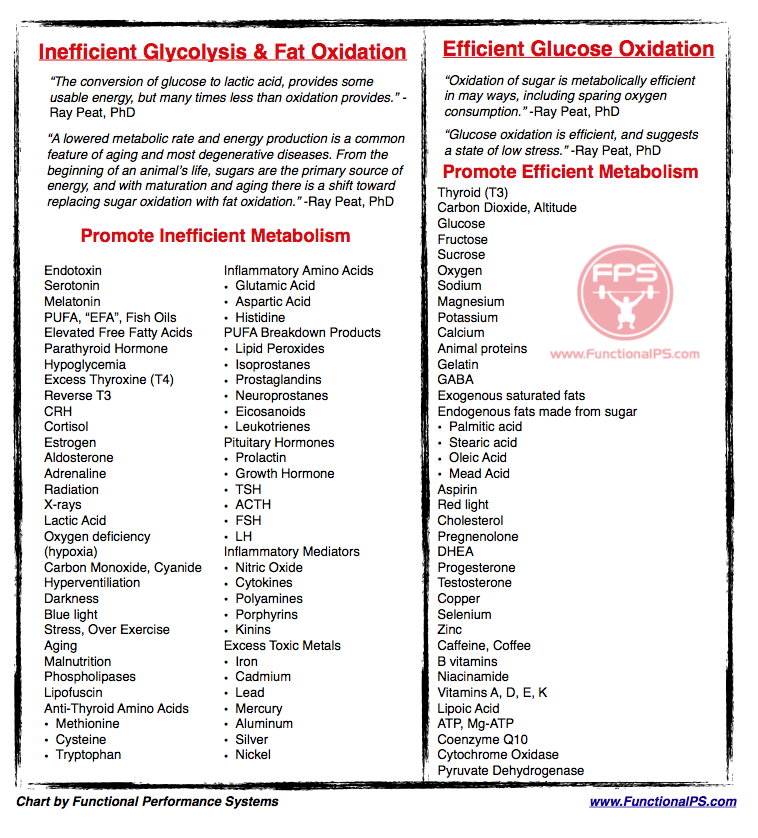
Promoters of Efficient v. Inefficient Metabolism
ATP Regulates Cell Water
Calorie Restriction, PUFA, and Aging
Cardiolipin, Cytochrome Oxidase, Metabolism, & Aging
High Cholesterol and Metabolism
Mitochondria and mortality
Mitochondrial medicine
Low Blood Sugar Basics
The Cholesterol and Thyroid Connection
Thyroid Status and Oxidized LDL
The Truth about Low Cholesterol
Hypothyroidism and A Shift in Death Patterns
Light is Right
Using Sunlight to Sustain Life
PUFA Decrease Cellular Energy Production
PUFA Breakdown Products Depress Mitochondrial Respiration
“Curing” a High Metabolic Rate with Unsaturated Fats
Power Failure: Does mitochondrial dysfunction lie at the heart of common, complex diseases like cancer and autism?
Faulty Energy Production in Brain Cells Leads to Disorders Ranging from Parkinson’s to Intellectual Disability
Pregnenolone – A Fruit Of Cholesterol

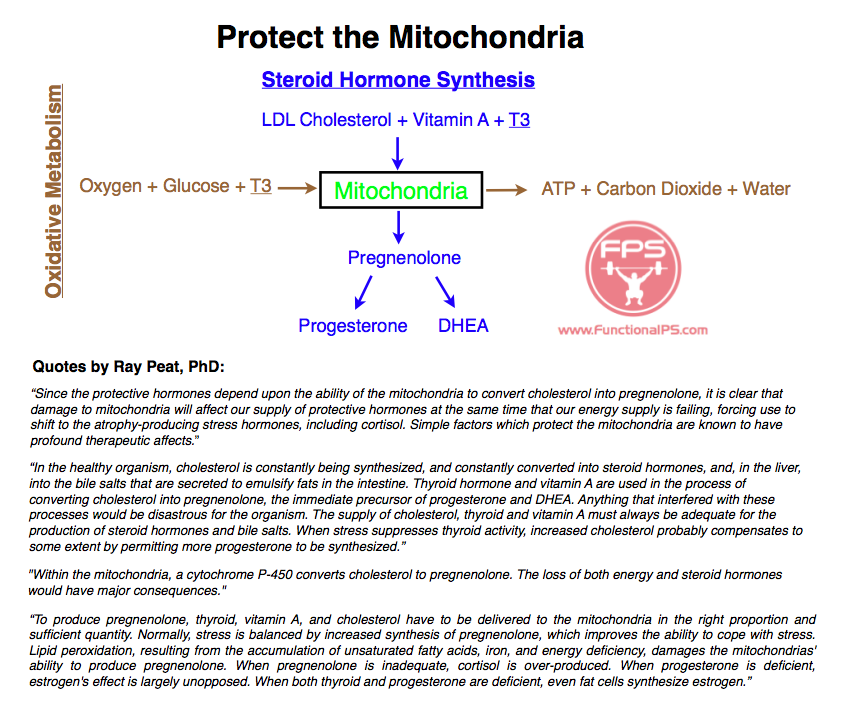
“Mitochondria: small “compartments” in the cytoplasm (the viscous part of the cell, everything but the nucleus), they are responsible for much of the cell’s energy production (as ATP) and oxygen consumption.” -Ray Peat, PhD
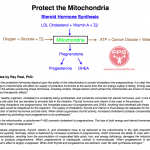
Diagram Inspired by R. Peat and D. Argall

Cellular Energy and Steroid Synthesis
The above chart links two very important concepts – oxidative metabolism and the synthesis of steroid hormones. The cell mitochondrion is the organelle responsible for the production of energy from cellular respiration/oxidative metabolism and steroid hormone synthesis in some cells.

Anything that damages the mitochondria affects the production of energy and the production of protective steroid hormones. Both energy and steroids are needed to handle stress adaptively. A high rate of energy metabolism and continous stream of steroid production is a facet of youthfulness and good health. The opposite occurs in aging and disease.

Dual Role of T3, Toxicity of PUFA
In both the oxidative metabolism and steroid hormone synthesis portions of the chart, please note the dual role of the active thyroid hormone, triiodothyronine (T3), as promoter of cell respiration and co-factor for steroid hormone synthesis. Thyroid hormone also increases the number and size of mitochondria. This make T3 a central figure in stress adaptation. Both the availability of T3 and the health of the mitochondria are partners in the production of energy, synthesis of steroid hormones, and the regulation of cell water.

Dietary polyunsaturates (PUFA) and their toxic breakdown products damage the mitochondria, negatively affect thyroid hormone at multiple points, and interfere with glucose oxidation and the function of important respiratory enzymes (pyruvate dehyrogenase and cytochrome oxidase). These toxic effects of PUFA (impairing energy metabolism & steroid synthesis while increasing oxidative stress & inflammation) make them directly involved in aging, disease processes, and obesity. Saturated fats, or other fats the body formed endogenously from sugar, do not have these effects and are protective.

PUFA Accumulation
As the tissues become more unsaturated with aging or due to poor food choice, the response to stress progressively shifts from adaptive to dysadaptive, making the body increasingly less capable of handling future stresses without producing inflammation and other adverse effects.

The unsaturates’ actions slow the synthesis of youth-promotive steroid hormones (pregnenolone, DHEA, progesterone) from cholesterol, creating a greater reliance on cortisol and increasing the the ratio of estrogen to progesterone. The progressive harm to the mitochondria and respiratory enzymes slows the rate of calorie burn, decreasing the production of energy and carbon dioxide from oxidative metabolism. There is also evidence of degradation of the cytochrome P-450 enzyme, used to form steroids, by lipid peroxides formed from PUFA.

The industrial animal production industry takes advantage of the anti-mitochondria, anti-thyroid, and anti-respiration effects of PUFA by giving animals raised for food production foodstuffs that are high in the polyunsaturates (corn, soy, grain), which fatten the animals cheaply and easily. Polyunsaturates are a component of the western diet now more than ever, fattening the public cheaply and easily.

T3, Respiratory Energy, and CO2
T3 promotes the efficient use of another anti-stress molecule, glucose. In its role of respiration promoter, not only does T3 increase the metabolic rate, but the complete oxidation of glucose produces the “hormone of respiration,” carbon dioxide (CO2), which has many stress-inhibiting and stabilizing functions, including the binding and removal of intracellular calcium that harms the mitochondria.

T3 and Cholesterol Turnover
Cholesterol is another one of the body’s basic protective substances. T3 is needed for cholesterol’s conversion into two other valuable substance: steroid hormones and bile salts. LDL cholesterol’s conversion into pregnenolone by the mitochondrion is of major importance to stress resistance.

Without pregnenolone synthesis, the other protective steroids (like progesterone & DHEA) cannot be made in adequate amounts, increasing the need for cortisol production while simultaneously leaving estrogen unopposed (increased estrogen:progesterone ratio). These consequences are not desirable.

Estrogen, polyunsaturates (PUFA), darkness, iron, radiation, & low cholesterol interfere with the efficiency of this conversion. Thyroid hormone, vitamin A, red light, vitamin E, and copper promote this conversion (see Nutrition for Women by Ray Peat, PhD, Appendix pg. 119).

Cholesterol and Thyroid Connection
The intensity of the metabolic rate has an inverse relationship with cholesterol level. In the first half of the 20th century, elevated serum cholesterol was used as a reliable means to diagnose hypothyroidism. In hypothyroidism (a deficiency of T3), the turnover of cholesterol into protective steroids (and bile salts) decline.

Serum cholesterol increases in hypometabolism due to decreased turnover of cholesterol into steroid hormones and bile salts. The rise of cholesterol in aging and hypothyroidism is not a maladaptive response but a protective one that attempts to encourage the synthesis of protective steroids.

A lack of (red) light or vitamin A (source: beef liver, egg yolks) can contribute to a rise in serum cholesterol and slowed conversion of cholesterol into bile salts and pregnenolone. Conversely, if cholesterol isn’t available in the required amounts, the consequences are similar to when cholesterol is very high – decreased production of pregnenolone, decreased resistance, & steroid hormone imbalance.

Take home points:
1. Mitochondrial health is needed for the respiratory production of energy and carbon dioxide, and steroid hormone synthesis.
2. T3 is needed for the respiratory production of energy and carbon dioxide, steroid hormone synthesis, and bile salt production.
3. Dietary polyunsaturates (PUFA) and their toxic breakdown products damage the mitochondria, negatively affect thyroid hormone at multiple points, and interfere with glucose oxidation and with the function of important respiratory enzymes. Saturated fats, or other fats the body forms naturally from sugar, do not have these effects and are protective.
4. Energy and steroid hormone producing systems fail in the presence of excess food-derived polyunsaturates.
5. The chart in this blog links important concepts: mitochondrial health, thyroid hormone, energy, carbon dioxide, and formation of pregnenolone & other protective steroid hormones. These concepts are central factors in heath v. disease.

Quotes by Ray Peat, PhD:
“In every type of tissue, it is the failure to oxidize glucose that produces oxidative stress and cellular damage.”

“Metabolic energy is fundamental to the development and maintenance of the body, and to the “ways in which living beings react to changed circumstances.” It’s an obvious first thing to consider when thinking about any “disease,” whether it’s cancer, radiation, sickness, dementia, depression, or traumatic injury.”

“The mitochondria are responsible for the efficient production of energy needed for the functioning of complex organisms, and especially for nerves. The enzyme in the mitochondria that reacts directly with oxygen, and that is often rate limiting, is cytochrome oxidase.

This enzyme is dependent upon the thyroid hormone and is inhibited by nitric oxide, carbon monoxide, estrogen, polyunsaturated fatty acids, serotonin, excess or free iron, ionizing radiation, and many toxins, including bacterial endotoxin. Red light, which passes easily through the tissues, reactivates the enzyme, which slowly loses its function during darkness.

Estrogen impairs the mitochondria in multiple ways, including blocking the function of cytochrome oxidase, decreasing the activity of ATP synthase, increasing heme oxygenase which produces carbon monoxide and free iron, damaging mitochondrial DNA, and shifting metabolism from glucose oxidation to fat oxidation, especially by inhibiting pyruvate dehyrogenase complex. These changes including the loss of cytochrome oxidase, are seen in the Alzheimer’s brain. The fact that this kind of energy impairment can be produced by estrogen doesn’t imply that estrogen is the cause, since many other things can cause similar effects–radiation, aluminum, endotoxin, for example.”

“The respiratory activity of the mitochondria declines as the polyunsaturated oils replace palmitic acid, and this change corresponds to the life-long decline of the person’s metabolic rate.”

“All of the nutritional factors that participate in mitochondrial respiration contribute to maintaining a balance between excessive excitation and protective inhibition. Riboflavin, coenzyme Q10, vitamin K, niacinamide, thiamine, and selenium are the nutrients that most directly relate to mitochondrial energy production.”

“The intensity of oxidative metabolism is the basic factor that permits continuing coordination of activity, and harmonious renewal of all the components of the organism.”

“People have spoken of “cascades” in relation to the adrenal glucocorticoids (e.g., cortisol) and estrogen, leading to cell damage, but really both of these hormonal cascades have to be seen as part of a more general collapse of adaptive systems, as a result of both chronic and immediate inadequacies of energy production. ”

“The biochemical details of these cascades are mainly interesting because they show how many different kinds of stress converge on a few physiological processess–mitochondrial energy production, cellular excitation, and intercellular communication–which, when damaged thousands of times, lead to the familiar states of old age. These few functions, damaged by an infinite variety of stresses, have their own complexly adaptive ways of deteriorating, producing the various degenerative diseases.”

“Aging is an energy problem, and in the brain, which has extremely high energy requirements, interference with the energy supply quickly causes cells to die.”

“The presence of carbon dioxide is an indicator of proper mitochondrial respiratory functioning.”

“My argument here will be that some of our adaptive, protective regulatory processes are overridden by the excessive supply of unsaturated fats–supported by a few other toxins–in our diet, acting as a false-signal system, and that cholesterol, pregnenolone, and progesterone which are our main long-range defenses, are overcome by the effects of the unsaturated fats, and that the resulting cascade of ineffective and defective reactions (including various estrogen-stimulated processes) leads to lower and lower energy production, reduced function, and death. At certain times, especially childhood and old age, iron (which also has important regulatory roles) accumulates to the point that its signal functions may be inappropriate.”

“If the internal and external causes of stress converge, additively, on the cell’s internal communication and integration system, then the basic resistance of the organism to stress can be increased by any of the factors which oppose the signals of stress.

Carbon dioxide, progesterone, and thyroid act on many of the factors that interfere with our ability to handle stress constructively. A diet that reduces fermentation and endotoxin, with an abundance of calcium–fruit, milk, and cheese, for example–can help to shift the balance away from lactic acid, estrogen, and serotonin, toward carbon dioxide, progesterone, and thyroid.”

“Carbon dioxide and the major steroids stabilize cells against excessive stimulation, and protect the cell structure.”

“When mitochondria are functioning fully, either glucose or saturated fats can safely
provide energy. Some glucose or saturated fat can be converted to polyunsaturated fats, that can be used as regulators or signals, for example to activate the formation of stem cells. But those PUFA don’t create disruptive cascades of increasing excitation or inflammation or excessive growth, and, from the evidence of animals that are fed fat free diets, or diets lacking omega -3 and omega -6 fatty acids, they aren’t toxic to mitochondria.”

“F. Z. Meerson’s work showed that cortisol, and the free fatty acids mobilized by stress, have a toxic influence on the mitochondrial energy production system. Both cortisol and the free fatty acids block the efficient use of glucose for producing energy, creating a diabetes-like condition.”

“In a variety of cell types, vitamin A functions as an estrogen antagonist, inhibiting cell division and promoting or maintaining the functioning state. It promotes protein synthesis, regulates lysosomes, and protects against lipid peroxidation. Just as stress and estrogen-toxicity resemble aging, so does a vitamin A deficiency. While its known functions are varied, I think the largest use of vitamin A is for the production of pregnenolone, progesterone, and the other youth-associated steroids. One of vitamin E’s important functions is protecting vitamin A from destructive oxidation. Although little attention has been given to the effects of unsaturated fats on vitamin A, their destruction of vitamin E will necessarily lead to the destruction of vitamin A. The increased lipid peroxidation of old age represents a vicious circle, in which the loss of the antioxidants and vitamin A leads to their further destruction.”

“When a muscle or nerve is fatigued, it swells, retaining water. When the swelling is extreme, its ability to contract is limited. Excess water content resembles a partly excited state, in which increase amounts of sodium and calcium are free in the cytoplasm. Energy is needed to eliminate the sodium and calcium, or to bind calcium allowing the cell to extrude excess water and return to the resting state. Thyroid hormone allows cells’ mitochondria to efficiently produce energy, and it also regulates the synthesis of proteins (phospholamban and calcisequestrin) that control the binding of calcium. When the cell is energized, by the mitochondria working with thyroid, oxygen, and sugar, these proteins change their form, binding calcium and removing it from the contractile system, allowing the cell to relax, to be fully prepared for the next contraction. If the calcium isn’t fully and quickly bound, the cell retains extra water and sodium, and isn’t able to fully relax.”

“The mitochondria, by their ability to use oxygen, are responsible for the normal efficient use of glucose.

Beginning at sunset, darkness progressively damages mitochondria structurally and functionally. Mitochondrial damage, and the functional impairment of organs such as the heart muscle, reach a peak at dawn.

During the day (in organisms which survive the night), mitochondrial structure is restored, and organ function improves, with the peak being reached at sunset. In winter, there is cumulative damage to mitochondria, because of too few daylight hours to complete the rebuilding of mitochondria. During the summer (in organisms that live long enough) the cumulative damage is mostly repaired.

A residue of altered cell and tissue structure, and of impaired enzyme function, remains under natural conditions of day-night cycles.”

“The arguments I have outlined for considering rosacea to be essentially a problem of metabolic energy, and the mechanisms that I mention for restoring mitochondrial functions, might seem more complex than Hoffer’s orthomolecular views. However, this approach is actually much simpler conceptually than any of the ideologies of drug treatment. It simply points out that certain excitatory factors can interfere with energy production, and that there are opposing “inhibitory” factors that can restore energy efficiency. Sometimes, using just one or two of the factors can be curative.

Because mitochondrial respiration is very similar in every kind of tissue, a physiological view of rosacea could incline us toward considering the effects of these metabolic factors in other organs during stress and aging–what would the analogous condition of rosacea and rhinophyma be in the brain, heart, liver, or kidney?”

“In the Randle effect (it’s called the “Randle cycle,” but there is no cycle), increasing the amount of fat in the bloodstream decreases the ability of cells to metabolize glucose; glucose tolerance decreases, as in diabetes, except that the response to fat is instantaneous. Respiration decreases, mitochondria retain calcium, which tends to accumulate until it destroys the mitochondria. The calcium, when it is released from the mitochondria, causes excitation to increase. Stimulation without efficient energy production leads to proteolysis and apoptosis or other forms of cell death. Sugars replace carbon dioxide and acetate on lysines. This process is involved in diabetes, Alzheimer’s disease, arthritis, and other degenerative diseases, probably including osteoporosis. Mitochondrial damage tends to increase the production of lactic acid instead of carbon dioxide, and lactic acid can stimulate the inappropriate overgrowth of blood vessels, as occurs in the eyes in diabetes. During stress and aging, free fatty acids appear in the bloodstream in large quantities.”

“While Arthur Everitt, Verzar, and others were studying the effects of the rat’s pituitary (and other glands) on collagen, W. D. Denckla investigated the effects of reproductive hormones and pituitary removal in a wide variety of animals, including fish and mollusks. He had noticed that reproduction in various species (e.g., salmon) was quickly followed by rapid aging and death. Removing the pituitary gland (or its equivalent) and providing thyroid hormone, he found that animals lacking the pituitary lived much longer than intact animals, and maintained a high metabolic rate. Making extracts of pituitary glands, he found a fraction (closely related to prolactin and growth hormone) that suppressed tissue oxygen consumption, and accelerated the degenerative changes of aging…A high level of respiratory energy production that characterizes young life is needed for tissue renewal. The accumulation of factors that impair mitochondrial respiration leads to increasing production of stress factors, that are needed for survival when the organism isn’t able to simply produce energetic new tissue as needed. Continually resorting to these substances progressively reshapes the organism, but the investment in short-term survival, without eliminating the problematic factors, tends to exacerbate the basic energy problem. This seems to be the reason that Denckla’s animals, deprived of their pituitary glands, but provided with thyroid hormone, lived so long: they weren’t able to mobilize the multiple defenses that reduce the mitochondria’s respiratory energy production.”

“W.D. Denckla’s version of programmed aging proposed that the pituitary gland was the agent of this programmed aging. He based his idea on the observation that when animals were kept on a semi-starvation diet, starting before puberty, their puberty was delayed and they lived longer than normal, and on later studies showed that when animals’ pituitary glands were removed before puberty, they lived much longer than normal, and all of their tissues and systems aged at a much slower rate. The implication was that if the gland is present and causes aging, its evolutionary purpose is to cause aging, as well as the other process such a reproduction.

The particular function that Denckla focused on as an index of aging was oxygen consumption, which decreases by more than 70% between puberty and old age. He showed that the decrease of oxygen consumption was much less when the pituitary gland was removed, if the animal was given the amount of thyroid hormone that it would normally produce. He found fairly specific pituitary extracts that decreased oxygen consumption, inhibiting the effects of the thyroid hormone, but he never identified a particular pituitary hormone as the antirespiratory aging hormone, or the mechanism responsible for the extract’s effects.”

“The suppressive effects of unsaturated fats on mitochondrial energy production have been widely investigated, since it is that effect that makes animal fattening with PUFA so economical. Rather than interpreting that as a toxic effect, using the innate structure and function of the mitochondrion as a point of reference from which to evaluate dietary components, the consumption of “good” oils is being used as the reference point from which to evaluate the meaning of metabolism (“efficiency is good,” “low oxygen consumption is good”). Building on the idea that the oils are health-promoters which increase metabolic efficiency, the never-viable “rate of aging” theory was resuscitated: The anti-respiratory effect of PUFA is used (illogically) to return to the idea that aging occurs in proportion to the amount of oxygen consumed, because animals which lack the supposedly essential nutrients (“defective animals”) consume oxygen rapidly–burning calories rapidly, they are supposed to be like a candle that won’t last as long if it burns intensely. The old theory is simply resuscitated to explain why the anti-respiratory action of PUFA might be beneficial, justifying further promotion of their use as food and drugs.”

“The reason for the menopausal progesterone deficiency is a complex of stress-related causes. Free-radicals (for example, from iron in the corpus luteum) interfere with progesterone synthesis, as do prolactin, ACTH, estrogen, cortisol, carotene, and an imbalance of gonadotropins. A deficiency of thyroid, vitamin A, and LDL-cholesterol can also prevent the synthesis of progesterone. Several of the things which cause early puberty and high estrogen, also tend to work against progesterone synthesis. The effect of an intra-uterine irritant is to signal the ovary to suppress progesterone production, to prevent pregnancy while there is a problem in the uterus. The logic by which ACTH suppresses progesterone synthesis is similar, to prevent pregnancy during stress. Since progesterone and pregnenolone protect brain cells against the excitotoxins, anything that chronically lowers the body’s progesterone level tends to accelerate the estrogen-induced excitotoxic death of brain cells.”

“When mitochondria are “uncoupled,” they produce more carbon dioxide than normal, and the mitochondria produce fewer free radicals. Animals with uncoupled mitochondria live longer than animals with the ordinary, more efficient mitochondria, that produce more reactive oxidative fragments. One effect of the high rate of oxidation of the uncoupled mitochondria is that they can eliminate polyunsatured fatty acids that might otherwise be integrated into tissue structures, or function as inappropriate regulatory signals.”

“The regulation of cell renewal probably involves all of the processes of life, but there are a few simple, interacting factors that suppress renewal. The accumulation of polyunsaturated fats, interacting with a high concentration of oxygen, damages mitochondria, and causes a chronic excessive exposure to cortisol. With mitochondrial damage, cells are unable to produce the progesterone needed to oppose cortisol and to protect cells.

Choosing the right foods, the right atmosphere, the right mental and physical activities, and finding the optimal rhythms of light, darkness, and activity, can begin to alter the streaming renewal of cells in all the organs. Designing a more perfect environment is going to be much simpler than the schemes of the genetic engineers. “

“Unsaturated oil tends to lower the blood sugar in at least three basic ways. It damages mitochondria, causing respiration to be uncoupled from energy production, meaning that fuel is burned without useful effect.”

“Progesterone, because of its normal anesthetic function (which prevents the pain of childbirth when its level is adequate), directly quiets nerves, and in this way suppresses many of the excitotoxic processes. It has direct effects on mitochondria, promoting energy production, and it facilitates thyroid hormone functions in various ways.”

“The skeletal changes (shrinkage, curving of the back, moving forward of the lower jaw) which are so characteristic of old age in humans, also occur in other animals in aging and under the influence of the stress hormones. Since the protective hormones depend on the ability of mitochondria to convert cholesterol into pregnenolone, it is clear that damage to mitochondria will affect our supply of protective hormones at the same time that our energy supply is failing, forcing us to shift to the atrophy producing stress hormones, including cortisol. Simple factors which protect the mitochondria are known to have profound therapeutic effects. At a certain point, I think we will understand mitochondrial protection well enough to prevent and cure the basic pathologies of aging. The Mayans and Eskimos studied by Crite produced 25% more biologicaJ energy at rest than people in the U.S. and Europe. They are culturally and nutritionally very different from each other, but they have enough in common to make them very different metabolically from the Euro-American culture. What they have in common is possibly something as simple as the absence of thyroid-inhibiting substances
in their diet.”

“Environmental enrichment, learning, high altitude, and thyroid hormone promote the formation of new mitochondria, and stimulate stem cell proliferation.”

“When we talk about increasing the metabolic rate, and the benefits it produces, we are comparing the rate of metabolism in the presence of thyroid, sugar, salt, and adequate protein to the “normal” diet, containing smaller amounts of those “stimulating” substances. It would be more accurate if we would speak of the suppressive nature of the habitual diet, in relation to the more optimal diet, which provides more energy for work and adaptation, while minimizing the toxic effects of free radicals.”

“The suppression of mitochondrial respiration increases the production of toxic free radicals, and the decreased carbon dioxide makes the proteins more susceptible to attack by free radicals.”

“Pregnenolone is known to be produced (in the mitochondria) from cholesterol. This is the first stage in the production of all of the steroid hormones. If pregnenoione synthesis is insufficient, supplementary pregnenolone would help to maintain an optimum level of the various other steroids. Aging,stress, depression, hypothyroidism, and exposure to toxins are conditions in which synthesis of pregnenolone might be inadequate.”

“High cholesterol is more closely connected to hypothyroidism than hypertriglyceridemia is. Increased T3 will immediately increase the conversion of cholesterol to progesterone and bile acids. When people have abnormally low cholesterol, I think it’s important to increase their cholesterol before taking thyroid, since their steroid-forming tissues won’t be able to respond properly to thyroid without adequate cholesterol.”

“The brain is the body’s richest source of cholesterol, which, with adequate thyroid hormone and vitamin A, is converted into the steroid hormones pregnenolone, progesterone, and DHEA, in proportion to the quantity circulating in blood in low-density lipoproteins. The brain is also the richest source of these very water-insoluble (hydrophobic) steroid hormones; it has a concentration about 20 times higher than the serum, for example. The active thyroid hormone is also concentrated many-fold in the brain.

DHEA (dehydroepiandrosterone) is known to be low in people who are susceptible to heart disease or cancer, and all three of these steroids have a broad spectrum of protective actions. Thyroid hormone, vitamin A, and cholesterol, which are used to produce the protective steroids, have been found to have a similarly broad range of protective effects, even when used singly.”

“Calcium, which is released into the cytoplasm by the excitotoxins, triggers the release of fatty acids, the activation of nerve and muscle, and the release of a variety of transmitter substances, in a cascade of excitatory processes, but at the same time, it tends to impair mitochondrial metabolism, and progressively tends to accumulate in mitochondria, leading to their calcification death, which is also promoted by the antirespiratory effects of the unsaturated fatty acids and the lipid peroxidation they promote. Iron and calcium both tend to accumulate with aging or stress, and both promote excitatory damage; bicarbonate contributes to keeping iron in its inactive state, and probably has a similar effect against a broad spectrum of excitatory substances. Histamine release, nitric oxide, and carbon monoxide are broadly involved in excitotoxic damage, and carbon dioxide tends to be protective against these, too.”

“Estrogen blocks the release of hormone from the thyroid gland, and progesterone facilitates the release. Estrogen excess or progesterone deficiency tends to cause enlargement of the thyroid gland, in association with a hypothyroid state. Estrogen can activate the adrenals to produce cortisol, leading to various harmful effects, including brain aging and bone loss. Progesterone stimulates the adrenals and the ovaries to produce more progesterone, but since progesterone protects against the catabolic effects of cortisol, its effects are the opposite of estrogen’s. Progesterone has antiinflammatory and protective effects, similar to cortisol, but it doesn’t have the harmful effects. In hypothyroidism, there is a tendency to have too much estrogen and cortisol, and too little progesterone.

The blood tests can be useful to demonstrate to physicians what the problem is, but I don’t think they are necessary. There is evidence that having 50 or 100 times as much progesterone as estrogen is desirable, but I don’t advocate “progesterone replacement therapy” in the way it’s often understood. Progesterone can instantly activate the thyroid and the ovaries, so it shouldn’t be necessary to keep using it month after month. If progesterone is used consistently, it can postpone menopause for many years.

Cholesterol is converted to pregnenolone and progesterone by the ovaries, the adrenals, and the brain, if there is enough thyroid hormone and vitamin A, and if there are no interfering factors, such as too much carotene or unsaturated fatty acids. Progesterone deficiency is an indicator that something is wrong, and using a supplement of progesterone without investigating the nature of the problem isn’t a good approach. The normal time to use a progesterone supplement is during the “latter half” of the cycle, the two weeks from ovulation until menstruation. If it is being used to treat epilepsy, cancer, emphysema, migraine or arthritis, or something else so serious that menstrual regularity isn’t a concern, then it can be used at any time. If progesterone is used consistently, it can postpone menopause for many years.”
Posted in General.

Tagged with , , , , , , , , , , , , , , , , , , , , , , , , , , , , , , , , , .


Sam Harris – It Is Always Now

Someone shared this on Facebook. Can’t recall who it was, but thanks for sharing.

Posted in General.

Tagged with , , , .


Medical Journals – Extension of the Marketing Arm of Pharmaceutical Companies

PLoS Med. 2005 May; 2(5): e138.
Medical Journals Are an Extension of the Marketing Arm of Pharmaceutical Companies
Richard Smith
“Journals have devolved into information laundering operations for the pharmaceutical industry”, wrote Richard Horton, editor of the Lancet, in March 2004 [1]. In the same year, Marcia Angell, former editor of the New England Journal of Medicine, lambasted the industry for becoming “primarily a marketing machine” and co-opting “every institution that might stand in its way” [2]. Medical journals were conspicuously absent from her list of co-opted institutions, but she and Horton are not the only editors who have become increasingly queasy about the power and influence of the industry. Jerry Kassirer, another former editor of the New England Journal of Medicine, argues that the industry has deflected the moral compasses of many physicians [3], and the editors of PLoS Medicine have declared that they will not become “part of the cycle of dependency…between journals and the pharmaceutical industry” [4]. Something is clearly up.

Posted in General.

Tagged with , , .


Temperature and Pulse Basics & Monthly Log

Also see:
Ray Peat, PhD on Thyroid, Temperature, Pulse, and TSH
Low Carb Diet – Death to Metabolism
Body Temperature, Metabolism, and Obesity
Thyroid, Temperature, Pulse
Metabolism, Brain Size, and Lifespan in Mammals
Promoters of Efficient v. Inefficient Metabolism
Inflammation from Decrease in Body Temperature
Melatonin Lowers Body Temperature
Menopausal Estrogen Therapy Lowers Body Temperature
Thyroid Function, Pulse Rate, & Temperature
“Curing” a High Metabolic Rate with Unsaturated Fats
Fat Deficient Animals – Activity of Cytochrome Oxidase
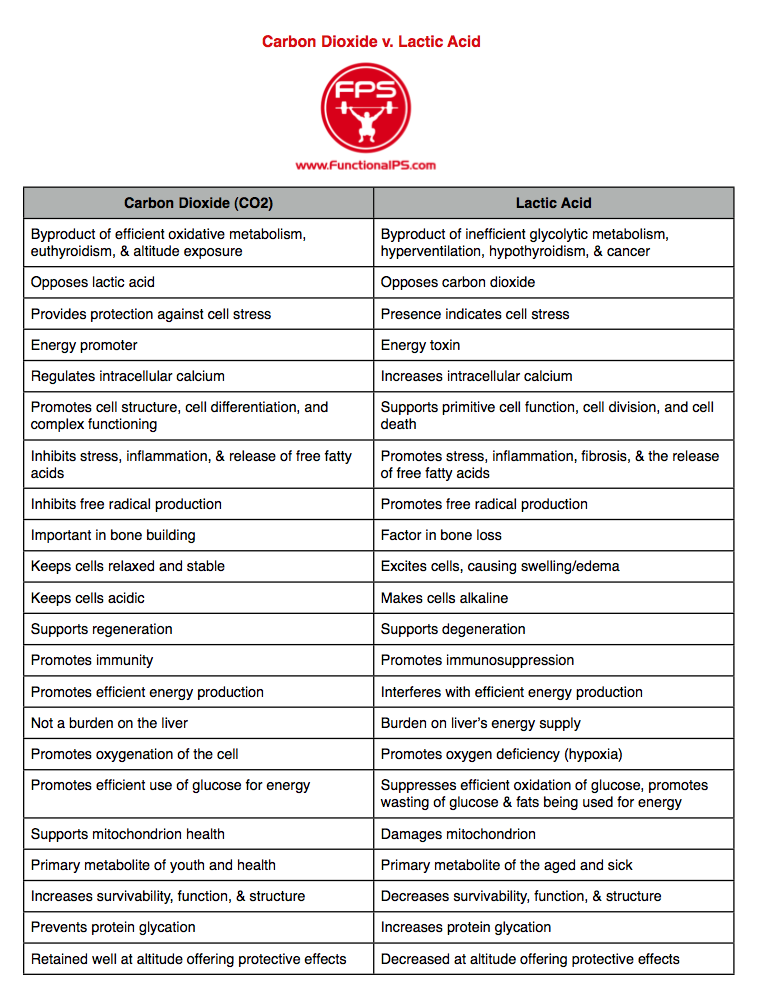
Comparison: Carbon Dioxide v. Lactic Acid
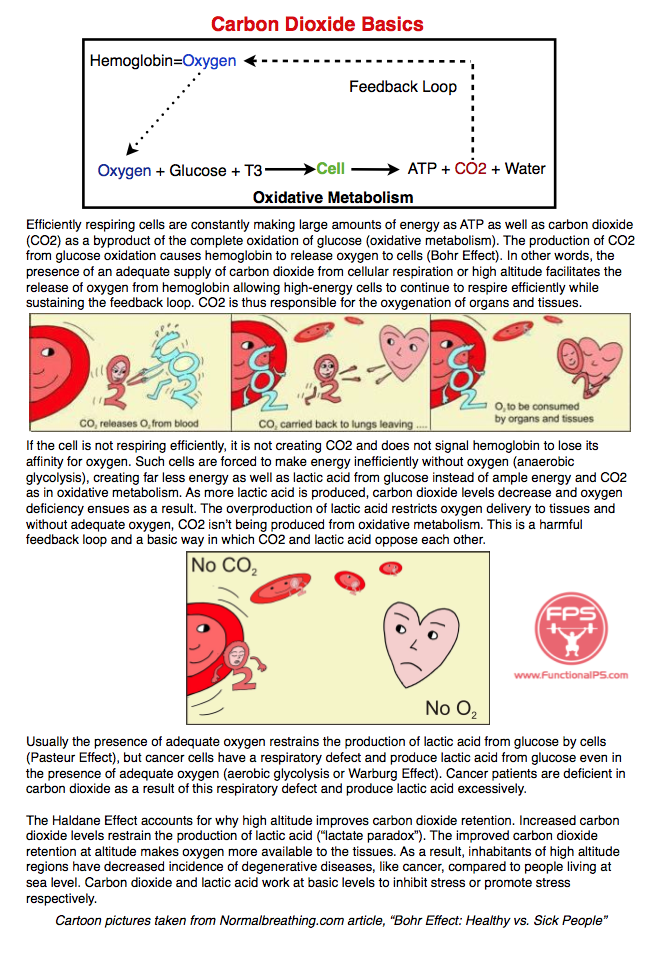
Carbon Dioxide Basics
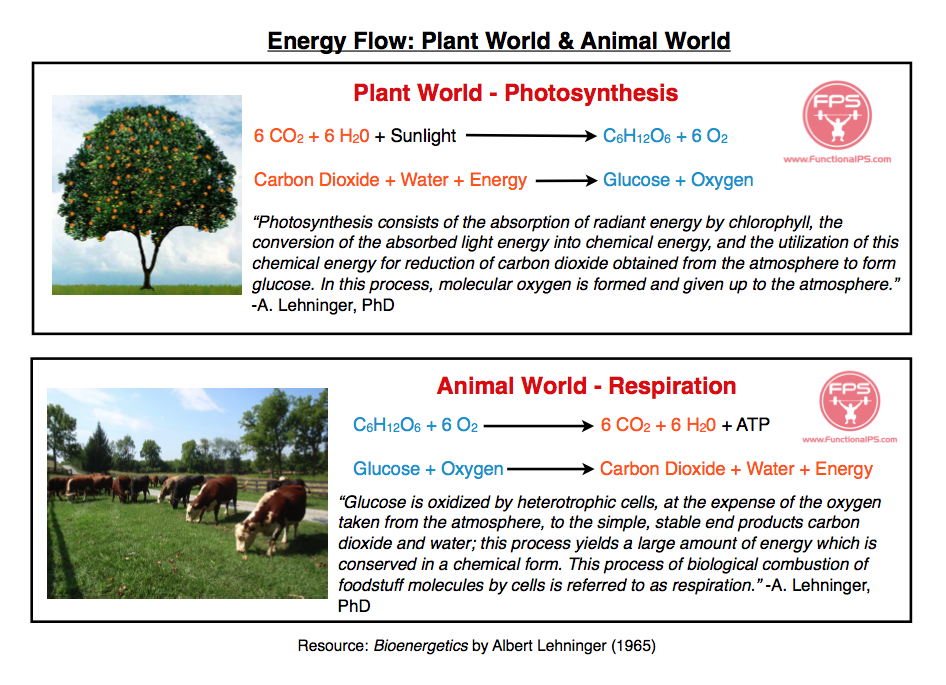
Energy Flow: Plant World and Animal World
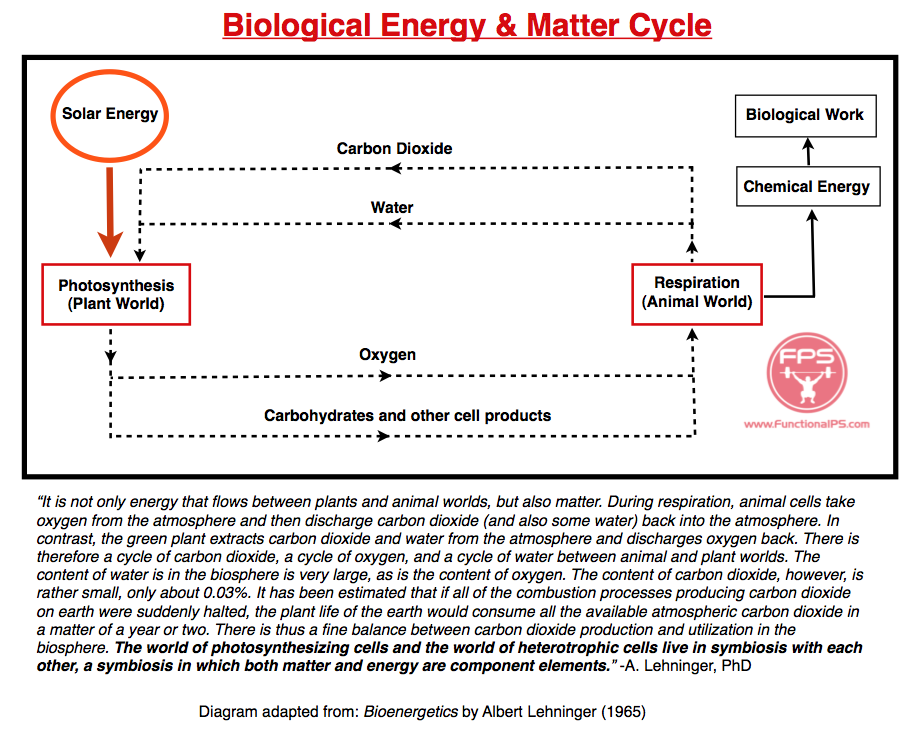
Biological Energy & Matter Cycle
Is 98.6 Really Normal?

Metabolism is the sum of chemical processes that occur in an organism in order to maintain life. Life depends upon the continual conversion of fuel substrates into chemical energy, allowing cells to perform biological work. Heat is produced by these cellular metabolic processes so the resting metabolic rate can be predicted accurately by the rate of heat production.

The unifying principle of Ray Peat, PhD’s work in FPS’ opinion is that energy production from cellular respiration/metabolism allows for structure and function of cells to be optimized, and this improved structure and function promotes continued high energy output as well as the production of protective steroid hormones and carbon dioxide.

Anything that interferes with energy production has opposing effects, slowing energy output, the consumption of oxygen, and the production of protective hormones and carbon dioxide. The ability to produce energy is at the center of health v. non health, youth v. aging, etc.

A simple way to monitor the intensity of your resting metabolism (i.e. how well you are making energy/heat) is to track the resting oral temperature and pulse rate. Collect this data upon waking while lying in bed, ~40 minutes after breakfast, and between 1 and 3 pm in the afternoon.

Prior to 1940, the resting body temperature upon waking was a common way in which physicians would diagnose a slow metabolism. If the temperature was below optimal, a trial of natural desiccated thyroid was given. If symptoms regressed as metabolic efficiency improved and temperature rose from the thyroid supplementation, the therapy was continued. Broda Barnes, MD, PhD and other doctors influenced by his work use this method during his career with much success.

Here are some temperature and pulse tracking basics:
1. Before taking each reading, be at rest for at least five minutes. Use a basal thermometer or mercury thermometer for oral temperature accuracy. An oximeter (like one from Santa Medical) can help you quickly track your pulse. If you don’t have an oximeter, count your heart beats at the neck or wrist for a full 60 seconds or count for ten seconds and multiply by six.
2. Temperature or pulse should not decrease following meals. If it does this consistently, adrenal stress hormones are playing a significant role in your physiology. The introduction of sugar from food lowers the stress hormones and provides a more clear outlook on the resting metabolism.

“If the night-time stress is very high, the adrenalin will still be high until breakfast, increasing both temperature and pulse rate. The cortisol stimulates the breakdown of muscle tissue and its conversion to energy, so it is thermogenic, for some of the same reasons that food is thermogenic.

After eating breakfast, the cortisol (and adrenalin, if it stayed high despite the increased cortisol) will start returning to a more normal, lower level, as the blood sugar is sustained by food, instead of by the stress hormones. In some hypothyroid people, this is a good time to measure the temperature and pulse rate. In a normal person, both temperature and pulse rate rise after breakfast, but in very hypothyroid people either, or both, might fall.” -Ray Peat, PhD

3. Upon waking, an ideal temperature is between 97.8-98.6F and a pulse rate between 75-85 beats per minute (BPM). Other readings during the day should fall within these parameters as well with temperatures being closer to 98.6F than 97.8F. Data points below the optimal are a sign of a slowed metabolic rate.
4. There should be an increase in temperature and pulse rate following a good breakfast as the liver becomes energized allowing it to form the active thyroid hormone, triiodonthyronine (T3).
5. The afternoon temperature and pulse should increase relative to the morning readings because of the thermogenic effect of good nutrition and movement, and the metabolic stimulation from light.
6. In some individuals with overactive adrenal stress hormones (adrenaline/cortisol), the temperature and pulse rate may seem optimal despite symptoms that indicate otherwise. In such people, the temperature and/or pulse will start to drop when metabolic efficiency starts to be restored. This is a sign of progress. Anything consistently over the optimal readings is either a sign of hypermetabolism or an exaggerated adrenaline/cortisol response.
7. Correlate the temperature and pulse rate data to the person. The temperature and pulse information serves as one piece of data that needs context to be understood completely.
8. The ease by which this data can be taken and tracked makes it ideal in discovering which foods, supplements, and activities promote or degrade your metabolism.
9. If you can’t get all three readings due to lifestyle/work commitments during the weekdays, do your best to at least get the waking temperature/pulse and be religious about getting all three readings on the weekend. Setting an alarm or event in your calendar on your phone can serve as a reminder until tracking becomes more habitual.
10. Both the temperature and pulse rate provide more data together than either one of them alone.

Click the link below for a .pdf of a Monthly Temperature and Pulse Log to print and use.
Temperature and Pulse Log by FPS

KEY for the log:
WT/P = Waking Temperature/Pulse
ABT/P = After Breakfast Temperature/Pulse
AT/P = Afternoon Temperature/Pulse

Posted in General.

Tagged with , , , , , , .


Collection of FPS Charts

Also see:
Master List – Ray Peat, PhD Interviews
Collection of Ray Peat Quote Blogs by FPS

Promoters of Efficient v. Inefficient Metabolism

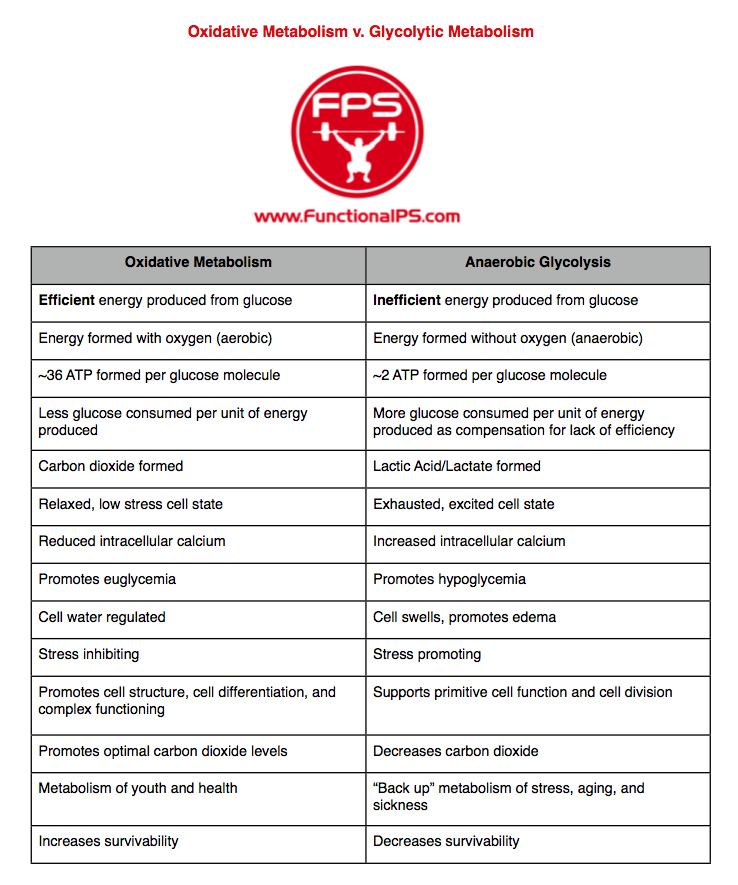
Comparison: Oxidative Metabolism v. Glycolytic Metabolic

Comparison: Carbon Dioxide v. Lactic Acid

Carbon Dioxide Basics

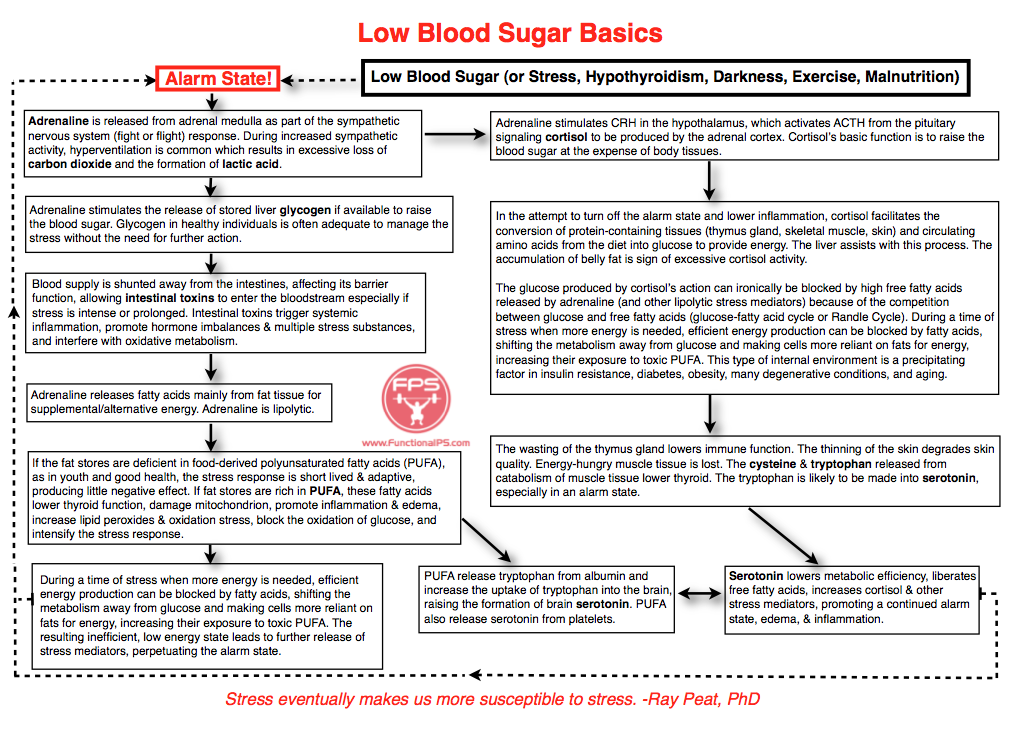
Low Blood Sugar Basics

Temperature and Pulse Basics & Monthly Log

Protect the Mitochondria

Energy Flow: Plant World and Animal World

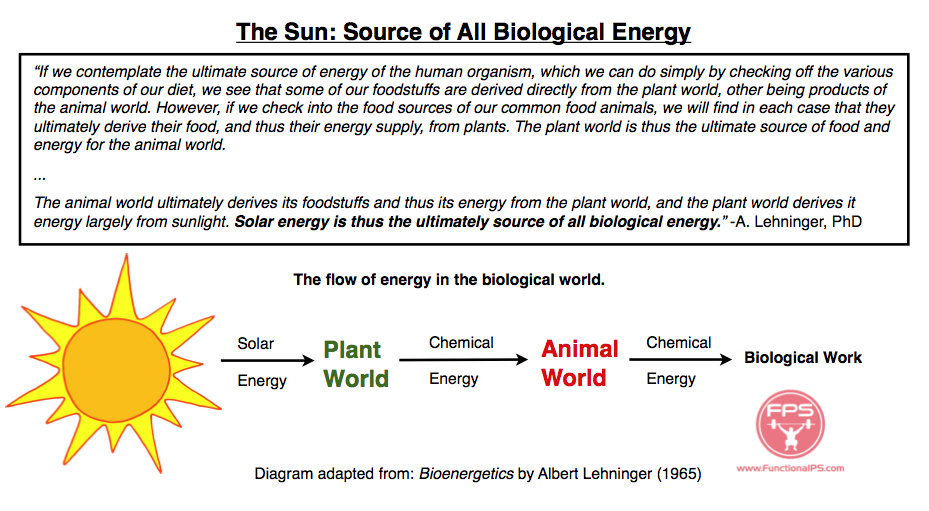
The Sun: Source of All Biological Energy

Biological Energy & Matter Cycle

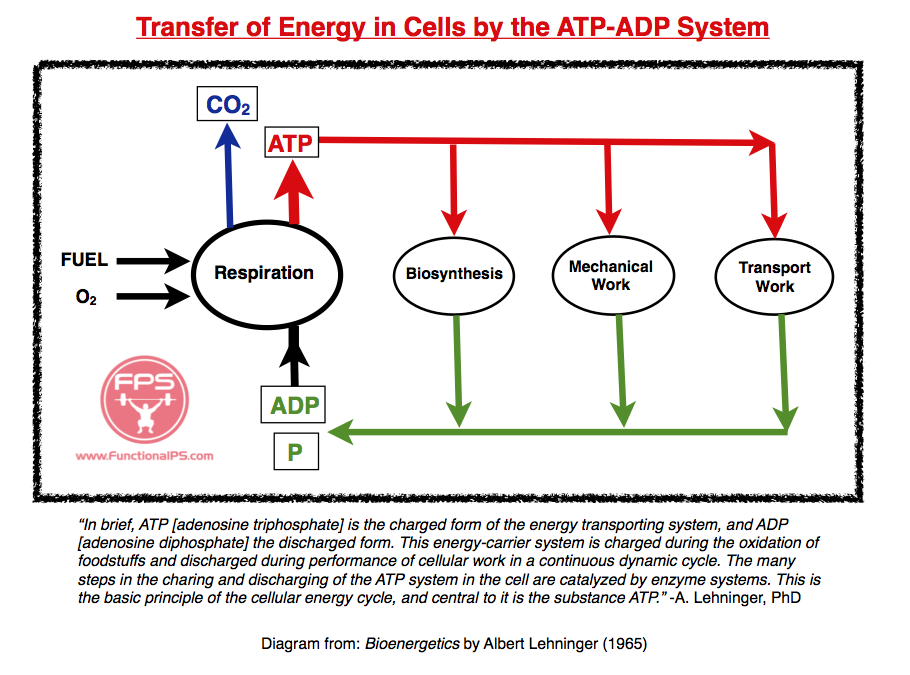
Transfer of Energy in Cells by the ATP-ADP System

Supplement Schedule Chart

FPS Supplement Schedule

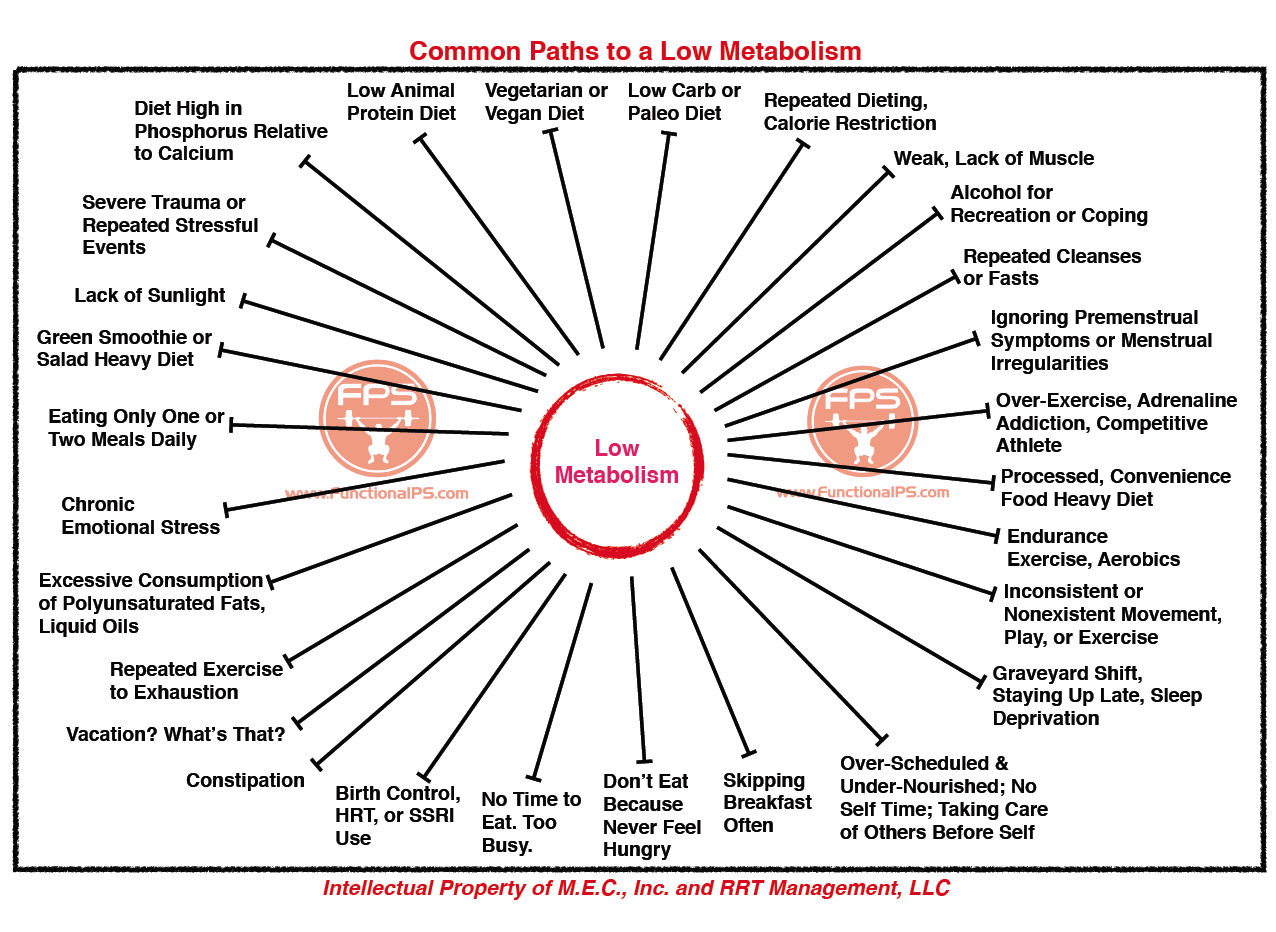
Common Paths to a Low Metabolism

fps-metabolism-chart-fps

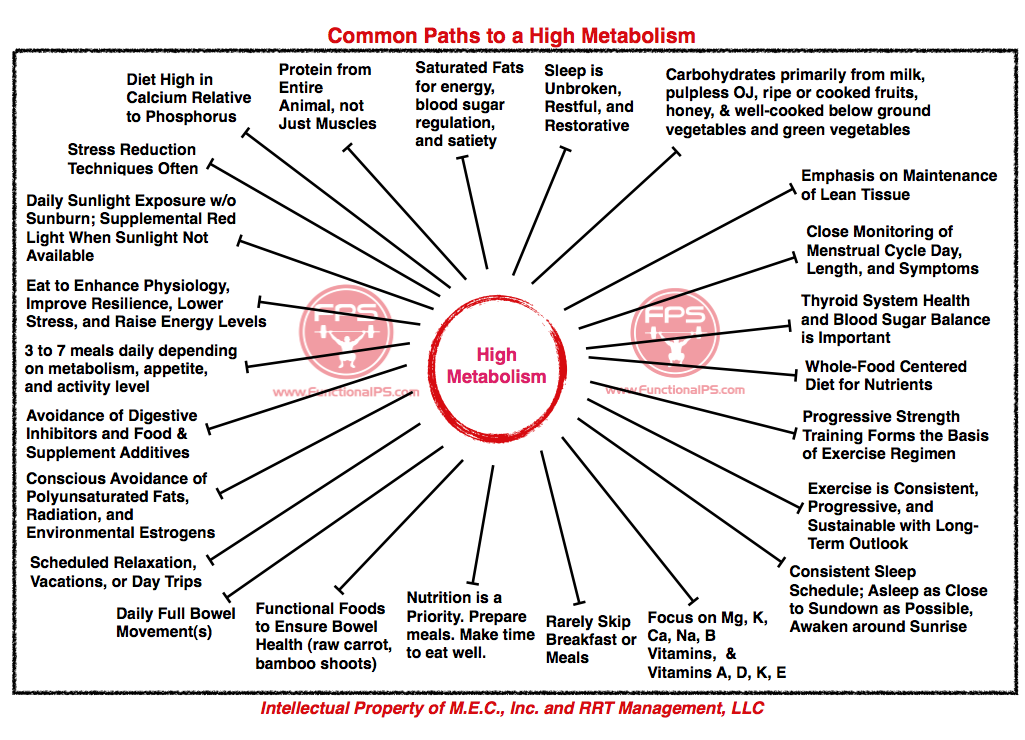
Common Paths to a High Metabolism

FPS High Metabolism

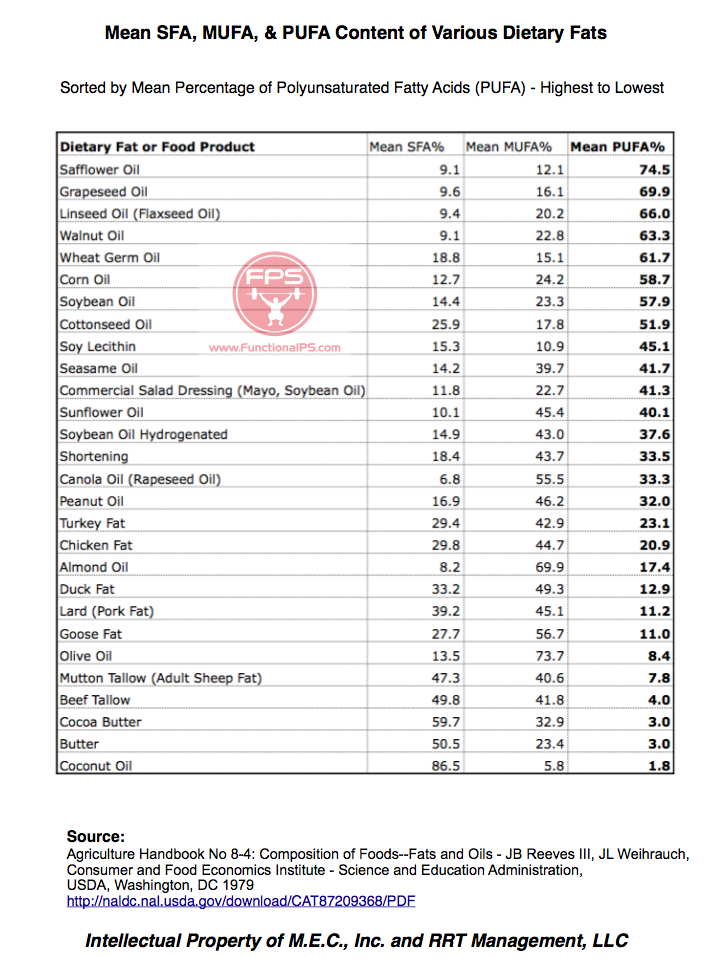
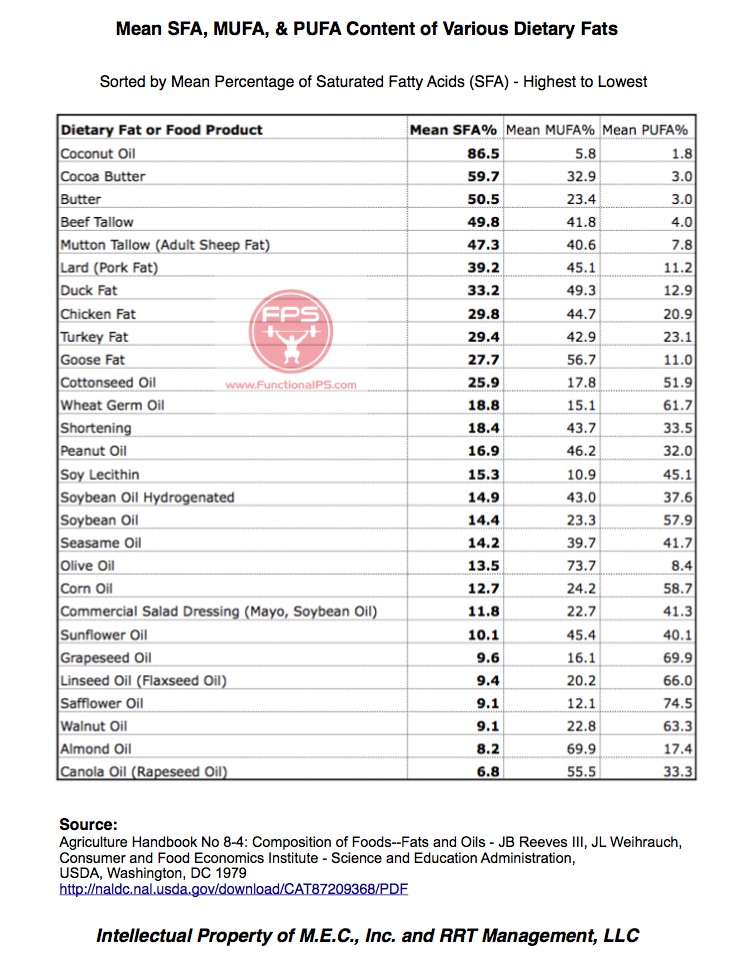
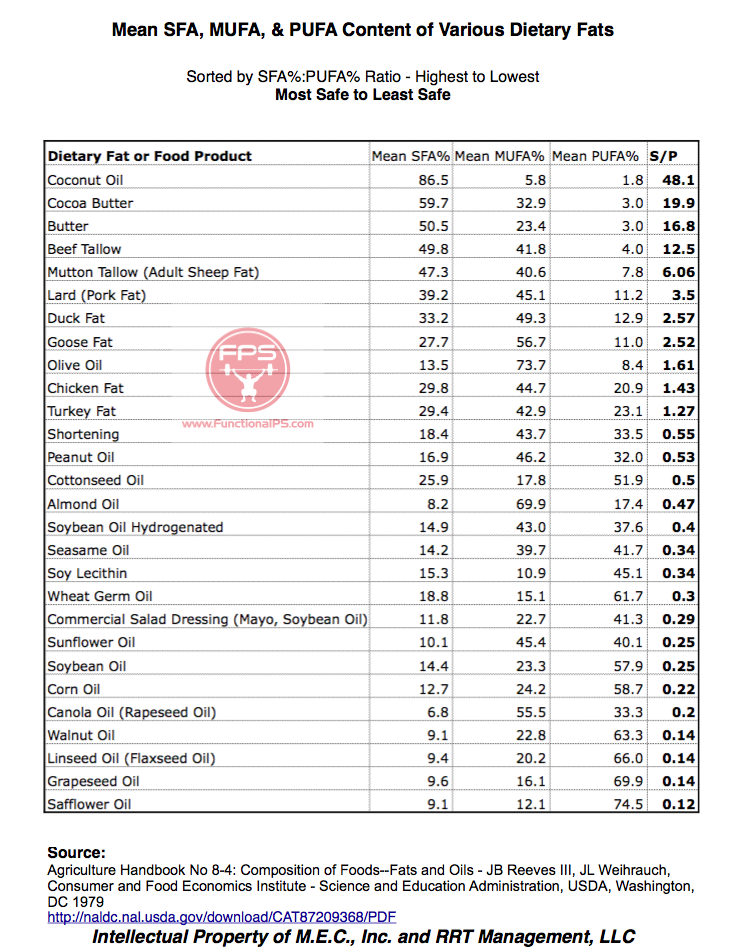
Charts: Mean SFA, MUFA, & PUFA Content of Various Dietary Fats

Sorted by Mean Percentage of Polyunsaturated Fatty Acids (PUFA) - Highest to Lowest

Sorted by Mean Percentage of Polyunsaturated Fatty Acids (PUFA) – Highest to Lowest

Sorted by Mean Percentage of Saturated Fatty Acids (SFA) - Highest to Lowest

Sorted by Mean Percentage of Saturated Fatty Acids (SFA) – Highest to Lowest

Sorted by SFA%:PUFA% Ratio - Highest to Lowest (Most Safe to Least Safe)

Sorted by SFA%:PUFA% Ratio – Highest to Lowest
(Most Safe to Least Safe)

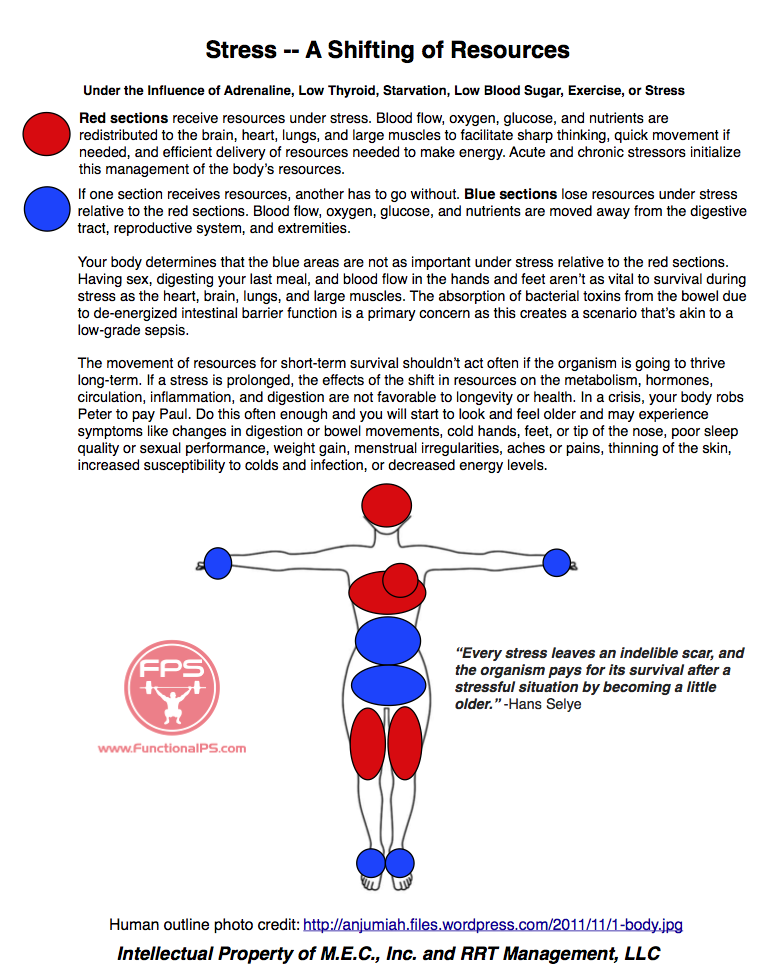
Stress — A Shifting of Resources

fps stress shift

Bodily Resources vs Demands

Posted in General.

Tagged with , , , , .


Low Blood Sugar Basics

Also see:
Ray Peat, PhD on Low Blood Sugar & Stress Reaction
PUFA Promote Stress Response; Saturated Fats Suppress Stress Response
Protect the Mitochondria
Saturated and Monousaturated Fatty Acids Selectively Retained by Fat Cells
PUFA Decrease Cellular Energy Production
The Randle Cycle
Low Carb Diet – Death to Metabolism
Free Fatty Acid Suppress Cellular Respiration
Blood Sugar – Resistance to Allergy and Shock
Sugar (Sucrose) Restrains the Stress Response
Protection from Endotoxin
Possible Indicators of High Cortisol and Adrenaline
Thyroid peroxidase activity is inhibited by amino acids
Toxicity of Stored PUFA
Belly Fat, Cortisol, and Stress
Sugar (Sucrose) Restrains the Stress Response
A long childhood feeds the hungry human brain

“Every stress leaves an indelible scar, and the organism pays for its survival after a stressful situation by becoming a little older.” -Hans Selye

“Since glucose is the main fuel for the brain, and since the human brain is the factor that elevates man above other animals, mother nature took special precautions against a lack of glucose in the bloodstream at all times.” -Broda Barnes & Charlotte Barnes

“In other words, the thyroid has a profound effect on the liver. We have other evidence that a lack of thyroid is accompanied by a sluggish liver…Since a sluggish liver is the most common cause of hypoglycemia, it should follow that the hypothyroid patient is highly susceptible to low blood sugar.” -Broda Barnes, MD, PhD and Charlotte Barnes

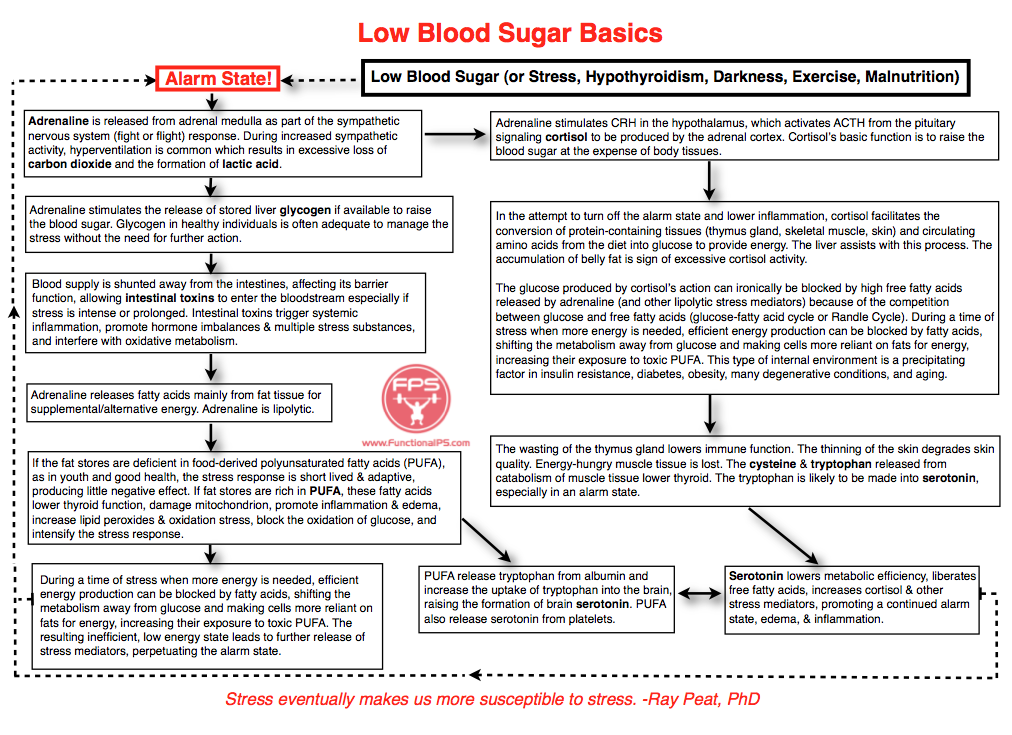
The flow chart thumbnail below is inspired by the work of Ray Peat, PhD and attempts to identify the major players involved in the regulation of blood sugar in the event of hypoglycemia. The alarm or stress reaction that occurs during low blood sugar is a lifesaver during actual starvation or when we can’t get to food, but it should ideally only turn on occasionally.

The more we enter survival (alarm) mode, the greater the pituitary and adrenal activity become dominant relative to thyroid activity. If the blood sugar is chronically low due to illogical food choices or imbalanced or infrequent meals, the alarm state is active too frequently and problems develop over time.

The heightened sympathetic nervous system activity during low blood sugar is like that which happens in hypothyroidism & during prolonged darkness, exercise, and malnutrition. The interconnectedness of the stress mediators is significant since they tend to promote each other in vicious, self-accelerating loops especially when the tissues are rich in polyunsaturates, if the bowel is toxic, or in a backdrop of low carbon dioxide or high estrogen.

The response to stress changes with age in relation to our previous dietary choices. In youth (assuming an adequate diet), the relative deficiency of stored unsaturates, high thyroid, glycogen availability, and optimal protective steroid hormone production produces a self-limiting stress response instead of a self-stimulating one.

As the tissues become more unsaturated with aging or due to poor food choice, the stress response switches from adaptive to dysadaptive, making the body progressively less capable of handling future stresses without producing inflammation and other adverse effects. The unsaturates’ anti-thyroid actions slow the synthesis of protective steroid hormones (pregnenolone, DHEA, progesterone) from cholesterol; cortisol becomes the dominant stress steroid and the ratio of cortisol to testosterone & estrogen to progesterone increases.

Using multiple means, the body protectively slows the metabolism (goes into economy mode) during stress to prolong survival since the body consumes itself during such times. This effect is favorable if you’re actually starving and food isn’t available but not friendly if long-term weight management is desired. Immune function is also suppressed, making the body more susceptible to infection and sickness.

The ability to store enough glycogen to handle stress lessens the need for adrenal activity. With thyroid suppression comes less ability to store glycogen, making low blood sugar and the alarm state more common. Without an energized liver, the conversion of T4 to T3 becomes less efficient, increasing adrenal and pituitary activity. An increased dependence on cortisol to provide glucose for fuel results, wasting protein rich-tissues like skeletal muscle. The loss of muscle tissue (and bone mass) is a characteristic of aging.

As the thyroid activity is suppressed, liver function suffers allowing estrogen to accumulate. Estrogen further blocks thyroid function, depletes glycogen, increases fatty acids, amplifies endotoxin’s effects, is toxic to the liver, and promotes inflammation in another cruel cycle.

Blood sugar balance using protective and digestible food choices is a fundamental of good nutrition practices. While some will argue that we don’t need to eat carbohydrate because our body can make carbohydrate from itself, that side of the fence is looking at physiology through a pin hole and misses the big picture. Ample carbohydrate particularly from ripe fruits, orange juice, milk, honey, and sucrose keeps the alarm state and vicious inflammatory cycles at bay.

The body uses its own tissues to make glucose during hypoglycemia because glucose is important in maintaining optimal function. Without enough dietary carbohydrate, the body becomes dependent on stress hormones for glucose. For optimal health, sustain blood sugar with food, not stress hormones.

The sympathetic nervous system is associated with fight or flight. The parasympathetic side relates to rest and digestion. Excessively sympathetic stimulation degrades digestive (and reproductive) function and sleep quality. The often ignored portion of the low blood sugar puzzle is the effects of poor circulation on the intestines as blood flow shifts to the muscles and brain during fight or flight and away from the digestive tract.

The de-energized intestines not only allow intestinal toxins into the blood stream more easily as barrier function is compromised, but the digestion of foods becomes less efficient also leading to malnutrition. The increased endotoxin exposure triggers inflammation in a multitude of ways along with edema, suppression of oxidation metabolism & detoxification, and a rise in free fatty acids & estrogen.

Hypothyroidism, exercise, and low blood sugar increase fight or flight activity, promoting the loss of carbon dioxide (CO2). If you think of carbon dioxide as a waste product of cellular respiration, then this might not seem like a big deal. However, carbon dioxide is anything but a waste product. A more accurate description labels CO2 as the hormone of cellular respiration since it has many protective & stabilizing functions.

Inhabitants of high altitude regions have longer lifespans and decreased susceptibility to disease relative to low altitude populations suggesting that carbon dioxide is of major importance to our physiology. Excessive CO2 loss from hyperventilation during stress perpetuates the alarm state and increases another mediator of stress, lactic acid, as cells begin producing energy without oxygen because of a lack of CO2 (Bohr Effect).

One of the interesting characteristics of the stress response is that in some circumstances the free fatty acids liberated by adrenaline (and other lipolytic stress substances) can block the glucose produced by cortisol’s action from being used (glucose-fatty acid cycle or Randle Cycle) by cells. This competitive inhibition could appear as high blood sugar on a lab test and a deficiency of insulin would be suspected by white coated professionals, but the elevated free fatty acids from the alarm state are the problem.

During a time of stress when more energy is needed, efficient energy production can be blocked by fatty acids, shifting the metabolism away from glucose and making cells more reliant on fats for energy, increasing their exposure to toxic PUFA. Damage to the cells’ power factory, the mitochondrion, occurs and carbon dioxide & steroid hormone production falls. This type of internal environment is a precipitating factor in insulin resistance, diabetes, obesity, many degenerative conditions, and aging.

By simply balancing the blood sugar with appropriate food choices and avoiding excessive stimulation, much can be done to flip from degeneration & inflammation into regeneration. Taking steps to eliminate the consumption of food rich in polyunsaturates is a protective dietary measure. Niacinamide, vitamin E, aspirin, red light, ample dietary carbohydrate & sodium, and saturated fats are easily introduced therapies that protect us from already stored polyunsaturates.

Posted in General.

Tagged with , , , , , , , , , , , , , , , , , , .


Carbonic Anhydrase Inhibitors as Cancer Therapy

Also see:
Lactate vs. CO2 in wounds, sickness, and aging; the other approach to cancer
Altitude Sickness: Therapeutic Effects of Acetazolamide and Carbon Dioxide
Comparison: Carbon Dioxide v. Lactic Acid
Carbon Dioxide Basics
Comparison: Oxidative Metabolism v. Glycolytic Metabolic
Promoters of Efficient v. Inefficient Metabolism
Altitude Sickness: Therapeutic Effects of Acetazolamide and Carbon Dioxide
Low CO2 in Hypothyroidism
Protective Altitude
Lactate Paradox: High Altitude and Exercise
Altitude Improves T3 Levels
Protective Carbon Dioxide, Exercise, and Performance
Synergistic Effect of Creatine and Baking Soda on Performance
Ray Peat, PhD on Carbon Dioxide, Longevity, and Regeneration
Mitochondria & Mortality
Altitude and Mortality

Drugs similar to acetazolamide, sulfonamides that inhibit carbonic anhydrase, have recently been discovered to stop the growth of a wide variety of tumors. -Ray Peat, PhD

Lactic acid and carbon dioxide oppose each other. Cancer patients have a deficiency of carbon dioxide because of the respiratory defect where lactic acid is formed from glucose despite the presence of oxygen (Warburg effect/aerobic glycolysis). Carbonic anhydrase inhibitors cause the body to retain carbon dioxide. Those living at high altitude retain more carbon dioxide (Haldane-Bohr Effect) and have less susceptibility to degenerative disease, including cancer. High altitude itself acts naturally like carbonic anhydrase inhibitor therapy.

Bioorg Med Chem. 2001 Mar;9(3):703-14.
Carbonic anhydrase inhibitors: sulfonamides as antitumor agents?
Supuran CT, Briganti F, Tilli S, Chegwidden WR, Scozzafava A.
Novel sulfonamide inhibitors of the zinc enzyme carbonic anhydrase (CA, EC 4.2.1.1) were prepared by reaction of aromatic or heterocyclic sulfonamides containing amino, imino, or hydrazino moieties with N,N-dialkyldithiocarbamates in the presence of oxidizing agents (sodium hypochlorite or iodine). The N,N-dialkylthiocarbamylsulfenamido-sulfonamides synthesized in this way behaved as strong inhibitors of human CA I and CA II (hCA I and hCA II) and bovine CA IV (bCA IV). For the most active compounds, inhibition constants ranged from 10(-8) to 10(-9) M (for isozymes II and IV). Three of the derivatives belonging to this new class of CA inhibitors were also tested as inhibitors of tumor cell growth in vitro. These sulfonamides showed potent inhibition of growth against several leukemia, non-small cell lung, ovarian, melanoma, colon, CNS, renal, prostate and breast cancer cell lines. With several cell lines. GI50 values of 10-75 nM were observed. The mechanism of antitumor action with the new sulfonamides reported here remains obscure, but may involve inhibition of CA isozymes which predominate in tumor cell membranes (CA IX and CA XII), perhaps causing acidification of the intercellular milieu, or inhibition of intracellular isozymes which provide bicarbonate for the synthesis of nucleotides and other essential cell components (CA II and CA V). Optimization of these derivatives from the SAR point of view, might lead to the development of effective novel types of anticancer agents.

J Enzyme Inhib. 2000;15(6):597-610.
Carbonic anhydrase inhibitors: aromatic sulfonamides and disulfonamides act as efficient tumor growth inhibitors.
Supuran CT, Scozzafava A.
Aromatic/heterocyclic sulfonamides generally act as strong inhibitors of the zinc enzyme carbonic anhydrase (CA, EC 4.2.1.1). Here we report the unexpected finding that potent aromatic sulfonamide inhibitors of CA, possessing inhibition constants in the range of 10(-8)-10(-9) M (against all the isozymes), also act as efficient in vitro tumor cell growth inhibitors, with GI50 (molarity of inhibitor producing a 50% inhibition of tumor cell growth) values of 10 nM-35 microM against several leukemia, non-small cell lung cancer, ovarian, melanoma, colon, CNS, renal, prostate and breast cancer cell lines. The investigated compounds were sulfanilyl-sulfanilamide-, 4-thioureido-benzenesulfonamide- and benzene-1,3-disulfonamide-derivatives. The mechanism of antitumor action with these sulfonamides is unknown, but it might involve either inhibition of several CA isozymes (such as CA IX, CA XII, CA XIV) predominantly present in tumor cells, a reduced provision of bicarbonate for the nucleotide synthesis (mediated by carbamoyl phosphate synthetase II), the acidification of the intracellular milieu as a consequence of CA inhibition or uncoupling of mitochondria and potent CA V inhibition among others. A combination of several such mechanisms is also plausible. Optimization of such derivatives from the SAR point of view, might lead to the development of effective novel types of anticancer agents/therapies.

Eur J Med Chem. 2000 Sep;35(9):867-74.
Carbonic anhydrase inhibitors–Part 94. 1,3,4-thiadiazole-2-sulfonamidederivatives as antitumor agents?
Supuran CT, Scozzafava A.
Potent sulfonamide inhibitors of the zinc enzyme carbonic anhydrase (CA, EC 4.2.1.1), derivatives of I ,3,4-thiadiazole-2-sulfonamide, possessing inhibition constants in the range of 10(-8)-10(-9) M against isozymes II and IV, were shown to act as efficient in vitro tumour cell growth inhibitors with GI(50) (molarity of inhibitor producing a 50% inhibition of tumour cell growth) values typically in the range of 0.1-30 microM against several leukaemia, non-small cell lung cancer, ovarian, melanoma, colon, CNS, renal, prostate and breast cancer cell lines. The mechanism of antitumour action with the new sulfonamides reported here is unknown, but it might involve either inhibition of several CA isozymes (such as CA IX, CA XII, CA XIV) present predominantly in tumour cell membranes, acidification of the intracellular environment as a consequence of CA inhibition, uncoupling of mitochondria and/or strong CA V inhibition, or a combination of several such mechanisms. Such derivatives might lead to the development of effective novel types of anticancer agents/therapies.

Posted in General.

Tagged with , , , , , , , .


Altitude Sickness: Therapeutic Effects of Acetazolamide and Carbon Dioxide

Also see:
Carbon Dioxide Basics
Comparison: Carbon Dioxide v. Lactic Acid
Carbonic Anhydrase Inhibitors as Cancer Therapy
Comparison: Oxidative Metabolism v. Glycolytic Metabolic
Promoters of Efficient v. Inefficient Metabolism
Low CO2 in Hypothyroidism
Protective Altitude
Lactate Paradox: High Altitude and Exercise
Protective Carbon Dioxide, Exercise, and Performance
Synergistic Effect of Creatine and Baking Soda on Performance
Ray Peat, PhD on Carbon Dioxide, Longevity, and Regeneration
Altitude Improves T3 Levels

High altitude sickness is now treated with acetazolamide (which causes carbon dioxide retention, and respiratory acidosis), or with direct inhalation of carbon dioxide. …Carbon dioxide, progesterone, and the carbonic anhydrase inhibitors stabilize and protect cells in very general ways. -Ray Peat, PhD

The now-standard treatment for mountain sickness is the drug acetazolamide, which causes the body to retain carbon dioxide. Despite the drug’s success in preventing and curing altitude sickness, there is a weird reluctance to acknowledge that mountain sickness is produced by an insufficiency of carbon dioxide. -Ray Peat, PhD

Schweiz Med Wochenschr. 1982 Apr 3;112(14):492-5.
[Incidence, prevention and therapy of acute mountain sickness].
[Article in German]
Oelz O.
The symptoms and signs of acute mountain sickness are present in about half of the tourists trekking in Nepal to an altitude of 42000 m. The most common symptoms are headache and nausea. Pulmonary rales are found in more than 10% of trekkers, while high altitude pulmonary edema is rare. Retinal hemorrhages occur almost exclusively above 5000 m. A careful history and physical examination are generally sufficient for medical evaluation of fitness for high altitude. There are no specific tests to predict performance at altitude. The most effective prophylaxis of acute mountain sickness is “slow” ascent, which is arbitrarily defined as an increase in sleeping altitude of 300-400 m per 24 hours. Sufficient fluid intake is also very important. Prophylactic administration of acetazolamide reduces the incidence and severity of acute mountain sickness. Mild forms of acute mountain sickness are treated by a rest day, whereas patients with severe disease should descend as soon as possible.

Fortschr Med. 1975 Oct 16;93(29):1415-22.
[Prevention of altitude sickness].
[Article in German]
Olzowy M.
In experimental and clinical studies the effect of Acetazolamide (Diamox) on acute mountain sickness was investigated. It could be established that Acetazolamide does influence the symptoms, the man effect seems to be a reduction of the respiratory alkalosis, which is found in control persons in high altitudes. Observations made with a group of 25 tourists mountaineering in the Cordilleras (South America) over 24 days in altitudes between 3200 and 6000 m are described. In accordance with other published data the favorable influence of Acetazolamide on acute mountain sickness could be confirmed. Persons taking Acetazolamide were more efficient and better prepared to cope with the extreme situations in high altitude. They also showed to be more resistent to other diseases, which are following the stress in high altitude and are caused by the different climate and food.

Lancet. 1981 Jan 24;1(8213):180-3.
Acetazolamide in control of acute mountain sickness.
[No authors listed]
As part of a double-blind trial slow-release acetazolamide (500 mg daily) or placebo was given to 20 men ascending to 5000 m. In the 18 who attained this altitude, those on acetazolamide had fewer symptoms of acute mountain sickness (AMS) than those on placebo (p < 0.02). 10 of the men had been to 5400 m on a previous expedition. 5 of these men took acetazolamide and 5 took placebo. Those on the drug performed better than those on placebo (p < 0.005). Furthermore, the performance of the 5 men on acetazolamide during the second expedition had improved more than that of the men on placebo (p < 0.01). In the group as a whole the symptoms of AMS were negatively correlated with arterial oxygen tensions (p < 0.001) which were higher in the drug group (p < 0.001). Acetazolamide probably had its effect by causing a metabolic acidosis with a resultant increase in respiratory drive and arterial oxygen tension.

J Int Med Res. 1986;14(5):285-7.
Acetazolamide in prevention of acute mountain sickness.
McIntosh IB, Prescott RJ.
A controlled comparative between-group study of 48 climbers ascending Kilimanjaro (5895m) was designed as an extension to our previous double-blind cross-over trial on the same peak in 1980, using acetazolamide to decrease the incidence and effects of Acute Mountain Sickness. A group taking acetazolamide 500 mg each morning for one day before reaching 3000m were compared with 3 control groups of Caucasian subjects and lowland and highland Africans. Efficacy was assessed on climbing performance and scores derived from symptoms recorded daily by subjects. Those taking acetazolamide reached higher altitudes and had lower symptom scores than those in control groups. The results support the use of acetazolamide as an effective prophylactic for Acute Mountain Sickness, for most people in a dose of 500 mg in the morning starting one day before ascent above 3000m. The optimal dose of prophylactic acetazolamide is not established, nor is the most appropriate time for medication prior to ascent.

Aviat Space Environ Med. 1976 May;47(5):512-6.
Amelioration of the symptoms of acute mountain sickness by staging and acetazolamide.
Evans WO, Robinson SM, Horstman DH, Jackson RE, Weiskopf RB.
Treatment by 4 d of residence at 1600 m plus the administration of 500 mg acetazolamide b.i.d. for the last 2 d at 1600 m and the first 2 d at 4300 m was compared with no treatment prior to ascent to 4300 m for prophylaxis of acute mountain sickness. The treatment successfully prevented almost all symptoms of acute mountain sickness. It had no effect on the diminished capacity for maximal or prolonged heavy physical work. The treatment produced a relative acidosis and a comparatively greater arterial oxygen tension at 4300 m.

Lancet. 1986 May 3;1(8488):1001-5.
Effect of acetazolamide on exercise performance and muscle mass at high altitude.
Bradwell AR, Dykes PW, Coote JH, Forster PJ, Milles JJ, Chesner I, Richardson NV.
The effect of acetazolamide (Az) on exercise performance and muscle mass in acclimatised subjects at an altitude of 4846 m was assessed in 11 subjects and compared with the effect of placebo on 10 other subjects. Exercise performance at 85% maximum heart rate fell by 37% in the Az group and by 45% in controls (p less than 0.05). Weight loss was greater in the placebo group at high altitude (p less than 0.01) and this correlated with the fall in exercise performance (p less than 0.001). During the expedition anterior quadriceps muscle thickness fell by 12.9% in the control group and 8.5% in the Az group (p less than 0.001), while biceps muscle thickness fell by 8.6% in controls and 2.3% in the Az group (p less than 0.001). Measurements of skin-fold thickness indicated a loss of 18% of total body fat in the placebo group and 5% in the Az group by the end of the expedition (p less than 0.001). Calorie intakes at altitudes above 3000 m were low and similar for the two groups. The Az group had fewer symptoms of acute mountain sickness but differences between the two groups were not statistically significant. Acetazolamide is therefore useful for climbers and trekkers who are acclimatised to high altitudes. It could be most useful at extreme altitudes, where maintenance of exercise performance and muscle mass are important.

Lancet. 1988 Sep 17;2(8612):639-41.
Effect of carbon dioxide in acute mountain sickness: a rediscovery.
Harvey TC, Raichle ME, Winterborn MH, Jensen J, Lassen NA, Richardson NV, Bradwell AR.
The effect of adding CO2 to inhaled air in six subjects with acute mountain sickness was investigated during a medical expedition to 5400m. 3% CO2 in ambient air increased ventilation and resulted in a rise in PaO2 of between 24% and 40%. There was a 9-28% increase in PaCO2 and a reduction of the respiratory alkalosis normally seen at high altitude. Symptoms of acute mountain sickness were rapidly relieved. In three subjects cerebral blood flow increased by 17-39%, so that oxygen delivery to the brain would have been considerably improved. This study confirms earlier suggestions of the beneficial effect of CO2 inhalation at high altitude.

Am J Respir Crit Care Med. 2007 Feb 1;175(3):277-81. Epub 2006 Nov 9.
Effects of acetazolamide on ventilatory, cerebrovascular, and pulmonary vascular responses to hypoxia.
Teppema LJ, Balanos GM, Steinback CD, Brown AD, Foster GE, Duff HJ, Leigh R, Poulin MJ.
RATIONALE:
Acute mountain sickness (AMS) may affect individuals who (rapidly) ascend to altitudes higher than 2,000-3,000 m. A more serious consequence of rapid ascent may be high-altitude pulmonary edema, a hydrostatic edema associated with increased pulmonary capillary pressures. Acetazolamide is effective against AMS, possibly by increasing ventilation and cerebral blood flow (CBF). In animals, it inhibits hypoxic pulmonary vasoconstriction.
OBJECTIVES:
We examined the influence of acetazolamide on the response to hypoxia of ventilation, CBF, and pulmonary vascular resistance (PVR).
METHODS:
In this double-blind, placebo-controlled, randomized study, nine subjects ingested 250 mg acetazolamide every 8 h for 3 d. On the fourth test day, we measured the responses of ventilation, PVR, and CBF to acute isocapnic hypoxia (20 min) and sustained poikilocapnic hypoxia (4 h). Ventilation was measured with pneumotachography. Hypoxia was achieved with dynamic end-tidal forcing. The maximum pressure difference across the tricuspid valve (DeltaPmax, a good index of PVR) was measured with Doppler echocardiography. CBF was measured by transcranial Doppler ultrasound.
RESULTS:
In normoxia, acetazolamide increased ventilation and reduced DeltaPmax, but did not influence CBF. The ventilatory and CBF responses to acute isocapnic hypoxia were unaltered, but the rise in DeltaPmax was reduced by 57%. The increase in DeltaPmax by sustained poikilocapnic hypoxia observed after placebo was reduced by 34% after acetazolamide, the ventilatory response was increased, but the CBF response remained unaltered.
CONCLUSIONS:
Acetazolamide has complex effects on ventilation, PVR, and CBF that converge to optimize brain oxygenation and may be a valuable means to prevent/treat high-altitude pulmonary edema.

Clin Sci (Lond). 2003 Mar;104(3):203-10.
Effects of breathing air containing 3% carbon dioxide, 35% oxygen or a mixture of 3% carbon dioxide/35% oxygen on cerebral and peripheral oxygenation at 150 m and 3459 m.
Imray CH, Walsh S, Clarke T, Tiivas C, Hoar H, Harvey TC, Chan CW, Forster PJ, Bradwell AR, Wright AD; Birmingham Medical Research Expeditionary Society.
The effects of gas mixtures comprising supplementary 3% carbon dioxide, 35% oxygen or a combination of 3% CO(2) plus 35% O(2) in ambient air have been compared on arterial blood gases, peripheral and cerebral oxygenation and middle cerebral artery velocity (MCAV) at 150 m and on acute exposure to 3459 m in 12 healthy subjects. Breathing 3% CO(2) or 35% O(2) increased arterial blood oxygen at both altitudes, and the CO(2)/O(2) combination resulted in the most marked rise. MCAV increased on ascent to 3459 m, increasing further with 3% CO(2) and decreasing with 35% O(2) at both altitudes. The CO(2)/O(2) combination resulted in an increase in MCAV at 150 m, but not at 3549 m. Cerebral regional oxygenation fell on ascent to 3459 m. Breathing 3% CO(2) or 35% O(2) increased cerebral oxygenation at both altitudes, and the CO(2)/O(2) combination resulted in the greatest rise at both altitudes. The combination also resulted in significant rises in cutaneous and muscle oxygenation at 3459 m. The key role of carbon dioxide in oxygenation at altitude is confirmed, and the importance of this gas for tissue oxygenation is demonstrated.

High Alt Med Biol. 2003 Spring;4(1):45-52.
Efficacy of low-dose acetazolamide (125 mg BID) for the prophylaxis of acute mountain sickness: a prospective, double-blind, randomized, placebo-controlled trial.
Basnyat B, Gertsch JH, Johnson EW, Castro-Marin F, Inoue Y, Yeh C.
The objective of this study was to determine the efficacy of low-dose acetazolamide (125 mg twice daily) for the prevention of acute mountain sickness (AMS). The design was a prospective, double-blind, randomized, placebo-controlled trial in the Mt. Everest region of Nepal between Pheriche (4243 m), the study enrollment site, and Lobuje (4937 m), the study endpoint. The participants were 197 healthy male and female trekkers of diverse background, and they were evaluated with the Lake Louise Acute Mountain Sickness Scoring System and pulse oximetry. The main outcome measures were incidence and severity of AMS as judged by the Lake Louise Questionnaire score at Lobuje. Of the 197 participants enrolled, 155 returned their data sheets at Lobuje. In the treatment group there was a statistically significant reduction in incidence of AMS (placebo group, 24.7%, 20 out of 81 subjects; acetazolamide group, 12.2%, 9 out of 74 subjects). Prophylaxis with acetazolamide conferred a 50.6% relative risk reduction, and the number needed to treat in order to prevent one instance of AMS was 8. Of those with AMS, 30% in the placebo group (6 of 20) versus 0% in the acetazolamide group (0 of 9) experienced a more severe degree of AMS as defined by a Lake Louise Questionnaire score of 5 or greater (p = 0.14). Secondary outcome measures associated with statistically significant findings favoring the treatment group included decrease in headache and a greater increase in final oxygen saturation at Lobuje. We concluded that acetazolamide 125 mg twice daily was effective in decreasing the incidence of AMS in this Himalayan trekking population.

Arch Intern Med. 2005 Feb 14;165(3):296-301.
Ginkgo biloba and acetazolamide prophylaxis for acute mountain sickness: a randomized, placebo-controlled trial.
Chow T, Browne V, Heileson HL, Wallace D, Anholm J, Green SM.
BACKGROUND:
Acute mountain sickness (AMS) commonly occurs when unacclimatized individuals ascend to altitudes above 2000 m. Acetazolamide and Ginkgo biloba have both been recommended for AMS prophylaxis; however, there is conflicting evidence regarding the efficacy of Ginkgo biloba use. We performed a randomized, placebo-controlled trial of acetazolamide vs Ginkgo biloba for AMS prophylaxis.
METHODS:
We randomized unacclimatized adults to receive acetazolamide, Ginkgo biloba, or placebo in double-blind fashion and took them to an elevation of 3800 m for 24 hours. We graded AMS symptoms using the Lake Louise Acute Mountain Sickness Scoring System (LLS) and compared the incidence of AMS (defined as LLS score > or =3 and headache).
RESULTS:
Fifty-seven subjects completed the trial (20 received acetazolamide; 17, Ginkgo biloba, and 20, placebo). The LLS scores were significantly different between groups; the median score of the acetazolamide group was significantly lower than that of the placebo group (P=.01; effect size, 2; and 95% confidence interval [CI], 0 to 3), unlike that of the Ginkgo biloba group (P=.89; effect size, 0; and 95% CI, -2 to 2). Acute mountain sickness occurred less frequently in the acetazolamide group than in the placebo group (effect size, 30%; 95% CI, 61% to -15%), and the frequency of occurrence was similar between the Ginkgo biloba group and the placebo group (effect size, -5%; 95% CI, -37% to 28%).
CONCLUSIONS:
In this study, prophylactic acetazolamide therapy decreased the symptoms of AMS and trended toward reducing its incidence. We found no evidence of similar efficacy for Ginkgo biloba.

Expert Opin Pharmacother. 2008 Jan;9(1):119-27.
High hopes at high altitudes: pharmacotherapy for acute mountain sickness and high-altitude cerebral and pulmonary oedema.
Wright A, Brearey S, Imray C.
The pharmacotherapy of prevention and treatment of acute altitude- related problems – acute mountain sickness, high-altitude cerebral oedema and high-altitude pulmonary oedema – is reviewed. Drug therapy is only part of the answer to the medical problems of high altitude; prevention should include slow ascent and treatment of the more severe illnesses should include appropriate descent. Carbonic anhydrase inhibitors, in particular acetazolamide, remain the most effective drugs in preventing, to a large extent, the symptoms of acute mountain sickness, and can be used in the immediate management of the more severe forms of altitude-related illnesses. Glucocorticoids in relatively large doses are also effective preventative drugs, but at present are largely reserved for the treatment of the more severe acute mountain sickness and acute cerebral oedema. Calcium channel blockers and PDE-5 inhibitors are effective in the management of acute pulmonary oedema. Further work is required to establish the role of antioxidants and anticytokines in these syndromes.

BMJ. 2004 Apr 3;328(7443):797. Epub 2004 Mar 11.
Randomised, double blind, placebo controlled comparison of ginkgo biloba and acetazolamide for prevention of acute mountain sickness among Himalayan trekkers: the prevention of high altitude illness trial (PHAIT).
Gertsch JH, Basnyat B, Johnson EW, Onopa J, Holck PS.
OBJECTIVE:
To evaluate the efficacy of ginkgo biloba, acetazolamide, and their combination as prophylaxis against acute mountain sickness.
DESIGN:
Prospective, double blind, randomised, placebo controlled trial.
SETTING:
Approach to Mount Everest base camp in the Nepal Himalayas at 4280 m or 4358 m and study end point at 4928 m during October and November 2002.
PARTICIPANTS:
614 healthy western trekkers (487 completed the trial) assigned to receive ginkgo, acetazolamide, combined acetazolamide and ginkgo, or placebo, initially taking at least three or four doses before continued ascent.
MAIN OUTCOME MEASURES:
Incidence measured by Lake Louise acute mountain sickness score > or = 3 with headache and one other symptom. Secondary outcome measures included blood oxygen content, severity of syndrome (Lake Louise scores > or = 5), incidence of headache, and severity of headache.
RESULTS:
Ginkgo was not significantly different from placebo for any outcome; however participants in the acetazolamide group showed significant levels of protection. The incidence of acute mountain sickness was 34% for placebo, 12% for acetazolamide (odds ratio 3.76, 95% confidence interval 1.91 to 7.39, number needed to treat 4), 35% for ginkgo (0.95, 0.56 to 1.62), and 14% for combined ginkgo and acetazolamide (3.04, 1.62 to 5.69). The proportion of patients with increased severity of acute mountain sickness was 18% for placebo, 3% for acetazoalmide (6.46, 2.15 to 19.40, number needed to treat 7), 18% for ginkgo (1, 0.52 to 1.90), and 7% for combined ginkgo and acetazolamide (2.95, 1.30 to 6.70).
CONCLUSIONS:
When compared with placebo, ginkgo is not effective at preventing acute mountain sickness. Acetazolamide 250 mg twice daily afforded robust protection against symptoms of acute mountain sickness.

Chest. 1992 Mar;101(3):736-41.
The effects of acetazolamide on the ventilatory response to high altitude hypoxia.
Burki NK, Khan SA, Hameed MA.
Acetazolamide treatment ameliorates the symptoms of AMS; however, the mechanism by which this occurs is unclear. To examine the effects of acetazolamide on oxygenation, CO2 responsiveness and ventilatory pattern during acute exposure to HA, we studied two groups of subjects at SL and following rapid (less than 8 h) transport to HA. Acetazolamide or placebo tablets were given to groups 1 and 2, respectively, in a double-blind manner after baseline SL measurements; treatment was continued during HA exposure. There was no difference in the ventilatory pattern at HA, between the two groups. While the Ve achieved in response to CO2 at HA vs SL was much greater in each group the percent change from baseline at HA versus that at SL was not significantly different. The beneficial effects of acetazolamide in AMS are associated with a higher level of ventilation at HA and better oxygenation: CO2 chemosensitivity is not affected by acetazolamide at HA

Respiration. 1980;39(3):121-30.
Ventilatory acclimatization to high altitude is prevented by CO2 breathing.
Cruz JC, Reeves JT, Grover RF, Maher JT, McCullough RE, Cymerman A, Denniston JC.
The hypoxia of high altitude stimulates ventilation. If the resultant respiratory alkalosis inhibits the initial increase in ventilation, then with prevention of alkalosis, ventilation should rise immediately to a stable plateau. 4 subjects inspired CO2 (3.77%) from ambient air in a hypobaric chamber (PB = 440-455 Torr) during 100 h at high altitude. Ventilation (for given oxygen uptakes at rest and during exercise) increased promptly and remained stable. 4 control subjects exposed to high altitude without CO2 supplementation showed the expected progressive increases in ventilation with time. The hyperoxic CO2 ventilatory response curve shifted progressively to the left with time in the control subjects, but not in those given supplemental CO2. The latter group also failed to increase the ventilatory response to isocapnic hypoxia. Thus, CO2 supplementation at high altitude prevented the so-called “ventilatory acclimatization’ from occurring. Prevention of respiratory alkalosis at high altitude probably permitted maintenance of [H+] at some central nervous system locus, thus allowing an uninhibited hypoxic stimulation of ventilation.

==========================
Heart protective effects of acetazolamide:

Neurol Res. 1997 Apr;19(2):139-44.
Comparison of vasodilatory effect of carbon dioxide inhalation and intravenous acetazolamide on brain vasculature using positron emission tomography.
Gambhir S, Inao S, Tadokoro M, Nishino M, Ito K, Ishigaki T, Kuchiwaki H, Yoshida J.
Carbon dioxide (CO2) and acetazolamide are increasingly being used as vasodilators to detect cerebrovascular reserve capacity in patients of chronic cerebrovascular disease. The functional cerebrovascular reserve or ability of cerebral vessels to lower their resistance in response to decrease in cerebral perfusion pressure is expressed as change in cerebral blood flow from baseline under a vasodilatory stimuli. Theoretically a vasodilator causing maximum vasodilation, and thereby expressing complete reserve capacity would be more suitable for such a purpose. We quantitatively compared the vasodilating effect of 5% CO2 inhalation and 1 g of intravenous acetazolamide by positron emission tomography. Cerebrovascular reserve was quantified in six patients with chronic cerebrovascular disease in the same sitting, using oxygen-15 labeled water (H2(15)O) positron emission tomography at rest, during 5% CO2 inhalation and after 1 g intravenous acetazolamide. A significant linear correlation in both nonlesion hemisphere (r = 0.701, p < 0.001) and in lesion hemisphere (r = 0.626, p < 0.005) was found between CO2 and acetazolamide for cerebrovascular reserve capacity. This correlation improved by considering cerebrovascular reserve per unit change in arterial carbon dioxide (r = 0.744, p < 0.001 in nonlesion hemisphere and r = 0.721, p < 0.001 in lesion hemisphere). The quantitative value of global reserve capacity was different by CO2 stimuli (5.2%) and acetazolamide (49.7%). Though a similar vasodilatory response is elicited by both vasodilators, acetazolamide seems to be more potent and therefore should be preferred to detect patients with exhausted cerebrovascular reserve capacity.

Posted in General.

Tagged with , , , , , , , , , , , .