Categories:

PUFA and Liver Toxicity; Protection by Saturated Fats

Also see:
Fish Oils Increase Intestinal Permeability
PUFA Inhibit Glucuronidation
Protective “Essential Fatty Acid Deficiency”
Liver saving saturated fats
PUFAS, LEAKY GUT, ENDOTOXEMIA, AND THE LIVER
Soybean oil causes more obesity than coconut oil and fructose
The common oil that science now shows is worse than sugar

“One of the roles of fat in the food is to stimulate the secretion of bile by the gall bladder. Besides that important function, saturated fats have a variety of protective, antiinflammatory effects, including the reduction of endotoxemia and lipid peroxidation (Nanji, et al., 1997). “Coconut oil completely abolished the responses to endotoxin” (Wan and Grimble, 1987).” -Ray Peat, PhD

Clin Sci (Lond). 1987 Mar;72(3):383-5.
Effect of dietary linoleate content on the metabolic response of rats to Escherichia coli endotoxin.
Wan JM, Grimble RF.
Dietary fat influences many aspects of immune function. Escherichia coli endotoxin is a potent stimulator of interleukin 1 production from macrophages. The present study examines the effect of feeding with fat diets rich (corn oil) and poor (coconut oil) in linoleate at high and low concentrations on responses to endotoxin. Spleen phosphatidylcholine linoleate contents were higher in the corn oil than in the coconut oil group and arachidonate concentrations were highest in the group fed a high concentration of corn oil. Coconut oil completely abolished the responses to endotoxin. The inhibitory effects of coconut oil could largely be due to reduced prostaglandin and leukotriene synthesis.

Hepatology. 1997 Dec;26(6):1538-45.
Dietary saturated fatty acids down-regulate cyclooxygenase-2 and tumor necrosis factor alfa and reverse fibrosis in alcohol-induced liver disease in the rat.
Nanji AA, Zakim D, Rahemtulla A, Daly T, Miao L, Zhao S, Khwaja S, Tahan SR, Dannenberg AJ.
We investigated the potential of dietary saturated fatty acids to decrease endotoxemia and suppress expression of cyclooxygenase 2 (Cox-2) and tumor necrosis factor alpha (TNF-alpha) in established alcohol-induced liver injury. Six groups (five rats/group) of male Wistar rats were studied. Rats in group 1 were fed a fish oil-ethanol diet for 6 weeks. Rats in groups 2, 3, and 4 were fed fish oil and ethanol for 6 weeks. Ethanol administration was stopped at this time, and the rats were switched to isocaloric diets containing dextrose with fish oil (group 2), palm oil (group 3), or medium-chain triglycerides (group 4) as the source of fat for an additional 2 weeks. Rats in groups 5 and 6 were fed fish oil-ethanol and fish oil-dextrose, respectively, for 8 weeks. Liver samples were analyzed for histopathology, lipid peroxidation, and levels of messenger RNA (mRNA) for Cox-2 and TNF-alpha. Concentrations of endotoxin were determined in plasma. The most severe inflammation and fibrosis were detected in groups 1 and 5, as were the highest levels of endotoxin, lipid peroxidation, and mRNA for Cox-2 and TNF-alpha. After ethanol was discontinued, there was minimal histological improvement in group 2 but near normalization of the histology, including regression of fibrosis, in groups 3 and 4. Histological improvement was associated with decreased levels of endotoxin, lipid peroxidation, and reduced expression of Cox-2 and TNF-alpha. The data indicate that a diet enriched in saturated fatty acids (groups 3 and 4) effectively reverses alcohol-induced liver injury, including fibrosis. The therapeutic effects of saturated fatty acids may be explained, at least in part, by reduced endotoxemia and lipid peroxidation, which in turn result in decreased levels of TNF-alpha and Cox-2.

Saturated fats are protective against free radical damage and can reverse liver fibrosis. -Ray Peat, PhD

Gastroenterology. 1995 Aug;109(2):547-54.
Dietary saturated fatty acids: a novel treatment for alcoholic liver disease.
Nanji AA, Sadrzadeh SM, Yang EK, Fogt F, Meydani M, Dannenberg AJ.
BACKGROUND & AIMS:
Lipid peroxidation may be important in the pathogenesis of alcoholic liver injury. The purpose of this study was to determine whether a saturated fatty acid-based therapy (palm oil) could decrease lipid peroxidation and alcoholic liver injury during ethanol withdrawal.
METHODS:
Three groups of male Wistar rats (5 rats/group) were studied. Rats in group 1 were fed a fish oil-ethanol diet for 6 weeks; rats in groups 2 and 3 were fed a fish oil-ethanol diet for 6 weeks before treatment with fish oil-dextrose (group 2) or palm oil-dextrose (group 3) for 2 weeks. Liver samples were analyzed for histopathology, lipid peroxidation, fatty acid composition, cytochrome P450 2E1 activity, and tocopherol levels.
RESULTS:
By 6 weeks, all rats had developed fatty liver, inflammation, and necrosis. Group 2 showed minimal histological improvement, whereas group 3 showed near normalization of the histology. The improvement in group 3 was associated with decreased lipid peroxidation and P450 2E1 activity. Higher levels of omega-3 fatty acids were detected in group 2 than group 3. Tocopherol levels were similar among the groups.
CONCLUSIONS:
A diet enriched in saturated but not unsaturated fatty acids reversed alcoholic liver injury. This effect may be explained by down-regulation of lipid peroxidation.

Alcohol Clin Exp Res. 1989 Feb;13(1):15-9.
Beef fat prevents alcoholic liver disease in the rat.
Nanji AA, Mendenhall CL, French SW.
The amount and type of dietary fat is thought to be important in the pathogenesis of alcoholic liver disease (ALD). We investigated the role of different dietary fats in our rat model for ALD. Liver pathology was evaluated in rats fed ethanol and lard or tallow or corn oil over a period of 2 to 6 months. All experimental animals were pair-fed the same diet as controls except that glucose was isocalorically replaced by ethanol. Rats fed tallow and ethanol developed none of the features of ALD, those fed lard and ethanol developed minimal to moderate disease, rats fed corn oil and ethanol developed the most severe pathology. The degree of histopathological abnormality correlated with the linoleic acid content of fat in the diet (tallow 0.7%, lard 2.5%, corn oil 56.6%). We postulate that linoleic acid facilitates development of ALD and provides an explanation for our previous epidemiological observations.

Alcohol Clin Exp Res. 1986 Jun;10(3):271-3.
Dietary factors and alcoholic cirrhosis.
Nanji AA, French SW.
Mortality from cirrhosis in many countries deviates markedly from that expected for a given per capita alcohol intake. We investigated the possibility that dietary factors might explain the deviation expected and actual mortality rates in different countries. Deviations from expected cirrhosis mortality was calculated as a percentage for 17 different countries, all of whom had carrier rates for hepatitis B virus of less than 2%. The percentage of deviation was correlated with dietary intake of saturated fat, polyunsaturated fat, cholesterol, and also with mortality from ischemic heart disease. The percentage of deviation correlated inversely with dietary cholesterol (r = -0.86, p 0.001) and saturated fat (r = -0.80, p 0.001) and positively with polyunsaturated fats (r = -0.55 p 0.05). This suggests that both saturated fat and cholesterol protect against alcoholic cirrhosis while polyunsaturated fats promote cirrhosis. The correlation between percentage of deviation and ischemic heart disease (r = -0.78, p 0.002) suggests that those factors that promote ischemic heart disease protect against alcoholic cirrhosis.

Some of the clearest evidence of the protective effects of saturated fats has been published by A.A. Nanji’s group, showing that they can reverse the inflammation, necrosis, and fibrosis of alcoholic liver disease, even with continued alcohol consumption, while fish oil and other unsaturated fats exacerbate the problems (Nanji, et al., 2001). -Ray Peat, PhD

J Pharmacol Exp Ther. 2001 Nov;299(2):638-44.
Dietary saturated fatty acids reverse inflammatory and fibrotic changes in rat liver despite continued ethanol administration.
Nanji AA, Jokelainen K, Tipoe GL, Rahemtulla A, Dannenberg AJ.
We investigated the potential of dietary saturated fatty acids to reverse alcoholic liver injury despite continued administration of alcohol. Five groups (six rats/group) of male Wistar rats were studied. Rats in groups 1 and 2 were fed a fish oil-ethanol diet for 8 and 6 weeks, respectively. Rats in groups 3 and 4 were fed fish oil and ethanol for 6 weeks before being switched to isocaloric diets containing ethanol with palm oil (group 3) or medium-chain triglycerides (MCTs, group 4) for 2 weeks. Rats in group 5 were fed fish oil and dextrose for 8 weeks. Liver samples were analyzed for histopathology, lipid peroxidation, nuclear factor-kappaB (NF-kappaB) activation, and mRNAs for cyclooxygenase-2 (Cox-2) and tumor necrosis factor-alpha (TNF-alpha). Endotoxin in plasma was determined. The most severe inflammation and fibrosis were detected in groups 1 and 2, as were the highest levels of endotoxin, lipid peroxidation, activation of NF-kappaB, and mRNAs for Cox-2 and TNF-alpha. After the rats were switched to palm oil or MCT, there was marked histological improvement with decreased levels of endotoxin and lipid peroxidation, absence of NF-kappaB activation, and reduced expression of TNF-alpha and Cox-2. A diet enriched in saturated fatty acids effectively reverses alcohol-induced necrosis, inflammation, and fibrosis despite continued alcohol consumption. The therapeutic effects of saturated fatty acids may be explained, at least in part, by reduced endotoxemia and lipid peroxidation, which in turn result in decreased activation of NF-kappaB and reduced levels of TNF-alpha and Cox-2.

J Pharmacol Exp Ther. 2001 Dec;299(3):832-9.
Arginine reverses ethanol-induced inflammatory and fibrotic changes in liver despite continued ethanol administration.
Nanji AA, Jokelainen K, Lau GK, Rahemtulla A, Tipoe GL, Polavarapu R, Lalani EN.
We investigated the potential of arginine to reverse pathological changes in alcohol-induced liver injury. Four groups (six rats/group) of male Wistar rats were fed a fish oil-ethanol diet for 6 (group 2) or 8 (group 1) weeks. Rats in group 3 were fed fish oil-ethanol for 6 weeks, after which they were administered arginine with fish oil-ethanol for an additional 2 weeks. Rats in group 4 were fed fish oil-dextrose for 8 weeks. Liver samples were analyzed for histopathology, lipid peroxidation, cytochrome P4502E1 activity, nuclear factor-kappaB, and levels of messenger RNA for tumor necrosis factor-alpha, cyclooxygenase-2, and inducible nitric oxide synthase. Concentrations of endotoxin were measured in plasma. The most severe inflammation and fibrosis was detected in groups 1 and 2, as were the highest levels of endotoxin, lipid peroxidation, cytochrome P450 2E1 activity, activation of nuclear factor-kappaB, and mRNA levels for tumor necrosis factor-alpha, cyclooxygenase-2, and inducible nitric oxide synthase. Plasma nitric oxide was also increased as was nitrotyrosine in liver. After arginine was administered, there was marked improvement in the pathological changes accompanied by decreased levels of endotoxin, lipid peroxidation, activation of nuclear factor-kappaB, tumor necrosis factor-alpha, cyclooxygenase-2, inducible nitric oxide, and nitrotyrosine staining. The therapeutic effects of arginine are probably secondary to increased levels of nitric oxide but other effects of arginine cannot be excluded.

Biochem Pharmacol. 2004 Jan 1;67(1):191-9.
Evidence that unsaturated fatty acids are potent inhibitors of renal UDP-glucuronosyltransferases (UGT): kinetic studies using human kidney cortical microsomes and recombinant UGT1A9 and UGT2B7.
Tsoutsikos P, Miners JO, Stapleton A, Thomas A, Sallustio BC, Knights KM.
Renal ischaemia is associated with accumulation of fatty acids (FA) and mobilisation of arachidonic acid (AA). Given the capacity of UDP-glucuronosyltransferase (UGT) isoforms to metabolise both drugs and FA, we hypothesised that FA would inhibit renal drug glucuronidation. The effect of FA (C2:0-C20:5) on 4-methylumbelliferone (4-MU) glucuronidation was investigated using human kidney cortical microsomes (HKCM) and recombinant UGT1A9 and UGT2B7 as the enzyme sources. 4-MU glucuronidation exhibited Michaelis-Menten kinetics with HKCM (apparent K(m) (K(m)(app)) 20.3 microM), weak substrate inhibition with UGT1A9 (K(m)(app) 10.2 microM, K(si) 289.6 microM), and sigmoid kinetics with UGT2B7 (S(50)(app)440.6 microM) Similarly, biphasic UDP-glucuronic acid (UDPGA) kinetics were observed with HKCM (S(50) 354.3 microM) and UGT1A9 (S(50) 88.2 microM). In contrast, the Michaelis-Menten kinetics for UDPGA observed with UGT2B7 (K(m)(app) 493.2 microM) suggested that kinetic interactions with UGTs were specific to the xenobiotic substrate and the co-substrate (UDPGA). FA (C16:1-C20:5) significantly inhibited (25-93%) HKCM, UGT1A9 or UGT2B7 catalysed 4-MU glucuronidation. Although linoleic acid (LA) and AA were both competitive inhibitors of 4-MU glucuronidation by HKCM (K(i)(app) 6.34 and 0.15 microM, respectively), only LA was a competitive inhibitor of UGT1A9 (K(i)(app) 4.06 microM). In contrast, inhibition of UGT1A9 by AA exhibited atypical kinetics. These data indicate that LA and AA are potent inhibitors of 4-MU glucuronidation catalysed by human kidney UGTs and recombinant UGT1A9 and UGT2B7. It is conceivable therefore that during periods of renal ischaemia FA may impair renal drug glucuronidation thus compromising the protective capacity of the kidney against drug-induced nephrotoxicity.

Metabolism. 2011 Sep 22. [Epub ahead of print]
Arachidonic acid and docosahexaenoic acid supplemented to an essential fatty acid-deficient diet alters the response to endotoxin in rats.
Ling PR, Malkan A, Le HD, Puder M, Bistrian BR.
This study examined fatty acid profiles, triene-tetraene ratios (20:3n9/20:4n6), and nutritional and inflammatory markers in rats fed an essential fatty acid-deficient (EFAD) diet provided as 2% hydrogenated coconut oil (HCO) alone for 2 weeks or with 1.3 mg of arachidonic acid (AA) and 3.3 mg of docosahexaenoic acid (DHA) (AA + DHA) added to achieve 2% fat. Healthy controls were fed an AIN 93M diet (AIN) with 2% soybean oil. The HCO and AA + DHA diets led to significant reductions of linoleic acid, α-linolenic acid, and AA (20:4n6) and increases in Mead acid (20:3n9) in plasma and liver compared with the AIN diet; but the triene-tetraene levels remained well within normal. However, levels of 20:3n9 and 20:4n6 were lower in liver phospholipids in the AA + DHA than in HCO group, suggesting reduced elongation and desaturation in ω-9 and -6 pathways. The AA + DHA group also had significantly lower levels of 18:1n9 and 16:1n7 as well as 18:1n9/18:0 and 16:1n7/16:0 than the HCO group, suggesting inhibition of stearyl-Co A desaturase-1 activity. In response to lipopolysaccharide, the levels of tumor necrosis factor and interleukin-6 were significantly lower with HCO, reflecting reduced inflammation. The AA + DHA group had higher levels of IL-6 and C-reactive protein than the HCO group but significantly lower than the AIN group. However, in response to endotoxin, interleukin-6 was higher with AA + DHA than with AIN. Feeding an EFAD diet reduces baseline inflammation and inflammatory response to endotoxin long before the development of EFAD, and added AA + DHA modifies this response.

Ann Surg. 2003 Feb;237(2):246-55.
Protective effects of medium-chain triglycerides on the liver and gut in rats administered endotoxin.
Kono H, Fujii H, Asakawa M, Yamamoto M, Matsuda M, Maki A, Matsumoto Y.
All rats given corn oil died after LPS administration; however, this mortality was prevented by MCT in a dose-dependent manner. Rats given corn oil showed liver injury after LPS administration. In contrast, MCT prevented this pathologic change nearly completely. MCT blunted CD14 expression on the Kupffer cells and TNF-alpha production by isolated Kupffer cells; however, there were no differences in phagocytic index between the two groups. The length of the intestinal epithelium was increased in the MCT group compared to the corn oil group. Further, after LPS administration, increases in gut permeability and injury were prevented by MCT. Importantly, MCT also prevented hepatic energy charge and gut injuries in this condition.

Am J Physiol Gastrointest Liver Physiol. 2001 Dec;281(6):G1348-56.
Increased severity of alcoholic liver injury in female rats: role of oxidative stress, endotoxin, and chemokines.
Nanji AA, Jokelainen K, Fotouhinia M, Rahemtulla A, Thomas P, Tipoe GL, Su GL, Dannenberg AJ.
Alcoholic liver injury is more severe and rapidly developing in women than men. To evaluate the reason(s) for these gender-related differences, we determined whether pathogenic mechanisms important in alcoholic liver injury in male rats were further upregulated in female rats. Male and age-matched female rats (7/group) were fed ethanol and a diet containing fish oil for 4 wk by intragastric infusion. Dextrose isocalorically replaced ethanol in control rats. We analyzed liver histopathology, lipid peroxidation, cytochrome P-450 (CYP)2E1 activity, nonheme iron, endotoxin, nuclear factor-kappa B (NF-kappa B) activation, and mRNA levels of cyclooxygenase-1 (COX-1) and COX-2, tumor necrosis factor-alpha (TNF-alpha), monocyte chemotactic protein-1 (MCP-1), and macrophage inflammatory protein-2 (MIP-2). Alcohol-induced liver injury was more severe in female vs. male rats. Female rats had higher endotoxin, lipid peroxidation, and nonheme iron levels and increased NF-kappa B activation and upregulation of the chemokines MCP-1 and MIP-2. CYP2E1 activity and TNF-alpha and COX-2 levels were similar in male and female rats. Remarkably, female rats fed fish oil and dextrose also showed necrosis and inflammation. Our findings in ethanol-fed rats suggest that increased endotoxemia and lipid peroxidation in females stimulate NF-kappa B activation and chemokine production, enhancing liver injury. TNF-alpha and COX-2 upregulation are probably important in causing liver injury but do not explain gender-related differences.

Lipids in Health and Disease (2011) Volume: 10, Issue: 1, Pages: 184
Dietary Saturated and Monounsaturated Fats Protect Against Acute Acetaminophen Hepatotoxicity by Altering Fatty Acid Composition of Liver Microsomal Membrane in Rats
by Jinah Hwang, Yun-Hee Chang, Jung Park, Soo Kim, Haeyon Chung, Eugene Shim, Hye Hwang
BACKGROUND:Dietary polyunsaturated fats increase liver injury in response to ethanol feeding. We evaluated the effect of dietary corn oil (CO), olive oil (OO), and beef tallow (BT) on fatty acid composition of liver microsomal membrane and acute acetaminophen hepatotoxicity. METHODS:Male Sprague-Dawley rats were fed 15% (wt/wt) CO, OO or BT for 6 weeks. After treatment with acetaminophen (600mg/kg), samples of plasma and liver were taken for analyses of the fatty acid composition and toxicity.RESULTS:Treatment with acetaminophen significantly elevated levels of plasma GOT and GPT as well as hepatic TBARS but reduced hepatic GSH levels in CO compared to OO and BT groups. Acetaminophen significantly induced protein expression of cytochrome P450 2E1 in the CO group. In comparison with the CO diet, lower levels of linoleic acid, higher levels of oleic acids and therefore much lower ratios of linoleic to oleic acid were detected in rats fed OO and BT diets. CONCLUSIONS:Dietary OO and BT produces similar liver microsomal fatty acid composition and may account for less severe liver injury after acetaminophen treatment compared to animals fed diets with CO rich in linoleic acid. These findings imply that types of dietary fat may be important in the nutritional management of drug-induced hepatotoxicity.

J Clin Invest. 1967 Sep;46(9):1451-60.
Difference in hepatic metabolism of long- and medium-chain fatty acids: the role of fatty acid chain length in the production of the alcoholic fatty liver.
Lieber CS, Lefèvre A, Spritz N, Feinman L, DeCarli LM.
Replacement of dietary triglycerides containing long-chain fatty acids (LCFA) by triglycerides containing medium-chain fatty acids (MCFA) markedly reduced the capacity of alcohol to produce fatty liver in rats. After 24 days of ethanol and MCFA, the increase in hepatic triglycerides was only 3 times that of controls, whereas an 8-fold rise was observed after ethanol and LCFA. The triglyceride fatty acids that accumulated in the liver after feeding of ethanol with MCFA contained only a small percentage of the MCFA; their composition also differed strikingly from that of adipose lipids. To study the mechanism of the reduction in steatosis, we compared oxidation to CO(2) and incorporation into esterified lipids of (14)C-labeled chylomicrons or palmitate-(14)C (representing LCFA), and of octanoate-(14)C (as MCFA) in liver slices and isolated perfused livers, in the presence or absence of ethanol. Ethanol depressed the oxidation of all substrates to CO(2); MCFA, however, was much more oxidized and reciprocally much less esterified than LCFA, with a 100-fold difference in the ratio of esterified lipid-(14)C to (14)CO(2). Furthermore, in hepatic microsomal fractions incubated with alpha-glycerophosphate, octanoate was much less esterified than palmitate. This propensity of MCFA to oxidation rather than esterification represents a likely explanation for the reduction in alcoholic steatosis upon replacement of dietary LCFA by MCFA.

J Nutr. 2004 Apr;134(4):904-12.
Dietary saturated fat reduces alcoholic hepatotoxicity in rats by altering fatty acid metabolism and membrane composition.
Ronis MJ, Korourian S, Zipperman M, Hakkak R, Badger TM.
Rats fed a saturated fat diet are protected from experimentally induced alcoholic liver disease, but the molecular mechanisms underlying this phenomenon remain in dispute. We fed male Sprague-Dawley rats intragastrically by total enteral nutrition using diets with or without ethanol. In 1 control and 1 ethanol group, the dietary fat was corn oil at a level of 45% of total energy. In other groups, saturated fat [18:82 ratio of beef tallow:medium-chain triglyceride (MCT) oil] was substituted for corn oil at levels of 10, 20, and 30% of total energy, while keeping the total energy from fat at 45%. After 70 d, liver pathology, serum alanine aminotransferase (ALT), biochemical markers of oxidative stress, liver fatty acid composition, cytochrome P450 2E1 (CYP2E1) expression and activity and cytochrome P450 4A (CYP4A) expression were assessed. In rats fed the corn oil plus ethanol diet, hepatotoxicity was accompanied by oxidative stress. As dietary saturated fat content increased, all measures of hepatic pathology and oxidative stress were progressively reduced, including steatosis (P < 0.05). Thus, saturated fat protected rats from alcoholic liver disease in a dose-responsive fashion. Changes in dietary fat composition did not alter ethanol metabolism or CYP2E1 induction, but hepatic CYP4A levels increased markedly in rats fed the saturated fat diet. Dietary saturated fat also decreased liver triglyceride, PUFA, and total FFA concentrations (P < 0.05). Increases in dietary saturated fat increased liver membrane resistance to oxidative stress. In addition, reduced alcoholic steatosis was associated with reduced fatty acid synthesis in combination with increased CYP4A-catalyzed fatty acid oxidation and effects on lipid export. These findings may be important in the nutritional management and treatment of alcoholic liver disease.

Alcohol Clin Exp Res. 2012 May;36(5):835-46. doi: 10.1111/j.1530-0277.2011.01673.x. Epub 2011 Dec 7.
The type of dietary fat modulates intestinal tight junction integrity, gut permeability, and hepatic toll-like receptor expression in a mouse model of alcoholic liver disease.
Kirpich IA, Feng W, Wang Y, Liu Y, Barker DF, Barve SS, McClain CJ.
BACKGROUND:
Interactions between the gut, immune system, and the liver, as well as the type of fat in the diet, are critical components of alcoholic liver disease (ALD). The goal of the present study was to determine the effects of saturated fat (SF) and unsaturated fat (USF) on ethanol (EtOH)-induced gut-liver interactions in a mouse model of ALD.
METHODS:
C57BL/6N mice were fed Lieber-DeCarli liquid diets containing EtOH and enriched in USF (corn oil) or SF (medium chain triglycerides:beef tallow). Control mice were pair-fed on an isocaloric basis. Liver injury and steatosis, blood endotoxin levels, intestinal permeability, and tight junction (TJ) integrity, as well as hepatic Toll-like receptor (TLR) gene expression, were evaluated.
RESULTS:
After 8 weeks of EtOH feeding, liver injury and steatosis were observed in USF + EtOH group compared with control and SF + EtOH. Significantly increased intestinal permeability in conjunction with elevated blood endotoxin levels were observed in the ileal segments of the mice fed USF + EtOH. USF diet alone resulted in down-regulation of intestinal TJ protein mRNA expression compared with SF. Importantly, alcohol further suppressed TJ proteins in USF + EtOH, but did not affect intestinal TJ in SF + EtOH group. The type of fat in the diet alone did not affect hepatic TLR expression. Compared with control animals, hepatic TLR (TLR 1, 2, 3, 4, 7, 8, 9) mRNA expression was significantly (p < 0.05) increased in USF + EtOH, but not in SF + EtOH group. Notably, TLR5 was the only up-regulated TLR in both SF + EtOH and USF + EtOH groups.
CONCLUSIONS:
Dietary fat is an important cofactor in alcohol-associated liver injury. We demonstrate that USF (corn oil/linoleic acid) by itself results in dysregulation of intestinal TJ integrity leading to increased gut permeability, and alcohol further exacerbates these alterations. We postulate that elevated blood endotoxin levels in response to USF and alcohol in conjunction with up-regulation of hepatic TLRs combine to cause hepatic injury in ALD.

Lipids Health Dis. 2011 Oct 20;10:184.
Dietary saturated and monounsaturated fats protect against acute acetaminophen hepatotoxicity by altering fatty acid composition of liver microsomal membrane in rats.
Hwang J, Chang YH, Park JH, Kim SY, Chung H, Shim E, Hwang HJ.
BACKGROUND:
Dietary polyunsaturated fats increase liver injury in response to ethanol feeding. We evaluated the effect of dietary corn oil (CO), olive oil (OO), and beef tallow (BT) on fatty acid composition of liver microsomal membrane and acute acetaminophen hepatotoxicity.
METHODS:
Male Sprague-Dawley rats were fed 15% (wt/wt) CO, OO or BT for 6 weeks. After treatment with acetaminophen (600 mg/kg), samples of plasma and liver were taken for analyses of the fatty acid composition and toxicity.
RESULTS:
Treatment with acetaminophen significantly elevated levels of plasma GOT and GPT as well as hepatic TBARS but reduced hepatic GSH levels in CO compared to OO and BT groups. Acetaminophen significantly induced protein expression of cytochrome P450 2E1 in the CO group. In comparison with the CO diet, lower levels of linoleic acid, higher levels of oleic acids and therefore much lower ratios of linoleic to oleic acid were detected in rats fed OO and BT diets.
CONCLUSIONS:
Dietary OO and BT produces similar liver microsomal fatty acid composition and may account for less severe liver injury after acetaminophen treatment compared to animals fed diets with CO rich in linoleic acid. These findings imply that types of dietary fat may be important in the nutritional management of drug-induced hepatotoxicity.

Toxicol. 2013 May 1. [Epub ahead of print]
Rapeseed oil-rich diet alters hepatic mitochondrial membrane lipid composition and disrupts bioenergetics.
Monteiro JP, Pereira CV, Silva AM, Maciel E, Baldeiras I, Peixoto F, Domingues MR, Jurado AS, Oliveira PJ.
Diet is directly related with physiological alterations occurring at a cell and subcellular level. However, the role of diet manipulation on mitochondrial physiology is still largely unexplored. Aiming at correlating diet with alterations of mitochondrial membrane composition and bioenergetics, Wistar-Han male rats were fed for 11, 22 and 33 days with a rapeseed oil-based diet and mitochondrial bioenergetics, and membrane composition were compared at each time point with a standard diet group. Considerable differences were noticed in mitochondrial membrane lipid composition, namely in terms of fatty acyl chains and relative proportions of phospholipid classes, the modified diet inducing a decrease in the saturated to unsaturated molar ratio and an increase in the phosphatidylcholine to phosphatidylethanolamine molar ratio. Mass spectrometry lipid analysis showed significant differences in the major species of cardiolipin, with an apparent increased incorporation of oleic acid as a result of exposure to the modified diet. Rats fed the modified diet during 22 days showed decreased hepatic mitochondrial state 3 respiration and were more susceptible to Ca2+-induced transition pore opening. Rapeseed oil-enriched diet also appeared to promote a decrease in hydroperoxide production by the respiratory chain, although a simultaneous decrease in vitamin E content was detected. In conclusion, our data indicate that the rapeseed oil diet causes negative alterations on hepatic mitochondrial bioenergetics, which may result from membrane remodeling. Such alterations may have an impact not only on energy supply to the cell, but also on drug-induced hepatic mitochondrial liabilities.

Ann Nutr Metab 1991;35(5):253-60.
Effect of dietary avocado oils on hepatic collagen metabolism.
Wermam MJ, Mokady S, Neeman I
The effect of various avocado and soybean oils on collagen metabolism in the liver was studied in growing female rats for 8 weeks and in day-old chicks for 1 week. In comparison with rats fed either refined avocado oil, refined or unrefined soybean oils, rats fed unrefined avocado oil showed a significant decrease in total collagen solubility in the liver, while there were no changes in total collagen, protein and moisture content. Chicks fed unrefined avocado oil as compared to those fed refined avocado oil also showed a decrease in hepatic total soluble collagen while hepatic total collagen remained unaffected. Electron micrographs and light-microscope examinations of rats’ liver revealed collagen accumulation in the periportal location. This is suggestive of the early stages of fibrosis.

Alcohol. 2004 Aug;34(1):3-8.
Role of fatty liver, dietary fatty acid supplements, and obesity in the progression of alcoholic liver disease: introduction and summary of the symposium.Purohit V, Russo D, Coates PM.
Alcoholic liver disease is a major cause of illness and death in the United States. In the initial stages of the disease, fat accumulation in hepatocytes leads to the development of fatty liver (steatosis), which is a reversible condition. If alcohol consumption is continued, steatosis may progress to hepatitis and fibrosis, which may lead to liver cirrhosis. Alcoholic fatty liver has long been considered benign; however, increasing evidence supports the idea that it is a pathologic condition. Blunting of the accumulation of fat within the liver during alcohol consumption may block or delay the progression of fatty liver to hepatitis and fibrosis. To achieve this goal, it is important to understand the underlying biochemical and molecular mechanisms by which chronic alcohol consumption leads to fat accumulation in the liver and fatty liver progresses to hepatitis and fibrosis. In addition to alcohol consumption, dietary fatty acids and obesity have been shown to affect the degree of fat accumulation within the liver. Again, it is important to know how these factors modulate the progression of alcoholic liver disease. The National Institute on Alcohol Abuse and Alcoholism and the Office of Dietary Supplements, National Institutes of Health, sponsored a symposium on “Role of Fatty Liver, Dietary Fatty Acid Supplements, and Obesity in the Progression of Alcoholic Liver Disease” in Bethesda, Maryland, USA, October 2003. The following is a summary of the symposium. Alcoholic fatty liver is a pathologic condition that may predispose the liver to further injury (hepatitis and fibrosis) by cytochrome P450 2E1 induction, free radical generation, lipid peroxidation, nuclear factor-kappa B activation, and increased transcription of proinflammatory mediators, including tumor necrosis factor-alpha. Increased acetaldehyde production and lipopolysaccharide-induced Kupffer cell activation may further exacerbate liver injury. Acetaldehyde may promote hepatic fat accumulation by impairing the ability of peroxisome proliferator-activated receptor alpha to bind DNA, and by increasing the synthesis of sterol regulatory binding protein-1. Unsaturated fatty acids (corn oil, fish oil) exacerbate alcoholic liver injury by accentuating oxidative stress, whereas saturated fatty acids are protective. Polyenylphosphatidylcholine may prevent liver injury by down-regulating cytochrome P450 2E1 activity, attenuating oxidative stress, reducing the number of activated hepatic stellate cells, and up-regulating collagenase activity. Nonalcoholic steatohepatitis may develop through several mechanisms, such as oxidative stress, mitochondrial dysfunction and associated impaired fat metabolism, dysregulated cytokine metabolism, insulin resistance, and altered methionine/S-adenosylmethionine/homocysteine metabolism. Obesity (adipose tissue) may contribute to the development of alcoholic liver disease by generating free radicals, increasing tumor necrosis factor-alpha production, inducing insulin resistance, and producing fibrogenic agents, such as angiotensin II, norepinephrine, neuropeptide Y, and leptin. Finally, alcoholic fatty liver transplant failure may be linked to oxidative stress. In vitro treatment of fatty livers with interleukin-6 may render allografts safer for clinical transplantation.
Posted in General.

Tagged with , , , , , , , , , , , , , , , , , , , , , .


Protection from Endotoxin

Also see:
Ray Peat, PhD on the Benefits of the Raw Carrot
Endotoxin-lipoprotein Hypothesis
Endotoxin: Poisoning from the Inside Out
Protective Bamboo Shoots
The effect of raw carrot on serum lipids and colon function
Bowel Toxins Accelerate Aging
Thumbs Up: Fructose
The Truth about Low Cholesterol
Are Happy Gut Bacteria Key to Weight Loss?

“The rate of cholesterol production, and the amount in circulation, tend to be inversely related to systemic inflammation. All of the types of lipoprotein absorb, bind, and help to eliminate endotoxin, for example.” -Ray Peat, PhD

“Cholesterol has a long history as a protectant against many toxins; I think this relates to the fact that people with very low cholesterol have such a high incidence of endotoxin-related symptoms.” -Ray Peat, PhD

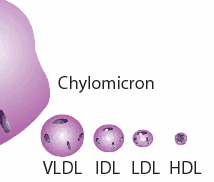
“We are all subject to a variable degree of inflammatory stimulation from the endotoxin absorbed from the intestine, but a healthy liver normally prevents it from reaching the general circulation, and produces a variety of protective factors. The HDL lipoprotein is one of these, which protects against inflammation by binding bacterial endotoxins that have reached the bloodstream. (Things that increase absorption of endotoxin–exercise, estrogen, ethanol–cause HDL to rise.) Chylomicrons and VLDL also absorb, bind, and help to eliminate endotoxins. All sorts of stress and malnutrition increase the tendency of endotoxin to leak into the bloodstream. Thyroid hormone, by increasing the turnover of cholesterol and its conversion into the protective steroids, is a major factor in keeping the inflammatory processes under control.” -Ray Peat, PhD

J Clin Invest. 1993 Mar;91(3):1028-34.
Chylomicrons alter the fate of endotoxin, decreasing tumor necrosis factor release and preventing death.
Harris HW, Grunfeld C, Feingold KR, Read TE, Kane JP, Jones AL, Eichbaum EB, Bland GF, Rapp JH.
The hypertriglyceridemia of infection was traditionally thought to represent the mobilization of substrate to fuel the body’s response to the infectious challenge. However, we have previously shown that triglyceride-rich lipoproteins can protect against endotoxin-induced lethality. The current studies examine the mechanism by which this protection occurs. Rats infused with a lethal dose of endotoxin preincubated with chylomicrons had a reduced mortality compared with rats infused with endotoxin alone (15 vs. 76%, P < 0.001). Preincubation with chylomicrons increased the rate of clearance of endotoxin from plasma and doubled the amount of endotoxin cleared by the liver (30 +/- 1 vs. 14 +/- 2% of the total infused radiolabel, P < 0.001). In addition, autoradiographic studies showed that chylomicrons directed more of the endotoxin to hepatocytes and away from hepatic macrophages. Rats infused with endotoxin plus chylomicrons also showed reduced peak serum levels of tumor necrosis factor as compared with controls (14.2 +/- 3.3 vs. 44.9 +/- 9.5 ng/ml, mean +/- SEM, P = 0.014). In separate experiments, chylomicrons (1,000 mg triglyceride/kg) or saline were infused 10 min before the infusion of endotoxin. Chylomicron pretreatment resulted in a reduced mortality compared with rats infused with endotoxin alone (22 vs. 78%, P < 0.005). Therefore, chylomicrons can protect against endotoxin-induced lethality with and without preincubation with endotoxin. The mechanism by which chylomicrons protect against endotoxin appears to involve the shunting of endotoxin to hepatocytes and away from macrophages, thereby decreasing macrophage activation and the secretion of cytokines.

Infect Immun. 1993 Aug;61(8):3496-502.
Chylomicrons enhance endotoxin excretion in bile.
Read TE, Harris HW, Grunfeld C, Feingold KR, Calhoun MC, Kane JP, Rapp JH.
Chylomicrons prevent endotoxin toxicity and increase endotoxin uptake by hepatocytes. As a consequence, less endotoxin is available to activate macrophages, thereby reducing tumor necrosis factor secretion. To determine whether the chylomicron-mediated increase in hepatocellular uptake of endotoxin results in increased endotoxin excretion into bile, we examined bile after endotoxin administration. A sublethal dose (7 micrograms/kg) of 125I-endotoxin was incubated with either rat mesenteric lymph containing nascent chylomicrons (500 mg of chylomicron triglyceride per kg of body weight) or an equal volume of normal saline (controls) for 3 h and then infused into male Sprague-Dawley rats. Bile samples were collected via a common bile duct catheter for 24 h. Infusion of endotoxin incubated with chylomicrons increased biliary excretion of endotoxin by 67% at 3 h (P < or = 0.006) and by 20% at 24 h (P < or = 0.01) compared with infusion of endotoxin incubated in saline. Endotoxin activity, as measured by the Limulus assay, was not detected in the bile of test animals. However, endotoxin activity was detected after hot phenol-water extraction of bile, demonstrating that endotoxin is inactive in the presence of bile but retains bioactivity after hepatic processing. Since the majority of an intravenous endotoxin load has been shown to be cleared by the liver, acceleration of hepatocyte clearance and biliary excretion of endotoxin may represent a component of the mechanism by which chylomicrons protect against endotoxin-induced lethality.

The Journal of Immunology, 2003, 170: 1399-1405.
Lipopolysaccharide (LPS)-Binding Protein Mediates LPS Detoxification by Chylomicrons 1
Anita C. E. Vreugdenhil, Corine H. Rousseau, Thomas Hartung, Jan Willem M. Greve, Cornelis van ‘t Veer and Wim A. Buurman
Chylomicrons have been shown to protect against endotoxin-induced lethality. LPS-binding protein (LBP) is involved in the inactivation of bacterial toxin by lipoproteins. The current study examined the interaction among LBP, chylomicrons, and bacterial toxin. LBP was demonstrated to associate with chylomicrons and enhance the amount of LPS binding to chylomicrons in a dose-dependent fashion. In addition, LBP accelerated LPS binding to chylomicrons. This LBP-induced interaction of LPS with chylomicrons prevented endotoxin toxicity, as demonstrated by reduced cytokine secretion by PBMC. When postprandial circulating concentrations of chylomicrons were compared with circulating levels of low density lipoprotein, very low density lipoprotein, and high density lipoprotein, chylomicrons exceeded the other lipoproteins in LPS-inactivating capacity. Furthermore, highly purified lipoteichoic acid, an immunostimulatory component of Gram-positive bacteria, was detoxified by incubation with LBP and chylomicrons. In conclusion, our results indicate that LBP associates with chylomicrons and enables chylomicrons to rapidly bind bacterial toxin, thereby preventing cell activation. Besides a role in the detoxification of bacterial toxin present in the circulation, we believe that LBP-chylomicron complexes may be part of a local defense mechanism of the intestine against translocated bacterial toxin.

Ann Surg. 2003 Feb;237(2):246-55.
Protective effects of medium-chain triglycerides on the liver and gut in rats administered endotoxin.
Kono H, Fujii H, Asakawa M, Yamamoto M, Matsuda M, Maki A, Matsumoto Y.
All rats given corn oil died after LPS administration; however, this mortality was prevented by MCT in a dose-dependent manner. Rats given corn oil showed liver injury after LPS administration. In contrast, MCT prevented this pathologic change nearly completely. MCT blunted CD14 expression on the Kupffer cells and TNF-alpha production by isolated Kupffer cells; however, there were no differences in phagocytic index between the two groups. The length of the intestinal epithelium was increased in the MCT group compared to the corn oil group. Further, after LPS administration, increases in gut permeability and injury were prevented by MCT. Importantly, MCT also prevented hepatic energy charge and gut injuries in this condition.

Eur Heart J. 1993 Dec;14 Suppl K:125-9.
The protective effect of serum lipoproteins against bacterial lipopolysaccharide.
Read TE, Harris HW, Grunfeld C, Feingold KR, Kane JP, Rapp JH.
Lipoproteins bind and inactivate bacterial endotoxin, both in vitro and in vivo. Both cholesterol ester-rich and TG-rich lipoproteins, and TG-rich lipid emulsions can prevent death in mice when pre-incubated with a lethal dose of endotoxin before intraperitoneal administration. Chylomicrons can also prevent death when given intravenously after endotoxin in rats. The metabolic fate of lipoprotein-bound endotoxin appears to be directed by the lipoprotein particle. When administered with chylomicrons, the plasma clearance and hepatic uptake of endotoxin are enhanced. Endotoxin is shunted preferentially to hepatocytes and away from hepatic macrophages, thereby increasing endotoxin excretion [corrected] in bile. The survival benefit and alterations in metabolism afforded by chylomicrons correlate with a reduction in peak serum levels of tumour necrosis factor (TNF), providing a possible mechanism by which lipoproteins protect against endotoxin-induced death. These findings suggest a possible role for lipoproteins or lipid emulsions in the body’s defence against endotoxaemia.

Surgery. 1995 Jan;117(1):62-7.
Triglyceride-rich lipoproteins improve survival when given after endotoxin in rats.
Read TE, Grunfeld C, Kumwenda Z, Calhoun MC, Kane JP, Feingold KR, Rapp JH.
Source
Department of Surgery, University of California, San Francisco.
RESULTS:
Chylomicron infusions significantly improved survival when given up to 30 minutes after a lethal dose of endotoxin (p < 0.05). Chylomicrons accelerated endotoxin clearance from the blood and increased endotoxin uptake by the liver. The synthetic triglyceride-rich lipid emulsion significantly improved survival when given up to 15 minutes after a lethal dose of endotoxin (p < 0.05).
CONCLUSIONS:
Triglyceride-rich lipoproteins and synthetic triglyceride-rich lipid emulsions significantly improve survival of rats when given after a lethal dose of endotoxin. Lipoprotein treatment accelerates endotoxin clearance to the liver, which may account for the observed protection. These data suggest a possible therapeutic role for triglyceride-rich lipoproteins or synthetic lipid emulsions in the treatment of the endotoxemia of gram-negative sepsis.

J Exp Med. 1995 Jul 1;182(1):267-72.
Triglyceride-rich lipoproteins prevent septic death in rats.
Read TE, Grunfeld C, Kumwenda ZL, Calhoun MC, Kane JP, Feingold KR, Rapp JH.
Triglyceride-rich lipoproteins bind and inactive bacterial endotoxin in vitro and prevent death when given before a lethal dose of endotoxin in animals. However, lipoproteins have not yet been demonstrated to improve survival in polymicrobial gram-negative sepsis. We therefore tested the ability of triglyceride-rich lipoproteins to prevent death after cecal ligation and puncture (CLP) in rats. Animals were given bolus infusions of either chylomicrons (1 g triglyceride/kg per 4 h) or an equal volume of saline for 28 h after CLP. Chylomicron infusions significantly improved survival (measured at 96 h) compared with saline controls (80 vs 27%, P < or = 0.03). Chylomicron infusions also reduced serum levels of endotoxin, measured 90 min (26 +/- 3 vs 136 +/- 51 pg/ml, mean +/- SEM, P < or = 0.03) and 6 h (121 +/- 54 vs 1,026 +/- 459 pg/ml, P < or = 0.05) after CLP. The reduction in serum endotoxin correlated with a reduction in serum tumor necrosis factor, measured 6 h after CLP (0 +/- 0 vs 58 +/- 24 pg/ml, P < or = 0.03), suggesting that chylomicrons improve survival in this model by limiting macrophage exposure to endotoxin and thereby reducing secretion of inflammatory cytokines. Infusions of a synthetic triglyceride-rich lipid emulsion (Intralipid; KabiVitrum, Inc., Alameda, CA) (1 g triglyceride/kg) also significantly improved survival compared with saline controls (71 vs 27%, P < or = 0.03). These data demonstrate that triglyceride-rich lipoproteins can protect animals from lethal polymicrobial gram-negative sepsis.

J Hepatol. 2004 Sep;41(3):377-83.
High-fat enteral nutrition reduces endotoxin, tumor necrosis factor-alpha and gut permeability in bile duct-ligated rats subjected to hemorrhagic shock.
Luyer MD, Buurman WA, Hadfoune M, Jacobs JA, Dejong CH, Greve JW.
BACKGROUND/AIMS:
Cholestatic patients are prone to septic complications after major surgery due to an increased susceptibility to endotoxin and hypotension. High-fat enteral nutrition reduces endotoxin after hemorrhagic shock. However, it is unknown whether this nutritional intervention is protective in biliary obstruction. We investigated the effect of high-fat enteral nutrition on endotoxin, tumor necrosis factor-alpha (TNF-alpha) and intestinal permeability in cholestatic rats subjected to hemorrhagic shock.
METHODS:
Bile duct-ligated (BDL) rats were fasted or fed with low-fat or high-fat enteral nutrition before hemorrhagic shock. Blood and tissue samples were taken after 90 min.
RESULTS:
Plasma endotoxin decreased after hemorrhagic shock in BDL-rats fed with high-fat nutrition compared to fasted (P<0.01) and low-fat treated rats (P<0.05). Additionally, circulating TNF-alpha was reduced in BDL-rats pretreated with high-fat nutrition compared to fasted rats (P<0.01). The increased intestinal permeability to macromolecules was reduced by high-fat enteral nutrition, whereas bacterial translocation did not significantly change. Simultaneously, tight junction distribution in ileum and colon was disrupted in non-treated BDL-rats but remained unchanged in high-fat pretreated BDL-rats.
CONCLUSIONS:
High-fat enteral nutrition protects against endotoxin-mediated complications independently of intraluminal bile. These results provide a potential new strategy to prevent endotoxin-mediated complications in cholestatic patients undergoing major surgery.

Hepatology. 1997 Dec;26(6):1538-45.
Dietary saturated fatty acids down-regulate cyclooxygenase-2 and tumor necrosis factor alfa and reverse fibrosis in alcohol-induced liver disease in the rat.
Nanji AA, Zakim D, Rahemtulla A, Daly T, Miao L, Zhao S, Khwaja S, Tahan SR, Dannenberg AJ.
We investigated the potential of dietary saturated fatty acids to decrease endotoxemia and suppress expression of cyclooxygenase 2 (Cox-2) and tumor necrosis factor alpha (TNF-alpha) in established alcohol-induced liver injury. Six groups (five rats/group) of male Wistar rats were studied. Rats in group 1 were fed a fish oil-ethanol diet for 6 weeks. Rats in groups 2, 3, and 4 were fed fish oil and ethanol for 6 weeks. Ethanol administration was stopped at this time, and the rats were switched to isocaloric diets containing dextrose with fish oil (group 2), palm oil (group 3), or medium-chain triglycerides (group 4) as the source of fat for an additional 2 weeks. Rats in groups 5 and 6 were fed fish oil-ethanol and fish oil-dextrose, respectively, for 8 weeks. Liver samples were analyzed for histopathology, lipid peroxidation, and levels of messenger RNA (mRNA) for Cox-2 and TNF-alpha. Concentrations of endotoxin were determined in plasma. The most severe inflammation and fibrosis were detected in groups 1 and 5, as were the highest levels of endotoxin, lipid peroxidation, and mRNA for Cox-2 and TNF-alpha. After ethanol was discontinued, there was minimal histological improvement in group 2 but near normalization of the histology, including regression of fibrosis, in groups 3 and 4. Histological improvement was associated with decreased levels of endotoxin, lipid peroxidation, and reduced expression of Cox-2 and TNF-alpha. The data indicate that a diet enriched in saturated fatty acids (groups 3 and 4) effectively reverses alcohol-induced liver injury, including fibrosis. The therapeutic effects of saturated fatty acids may be explained, at least in part, by reduced endotoxemia and lipid peroxidation, which in turn result in decreased levels of TNF-alpha and Cox-2.

Critical Care Medicine: April 1996 – Volume 24 – Issue 4 – pp 584-589
Low lipid concentrations in critical illness: Implications for preventing and treating endotoxemia
Gordon, Bruce R. MD; Parker, Thomas S. PhD; Levine, Daniel M. PhD; Saal, Stuart D. MD; Wang, John C. L. MD PhD; Sloan, Betty-Jane MA; Barie, Philip S. MD FCCM; Rubin, Albert L. MD
Objectives: To determine the prevalence and clinical significance of hypolipidemia found in critically ill patients, and whether the addition of a reconstituted lipoprotein preparation could inhibit the generation of tumor necrosis factor-alpha (TNF-alpha) in acute-phase blood taken from these patients.
Setting: Surgical intensive care unit (ICU) of a large urban university hospital.
Design: Prospective case series.
Patients: A total of 32 patients with a variety of critical illnesses had lipid and lipoprotein concentrations determined. Six patients and six age- and gender-matched control subjects had whole blood in vitro studies of the effect of lipoprotein on lipopolysaccharide mediated TNF-alpha production.
Interventions: Blood samples were drawn on admission to the ICU and over a subsequent 8-day period.
Measurements and Main Results: Mean serum lipid and lipoprotein values obtained from patients within 24 hrs of transfer to the surgical ICU were extremely low: mean total cholesterol was 117 mg/dL (3.03 mmol/L), low-density lipoprotein cholesterol 71 mg/dL (1.84 mmol/L), and high-density lipoprotein cholesterol 25 mg/dL (0.65 mmol/L). Only the mean triglyceride concentration of 105 mg/dL (1.19 mmol/L), and the mean lipoprotein(a) concentration of 25 mg/dL (0.25 g/L) were within the normal range. During the first 8 days following surgical ICU admission, there were trends toward increasing lipid and lipoprotein concentrations that were significant for triglycerides and apolipoprotein B. Survival did not correlate with the lipid or lipoprotein concentrations, but patients with infections had significantly lower (p equals .008) high-density lipoprotein cholesterol concentrations compared with noninfected patients. Lipopolysaccharide-stimulated production of TNF-alpha in patient and control blood samples was completely suppressed by the addition of 2 mg/mL of a reconstituted high-density lipoprotein preparation.
Conclusions: Patients who are critically ill from a variety of causes have extremely low cholesterol and lipoprotein concentrations. Correction of the hypolipidemia by a reconstituted high density lipoprotein preparation offers a new strategy for the prevention and treatment of endotoxemia.

Crit Care. 2003; 7(6): 413–414.
Hypocholesterolemia in sepsis and critically ill or injured patients
Robert F Wilson,corresponding author1 Jeffrey F Barletta,2 and James G Tyburski3
Hypocholesterolemia is an important observation following trauma. In a study of critically ill trauma patients, mean cholesterol levels were significantly lower (119 ± 44 mg/dl) than expected values (201 ± 17 mg/dl). In patients who died, final cholesterol levels fell by 33% versus a 28% increase in survivors. Cholesterol levels were also adversely affected by infection or organ system dysfunction. Other studies have illustrated the clinical significance of hypocholesterolemia. Because lipoproteins can bind and neutralize lipopolysaccharide, hypocholesterolemia can negatively impact outcome. New therapies directed at increasing low cholesterol levels may become important options for the treatment of sepsis.

Free Radic Biol Med. 2000 Dec;29(11):1135-42.
Synergistic inhibition of cyclooxygenase-2 expression by vitamin E and aspirin.
Abate A, Yang G, Dennery PA, Oberle S, Schröder H.
The use of aspirin in rheumatoid arthritis is limited since inhibition of the pro-inflammatory enzyme cyclooxygenase-2 occurs only at higher aspirin doses that are often associated with side effects such as gastric toxicity. Using a macrophage cell line (J774. 1A), the present study explores possible synergistic effects of aspirin and vitamin E on the expression and activity of cyclooxygenase-2. Lipopolysaccharide-induced prostaglandin E(2) formation was significantly reduced by aspirin (1-100 microM) or vitamin E (100-300 microM). When combined with vitamin E, aspirin-dependent inhibition of prostaglandin E(2) formation was increased from 59% to 95% of control. Likewise, lipopolysaccharide-induced cyclooxygenase-2 protein and mRNA expression were virtually abolished by the combined treatment of aspirin and vitamin E, whereas the two agents alone were only modestly effective. Vitamin C did not mimic the actions of vitamin E under these conditions, suggesting that redox-independent mechanisms underlie the action of vitamin E. In agreement with this, vitamin E and aspirin were without effect on lipopolysaccharide-induced translocation of the redox-sensitive transcription factor NF-kappa B. Our results show that co-administration of vitamin E renders cyclooxygenase-2 more sensitive to inhibition by aspirin by as yet unknown mechanisms. Thus, anti-inflammatory therapy might be successful with lower aspirin doses when combined with vitamin E, thereby possibly avoiding the side effects of the usually required high dose aspirin treatment.

Infect Immun. 1995 May;63(5):2041-6.
Role for circulating lipoproteins in protection from endotoxin toxicity.
Feingold KR, Funk JL, Moser AH, Shigenaga JK, Rapp JH, Grunfeld C.
Previous studies have shown that endotoxin (lipopolysaccharide [LPS])-induced death can be prevented by preincubating LPS with lipoproteins in vitro or by infusing large quantities of lipids into animals prior to LPS administration. In the present study we determined whether physiological levels of lipids also provide protection. Serum lipid levels were decreased by two different mechanisms: administration of 4-aminopyrolo-(3,4-D)pyrimide, which prevents the hepatic secretion of lipoproteins, and administration of pharmacological doses of estradiol, which increases the number of hepatic low-density lipoprotein receptors, leading to increased lipoprotein clearance. In both hypolipidemic models, LPS-induced mortality is markedly increased compared with that of controls with normal serum lipid levels. In both hypolipidemic models, administration of exogenous lipoproteins, which increase levels of serum lipids into the physiological range, reduces the increased mortality to levels similar to that seen in normal animals. In normal lipidemic animals, 63% of 125I-LPS in plasma is associated with lipoproteins, where it would not be capable of stimulating cytokine production. In contrast, in hypolipidemic animals, very little LPS (12 to 17%) is associated with lipoproteins. Rather, more LPS is in the lipoprotein-free plasma compartment, where it could exert biological effects. In both hypolipidemic models, LPS produces a greater increase in serum tumor necrosis factor levels than it does in controls (three- to fivefold increase), and administration of exogenous lipoproteins prevents this increase. Cytokines, in particular tumor necrosis factor, are responsible for most of the toxic effects of LPS. These data provide evidence that physiological levels of serum lipids protect animals from LPS toxicity. Thus, lipoproteins, in addition to playing a role in lipid transport, may have protective functions. Moreover, as part of the immune response, cytokine-induced increases in serum lipid levels may play a role in host defense by decreasing the toxicities of biological and chemical agents.

J Surg Res. 1999 Apr;82(2):339-45.
Diet-induced protection against lipopolysaccharide includes increased hepatic NO production.
Harris HW, Rockey DC, Young DM, Welch WJ.
The host response to Gram-negative infection includes the elaboration of numerous proinflammatory agents, including tumor necrosis factor alpha (TNFalpha) and nitric oxide (NO). A component of the hepatic response to infection is an elevation in serum lipids, the so-called “lipemia of sepsis,” which results from the increased production of triglyceride (TG)-rich lipoproteins by the liver. We have postulated that these lipoproteins are components of a nonadaptive, innate immune response to endotoxin [lipopolysaccharide (LPS)] and have previously demonstrated the capacity of TG-rich lipoproteins to protect against endotoxicity in rodent models of sepsis. Herein we report the capacity of a high-fructose diet to protect against LPS, most likely by inducing high circulating levels of endogenous TG-rich lipoproteins. The protective phenotype included the increased production of NO by hepatic endothelial cells. Rats, made hypertriglyceridemic by fructose feeding, experienced decreased LPS-induced mortality (P < 0.03) and systemic TNFalpha levels (P < 0.05) as compared with normolipidemic (chow-fed) controls. The increased survival was associated with elevated levels of inducible NO synthase (NOS2) mRNA levels and NO production (82 +/- 26 vs 3 +/- 3 nmol nitrite/10(6) cells, P < 0.001) by hepatic endothelial cells. Nonselective NOS inhibitors reversed the protective phenotype in vivo and readily decreased NO production by cultured endothelial cells from hypertriglyceridemic rats in vitro. This study suggests that a high-fructose diet can protect against endotoxicity in part through induction of endogenous TG-rich lipoproteins and hepatic endothelial cell NO production. This is the first report of diet-induced hyperlipoproteinemia and subsequent protection against endotoxemia.

Am J Physiol. 1999 Nov;277(5 Pt 1):L952-9.
Production of superoxide and TNF-alpha from alveolar macrophages is blunted by glycine.
Wheeler MD, Thurman RG.
Glycine blunts lipopolysaccharide (LPS)-induced increases in intracellular calcium concentration ([Ca(2+)](i)) and tumor necrosis factor-alpha (TNF-alpha) production by Kupffer cells through a glycine-gated chloride channel. Alveolar macrophages, which have a similar origin as Kupffer cells, play a significant role in the pathogenesis of several lung diseases including asthma, endotoxemia, and acute inflammation due to inhaled bacterial particles and dusts. Therefore, studies were designed here to test the hypothesis that alveolar macrophages could be inactivated by glycine via a glycine-gated chloride channel. The ability of glycine to prevent endotoxin [lipopolysaccharide (LPS)]-induced increases in [Ca(2+)](i) and subsequent production of superoxide and TNF-alpha in alveolar macrophages was examined. LPS caused a transient increase in intracellular calcium to nearly 200 nM, with EC(50) values slightly greater than 25 ng/ml. Glycine, in a dose-dependent manner, blunted the increase in [Ca(2+)](i), with an IC(50) less than 100 microM. Like the glycine-gated chloride channel in the central nervous system, the effects of glycine on [Ca(2+)](i) were both strychnine sensitive and chloride dependent. Glycine also caused a dose-dependent influx of radiolabeled chloride with EC(50) values near 10 microM, a phenomenon which was also inhibited by strychnine (1 microM). LPS-induced superoxide production was also blunted in a dose-dependent manner by glycine and was reduced approximately 50% with 10 microM glycine. Moreover, TNF-alpha production was also inhibited by glycine and also required nearly 10 microM glycine for half-inhibition. These data provide strong pharmacological evidence that alveolar macrophages contain glycine-gated chloride channels and that their activation is protective against the LPS-induced increase in [Ca(2+)](i) and subsequent production of toxic radicals and cytokines.

Am J Physiol Lung Cell Mol Physiol. 2000 Aug;279(2):L390-8.
Dietary glycine blunts lung inflammatory cell influx following acute endotoxin.
Wheeler MD, Rose ML, Yamashima S, Enomoto N, Seabra V, Madren J, Thurman RG.
Mortality associated with endotoxin shock is likely mediated by Kupffer cells, alveolar macrophages, and circulating neutrophils. Acute dietary glycine prevents mortality and blunts increases in serum tumor necrosis factor-alpha (TNF-alpha) following endotoxin in rats. Furthermore, acute glycine blunts activation of Kupffer cells, alveolar macrophages, and neutrophils by activating a glycine-gated chloride channel. However, in neuronal tissue, glycine rapidly downregulates chloride channel function. Therefore, the long-term effects of a glycine-containing diet on survival following endotoxin shock were investigated. Dietary glycine for 4 wk improved survival after endotoxin but did not improve liver pathology, decrease serum alanine transaminase, or effect TNF-alpha levels compared with animals fed control diet. Interestingly, dietary glycine largely prevented inflammation and injury in the lung following endotoxin. Surprisingly, Kupffer cells from animals fed glycine for 4 wk were no longer inactivated by glycine in vitro; however, isolated alveolar macrophages and neutrophils from the same animals were sensitive to glycine. These data are consistent with the hypothesis that glycine downregulates chloride channels on Kupffer cells but not on alveolar macrophages or neutrophils. Importantly, glycine diet for 4 wk protected against lung inflammation due to endotoxin. Chronic glycine improves survival by unknown mechanisms, but reduction of lung inflammation is likely involved.

Lancet. 2000 Sep 9;356(9233):930-3.
The endotoxin-lipoprotein hypothesis.
Rauchhaus M, Coats AJ, Anker SD.
The advent of 3-hydroxy-3-methylglutaryl-coenzyme A reductase inhibitors (statins) has revolutionised the treatment of hypercholesterolaemia. Statin treatment, by lowering the atherogenic lipoprotein profile, reduces morbidity and mortality in patients with cardiovascular disease. Treatment with simvastatin causes a reduction of events of new-onset heart failure, but this may be attributable to properties other than its lipid-lowering effects. There is some evidence that lower serum cholesterol concentrations (as a surrogate for the totality of lipoproteins) relate to impaired survival in patients with chronic heart failure (CHF). Inflammation is a feature in patients with CHF and increased lipopolysaccharide may contribute substantially. We postulate that higher concentrations of total cholesterol are beneficial in these patients. This is potentially attributable to the property of lipoproteins to bind lipopolysaccharide, thereby preventing its detrimental effects. We hypothesise there is an optimum lipoprotein concentration below which lipid reduction would, on balance, be detrimental. We also propose that, in patients with CHF, a non-lipid-lowering statin (with ancillary properties such as immune modulatory and anti-inflammatory actions) could be as effective or even more beneficial than a lipid-lowering statin.

J Cardiovasc Pharmacol. 2007 Sep;50(3):333-42.
Niacinamide abrogates the organ dysfunction and acute lung injury caused by endotoxin.
Kao SJ, Liu DD, Su CF, Chen HI.
Poly (ADP-ribose) synthabse (PARS) or polymerase (PARP) is a cytotoxic enzyme causing cellular damage. Niacinamide inhibits PARS or PARP. The present experiment tests the effects of niacinamide (NCA) on organ dysfunction and acute lung injury (ALI) following lipopolysaccharide (LPS). LPS was administered to anesthetized rats and to isolated rat lungs. In anesthetized rats, LPS caused systemic hypotension and increased biochemical factors, nitrate/nitrite (NOx), methyl guanidine (MG), tumor necrosis factoralpha (TNFalpha), and interleukin-1beta (IL-1beta). In isolated lungs, LPS increased lung weight (LW) to body weight ratio, LW gain, protein and dye tracer leakage, and capillary permeability. The insult also increased NOx, MG, TNFalpha, and IL-1beta in lung perfusate, while decreased adenosine triphosphate (ATP) content with an increase in PARP activity in lung tissue. Pathological examination revealed pulmonary edema with inflammatory cell infiltration. These changes were abrogated by posttreatment (30 min after LPS) with NCA. Following LPS, the inducible NO synthase (iNOS) mRNA expression was increased. NCA reduced the iNOS expression. Niacinamide exerts protective effects on the organ dysfunction and ALI caused by endotoxin. The mechanisms may be mediated through the inhibition on the PARP activity, iNOS expression and the subsequent suppression of NO, free radicals, and proinflammatory cytokines with restoration of ATP.

Shock. 1998 Dec;10(6):436-41.
Acetazolamide treatment prevents in vitro endotoxin-stimulated tumor necrosis factor release in mouse macrophages.
West MA, LeMieur TL, Hackam D, Bellingham J, Claire L, Rodriguez JL.
We previously showed that incubation in carbon dioxide (CO2), but not air or helium (He), markedly decreased macrophage intracellular pH (pHi) and resulted in reversible inhibition of lipopolysaccharide- (LPS) stimulated tumor necrosis factor (TNF) and interleukin-1 release. We sought to determine whether carbonic anhydrase inhibition with acetazolamide would prevent CO2-mediated inhibition of LPS-stimulated TNF release. Murine peritoneal macrophages were treated with acetazolamide for 1 h under control atmosphere (95% air/5% CO2) and then switched to incubator modules containing: 1) 80% CO2/20% O2, 2) 80% He/20% O2, or 3) 100% air. Before transfer to experimental atmospheric conditions the macrophages were stimulated with 0 or 1 microg/mL of LPS (Escherichia coli 0111 B4). Supernatant TNF was measured 4 h later by bioassay. In parallel experiments LPS-stimulated cytokine mRNA was estimated using reverse transcriptase polymerase chain reaction (RT-PCR) 2 h after LPS stimulation. Viability was determined using dye uptake. Incubation in CO2 or helium had no effect on TNF production in the absence of LPS. In the absence of acetazolamide CO2 produced marked inhibition of LPS-stimulated TNF release, but this was not blocked by the presence of ccc. This CO2-mediated inhibition of TNF was associated with normal levels of TNF mRNA. In acetazolamide-treated macrophages, LPS resulted in a dose-dependent inhibition of TNF release when the cells were incubated in air or helium. Maintenance of normal intracellular pH is required for TNF release, but not TNF mRNA induction by LPS. Factors that alter intracellular pH regulation may modulate LPS-stimulated cytokine production.

Am J Clin Nutr. 2010 Apr;91(4):940-9. doi: 10.3945/ajcn.2009.28584. Epub 2010 Mar 3.
Orange juice neutralizes the proinflammatory effect of a high-fat, high-carbohydrate meal and prevents endotoxin increase and Toll-like receptor expression.
Ghanim H1, Sia CL, Upadhyay M, Korzeniewski K, Viswanathan P, Abuaysheh S, Mohanty P, Dandona P.
Author information
Erratum in
Am J Clin Nutr. 2011 Mar;93(3):674. Upadhyay, Mannish [corrected to Upadhyay, Manish].
Abstract
BACKGROUND:
The intake of glucose or a high-fat, high-carbohydrate (HFHC) meal, but not orange juice, induces an increase in inflammation and oxidative stress in circulating mononuclear cells (MNCs) of normal-weight subjects.
OBJECTIVE:
We investigated the effect of orange juice on HFHC meal-induced inflammation and oxidative stress and the expression of plasma endotoxin and Toll-like receptors (TLRs).
DESIGN:
Three groups (10 subjects in each group) of normal, healthy subjects were asked to drink water or 300 kcal glucose or orange juice in combination with a 900-kcal HFHC meal. Blood samples were obtained before and 1, 3, and 5 h after the drinks and meal combinations were consumed.
RESULTS:
Protein expression of the NADPH oxidase subunit p47(phox), phosphorylated and total p38 mitogen-activated protein kinase, and suppressor of cytokine signaling-3; TLR2 and TLR4 messenger RNA (mRNA) and protein expression; mRNA expression of matrix metalloproteinase (MMP)-9 in MNCs; and plasma concentrations of endotoxin and MMP-9 increased significantly after glucose or water were consumed with the meal but not when orange juice was consumed with the meal. The generation of reactive oxygen species by polymorphonuclear cells was significantly lower when orange juice was added to the meal than when water or glucose was added to the meal.
CONCLUSIONS:
The combination of glucose or water and the HFHC meal induced oxidative and inflammatory stress and an increase in TLR expression and plasma endotoxin concentrations. In contrast, orange juice intake with the HFHC meal prevented meal-induced oxidative and inflammatory stress, including the increase in endotoxin and TLR expression. These observations may help explain the mechanisms underlying postprandial oxidative stress and inflammation, pathogenesis of insulin resistance, and atherosclerosis.

Am J Obstet Gynecol. 2006 Oct;195(4):1015-9.
Progesterone reduces lipopolysaccharide induced interleukin-6 secretion in fetoplacental chorionic arteries, fractionated cord blood, and maternal mononuclear cells.
Gotkin JL1, Celver J, McNutt P, Shields AD, Howard BC, Paonessa DJ, Napolitano PG.
OBJECTIVE:
The purpose of this study was to characterize effect of progesterone (P4) on interleukin-6 (IL-6) production by fetoplacental artery explants, fetal granulocytes, and fetal and maternal mononuclear cells.
STUDY DESIGN:
Arteries and cord blood were obtained from 5 term pregnancies undergoing repeat cesarean section. Maternal blood was obtained from another 6 women at 16 to 20 weeks’ gestation. Tissues were fractionated by dissection or Histopaque gradient. Specimens were incubated in physiologic media then exposed to lipopolysaccharide (LPS) or P4 alone, or pretreated with P4 and then exposed to LPS. Samples were evaluated for IL-6 by enzyme-linked immunosorbent assay (ELISA).
RESULTS:
Arteries and fetal and maternal mononuclear cells exposed to LPS increased IL-6 secretion by 9-, 27-, and 29-fold, respectively. P4 pretreatment blocked LPS induction of IL-6. Fetal granulocytes did not increase IL-6 production in response to LPS exposure.
CONCLUSION:
LPS induces IL-6 in arteries and fetal and maternal mononuclear cells. P4 pretreatment significantly blocks this effect in these cell populations, suggesting possible targets for anti-inflammatory actions of P4 in prevention of preterm birth.

Posted in General.

Tagged with , , , , , , , , , , , , , , , , , , , , , , , , , , .


Endotoxin: Poisoning from the Inside Out

Also see:
Bacteria lurking in blood could be culprit in countless diseases
Exercise and Endotoxemia
Can Endurance Sports Really Cause Harm? The Lipopolysaccharides of Endotoxemia and Their Effect on the Heart
Ray Peat, PhD on the Benefits of the Raw Carrot
Protection from Endotoxin
Endotoxin-lipoprotein Hypothesis
Protective Bamboo Shoots
The effect of raw carrot on serum lipids and colon function
How does estrogen enhance endotoxin toxicity? Let me count the ways.
Bowel Toxins Accelerate Aging
Benefits of Aspirin
The Truth about Low Cholesterol
Microbial Influence
Are Happy Gut Bacteria Key to Weight Loss?
Imbalance Of Gut Bacteria Linked To Elevated Risk For Diabetes

Quotes by Ray Peat, PhD:
“Endotoxin, produced by bacteria, mainly in the intestine, disrupts energy production, and promotes maladaptive inflammation.”

“Since endotoxemia can produce aerobic glycolysis in an otherwise healthy person (Bundgaard, et al., 2003), a minimally “Warburgian” approach–i.e,, a merely reasonable approach–would involve minimizing the absorption of endotoxin. Inhibiting bacterial growth, while optimizing intestinal resistance, would have no harmful side effects. Preventing excessive sympathetic nervous activity and maintaining the intestine’s energy production can be achieved by optimizing hormones and nutrition. Something as simple as a grated carrot with salt and vinegar can produce major changes in bowel health, reducing endotoxin absorption, and restoring constructive hormonal functions.”

“Bacterial endotoxin causes some of the same effects as adrenalin. When stress reduces circulation to the bowel, causing injury to the barrier fun ction of the intestinal cells, endotoxin can enter the blood, contributing to a shock state, with further impairment of circulation.”

“One nearly ubiquitous source of inappropriate excitation and energy depletion is the endotoxin, bacterial lipopolysaccharides absorbed from the intestine (Wang and White, 1999).”

“Oatmeal and potatoes do provide fiber, but they are good food for bacteria, and bacterial endotoxin is usually the basic problem causing hormone imbalance, by being a chronic burden for the liver, keeping it from storing enough sugar to process thyroid and the other hormones effectively.”

Anaesth Intensive Care. 1989 Feb;17(1):49-55.
Endotoxins and anti-endotoxins (their relevance to the anaesthetist and the intensive care specialist).
Brock-Utne JG, Gaffin SL.
Endotoxins (lipopolysaccharides, LPS) are potent bacterial poisons always present within the intestines in considerable amounts. Several pathophysiological conditions such as hypovolaemia, hypoxia, intestinal ischaemia, burns and radiation lead to a breakdown in the barrier and depending upon the extent of the injury, endotoxins enter the systemic circulation in increasing amounts. Antibiotics do not inactivate the endotoxins which continue to exert their toxic effects leading to nausea, vomiting, diarrhoea, fever, disseminated intravascular coagulation, vascular collapse and organ failure. When nonabsorbable antibiotics are given prior to the insult, systemic endotoxaemia is prevented. Immunotherapy, using anti-lipopolysaccharide IgG, inactivates plasma endotoxins, destroys gram-negative bacteria and opsonises them and may become a major form of therapy. An outline of endotoxin and anti-lipopolysaccharide and its importance to the anaesthetist and intensive care specialist is presented.

Journal of Neurochemistry Volume 72, Issue 2, pages 652–660, February 1999
The Bacterial Endotoxin Lipopolysaccharide Causes Rapid Inappropriate Excitation in Rat Cortex
Yushan S. Wang, Thomas D. White
Abstract : There is mounting evidence that inflammation and associated excitotoxicity may play important roles in various neurodegenerative disorders, such as bacterial infections, Alzheimer’s disease, AIDS dementia, and multiple sclerosis. The immunogen E. coli lipopolysaccharide (LPS, endotoxin) has been widely used to stimulate immune/inflammatory responses both systemically and in the CNS. Here, we show that exposure of parietal cortical slices from adult rats to LPS triggered very rapid (<2.5 min) and sustained releases of the neurotransmitters glutamate and noradrenaline, and of the neuromodulator adenosine. The responses to LPS declined rapidly following removal of the LPS and exhibited no tachyphylaxis to repeated exposures to LPS. The detoxified form of LPS had no effect. LPS-evoked release of [3H]noradrenaline, but not of glutamate or adenosine, appears to be partly due to the released glutamate acting at ionotropic receptors on the noradrenergic axons present in the cortical slices. LPS appears to release glutamate, which then acts at non-NMDA receptors to remove the voltage-sensitive Mg2+ block of NMDA receptors, thus permitting NMDA receptors to be activated and noradrenaline release to proceed. It seems possible that rapid, inappropriate excitation may occur in the immediate vicinity of gram-negative bacterial infections in the brain. If similar inappropriate excitations are also triggered by those immunogens specifically associated with Alzheimer’s disease (β-amyloid), AIDS dementia (gp 120 and gp41), or multiple sclerosis (myelin basic protein), they might explain some of the acute, transient neurological and psychiatric symptoms associated with these disorders.

Scand J Gastroenterol. 1999 Mar;34(3):291-6.
Lipopolysaccharide- and proinflammatory cytokine-induced energy production in intestinal and colonic epithelial cell lines.
Fukushima K, Sasaki I, Takahashi K, Naito H, Matsuno S.
BACKGROUND:
Although epithelial cells in ulcerative colitis may be metabolically deficient, it remains unknown whether epithelial cells modulate energy metabolism in inflamed mucosa. The purpose of the present study is to investigate whether inflammatory mediators such as lipopolysaccharide (LPS), interleukin-1beta (IL-1beta), IL-6, and tumor necrosis factor-alpha (TNF-alpha) alter energy metabolism in epithelial cells.
METHODS:
Adenosine 5′-triphosphate (ATP) levels in HT29 cells cultured with LPS, IL-1beta, IL-6, or TNF-alpha were measured with high-performance liquid chromatography, using a reversed-phase chromatography column. Cellular and mitochondrial (antimycin A-sensitive) respiration rates were determined polarographically, using a Clark-type oxygen electrode.
RESULTS:
When the cells were cultured with LPS, IL-6, and TNF-alpha but not IL-1beta, ATP levels increased significantly at 6 h, followed by a decrease at 24 h. Enhancement of oxygen consumption, which was completely blocked by antimycin A, was also shown at 3 h by the exposure to these substrates.
CONCLUSION:
LPS and proinflammatory cytokines induced cellular ATP generated by mitochondrial phosphorylation. An active energy production in epithelial cells on the exposure to inflammatory mediators may be critical for escape from chronic mucosal inflammation.

Am J Physiol Endocrinol Metab. 2002 Nov;283(5):E909-16.
Endotoxemia reduces skeletal muscle protein synthesis in neonates.
Orellana RA, O’Connor PM, Nguyen HV, Bush JA, Suryawan A, Thivierge MC, Fiorotto ML, Davis TA.
Protein synthesis in skeletal muscle is reduced by as much as 50% as early as 4 h after a septic challenge in adults. However, the effect of sepsis on muscle protein synthesis has not been determined in neonates, a highly anabolic population whose muscle protein synthesis rates are elevated and uniquely sensitive to insulin and amino acid stimulation. Neonatal piglets (n = 10/group) were infused for 8 h with endotoxin [lipopolysaccharide (LPS), 0 and 10 microg. kg(-1). h(-1)]. Plasma amino acid and glucose concentrations were kept at the fed level by infusion of dextrose and a balanced amino acid mixture. Fractional protein synthesis rates were determined by use of a flooding dose of [(3)H]phenylalanine. LPS infusion produced a septic-like state, as indicated by an early and sustained elevation in body temperature, heart rate, and plasma tumor necrosis factor-alpha, interleukin-1, cortisol, and lactate concentrations. Plasma levels of insulin increased, whereas glucose and amino acids decreased, suggesting the absence of insulin resistance. LPS significantly reduced protein synthesis in longissimus dorsi muscle by only 11% and in gastrocnemius by only 15%, but it had no significant effect in masseter and cardiac muscles. LPS increased protein synthesis in the liver (22%), spleen (28%), kidney (53%), jejunum (19%), diaphragm (21%), lung (50%), and skin (13%), but not in the stomach, pancreas, or brain. These findings suggest that, when substrate supply is maintained, skeletal muscle protein synthesis in neonates compared with adults is relatively resistant to the catabolic effects of sepsis.

Hepatology. 2010 Oct;52(4):1322-33.
Endotoxin accumulation prevents carcinogen-induced apoptosis and promotes liver tumorigenesis in rodents.
Yu LX, Yan HX, Liu Q, Yang W, Wu HP, Dong W, Tang L, Lin Y, He YQ, Zou SS, Wang C, Zhang HL, Cao GW, Wu MC, Wang HY.
Increasing evidence suggests that the presence of endotoxemia is of substantial clinical relevance to patients with cirrhosis, but it is unclear whether and how gut-derived LPS amplifies the tumorigenic response of the liver. We found that the circulating levels of LPS were elevated in animal models of carcinogen-induced hepatocarcinogenesis. Reduction of LPS using antibiotics regimen in rats or genetic ablation of its receptor Toll-like receptor 4 (TLR4) in mice prevented excessive tumor growth and multiplicity. Additional investigation revealed that TLR4 ablation sensitizes the liver to carcinogen-induced toxicity via blocking NF-κB activation and sensitizing the liver to reactive oxygen species (ROS)-induced toxicity, but lessens inflammation-mediated compensatory proliferation. Reconstitution of TLR4-expressing myeloid cells in TLR4-deficient mice restored diethylnitrosamine (DEN)-induced hepatic inflammation and proliferation, indicating a paracrine mechanism of LPS in tumor promotion. Meanwhile, deletion of gut-derived endotoxin suppressed DEN-induced cytokine production and compensatory proliferation, whereas in vivo LPS pre-challenge promotes hepatocyte proliferation. CONCLUSION: Our data indicate that sustained LPS accumulation represents a pathological mediator of inflammation-associated hepatocellular carcinoma (HCC) and manipulation of the gut flora to prevent pathogenic bacterial translocation and endotoxin absorption may favorably influence liver function in patients with cirrhosis who are at risk of developing HCC.

Metabolism. 2011 Sep 22. [Epub ahead of print]
Arachidonic acid and docosahexaenoic acid supplemented to an essential fatty acid-deficient diet alters the response to endotoxin in rats.
Ling PR, Malkan A, Le HD, Puder M, Bistrian BR.
This study examined fatty acid profiles, triene-tetraene ratios (20:3n9/20:4n6), and nutritional and inflammatory markers in rats fed an essential fatty acid-deficient (EFAD) diet provided as 2% hydrogenated coconut oil (HCO) alone for 2 weeks or with 1.3 mg of arachidonic acid (AA) and 3.3 mg of docosahexaenoic acid (DHA) (AA + DHA) added to achieve 2% fat. Healthy controls were fed an AIN 93M diet (AIN) with 2% soybean oil. The HCO and AA + DHA diets led to significant reductions of linoleic acid, α-linolenic acid, and AA (20:4n6) and increases in Mead acid (20:3n9) in plasma and liver compared with the AIN diet; but the triene-tetraene levels remained well within normal. However, levels of 20:3n9 and 20:4n6 were lower in liver phospholipids in the AA + DHA than in HCO group, suggesting reduced elongation and desaturation in ω-9 and -6 pathways. The AA + DHA group also had significantly lower levels of 18:1n9 and 16:1n7 as well as 18:1n9/18:0 and 16:1n7/16:0 than the HCO group, suggesting inhibition of stearyl-Co A desaturase-1 activity. In response to lipopolysaccharide, the levels of tumor necrosis factor and interleukin-6 were significantly lower with HCO, reflecting reduced inflammation. The AA + DHA group had higher levels of IL-6 and C-reactive protein than the HCO group but significantly lower than the AIN group. However, in response to endotoxin, interleukin-6 was higher with AA + DHA than with AIN. Feeding an EFAD diet reduces baseline inflammation and inflammatory response to endotoxin long before the development of EFAD, and added AA + DHA modifies this response.

Biochem Pharmacol. 1995 Jan 6;49(1):65-8.
Endotoxin inhibits glucuronidation in the liver. An effect mediated by intercellular communication.
Bánhegyi G, Mucha I, Garzó T, Antoni F, Mandl J.
Endotoxin [lipopolysaccharide (LPS) 50 micrograms/mL] added to the perfusion medium increased glucose production and inhibited the glucuronidation of p-nitrophenol in perfused mouse liver both in recirculating and non-recirculating systems, while sulfation of p-nitrophenol was unchanged. The effects of endotoxin could be prevented by the addition of cyclooxygenase inhibitors, while PGD2 and PGE2 also caused a decrease in p-nitrophenol glucuronidation in perfused liver. In isolated hepatocytes endotoxin failed to affect p-nitrophenol conjugation, while PGD2 and PGE2 decreased the rate of it. Our results suggest that endotoxin inhibits glucuronidation through an intercellular communication presumably mediated by eicosanoids.

J Biol Chem. 1988 May 25;263(15):6953-5.
Endotoxin stimulates glycogenolysis in the liver by means of intercellular communication.
Casteleijn E, Kuiper J, Van Rooij HC, Kamps JA, Koster JF, Van Berkel TJ.
Escherichia coli endotoxin (lipopolysaccharide) was shown to increase glycogenolysis in the perfused liver 2-3-fold. In isolated parenchymal liver cells, however, endotoxin did not influence glycogenolysis, whereas stimulation by endotoxin of glycogenolysis in the perfused liver could be blocked by aspirin. This suggests that the effect of endotoxin on liver glycogenolysis is mediated by eicosanoids. The amount of prostaglandin D2 (which is the major prostanoid formed by Kupffer cells) in the liver perfusates was increased 5-fold upon endotoxin addition, with a time course which preceded the increase in glucose output. It is concluded that endotoxin stimulates glycogenolysis in the liver by stimulating prostaglandin D2 release from Kupffer cells, with a subsequent activation of glycogenolysis in parenchymal liver cells. This mechanism of intercellular communication may be designed to provide the carbohydrate source of energy necessary for the effective destruction of invaded microorganisms, by phagocytic cells, including the Kupffer cells.

Yale J Biol Med. 1979 Jan-Feb; 52(1): 127–133.
PMCID: PMC2595710
The Contribution of Gut-Derived Endotoxins to Liver Injury
James P. Nolan
The liver serves as the key organ for the removal and detoxification of bacterial endotoxins that are continously absorbed in small amounts from the gastrointestinal tract. This paper postulates that liver injury impairs this detoxification process leading to further liver damage and systemic effects as well. Evidence is reviewed to support the contention that endotoxin may be a major common pathway for liver injury by a variety of agents, and methods of reducing endotoxicity of gut origin are proposed. Finally, a new solid phase radioimmunometric assay for E. coli 026 is described and its usefulness as a gut marker suggested.

January 2009 The Journal of Lipid Research, 50, 1-2.
Endotoxin in the gut and chylomicrons: translocation or transportation?
Carl Grunfeld 2 and Kenneth R. Feingold, Associate Editor
The intestine contains trillions of microorganisms and massive amounts of endotoxin, which if absorbed from the intestinal lumen into the body would result in overwhelming septic shock and death. Recently there has been an increasing appreciation of the role of gut microorganisms and their translocation into the systemic circulation in promoting metabolic disorders including obesity and insulin resistance, as well as in the pathogenesis of very different disorders, such as inflammatory bowel disease, HIV infection, ethanol-induced liver disease, and hemorrhagic shock.

Diabetes Care February 2011 vol. 34 no. 2 392-397
Endotoxemia Is Associated With an Increased Risk of Incident Diabetes
Pirkko J. Pussinen, PHD1, Aki S. Havulinna, MSC2, Markku Lehto, PHD3,4, Jouko Sundvall, MSC2 and Veikko Salomaa, MD2
OBJECTIVE Diabetes is accompanied with a chronic low-grade inflammation, which may in part be mediated by endotoxins derived from Gram-negative bacteria.
RESEARCH DESIGN AND METHODS We investigated in a population-based cohort whether endotoxemia is associated with clinically incident diabetes. The serum endotoxin activity was measured by limulus assay from the FINRISK97 cohort comprising 7,169 subjects aged 25–74 years and followed up for 10 years.
RESULTS Both the subjects with prevalent diabetes (n = 537) and those with incident diabetes (n = 462) had higher endotoxin activity than the nondiabetic individuals (P < 0.001). The endotoxin activity was significantly associated with increased risk for incident diabetes with a hazard ratio 1.004 (95% CI 1.001–1.007; P = 0.019) per unit increase resulting in a 52% increased risk (P = 0.013) in the highest quartile compared with the lowest one. The association was independent of diabetes risk factors: serum lipids, γ-glutamyl transferase, C-reactive protein, BMI, and blood glucose. Furthermore, the association of endotoxemia with an increased risk of incident diabetes was independent of the metabolic syndrome as defined either by the National Cholesterol Educational Program-Adult Treatment Panel III or the International Diabetes Federation. Endotoxin activity was linearly related (P < 0.001) to the number of components of the metabolic syndrome.
CONCLUSIONS Both prevalent and incident diabetes were associated with endotoxemia, which may link metabolic disorders to inflammation. The results suggest that microbes play a role in the pathogenesis of diabetes.

Diabetes Care. 2011 Feb;34(2):392-7.
Endotoxemia is associated with an increased risk of incident diabetes.
Pussinen PJ, Havulinna AS, Lehto M, Sundvall J, Salomaa V.
Both prevalent and incident diabetes were associated with endotoxemia, which may link metabolic disorders to inflammation. The results suggest that microbes play a role in the pathogenesis of diabetes.

Endocr Rev. 2010 Dec;31(6):817-44. Epub 2010 Jun 30.
Gut microbiota, lipopolysaccharides, and innate immunity in the pathogenesis of obesity and cardiovascular risk.
Manco M, Putignani L, Bottazzo GF.
Compelling evidence supports the concepts that gut microbiota actively promotes weight gain and fat accumulation and sustains, indirectly, a condition of low-grade inflammation, thus enhancing the cardiovascular risk. Fewer Bacteroidetes and more Firmicutes seem to characterize the gut microbiota of obese people as compared with that of lean individuals. This difference translates into an increased efficiency of microbiota of obese individuals in harvesting energy from otherwise indigestible carbohydrates. Furthermore, the microbiota also seems able to favor fat accumulation. Indeed, studies performed in germ-free animals have demonstrated that conventionalization of sterile intestine with gut microbiota is associated with an enhanced expression of various lipogenic genes in different tissues, i.e., hepatic, adipose, and muscle tissues. Finally, the microbiota favors systemic exposure to the lipopolysaccharides (LPSs), large glycolipids derived from the outer membrane of Gram-negative bacteria. LPSs can cause a condition of “metabolic endotoxemia” characterized by low-grade inflammation, insulin resistance, and augmented cardiovascular risk. LPSs are a powerful trigger for the innate immune system response. Upon binding to the Toll-like receptor 4 and its coreceptors, LPSs trigger a cascade of responses ultimately resulting in the release of proinflammatory molecules that interfere with modulation of glucose and insulin metabolism, promote development and rupture of the atherosclerotic plaque, and favor progression of fatty liver disease to steatohepatitis. This review gives a comprehensive breakdown of the interaction among gut microbiota, LPSs, and the innate immune system in the development of obesity and promotion of an individual’s cardiovascular risk.

Diabetes Care. 2009 Sep;32(9):1689-93. Epub 2009 Jun 5.
Serum lipopolysaccharide activity is associated with the progression of kidney disease in finnish patients with type 1 diabetes.
Nymark M, Pussinen PJ, Tuomainen AM, Forsblom C, Groop PH, Lehto M; FinnDiane Study Group.
High serum LPS activity is associated with the development of diabetic nephropathy in Finnish patients with type 1 diabetes.

Circ Res. 2010 Jul 9;107(1):56-65. Epub 2010 May 20.
Low doses of lipopolysaccharide and minimally oxidized low-density lipoprotein cooperatively activate macrophages via nuclear factor kappa B and activator protein-1: possible mechanism for acceleration of atherosclerosis by subclinical endotoxemia.
Wiesner P, Choi SH, Almazan F, Benner C, Huang W, Diehl CJ, Gonen A, Butler S, Witztum JL, Glass CK, Miller YI.
The cooperative engagement of AP-1 and nuclear factor (NF)-kappaB by mmLDL and LPS may constitute a mechanism of increased transcription of inflammatory cytokines within atherosclerotic lesions.

Diabetes. 2007;56(7):1161-1772.
Metabolic Endotoxemia Initiates Obesity and Insulin Resistance
Patrice D. Cani; Jacques Amar; Miguel Angel Iglesias; Marjorie Poggi; Claude Knauf; Delphine Bastelica; Audrey M. Neyrinck; Francesca Fava; Kieran M. Tuohy; Chantal Chabo; Aurélie Waget; Evelyne Delmée; Béatrice Cousin; Thierry Sulpice; Bernard Chamontin; Jean Ferrières; Jean-François Tanti; Glenn R. Gibson; Louis Casteilla; Nathalie M. Delzenne; Marie Christine Alessi; Rémy Burcelin
Diabetes and obesity are two metabolic diseases characterized by insulin resistance and a low-grade inflammation. Seeking an inflammatory factor causative of the onset of insulin resistance, obesity, and diabetes, we have identified bacterial lipopolysaccharide (LPS) as a triggering factor. We found that normal endotoxemia increased or decreased during the fed or fasted state, respectively, on a nutritional basis and that a 4-week high-fat diet chronically increased plasma LPS concentration two to three times, a threshold that we have defined as metabolic endotoxemia. Importantly, a high-fat diet increased the proportion of an LPS-containing microbiota in the gut. When metabolic endotoxemia was induced for 4 weeks in mice through continuous subcutaneous infusion of LPS, fasted glycemia and insulinemia and whole-body, liver, and adipose tissue weight gain were increased to a similar extent as in high-fat-fed mice. In addition, adipose tissue F4/80-positive cells and markers of inflammation, and liver triglyceride content, were increased. Furthermore, liver, but not whole-body, insulin resistance was detected in LPS-infused mice. CD14 mutant mice resisted most of the LPS and high-fat diet-induced features of metabolic diseases. This new finding demonstrates that metabolic endotoxemia dysregulates the inflammatory tone and triggers body weight gain and diabetes. We conclude that the LPS/CD14 system sets the tone of insulin sensitivity and the onset of diabetes and obesity. Lowering plasma LPS concentration could be a potent strategy for the control of metabolic diseases.

Diabetes June 2008 vol. 57 no. 6 1470-1481
Changes in Gut Microbiota Control Metabolic Endotoxemia-Induced Inflammation in High-Fat Diet–Induced Obesity and Diabetes in Mice
Patrice D. Cani, Rodrigo Bibiloni, Claude Knauf, Aurélie Waget, Audrey M. Neyrinck, Nathalie M. Delzenne, and Rémy Burcelin
OBJECTIVE—Diabetes and obesity are characterized by a low-grade inflammation whose molecular origin is unknown. We previously determined, first, that metabolic endotoxemia controls the inflammatory tone, body weight gain, and diabetes, and second, that high-fat feeding modulates gut microbiota and the plasma concentration of lipopolysaccharide (LPS), i.e., metabolic endotoxemia. Therefore, it remained to demonstrate whether changes in gut microbiota control the occurrence of metabolic diseases.
RESEARCH DESIGN AND METHODS—We changed gut microbiota by means of antibiotic treatment to demonstrate, first, that changes in gut microbiota could be responsible for the control of metabolic endotoxemia, the low-grade inflammation, obesity, and type 2 diabetes and, second, to provide some mechanisms responsible for such effect.
RESULTS—We found that changes of gut microbiota induced by an antibiotic treatment reduced metabolic endotoxemia and the cecal content of LPS in both high-fat–fed and ob/ob mice. This effect was correlated with reduced glucose intolerance, body weight gain, fat mass development, lower inflammation, oxidative stress, and macrophage infiltration marker mRNA expression in visceral adipose tissue. Importantly, high-fat feeding strongly increased intestinal permeability and reduced the expression of genes coding for proteins of the tight junctions. Furthermore, the absence of CD14 in ob/ob CD14−/− mutant mice mimicked the metabolic and inflammatory effects of antibiotics.
CONCLUSIONS—This new finding demonstrates that changes in gut microbiota controls metabolic endotoxemia, inflammation, and associated disorders by a mechanism that could increase intestinal permeability. It would thus be useful to develop strategies for changing gut microbiota to control, intestinal permeability, metabolic endotoxemia, and associated disorders.

J Lipid Res. 1998 Jun;39(6):1220-30.
Regulation of microsomal triglyceride transfer protein mRNA expression by endotoxin and cytokines.
Navasa M, Gordon DA, Hariharan N, Jamil H, Shigenaga JK, Moser A, Fiers W, Pollock A, Grunfeld C, Feingold KR.
We studied the effect of endotoxin (LPS), and cytokines (TNF, IL-1, and IL-6) on hepatic microsomal triglyceride transfer protein (MTP) mRNA levels in vivo in Syrian hamsters and in vitro in HepG2 cells. LPS, interleukin-1 (IL-1), and to a lesser extent tumor necrosis factor (TNF) significantly decreased MTP mRNA levels in hamster liver. These effects required several hours. Furthermore, IL-1 and IL-6 significantly decreased MTP mRNA levels in HepG2 cells. This decrease appeared soon after IL-1 administration (8 h) and at very low doses (0.1 ng/ml). MTP activity and protein levels of the large subunit of MTP also decreased modestly in HepG2 cells with prolonged cytokine treatment. IL-1 reduced the expression of an MTP promoter luciferase construct to a similar degree as seen with MTP mRNA, indicating that transcriptional regulation plays a major role in the decrease of MTP gene expression. Deletional analysis of the MTP promoter identified the region -121 to -88 bp upstream to the coding sequence as the site of the negative regulation by IL-1. This region contains an insulin response element (IRE), activating protein 1 (AP-1), hepatic nuclear factor 1 (HNF-1) and hepatic nuclear factor 4 (HNF-4) consensus sequences; mutations of the IRE and HNF-4 sites did not affect the response to IL-1. In contrast, mutating AP-1 or HNF-1 sites led to a marked decrease in basal expression and the loss of the IL-1 effect, suggesting that an intact AP-1 and/or HNF-1 regulatory element are crucial for the IL-1 regulation of MTP gene expression. However, prolonged incubation with IL-1 did not alter HepG2 apolipoprotein B secretion suggesting that MTP mRNA down-regulation does not contribute significantly to the cytokine-induced effects on lipid metabolism.

Nature Reviews Gastroenterology and Hepatology 7, 691-701 (December 2010)
The role of the gut microbiota in nonalcoholic fatty liver disease
Ahmed Abu-Shanab & Eamonn M. M. Quigley
Important metabolic functions have been identified for the gut microbiota in health and disease. Several lines of evidence suggest a role for the gut microbiota in both the etiology of nonalcoholic fatty liver disease (NAFLD) and progression to its more advanced state, nonalcoholic steatohepatitis (NASH). Both NAFLD and NASH are strongly linked to obesity, type 2 diabetes mellitus and the metabolic syndrome and, accordingly, have become common worldwide problems. Small intestinal bacterial overgrowth of Gram-negative organisms could promote insulin resistance, increase endogenous ethanol production and induce choline deficiency, all factors implicated in NAFLD. Among the potential mediators of this association, lipopolysaccharide (a component of Gram-negative bacterial cell walls) exerts relevant metabolic and proinflammatory effects. Although the best evidence to support a role for the gut microbiota in NAFLD and NASH comes largely from animal models, data from studies in humans (albeit at times contradictory) is accumulating and could lead to new therapeutic avenues for these highly prevalent conditions.

Eur J Gastroenterol Hepatol. 1999 Apr;11(4):409-12.
Intestinal permeability in liver cirrhosis.
Ersöz G, Aydin A, Erdem S, Yüksel D, Akarca U, Kumanlioglu K.
This study shows that intestinal permeability increased in cirrhotic patients regardless of the grade and aetiology of disease.

Korean J Gastroenterol. 2004 Feb;43(2):104-11.
[Intestinal permeability in patients with viral and alcoholic liver disease].
[Article in Korean]
Kim JW, Jeon WK, Yun JW, Park DI, Cho YK, Sung IK, Park CY, Sohn CI, Kim BI, Kim EJ, Shin MS.
Increased intestinal permeability has been possible contributing factors to the pathogenesis of alcoholic liver disease. Moreover, it can contribute to the development of bacterial infection and intestinal endotoxemia in patients with liver cirrhosis. This study aimed to examine the difference of intestinal barrier dysfunction between alcoholic and viral liver disease patients through the comparison of the intestinal permeabilities of patients with clinical characteristics…
Although the main mechanism involved in the decrease in MAN% is likely a reduction in area of the intestinal absorptive surface, these results argue in favour of an increased intestinal permeability in liver cirrhosis, especially in patients with severe infectious complications. The impairment of intestinal function barrier may contribute to severe septic complications in these patients.

Korean J Obes. 2010 Sep;19(3):78-84. Korean.
The Association between Visceral Fat and Endotoxin.
Chung JH, Kang MK, Rho JS, Yum KS.
Department of Family Medicine, Jeju National Hospital, Korea.
BACKGROUND: Visceral fat accumulation has been known to be an independent risk factor of cardiovascular disease with increased risk of diabetes. It is also associated with inflammation factor, such as adiponectin, leptin, IL-6 and IL-10. Endotoxin is also related with many inflammation factors and atherosclerosis. There are only few studies regarding the correlation between endotoxin concentration and visceral fat in adults. Thus, the purpose of this study was to investigate the relationship between visceral fat and serum endotoxin concentration in adults. METHODS: A total of 40 of subjects (26 men and 14 women) were enrolled for this study. The subjects were selected among Korean adults who visited the Department of Family Medicine from January 2009 to August 2009. Abdominal fat area was calculated from CT scan taken at the umbilical level. Serum endotoxin concentration was measured by Endo-Chek TM (Diatech Korea Co..Ltd., Seoul, Korea). RESULTS: Serum endotoxin concentration was positively correlated with visceral fat in adults (P < 0.05). CONCLUSION: Based on the results of this study, serum endotoxin concentration was positively correlated with visceral fat in adults. Further appropriate studies are required to better elucidate the relationship between visceral fat and serum endotoxin concentration among Korean adult population.

Eur J Gastroenterol Hepatol. 1999 Jul;11(7):755-9.
Intestinal permeability in liver cirrhosis: relationship with severe septic complications.
Campillo B, Pernet P, Bories PN, Richardet JP, Devanlay M, Aussel C.
these results argue in favour of an increased intestinal permeability in liver cirrhosis, especially in patients with severe infectious complications. The impairment of intestinal function barrier may contribute to severe septic complications in these patients.

Ann Surg. 1995 April; 221(4): 398–405.
Pathogenesis of hemorrhage-induced bacteria/endotoxin translocation in rats. Effects of recombinant bactericidal/permeability-increasing protein.
Y M Yao, S Bahrami, G Leichtfried, H Redl, and G Schlag
CONCLUSIONS: These data suggest that hemorrhagic shock may lead to bacterial/endotoxin translocation with concomitant TNF formation, endogenous endotoxemia may play an important role in the pathogenesis of multiple-organ failure after shock and trauma, TNF formation at an early stage might be related mainly to mechanisms other than Kupffer’s cells activation via lipopolysaccharide, and rBPl21 might be a useful therapeutic agent against endogenous bacteria/endotoxin related disorders in severe hemorrhagic shock.

Infect Immun. 1996 Mar;64(3):769-74.
Lipopolysaccharide-induced lethality and cytokine production in aged mice.
Tateda K, Matsumoto T, Miyazaki S, Yamaguchi K.
This study was designed to define the lipopolysaccharide (LPS) sensitivity of aged mice in terms of lethality and cytokine production and to determine down-regulating responses of corticosterone and interleukin 10 (IL-10). The 50% lethal doses of LPS in young (6- to 7-week-old) and aged (98- to 102-week-old) mice were 601 and 93 microg per mouse (25.6 and 1.6 mg per kg of body weight), respectively. Aged mice were approximately 6.5-fold more sensitive to the lethal toxicity of LPS in micrograms per mouse (16-fold more sensitive in milligrams per kilogram) than young mice. Levels in sera of tumor necrosis factor-alpha (TNF-alpha) IL-1alpha, and IL-6 after intraperitoneal injection of 100 microg of LPS peaked at 1.5, 3, and 3 h, respectively, and declined thereafter in both groups of mice. However, the peak values of these cytokines were significantly higher in aged than in young mice (P < 0.05). Gamma interferon (IFN-gamma) was detectable at 3 h, and sustained high levels were still detected after 12 h in both age groups. Although there were no significant differences in levels of IFN-gamma in sera from both groups, aged mice showed higher IFN-gamma levels throughout the 3- to 12-h study period. Administration of increasing doses of LPS revealed that aged mice had a lower threshold to IL-1alpha production than young mice. In addition, aged mice were approximately 4-fold more sensitive to the lethal toxicity of exogenous TNF in units per mouse (10-fold more sensitive in units per kilogram) than young mice. With regard to down-regulating factors, corticosterone amounts were similar at basal levels and no differences in kinetics after the LPS challenge were observed, whereas IL-10 levels in sera were significantly higher in aged mice at 1.5 and 3 h than in young mice (P < 0.01). These results indicate that aged mice are more sensitive to the lethal toxicities of LPS and TNF than young mice. We conclude that a relatively activated, or primed, state for LPS-induced cytokine production, in spite of full down-regulating responses by corticosterone and IL- 10, may explain at least in part LPS sensitivity in aged mice.

J Lipid Res. 1992 Dec;33(12):1765-76.
Endotoxin rapidly induces changes in lipid metabolism that produce hypertriglyceridemia: low doses stimulate hepatic triglyceride production while high doses inhibit clearance.
Feingold KR, Staprans I, Memon RA, Moser AH, Shigenaga JK, Doerrler W, Dinarello
Hyperlipidemia frequently accompanies infectious diseases and may be due to increases in lipoprotein production or decreases in lipoprotein clearance. The administration of endotoxin (LPS) has been used to mimic infection and prior studies demonstrate that LPS produces hypertriglyceridemia. In the present study in rodents, the dose of LPS necessary to induce hyperlipidemia was orders of magnitude less than that necessary to induce shock and death. As little as 10 ng/100 g body weight induced hypertriglyceridemia and this increase in serum triglyceride levels occurred rapidly (78% increase at 2 h). At high doses of LPS (50 micrograms/100 g body weight), the clearance of triglyceride-rich lipoproteins was decreased. At low doses of LPS (100 ng/100 g body weight), triglyceride clearance was not altered but the hepatic secretion of triglyceride was increased. Low dose LPS stimulated hepatic de novo fatty acid synthesis and lipolysis, both of which provided a source of fatty acids for the increase in hepatic triglyceride production. High dose LPS did not increase hepatic fatty acid synthesis or peripheral lipolysis, and hepatic triglyceride secretion was not stimulated. Thus, low dose LPS produces hypertriglyceridemia by increasing hepatic lipoprotein production, while high dose LPS produces hypertriglyceridemia by decreasing lipoprotein catabolism. Administration of anti-tumor necrosis factor (TNF) antibodies or interleukin 1 (IL-1) receptor antagonist did not prevent the increase in serum triglyceride levels induced by LPS. However, anti-TNF antibodies and interleukin 1 receptor antagonist (IL-1ra) blocked the increase in serum triglycerides induced by TNF or IL-1, respectively. These data suggest that neither of these cytokines is absolutely required for the increase in serum triglycerides induced by LPS, raising the possibility that other cytokines, small molecular mediators, or LPS itself may play a crucial role.

J Lipid Res. 1992 Dec;33(12):1765-76.
Endotoxin rapidly induces changes in lipid metabolism that produce hypertriglyceridemia: low doses stimulate hepatic triglyceride production while high doses inhibit clearance.
Feingold KR, Staprans I, Memon RA, Moser AH, Shigenaga JK, Doerrler W, Dinarello CA, Grunfeld C.
Hyperlipidemia frequently accompanies infectious diseases and may be due to increases in lipoprotein production or decreases in lipoprotein clearance. The administration of endotoxin (LPS) has been used to mimic infection and prior studies demonstrate that LPS produces hypertriglyceridemia. In the present study in rodents, the dose of LPS necessary to induce hyperlipidemia was orders of magnitude less than that necessary to induce shock and death. As little as 10 ng/100 g body weight induced hypertriglyceridemia and this increase in serum triglyceride levels occurred rapidly (78% increase at 2 h). At high doses of LPS (50 micrograms/100 g body weight), the clearance of triglyceride-rich lipoproteins was decreased. At low doses of LPS (100 ng/100 g body weight), triglyceride clearance was not altered but the hepatic secretion of triglyceride was increased. Low dose LPS stimulated hepatic de novo fatty acid synthesis and lipolysis, both of which provided a source of fatty acids for the increase in hepatic triglyceride production. High dose LPS did not increase hepatic fatty acid synthesis or peripheral lipolysis, and hepatic triglyceride secretion was not stimulated. Thus, low dose LPS produces hypertriglyceridemia by increasing hepatic lipoprotein production, while high dose LPS produces hypertriglyceridemia by decreasing lipoprotein catabolism. Administration of anti-tumor necrosis factor (TNF) antibodies or interleukin 1 (IL-1) receptor antagonist did not prevent the increase in serum triglyceride levels induced by LPS. However, anti-TNF antibodies and interleukin 1 receptor antagonist (IL-1ra) blocked the increase in serum triglycerides induced by TNF or IL-1, respectively. These data suggest that neither of these cytokines is absolutely required for the increase in serum triglycerides induced by LPS, raising the possibility that other cytokines, small molecular mediators, or LPS itself may play a crucial role.

J Biol Chem. 2009 Feb 27;284(9):5915-26. Epub 2009 Jan 3.
Bacterial endotoxin stimulates adipose lipolysis via toll-like receptor 4 and extracellular signal-regulated kinase pathway.
Zu L, He J, Jiang H, Xu C, Pu S, Xu G.
Bacterial endotoxin/lipopolysaccharide elicits inflammatory responses and also elevates circulating levels of free fatty acids (FFAs) and impairs insulin sensitivity. Serum FFA elevation in acute endotoxemia has long been thought to be due to endotoxin dysregulating lipid disposal and counterregulatory hormones and cytokines. Here, we investigated the direct lipolysis effect of endotoxin in rodents and in isolated primary adipocytes. Endotoxin increases lipolysis in vivo in adipose tissues, elevates circulating FFA level, induces insulin resistance in rats, and directly stimulates chronic lipolysis in vitro in adipocytes. The lipolytic action of endotoxin is mediated via its lipid A moiety and is blocked by anti-endotoxin peptides. Neither adipocytokine secretion nor nuclear factor-kappaB activation is involved in endotoxin-induced lipolysis. Different from catecholamine, endotoxin stimulates lipolysis without elevating cAMP production and activating protein kinase A and protein kinase C. Instead, endotoxin induces phosphorylation of Raf-1, MEK1/2, and ERK1/2. Upon inhibition of ERK1/2 but not JNK and p38 MAPK, endotoxin-stimulated lipolysis ceases. Endotoxin causes perilipin down-regulation and phosphorylation and increases the activity and protein levels of hormone-sensitive lipase and adipose triglyceride lipase but does not induce hormone-sensitive lipase translocation to intracellular lipid droplets. In TLR4 (Toll-like receptor 4)-deficient mice and adipocytes, endotoxin fails to increase in vivo and in vitro lipolysis. These findings suggest that endotoxin stimulates lipolysis via TLR4 and ERK1/2 signaling in adipocytes. The lipolytic action of endotoxin liberates FFA efflux from adipocytes to the bloodstream, which is a possible basis for systemic FFA elevation and insulin resistance in endotoxemia or Gram-negative bacterial infection.

Gastroenterology. 2012 May;142(5):1100-1101.e2. doi: 10.1053/j.gastro.2012.01.034. Epub 2012 Feb 8.
A high-fat diet is associated with endotoxemia that originates from the gut.
Pendyala S1, Walker JM, Holt PR.
Endotoxemia, characterized by an excess of circulating bacterial wall lipopolysaccharide, is associated with systemic inflammation and the metabolic syndrome. Placing 8 healthy subjects on a Western-style diet for 1 month induced a 71% increase in plasma levels of endotoxin activity (endotoxemia), whereas a prudent-style diet reduced levels by 31%. The Western-style diet might, therefore, contribute to endotoxemia by causing changes in gastrointestinal barrier function or the composition of the microbiota. Endotoxemia might also develop in individuals with gastrointestinal barrier impairment. Therapeutic reagents that reduce endotoxemia might reduce systemic inflammation in patients with gastrointestinal diseases or metabolic syndrome.

Alcohol. 2008 Aug;42(5):349-61. doi: 10.1016/j.alcohol.2008.03.131. Epub 2008 May 27.
Alcohol, intestinal bacterial growth, intestinal permeability to endotoxin, and medical consequences: summary of a symposium.
Purohit V, Bode JC, Bode C, Brenner DA, Choudhry MA, Hamilton F, Kang YJ, Keshavarzian A, Rao R, Sartor RB, Swanson C, Turner JR.
This report is a summary of the symposium on Alcohol, Intestinal Bacterial Growth, Intestinal Permeability to Endotoxin, and Medical Consequences, organized by National Institute on Alcohol Abuse and Alcoholism, Office of Dietary Supplements, and National Institute of Diabetes and Digestive and Kidney Diseases of National Institutes of Health in Rockville, Maryland, October 11, 2006. Alcohol exposure can promote the growth of Gram-negative bacteria in the intestine, which may result in accumulation of endotoxin. In addition, alcohol metabolism by Gram-negative bacteria and intestinal epithelial cells can result in accumulation of acetaldehyde, which in turn can increase intestinal permeability to endotoxin by increasing tyrosine phosphorylation of tight junction and adherens junction proteins. Alcohol-induced generation of nitric oxide may also contribute to increased permeability to endotoxin by reacting with tubulin, which may cause damage to microtubule cytoskeleton and subsequent disruption of intestinal barrier function. Increased intestinal permeability can lead to increased transfer of endotoxin from the intestine to the liver and general circulation where endotoxin may trigger inflammatory changes in the liver and other organs. Alcohol may also increase intestinal permeability to peptidoglycan, which can initiate inflammatory response in liver and other organs. In addition, acute alcohol exposure may potentiate the effect of burn injury on intestinal bacterial growth and permeability. Decreasing the number of Gram-negative bacteria in the intestine can result in decreased production of endotoxin as well as acetaldehyde which is expected to decrease intestinal permeability to endotoxin. In addition, intestinal permeability may be preserved by administering epidermal growth factor, l-glutamine, oats supplementation, or zinc, thereby preventing the transfer of endotoxin to the general circulation. Thus reducing the number of intestinal Gram-negative bacteria and preserving intestinal permeability to endotoxin may attenuate alcoholic liver and other organ injuries.

Posted in General.

Tagged with , , , , , , , , , , , , , , , , .


Paul Chek’s Truth on Vegetarianism and More

Posted in General.


Gluconeogenesis (Things in life come at a cost)

Posted in General.


Energy Making Jingles

Posted in General.

Tagged with , , , , , , , , , , , , , , , , .


HFCS – More to it than we thought

Also see:
Sugar (Sucrose) Restrains the Stress Response
Thumbs Up: Fructose

“Much of the current concern about the dangers of fructose is focussed on the cornstarch- derived high fructose corn syrup, HFCS. Many studies assume that its composition is nearly all fructose and glucose. However, Wahjudi, et al. (2010) analyzed samples of it before and after hydrolyzing it in acid, to break down other carbohydrates present in it. They found that the carbohydrate content was several times higher than the listed values. “The underestimation of carbohydrate content in beverages may be a contributing factor in the development of obesity in children,” and it’s especially interesting that so much of it is present in the form of starch-like materials.” -Ray Peat, PhD

FASEB 562.1
Carbohydrate Analysis of High Fructose Corn Syrup (HFCS) Containing Commercial Beverages
Paulin Nadi Wahjudi, Emmelyn Hsieh, Mary E Patterson, Catherine S Mao, and WN Paul Lee
The carbohydrate analysis of HFCS is based on methods which first hydrolyze the syrup into simple sugars before quantitative analysis. We have examined whether HFCS can be hydrolyzed under the same conditions suitable for hydrolyzing sucrose. A new GC/MS method for the quantitation of fructose and glucose as their methoxyamine derivatives and 13C labeled recovery standards was used to determine the carbohydrate content of HFCS in 10 commercial beverages. Samples were analyzed before and after acid hydrolysis. The carbohydrate contents in commercial beverages determined without acid hydrolysis were in agreement with the carbohydrate contents provided on the food labels. However, the carbohydrate contents of beverages determined after acid hydrolysis were substantially (4–5 fold) higher than the listed values of carbohydrates. As fructose and glucose in HFCS may exist as monosaccharides, disaccharides and/or oligosaccharides, analysis of the carbohydrate content of HFCS containing samples may yield widely different results depending on the degree of hydrolysis of the oligosaccharides. With inclusion of mild acid hydrolysis, all samples showed significantly higher fructose and glucose content than the listed values of carbohydrates on the nutrition labels. The underestimation of carbohydrate content in beverages may be a contributing factor in the development of obesity in children.

Posted in General.

Tagged with , , , , , , , , , , , , , , , , , , .


Carrageenan, Inflammation, Cancer, Immunity

Also see:
Food-junk and some mystery ailments: Fatigue, Alzheimer’s, Colitis, Immunodeficiency.
Check Your Labels – Guar Gum
Carrageenan: A pseudo-latex allergy
Progesterone and Protection from Carrageenan
Doubts surface about safety of common food additive, carrageenan
Carrageenan: How a “Natural” Food Additive is Making Us Sick
THE PHENOMENON OF PERSORPTION
Is common food additive to blame for rising rates of bowel disease?
Dietary emulsifiers impact the mouse gut microbiota promoting colitis and metabolic syndrome

Carrageenan is a toxic food additive and allergen that should be avoided at all costs. Check your labels!

Carrageenan is a used as a fat substitute; it assists in making a myriad of products more creamy. Its use centers around a false phobia of saturated fat as well a means to market low calorie foods. The food industry removes protective saturated fat and replaces it with a food additive that is provided to lab animals to intentionally induce inflammation, tumors, and immunodeficiency.

Carrageenan is considered safe because it’s said not to enter the blood stream through the intestinal wall, however, its harmful interaction with intestinal bacteria is ignored. Additionally, the little known phenomenon called persorption allows a variety of microparticles, including carrageenan, into the blood stream. The intestinal ramifications of carrageenan consumption set up an inflammatory cascade, digestive problems, and immune system burden.

Quotes by Ray Peat, PhD:
“Carrageenan has been found to cause colitis and anaphylaxis in humans, but it is often present in baby “formulas” and a wide range of milk products, with the result that many people have come to believe that it was the milk-product that was responsible for their allergic symptoms. Because the regulators claim that it is a safe natural substance, it is very likely that it sometimes appears in foods that don’t list it on the label, for example when it is part of another ingredient.

In the 1940s, carrageenan, a polysaccharide made from a type of seaweed, was recognized as a dangerous allergen. Since then it has become a standard laboratory material to use to produce in-flammatory tumors (granulomas), immunodeficiency, arthritis, and other in-flammations. It has also become an increasingly common material in the food industry.”

“The food industry is promoting the use of various gums and starches, which are convenient thickeners and stabilizers for increasing self-life, with the argument that the butyric acid produced when they are fermented by intestinal bacteria is protective. However, intestinal fermentation increases systemic and brain serotonin, and the short-chain fatty acids can produce a variety of inflammatory and cytotoxic effect. Considering the longevity and stress-resistance of germ-free animals, choosing foods (such as raw carrots or cooked bamboo shoots or cooked mushrooms) which accelerate peristalsis and speed transit through the bowel, which suppressing bacterial growth, seems like a convenient approach to increasing longevity.”

“But if you allow bacteria to break down the carrageenan into smaller fragments that more easily get into cells, that WILL cause cancer. And our intestine contains bacteria that are able to do that breakdown.”

“Persorption refers to a process in which relatively large particles pass through the intact wall of the intestine and enter the blood or lymphatic vessels. It can be demonstrated easily, but food regulators prefer to act as though it didn’t exist. The doctrine that polymers–gums, starches, peptides, polyester fat substitutes–and other particulate substances can be safely added to food because they are “too large to be absorbed” is very important to the food in-dustry and its shills.

When the bowel is inflamed, toxins are absorbed. The natural bacterial endotoxin produces many of the same inflammatory effects as the food additive, carrageenan. Like inflammatory bowel disease, the incidence of liver tumors and cirrhosis has increased rapidly. Liver damage leads to hormonal imbalance. Carrageenan produces inflammation and immunodeficiency, synergizing with estrogen, endotoxin and unsaturated fatty acids.”

Pathol Biol (Paris). 1979 Dec;27(10):615-26.
[Biological and pharmacological effects of carrageenan (author’s transl)].
[Article in French]
Roch-Arveiller M, Giroud JP.
Carrageenan is sulfated polysaccharide which has been extensively used as emulsifier and thickening agent in the food industry, for its ability to induce acute inflammation in pharmacology and for its selectively toxic effect for macrophages in immunology. Carrageenan is a complex substance which displays various biological properties. The authors have shown the extent of these actions and reviewed the latest investigations on this subject.

J Allergy Clin Immunol. 1995 May;95(5 Pt 1):933-6.
Anaphylaxis to carrageenan: a pseudo-latex allergy.
Tarlo SM, Dolovich J, Listgarten C.
Toronto Hospital, Western Division, Ontario, Canada.
BACKGROUND:
Anaphylactic reactions during a barium enema have been attributed to allergy to latex on the barium enema device. The observation of anaphylaxis during barium enema without latex exposure or latex allergy led to the performance of an allergy skin test to the barium enema solution.
METHODS:
Individual components of the barium enema solution were obtained for double-blind skin testing. A RAST to identify specific IgE antibodies to the skin test active agent was established.
RESULTS:
Carrageenan, a component of the barium enema solution, produced positive reactions to allergy skin test and RAST. Gastrointestinal symptoms for which the patient was being investigated by the barium enema subsequently disappeared with a diet free of carrageenan.
CONCLUSIONS:
Carrageenan is a previously unreported cause of anaphylaxis during barium enema. It is an allergen widely distributed in common foods and potentially could account for some symptoms related to milk products or baby formula.

Food Addit Contam. 1989 Oct-Dec;6(4):425-36.
Intestinal uptake and immunological effects of carrageenan–current concepts.
Nicklin S, Miller K.
Carrageenans are a group of high molecular weight sulphated polygalactans which find extensive use in the food industry as thickening, gelling and protein-suspending agents. Although there is no evidence to suggest that the persorption of small amounts of carrageenans across the intestinal barrier poses an acute toxic hazard, they are known to be biologically active in a number of physiological systems and extended oral administration in laboratory animals has been shown to modify both in vivo and in vitro immune competence. Whereas this effect could be attributed to carrageenan having a selective toxic effect on antigen-processing macrophages, additional studies suggest that macrophages can also influence immune responses by the timed release of immunoregulatory mediators. Evidence in support of this comes from in vitro studies which demonstrate that carrageenan-treated macrophages can, depending on conditions and time of administration, release either stimulatory or inhibitory factors. The former is known to be the immunostimulatory agent interleukin 1 (IL-1). The inhibitory factor, which is produced at an early stage following exposure to non-toxic doses of carrageenans, has yet to be formally identified but it is believed to be a prostaglandin because of its specific mode of action and short biological half-life. At present it is impossible to relate these studies to the human situation. Although it is established that carrageenans can cross the intestinal barrier of experimental animals, there is no evidence to suggest that the limited uptake that may occur in man in any way interferes with normal immune competence. Nevertheless, increased exposure may occur in the neonate during weaning, and adults and children following allergic reactions and episodes of gastrointestinal disease. Further studies under such conditions now seem warranted in order to elucidate the possible immunological consequences which may be associated with enhanced uptake of carrageenans in vulnerable groups.

Environ Health Perspect. 2001 October; 109(10): 983–994.
Review of harmful gastrointestinal effects of carrageenan in animal experiments.
J K Tobacman
In this article I review the association between exposure to carrageenan and the occurrence of colonic ulcerations and gastrointestinal neoplasms in animal models. Although the International Agency for Research on Cancer in 1982 identified sufficient evidence for the carcinogenicity of degraded carrageenan in animals to regard it as posing a carcinogenic risk to humans, carrageenan is still used widely as a thickener, stabilizer, and texturizer in a variety of processed foods prevalent in the Western diet. I reviewed experimental data pertaining to carrageenan’s effects with particular attention to the occurrence of ulcerations and neoplasms in association with exposure to carrageenan. In addition, I reviewed from established sources mechanisms for production of degraded carrageenan from undegraded or native carrageenan and data with regard to carrageenan intake. Review of these data demonstrated that exposure to undegraded as well as to degraded carrageenan was associated with the occurrence of intestinal ulcerations and neoplasms. This association may be attributed to contamination of undegraded carrageenan by components of low molecular weight, spontaneous metabolism of undegraded carrageenan by acid hydrolysis under conditions of normal digestion, or the interactions with intestinal bacteria. Although in 1972, the U.S. Food and Drug Administration considered restricting dietary carrageenan to an average molecular weight > 100,000, this resolution did not prevail, and no subsequent regulation has restricted use. Because of the acknowledged carcinogenic properties of degraded carrageenan in animal models and the cancer-promoting effects of undegraded carrageenan in experimental models, the widespread use of carrageenan in the Western diet should be reconsidered.

Food Chem Toxicol. 1990 Dec;28(12):807-11.
The effects of carrageenan on drug-metabolizing enzyme system activities in the guinea-pig.
Pintauro SJ, Gilbert SW.
Carrageenans are seaweed extracts comprising high molecular weight sulphated polygalactosides. They are used in foods at concentrations of up to 2.5% as thickening and gelling agents. When degraded to lower molecular weight forms, they have been shown to induce ulcerative colitis and colon cancer in laboratory animals. Furthermore, undegraded carrageenan (CG) has been shown to promote azoxymethane and methylnitrosourea initiated carcinogenesis, but the promotion mechanism is unclear. To determine if this mechanism involves alterations of tissue drug-metabolizing enzyme system (DMES) activities, six groups of five guinea-pigs each were administered 0.2% kappa undegraded, 0.2% i undegraded, 1% kappa degraded or 1% i degraded CG, or control solutions in the drinking-water for 8 wk. Microsomal and cytosolic DMES activities of the liver, small intestine and colon were determined. The kappa undegraded CG group exhibited significant (P less than 0.05) increases in small intestine cytochrome P-450 levels and benzo[a]pyrene hydroxylase activities. These data suggest that undegraded CG may selectively induce DMES activities in the small intestine mucosa.

J Pharm Pharmacol. 1989 Jun;41(6):423-6.
Rapid production of ulcerative disease of the colon in newly-weaned guinea-pigs by degraded carrageenan.
Marcus AJ, Marcus SN, Marcus R, Watt J.
In a dose-response study, degraded carrageenan (Eucheuma spinosum) was supplied in the drinking fluid at 1.2 and 3% concentrations over two weeks to young adult guinea-pigs. Ulceration of the large bowel was produced in 100% of animals, the severity and extent of damage probably being dose-related. In a time-course study, 3% degraded carrageenan solution supplied to newly-weaned guinea-pigs produced in 100% of animals ulceration in the caecum by four days and in the ascending colon by seven days. The onset of ulceration occurred as early as the second day. This model is convenient and economic for the screening of drugs of potential therapeutic value in human ulcerative colitis.

Gut. 1971 Feb;12(2):164-71.
Carrageenan-induced ulceration of the large intestine in the guinea pig.
Watt J, Marcus R.
A 5% aqueous solution of degraded carrageenan derived from the red seaweed Eucheuma spinosum was fed to guinea pigs in their drinking water over a period of 20-45 days. Occult blood in the faeces and multiple ulcers in the caecum, colon and rectum occurred in 100% of animals by the 30th day. The clinical and pathological features bear a close resemblance to human ulcerative colitis. The method provides a simple experimental model for the study of various aspects of the pathology of ulcerative lesions in the large intestine as well as the effects of therapeutic agents.

Int J Exp Pathol. 1992 Aug;73(4):515-26.
The pre-ulcerative phase of carrageenan-induced colonic ulceration in the guinea-pig.
Marcus SN, Marcus AJ, Marcus R, Ewen SW, Watt J.
The pre-ulcerative phase of carrageenan-induced colonic ulceration was investigated in guinea-pigs supplied 3% degraded carrageenan as an aqueous solution as drinking fluid for 2 or 3 days during which no ulceration of the bowel was observed with the naked eye or dissecting microscope. Mucosal microscopic changes, from caecum to rectum, were multifocal and included cellular infiltrates, dilatation of glands, crypt abscesses, micro-ulcers and sulphated polysaccharide in the lamina propria. Sulphated polysaccharide was also demonstrated histologically for the first time within the surface epithelium and showed ultrastructural features similar to carrageenan. The results indicate that colonic epithelium in the guinea-pig is capable of macromolecular absorption. Carrageenan, a highly active polyanionic electrolyte, within the surface epithelial cells is most likely a primary factor in the breakdown of mucosal integrity. Macromolecular absorption causing enteropathy of the large bowel is a new pathophysiological concept which may have implications in man, particularly in the pathology of large bowel disease.

Methods Achiev Exp Pathol. 1975;7:56-71.
Experimental ulcerative disease of the colon.
Watt J, Marcus R.
The oral administration to guinea-pigs of an aqueous solution of carrageenan derived from the red seaweed, Eucheuma spinosum, provides a useful, readily available experimental model for the study of ulcerative disease of the colon. Two types of ulcerative disease can be produced within a 4-6 week period, viz., ulceration localised mainly to the caecum by using 1% undegraded carrageenan in the drinking fluid, and extensive ulceration involving caecum, colon, and rectum by using 5% degraded carrageenan. Ulceration is probably due to the local action of carrageenan in the bowel.

J Natl Cancer Inst. 1977 Apr;58(4):1171-2.
Promotion of incidence of adenovirus type 12 transplantable tumors by carrageenan, a specific antimacrophage agent.
Lotzová E, Richie ER.
Carrageenan, a sulfated polygalactose with known macrophage-toxic properties, was used to ascertain the role of macrophages in resistance to adenovirus type 12 transplantable tumors. A single ip injection of 5 or 10 mg carrageenan led to increased incidence and more rapid growth of tumors in C3H mice. Carrageenan was most effective if given 1 day before tumor inoculation; the effectiveness decreased with increasing intervals before or after tumor cell injection. The macrophage stabilizer poly-2-vinylpyridine N-oxide injected sc (150 mg/kg) 1 day before carrageenan was given reduced the incidence of tumors. These data lend further support to the importance of macrophages in tumor immunity.

Biomedicine. 1975 Sep;22(5):387-92.
Involvement of macrophages in genetic resistance to bone marrow grafts. Studies with two specific antimacrophage agents, carrageenan and silica.
Lotzova E, Gallagher MT, Trentin JJ.
Carrageenans and silica, agents toxic for macrophages, were used in this study to examine the role of macrophages in resistance of irradiated mice to inbred parental and rat bone marrow grafts. Administration of 2.5 mg of carrageenans or 2.5-5 mg of silica particles intravenously to prospective graft recipients resulted in a prompt abrogation of hybrid and xenogeneic resistance. The macrophage stabilizer poly-2-vinylpyridine N-oxide (PVNO) injected subcutaneously in the dose of 150 mg/kg, 24 hr before silica prevented or reduced the suppression of resistance. PVNO, however, did not antagonize the suppression of resistance by carrageenen, horse anti-mouse thymocyte serum and cyclophosphamide. These results suggest that a) a subpopulation is involved in marrow graft rejection by irradiated mice; b) carrageenan and silica apparently act on macrophages by different mechanisms c) horse anti-mouse thymocyte serum and cyclophosphamide may act on cells other than macrophages or they act on macrophages by a different mechanism than silica, to resistance to bone marrow transplantation.

Agents Actions. 1981 May;11(3):265-73.
Carrageenan: a review of its effects on the immune system.
Thomson AW, Fowler EF.
Carrageenans (kappa, lambda and iota) are sulphated polysaccharides isolated from marine algae that can markedly suppress immune responses both in vivo and in vitro. Impairment of complement activity and humoral responses to T-dependent antigens, depression of cell-mediated immunity, prolongation of graft survival and potentiation of tumour growth by carrageenans have been reported. The mechanism responsible for carrageenan-induced immune suppression is believed to be its selective cytopathic effect on macrophages. This property of carrageenan has led to its adoption as a tool for analysing the role of these cells in the induction and expression of immune reactivity. Systemic administration of carrageenan may, however, induce disseminated intravascular coagulation and inflict damage on both the liver and kidney. This is an important consideration in the interpretation of the effects of carrageenan in vivo and precludes its use as a clinical immune suppressant.

Biomedicine. 1978 May-Jun;28(3):148-52.
Carrageenan and the immune response.
Thomson AW.
Since the biological effects of carrageenan were reviewed in 1972 by Di Rosa it has become clear from a large number of reports that this algal polysaccharide markedly influences immune responses. Profound suppression of immunity evidenced by impaired antibody production, graft rejection, delayed hypersensitivity and anti-tumour immunity, has been observed in carrageenan-treated animals and the immunodepressive ability of carrageenan confirmed by in vitro studies. Efforts at analysis of carrageenan-induced immune suppression have focussed on the selective cytotoxic effect of this agent on mononuclear phagocytes. Faith in the ability of carrageenan to eliminate those cells has led to its use in examination of the role played by mononuclear phagocytes in various aspects of immune reactivity. This review documents and discusses the effects of carrageenan on immune responses and assesses the value of carrageenan as a useful tool in both current and future work aimed at broadening our knowledge of mechanisms underlying immune reactions.

Biomedicine. 1976 May;24(2):102-6.
Evaluation of carrageenan as an immunosuppressive agent and mediator of intravascular coagulation.
Thomson AW, Wilson AR, Cruickshank WJ, Horne CH.
Carrageenan suppressed antibody responses to SRBC in mice and rats, measured in terms of splenic IgM PFC production. The effect, in mice, was dependent on dose and on the temporal relationship between treatment and antigen administration. Carrageenan was found to alter the time course of the PFC response and also to produce disseminated intravascular coagulation. Some correlation between the observed effects and the use of chemically distinct carrageenans was found. The possible mode of actio2n of carrageenan is discussed in the light of these, and other findings.

J Pathol. 1980 Sep;132(1):63-79.
Histological and ultrastructural changes following carrageenan injection in the mouse.
Fowler EF, Simpson JG, Thomson AW.
Mice were injected intravenously with either uncharacterised potassium carrageenan or purified iota carrageenan and tissue was examined by light and electron microscopy 1 hr and 24 hr later. The survival of animals injected with these carrageenans was monitored over a 6-month period. Histological examination of liver and kidney was carried out on animals which died during this time and in the surviving mice at 28 weeks. Histological and ultrastructural evidence of disseminated intravascular coagulation was observed within 24 hr of carrageenan injection. The changes were more severe in animals given potassium carrageenan. Electro-microscopic examination of liver revealed carrageenan within membrane-bound vacuoles in Küpffer cells. These cells were largely unaffected by phagocytosis of iota carrageenan but uptake of potassium carrageenan resulted in marked ultrastructural changes and occasional damage to adjacent hepatocytes. Mice given potassium carrageenan had the poorer long-term survival and many animals in this group showed chronic renal damage with features which suggested obstructive nephropathy. A smaller proportion of mice injected with iota carrageenan displayed similar changes. There was no evidence of long-term hepatotoxicity in either group although both types of carrageenan persisted within liver macrophages for at least 6 months after injection.

Am J Pathol. 1971 Aug;64(2):387-404.
Spectrum and possible mechanism of carrageenan cytotoxicity.
Catanzaro PJ, Schwartz HJ, Graham RC Jr.
Carrageenan, a sulfated polygalactose which suppresses established delayed hypersensitivity in vivo, is shown to be cytotoxic to macrophages but not to lymphocytes in vitro. This cytotoxicity depends on the carrageenan concentration and degree of lysosomal differentiation but is independent of serum. Survival of macrophages in the presence of carrageenan can be enhanced temporarily by corticosteroids. Ultrastructural studies reveal that carrageenan is readily taken up by macrophages and stored in lysosomes, which subsequently swell and rupture, apparently resulting in cell death. The presence of corticosteroids temporarily retards lysosome swelling. It is suggested that carrageenan may exert its cytotoxic effect by causing osmotic rupture of lysosomes. The possible immunologic significance of these findings is discussed.

Cancer Lett. 1978 Mar;4(3):171-6.
Induction by degraded carrageenan of colorectal tumors in rats.
Ashi KW, Inagaki T, Fujimoto Y, Fukuda Y.
Degraded carrageenan derived from the red seaweed Eucheuma spinosum was given to Sprague—Dawley rats through the diet, in drinking water or by stomach tube for up to 24 months. Carrageenan-induced squamous cell carcinomas, adenocarcinomas and adenomas in the colorectum were observed. Some rats had metastases to the regional lymph nodes of squamous cell carcinomas. These results show that degraded carrageenan is carcinogenic to the colorectum of the rat.

Toxicol Lett. 1981 Jun-Jul;8(4-5):207-12.
Effect of degraded carrageenan on the intestine in germfree rats.
Hirono I, Sumi Y, Kuhara K, Miyakawa M.
The role of intestinal bacterial flora in display of the effect of degraded carrageenan was investigated by feeding 9 germfree and 12 conventional female Wistar rats on diet containing 10% carrageenan for 63 days. Animals were sacrificed 7, 20, 35, and 63 days after the start of feeding and histological changes induced by carrageenan were studied. The germfree rats showed mucosal lesions, such as macrophage aggregates, erosion, and squamous metaplasia of the large intestine, and these lesions were more extensive than those in the conventional rats. Therefore, it was concluded that bacterial flora are not essential for display of the biological effects of degraded carrageenan.

Food Chem Toxicol. 1987 Feb;25(2):113-8.
Intestinal permeability changes in rodents: a possible mechanism for degraded carrageenan-induced colitis.
Delahunty T, Recher L, Hollander D.
Rats and guinea-pigs were treated with degraded carrageenan (50 g/litre in the drinking-water) and their intestinal permeability was studied at weekly intervals over the last 4 wk of the test period by determining the recovery of orally administered tracer doses of [3H]polyethylene glycol (PEG-900) or D-[3H]mannitol in 16-hr urine collections. A freely diffusible dye, Azure A, was administered simultaneously to compensate for non-intestinal factors that could modify renal excretion. Animals were killed after a total treatment period of 5 months for rats and 6 wk for guinea-pigs. After 3 wk of carrageenan treatment, excretion of PEG-900 (expressed as a ratio of the Azure A excretion) in guinea-pigs showed a statistically significant increase over that in the control group. At autopsy, the caeca showed numerous macroscopically visible erosions of the entire mucosal surface and histological examination showed ulcerations largely in the mucosa with abscesses in the crypts. Although no such histological changes were seen in the intestines of the treated rats, even after 5 months, a statistically significant increase in PEG-900 excretion was again found compared with the control group. This increase did not occur when deoxycholate was administered with the carrageenan solution. No effect of carrageenan treatment on mucosal permeability to D-[3H]mannitol was demonstrated in either species. The results suggest that degraded carrageenan-induced colitis could be a result of increased intestinal permeability, since ingestion of this polysaccharide by rats increased PEG-900 absorption without causing mucosal damage.

Cancer Detect Prev. 1981;4(1-4):129-34.
Harmful effects of carrageenan fed to animals.
Watt J, Marcus R.
An increased number of reports have appeared in the literature describing the harmful effects of degraded and undegraded carrageenan supplied to several animal species in their diet or drinking fluid. The harmful effects include foetal toxicity, teratogenicity, birth defects, pulmonary lesions, hepatomegaly, prolonged storage in Kupffer cells, ulcerative disease of the large bowel with hyperplastic, metaplastic, and polypoidal mucosal changes, enhancement of neoplasia by carcinogens, and, more ominously, colorectal carcinoma. Degraded carrageenan as a drug or food additive has been restricted in the United States by the FDA, but undegraded carrageenan is still widely used throughout the world as a food additive. Its harmful effects in animals are almost certainly associated with its degradation during passage through the gastrointestinal tract. There is a need for extreme caution in the use of carrageenan or carrageenan-like products as food additives in our diet, and particularly in slimming recipes.

Food and Cosmetics Toxicology
Volume 14, Issue 2, 1976, Pages 85-93
Carrageenan: The effect of molecular weight and polymer type on its uptake, excretion and degradation in animals
K.A. Pittmana, L. Golberga, F. Coulstona
A variety of τ-, κ- and λ-carrageenans was given to guinea-pigs, monkeys and rats, either in the drinking-water, by gavage or in the diet. Faecal and liver samples were examined qualitatively by gel electrophoresis, to determine any changes in the apparent molecular weight of carrageenans after administration. Quantitative measurements of carrageenans were carried out on samples of liver and urine. That there was little or no absorption of carrageenans of high molecular weight was evidenced by the absence of carrageenan from the livers of guinea-pigs or rats or from the urine of guinea-pigs or monkeys. By contrast, substantial amounts of carrageenan were found in the livers of guinea-pigs and rats given low-molecular-weight carrageenans (Mn ⩽ 40,000). Intermediate amounts of carrageenan were found in livers of animals given carrageenans ranging in Mn between 40,000 and 150,000. Urinary excretion of carrageenan was limited to low-molecular-weight material (Mn ⩽ 20.000). Qualitative and quantitative evidence indicated that there was an upper limit to the size of carrageenan molecules absorbed, but estimates of this upper limit ranged from 10,000 to 85.000 depending upon the analytical approach. Absorption of carrageenan from the drinking-water may differ qualitatively from absorption from the diet. Analysis of faecal samples by gel electrophoresis showed that degradation of high-molecular-weight carrageenan had occurred, either in the gut or in the faeces.

Cancer Letters
Volume 14, Issue 3, December 1981, Pages 267-272
A study on carcinogenesis induced by degraded carrageenan arising from squamous metaplasia of the rat colorectum
Yasuyuki Oohashi, Tomonori Ishioka, Kazuo Wakabayashi, Noriyuki Kuwabara
We have undertaken studies on carcinogenesis arising from precancerous lesions, such as squamous metaplasia and ulcerative lesions of the rat colorectum, after termination of degraded carrageenan administration. Rates of tumor incidence in groups that were given a 10% diet of degraded carrageenan for 2, 6 and 9 months were 5 rats out of 39 (12.8%), 8 out of 42 (19.0%) and 17 out of 42 (40.5%), respectively. The colorectal squamous metaplasia persisted in all rats and progressed irreversibly. Degraded carrageenan was deposited not only in the colorectal propria mucosa, but also in the other reticuloendothelial organs. These results show that, even with short-term degraded carrageenan administration, degraded carrageenan is carcinogenic to the colorectum of the rat after a prolonged period.

Cancer Res. 1997 Jul 15;57(14):2823-6.
Filament disassembly and loss of mammary myoepithelial cells after exposure to lambda-carrageenan.
Tobacman JK.
Carrageenans are naturally occurring sulfated polysaccharides, widely used in commercial food preparation to improve the texture of processed foods. Because of their ubiquity in the diet and their observed preneoplastic effects in intestinal cells, their impact on human mammary myoepithelial cells in tissue culture was studied. At concentrations as low as 0.00014%, lambda-carrageenan was associated with disassembly of filaments with reduced immunostaining for vimentin, alpha-smooth muscle-specific actin, and gelsolin; increased staining for cytokeratin 14; and cell death. The absence of mammary myoepithelial cells is associated with invasive mammary malignancy; hence, the destruction of these cells in tissue culture by a low concentration of a widely used food additive suggests a dietary mechanism for mammary carcinogenesis not considered previously.

Acta Pathol Microbiol Scand A. 1980 May;88(3):135-41.
Stereomicroscopic and histologic changes in the colon of guinea pigs fed degraded carrageenan.
Olsen PS, Poulsen SS.
A colitis-like state induced in Guinea Pigs fed degraded carrageenan orally. By means of a combined semimacroscopic and histologic technique the course of the disease was followed during 28 days. The changes were primarily seen and became most prominent in the caecum. The first lesions were observed following 24 hours of treatment as small rounded foci initially with degenerative changes and inflammation in the surface epithelium, later forming superficial focal ulcerations. Ulcerative changes gradually progressed during the experiment, forming linear and later large, geographical ulcerations. Topographically the ulcerative process was strongly related to the larger submucosal vessels. Nonulcerated parts of the mucosa were not changed until following 7-14 days of treatment. The mucosa became bulging, granulated and finally villus-like. Accumulation of macrophages was found under the surface epithelium after 7-17 days. Possible pathogenetic mechanisms are discussed, especially the development of the early lesions and the significance of the macrotphages.

Teratology. 1981 Apr;23(2):273-8.
Teratogenic effect of lambda-carrageenan on the chick embryo.
Monis B, Rovasio RA.
Carrageenans are widely used as food additives. Thus, it seemed of interest to test their possible teratogenic action. For this purpose, 530 chick eggs were injected in the yolk sac with 0.1 ml of a solution of 0.1% lambda-carrageenan in 0.9% sodium chloride. As controls, 286 eggs were injected with 0.1 ml of 9.0% sodium chloride. In addition, 284 eggs received no treatment. After incubation for 48–50 hours at 39 degrees C, embryos were fixed, cleared, and observed with a stereoscopic microscope. The frequency of abnormal embryos in the group receiving lambda-carrageenan was higher than in the controls (p less than 0.04). Partial duplication of the body, abnormal flexures of the trunk, anencephaly, a severely malformed brain, thickening of the neural tube wall, an irregular neural tube lumen with segmentary occlusion and a reduction in crown-rump length and number of somites were distinctly seen in the lambda-carrageenan-injected group. Moreover, the average number of anomalies per embryo in the lambda-carrageenan-injected group was nearly twice that in the controls. Present data indicate that lambda-carrageenan has teratogenic effects on early stages of the development of the chick embryo.

Am J Physiol Gastrointest Liver Physiol. 2007 Mar;292(3):G829-38. Epub 2006 Nov 9.
Carrageenan induces interleukin-8 production through distinct Bcl10 pathway in normal human colonic epithelial cells.
Borthakur A, Bhattacharyya S, Dudeja PK, Tobacman JK.
Carrageenan is a high molecular weight sulfated polygalactan used to improve the texture of commercial food products. Its use increased markedly during the last half century, although carrageenan is known to induce inflammation in rheumatological models and in intestinal models of colitis. We performed studies to determine its direct effects on human intestinal cells, including normal human intestinal epithelial cells from colonic surgeries, the normal intestinal epithelial cell line NCM460, and normal rat ileal epithelial cells. Cells were treated with high molecular weight lambda-carrageenan at a concentration of 1 mug/ml for 1-96 h. IL-8, IL-8 promoter activity, total and nuclear NF-kappaB, IkappaBalpha, phospho-IkappaBalpha, and Bcl10 were assessed by immunohistochemistry, Western blot, ELISA, and cDNA microarray. Increased Bcl10, nuclear and cytoplasmic NF-kappaB, IL-8 promoter activation, and IL-8 secretion were detected following carrageenan exposure. Knockdown of Bcl10 by siRNA markedly reduced the increase in IL-8 that followed carrageenan exposure in the NCM460 cells. These results show, for the first time, that exposure of human intestinal epithelial cells to carrageenan triggers a distinct inflammatory pathway via activation of Bcl10 with NF-kappaB activation and upregulation of IL-8 secretion. Since Bcl10 contains a caspase-recruitment domain, similar to that found in NOD2/CARD15 and associated with genetic predisposition to Crohn’s disease, the study findings may represent a link between genetic and environmental etiologies of inflammatory bowel disease. Because of the high use of carrageenan as a food additive in the diet, the findings may have clinical significance.

J Diabetes Res. 2015; 2015: 513429
Exposure to Common Food Additive Carrageenan Alone Leads to Fasting Hyperglycemia and in Combination with High Fat Diet Exacerbates Glucose Intolerance and Hyperlipidemia without Effect on Weight
Sumit Bhattacharyya, Leo Feferman, Terry Unterman, and Joanne K. Tobacman
Aims. Major aims were to determine whether exposure to the commonly used food additive carrageenan could induce fasting hyperglycemia and could increase the effects of a high fat diet on glucose intolerance and dyslipidemia. Methods. C57BL/6J mice were exposed to either carrageenan, high fat diet, or the combination of high fat diet and carrageenan, or untreated, for one year. Effects on fasting blood glucose, glucose tolerance, lipid parameters, weight, glycogen stores, and inflammation were compared. Results. Exposure to carrageenan led to glucose intolerance by six days and produced elevated fasting blood glucose by 23 weeks. Effects of carrageenan on glucose tolerance were more severe than from high fat alone. Carrageenan in combination with high fat produced earlier onset of fasting hyperglycemia and higher glucose levels in glucose tolerance tests and exacerbated dyslipidemia. In contrast to high fat, carrageenan did not lead to weight gain. In hyperinsulinemic, euglycemic clamp studies, the carrageenan-exposed mice had higher early glucose levels and lower glucose infusion rate and longer interval to achieve the steady-state. Conclusions. Carrageenan in the Western diet may contribute to the development of diabetes and the effects of high fat consumption. Carrageenan may be useful as a nonobese model of diabetes in the mouse.

Clin Med Rev Case Rep 2015, 2:8
“Dairy-Free” Dietary Substitute, Abdominal Pain, and Weight Loss
Margaret R. Coleman and Mary Thoesen Coleman
Introduction: Patients are showing increased awareness of the need to choose healthier foods to promote health. In efforts to reduce saturated fat intake, minimize ingestion of potential toxins added to animal diets, and/or avoid lactose, many individuals are selecting organic “dairy-free” foods. Additives to these milk product substitutes may pose other risks.
Case: A 62 year-old Caucasian female experienced cramping abdominal pain of two months’ duration associated with 12 pound unintentional weight loss. Laboratory workup, computed tomography scan of abdomen and pelvis and colonoscopy revealed no etiology. Elimination of carrageenan-containing almond milk from her diet which she had substituted for cow’s milk several months prior resulted in stabilization of weight and resolution of symptoms.
Conclusion: Certain food substitutions for dairy products may expose patients to additives like carrageenan, for which there is early evidence of its contribution to gastrointestinal disturbances. Considering an etiology for gastrointestinal symptoms brought on by dietary additives in the diagnostic differential gives the practitioner avenues to pursue prior to ordering expensive testing and treatments.

Posted in General.

Tagged with , , , , , , , , , , , , , , , , , , , , , , , , , , , .


Recipe: Creamy Custard

Custard with Cooked Apples

Custard with Cooked Apples

Ingredients
6 egg yolks
2 1/2 c. heavy whipping cream (look for carrageenan, “gums”, etc. on labe1 — avoid these)
5 T refined white sugar
1/4 tsp vanilla extract
Saucepan
Baking pan 7×7 or 8×8 (or anything comparable)
Large skillet suitable for oven use

Instructions

1. Preheat oven to 375 degrees.
2. Bring heavy whipping cream to a light boil over medium heat in a saucepan. Keep a close eye because it boils quickly and can burn.
3. Meanwhile combine egg yolks, sugar, and vanilla in a mixing bowl. Beat thoroughly until completely mixed.
4. Pour hot cream through a strainer to remove froth into mixing bowl containing yolks, sugar, vanilla.
5. Whisk all the ingredients thoroughly.
6. Pour mixture into baking pan.
7. In the large skillet, add enough water to cover the bottom of the skillet.
8. Put the baking pan inside the skillet containing the water. This ensures the bottom of the custard will be cooked.
9. Bake for 30-35 minutes.
10. Turn off oven and leave custard inside oven for 10 minutes.
11. Refrigerate until cold or eat warm.

Posted in General.

Tagged with , , , , , , , , , , , , , , .


Theurapeutic Honey – Cancer and Wound Healing

Also see:
Granulated Sugar as Healer
Wound Healing: Topical Omega -9 is Superior to the “Essential Fatty Acids”
Sugar (Sucrose) Restrains the Stress Response
Thumbs Up: Fructose

“Applying glucose and insulin topically to the wound, it heals quickly. The very old practice of treating deep wounds with honey or granulated sugar has been studied in controlled situations, including the treatment of diabetic ulcers, infected deep wounds following heart surgery, and wounds of lepers. The treatment eradicates bacterial infections better than some antiseptics, and accelerates healing without scarring, or with minimal scarring. The sugar regulates the communication between cells, and optimizes the synthesis of collagen and extracellular matrix.” -Ray Peat, PhD

https://youtu.be/15Hc6Mtz_I4

Ostomy Wound Manage. 2009 Jan;55(1):38-47.
Using leptospermum honey to manage wounds impaired by radiotherapy: a case series.
Robson V, Cooper R.
Radiation-induced tissue injury and wounds with radiation-impaired healing are traumatic for patients and challenging for their caregivers. Standardized management approaches do not exist. The effect of Leptospermum honey as a primary dressing for managing these wounds was assessed in four patients (age range 63 to 93 years) who had previously undergone radiotherapy that left them with fragile friable areas of damaged skin that did not respond to conventional treatment. Compromised areas involved the neck, cheek, groin/perineum, and chest. In patients 1 and 2, after topical application of honey via hydrofiber rope and nonadhesive foam, respectively, improvements in the size and condition of wound/periwound area and a reduction in pain were noted before death or loss to follow-up. After including honey in the treatment regimen of patients 3 and 4, complete healing was noted in 2.5 weeks (with honey and paraffin) and 6 weeks (with honey-soaked hydrofiber rope), respectively. No adverse events were reported. Honey as an adjunct to conventional wound/skin care post radiation therapy shows promise for less painful healing in these chronic wounds. Prospective, randomized, controlled clinical studies are needed to confirm these observations.

Invest New Drugs. 2010 Oct;28(5):624-33. Epub 2009 Aug 25.
Involvement of non-protein thiols, mitochondrial dysfunction, reactive oxygen species and p53 in honey-induced apoptosis.
Jaganathan SK, Mandal M.
Honey is a complex mixture of different biologically active constituents. Honey possesses anti-inflammatory, antioxidant and antitumor properties. Our chief investigation was to assess the honey induced apoptosis and its molecular mechanism in colon cancer cell growth inhibition. Honey exerted antiproliferative potential against the HCT-15 and HT-29 colon cancer cells as assessed by 3-(4, 5-dimethylthiazol-2-yl)-2, 5-diphenyl tetrazolium bromide (MTT) assay. Flow cytometric analysis showed the increasing accumulation of hypodiploid nuclei in the sub-G(1) phase of cell cycle indicating apoptosis. Honey transduced the apoptotic signal via initial depletion of intracellular non protein thiols, consequently reducing the mitochondrial membrane potential (MMP) and increasing the reactive oxygen species (ROS) generation. An increasing earlier lipid layer break was observed in the treated cells compared to the control. Honey induced apoptosis was accompanied by up-regulating the p53 and modulating the expression of pro and anti-apoptotic proteins. Further apoptosis induction was substantiated using DNA fragmentation assay and YO-PRO-1 staining. Results showed honey as a plausible candidate for induction of apoptosis through ROS and mitochondria-dependent mechanisms in colon cancer cells. This will promote honey as a potential chemotherapeutic agent against colon cancer.

Phytother Res. 2011 Apr;25(4):619-23. doi: 10.1002/ptr.3293. Epub 2010 Sep 13.
Oral administration of Aloe vera and honey reduces Walker tumour growth by decreasing cell proliferation and increasing apoptosis in tumour tissue.
Tomasin R, Gomes-Marcondes MC.
Cancer is diagnosed in approximately 11 million people and is responsible for almost 8 million deaths worldwide every year. Research in cancer control has shown the importance of co-adjuvant therapies. Aloe vera may reduce tumour mass and metastasis rates, while honey may inhibit tumour growth. This study verified the influence of Aloe vera and honey on tumour growth and in the apoptosis process by assessing tumour size, the cell proliferation rate (Ki67-LI) and Bax/Bcl-2 expression at 7, 14 and 20 days after Walker 256 carcinoma implant in Wistar rats distributed into two groups: the WA group – tumour-bearing rats that received a gavage with a 670 µL/kg dose of Aloe vera and honey solution daily, and the CW group – tumour-bearing rats which received only a 0.9% NaCl solution. The effect of Aloe vera and honey against tumour growth was observed through a decrease in relative weight (%) and Ki67-LI in tumours from the WA group compared with those from the CW group. The Bax/Bcl-2 ratio increased in tumours from the WA group at all tested timepoints. These data suggest Aloe vera and honey can modulate tumour growth by reducing cell proliferation and increasing apoptosis susceptibility.

Vopr Onkol. 1990;36(6):704-9.
The antitumor properties of honey.
Gribel’ NV, Pashinskiĭ VG.
The experimental evaluation of antitumor properties of honey was carried out using five strains of rat and murine tumors. Honey revealed moderate antitumor and pronounced antimetastatic effects. Honey potentiated the antitumor activity of 5-fluorouracil and cyclophosphamide.

J Biomed Biotechnol. 2010;2010:989163. Epub 2010 Mar 28.
Effect of honey and eugenol on Ehrlich ascites and solid carcinoma.
Jaganathan SK, Mondhe D, Wani ZA, Pal HC, Mandal M.
Ehrlich ascites carcinoma is a spontaneous murine mammary adenocarcinoma adapted to ascites form and carried in outbred mice by serial intraperitoneal (i/p) passages. The previous work from our laboratory showed that honey having higher phenolic content was potent in inhibiting colon cancer cell proliferation. In this work, we extended our research to screen the antitumor activity of two selected honey samples and eugenol (one of the phenolic constituents of honey) against murine Ehrlich ascites and solid carcinoma models. Honey containing higher phenolic content was found to significantly inhibit the growth of Ehrlich ascites carcinoma as compared to other samples. When honey containing higher phenolic content was given at 25% (volume/volume) intraperitoneally (i/p), the maximum tumor growth inhibition was found to be 39.98%. However, honey was found to be less potent in inhibiting the growth of Ehrlich solid carcinoma. On the other hand, eugenol at a dose of 100 mg/kg i/p was able to inhibit the growth of Ehrlich ascites by 28.88%. In case of solid carcinoma, eugenol (100 mg/kg; i/p) showed 24.35% tumor growth inhibition. This work will promote the development of honey and eugenol as promising candidates in cancer chemoprevention.

Journal of Biomedicine and Biotechnology Volume 2009 (2009), Article ID 830616, 13 pages doi:10.1155/2009/830616
Antiproliferative Effects of Honey and of Its Polyphenols: A Review
Saravana Kumar Jaganathan and Mahitosh Mandal
Honey has been used since long time both in medical and domestic needs, but only recently the antioxidant property of it came to limelight. The fact that antioxidants have several preventative effects against different diseases, such as cancer, coronary diseases, inflammatory disorders, neurological degeneration, and aging, led to search for food rich in antioxidants. Chemoprevention uses various dietary agents rich in phytochemicals which serve as antioxidants. With increasing demand for antioxidant supply in the food, honey had gained vitality since it is rich in phenolic compounds and other antioxidants like ascorbic acid, amino acids, and proteins. Some simple and polyphenols found in honey, namely, caffeic acid (CA), caffeic acid phenyl esters (CAPE), Chrysin (CR), Galangin (GA), Quercetin (QU), Kaempferol (KP), Acacetin (AC), Pinocembrin (PC), Pinobanksin (PB), and Apigenin (AP), have evolved as promising pharmacological agents in treatment of cancer. In this review, we reviewed the antiproliferative and molecular mechanisms of honey and above-mentioned polyphenols in various cancer cell lines.

WMJ. 2008 Jul;107(4):187-90.
Practical considerations of using topical honey for neuropathic diabetic foot ulcers: a review.
Eddy JJ, Gideonsen MD, Mack GP.
CONTEXT:
It is increasingly important to identify and use low-cost effective dressings for treating diabetic foot ulcers as medical costs and rates of diabetes continue to rise. Honey is an inexpensive moist dressing with antibacterial and tissue-healing properties that has shown promise in the medical literature. Many clinicians are unfamiliar with its use, but patients with diabetic foot ulcers may wish to try honey therapy or discuss it with their physicians. The purpose of this review is to familiarize physicians with practical aspects of using honey to treat diabetic foot ulcers.
EVIDENCE ACQUISITION:
The authors have experience using topical honey and are currently conducting a randomized controlled trial of its effectiveness in treating diabetic foot ulcers. In this review, the authors summarize evidence of honey’s effectiveness, its hypothesized mechanism of action, potential risks and benefits, the types of honey available, and the nature of its application. Critical aspects of ulcer care are also reviewed.
CONCLUSION:
Honey is a low-cost topical therapy with important potential for healing. Its use may be considered in diabetic foot ulcers after a discussion of risks and benefits and in conjunction with standard wound care principles.

Diabetes Res Clin Pract. 2010 Sep;89(3):276-81. Epub 2010 Jun 19.
The clinical and cost effectiveness of bee honey dressing in the treatment of diabetic foot ulcers.
Moghazy AM, Shams ME, Adly OA, Abbas AH, El-Badawy MA, Elsakka DM, Hassan SA, Abdelmohsen WS, Ali OS, Mohamed BA.
Honey is known, since antiquity, as an effective wound dressing. Emergence of resistant strains and the financial burden of modern dressings, have revived honey as cost-effective dressing particularly in developing countries. Its suitability for all stages of wound healing suggests its clinical effectiveness in diabetic foot wound infections. Thirty infected diabetic foot wounds were randomly selected from patients presenting to Surgery Department, Suez Canal University Hospital, Ismailia, Egypt. Honey dressing was applied to wounds for 3 months till healing, grafting or failure of treatment. Changes in grade and stage of wounds, using University of Texas Diabetic Wound Classification, as well as surface area were recorded weekly. Bacterial load was determined before and after honey dressing. Complete healing was significantly achieved in 43.3% of ulcers. Decrease in size and healthy granulation was significantly observed in another 43.3% of patients. Bacterial load of all ulcers was significantly reduced after the first week of honey dressing. Failure of treatment was observed in 6.7% of ulcers. This study proves that commercial clover honey is a clinical and cost-effective dressing for diabetic wound in developing countries. It is omnipresence and concordance with cultural beliefs makes it a typical environmentally based method for treating these conditions.

Journal of ApiProduct & ApiMedical Science Vol. 1 (2) pp. 29 – 36, 10.3896/IBRA.4.01.2.02 April 2009
Honey Constituents and their apoptotic effect in colon cancer cells
Saravana Kumar Jaganathan, Mahitosh Mandal.
Honey finds a vital role in various applications using its antibacterial and anti-inflammatory properties. Our objective was to study the constituents and explore the apoptotic effect of the selected crude honey samples in colon cancer cell lines namely HCT 15 and HT 29. Phenolic content and various functional groups in the honey were analysed using Folin-Ciocalteau method and Fourier Transformed Infrared Spectrophotometer (FTIR). The phenolic content of the honey varied among the different samples. Phenolic content expressed as Gallic acid equivalent (GAE) ranged from 29.96 ± 1.54 to 65.08 ± 4.56 mg of GAE/ 100 g of honey. FTIR results indicated the honey sample to be a mixture of numerous compounds including carboxylic acids, aldehydes, alkynes and nitrites. We had also investigated the fluorescence compounds present in the honey after excitation set at 250 nm (emission: 280-750 nm), 290 nm (emission: 305-750 nm). Fluorescence spectroscopy depicted the variation of physio-chemical properties of honey according to their origin as observed by the varying intensity of fluorescent compounds present in the samples. The anti-proliferative effect of the samples in colon cancer cells was explored using 3-(4, 5-dimethylthiazol-2-yl)-2, 5-diphenyl tetrazolium bromide (MTT) assay. MTT assay revealed the honey sample containing higher phenolic content showed significant anti-proliferative effect against colon cancer cells. Propidium iodide (PI) staining of 3 % honey treated cells indicated a significant number of cells accumulating in Sub-G1 phase (indicator of
apoptosis) after 24 hours. Further, in HT 29 cells, honey elevated the caspase-3 level and displayed typical ladder pattern confirming apoptosis. Most of the drugs used in the cancer are apoptotic inducers, hence apoptotic nature of honey is considered vital.

Am J Surg. 1983 Mar;145(3):374-6.
Acceleration of wound healing by topical application of honey. An animal model.
Bergman A, Yanai J, Weiss J, Bell D, David MP.
Commercial unboiled honey was applied topically to open wounds of 12 mice. Twelve other mice served as a control group and their wounds were dressed with saline solution only. Wound healing was judged histopathologically by measuring the thickness of granulation tissue, epithelization from the periphery of the wound, and the size of the open wounds. The animals were killed 3, 6, and 9 days from the day they were wounded and treated, and their wounds were examined histopathologically. According to the three mentioned criteria, wounds of the honey-treated animals healed much faster than the wounds of the control animals (p less than 0.001). Unboiled commercial honey seems to accelerate wound healing when applied topically due to its energy-producing properties, its hygroscopic effect on the wound, and its bacteriocidic properties. Our results suggest that honey applied topically on open wounds accelerates the healing process.

West Afr J Med. 2004 Apr-Jun;23(2):114-8.
Enhanced wound contraction in fresh wounds dressed with honey in Wistar rats (Rattus Novergicus).
Osuagwu FC, Oladejo OW, Imosemi IO, Aiku A, Ekpos OE, Salami AA, Oyedele OO, Akang EU.
BACKGROUND:
Due to reports that honey accelerates wound healing, an investigation on its role in wound contraction in fresh wounds inflicted on wistar rats was carried out.
METHOD:
Twenty adult male wistar rats had 2cm by 2cm square wound inflicted on their right dorsolateral trunk. They were divided into two groups. The experimental group had their wounds dressed with honey while the control group had normal saline dressing. Wound dressing was done every five days and measurements taken at each dressing. Wound morphology was also assessed.
RESULTS:
Dressing with honey significantly enhanced percentage wound contraction on day 10 with value of 79.20+/-2.94 compared to control value of 53.50+/-4.32. p=0.0. The mean wound measurement on day 10 reduced significantly in honey group, 1.15+/-0.18 compared to control group 2.38+/-0.28. p=0.002. However, there was no significant difference in fibroblast count per high power field in honey group 68.0+/-2.59 compared to control 90.2+/-17.40, p=0.242. Honey dressing increased mean blood vessel count per high power field, 18.8+/-3.77 albeit non significantly when compared to control value of 13.4+/-2.44, p=0.264. Also honey dressing caused increased granulation tissue formation in wounds dressed with honey compared to control group.
CONCLUSION:
Our study suggests that honey dressing enhances wound contraction in fresh wounds which is one of the key features of wound healing.

Zentralbl Veterinarmed A. 1998 Apr;45(3):181-8.
Effects of topical application of honey on cutaneous wound healing in rabbits.
Oryan A, Zaker SR.
Although it has been known for many centuries that honey can accelerate wound healing, there have only been isolated reports of its use in the healing of burns, ulcers, infected wounds and open wounds. None of these reports developed a model to assess the changes in morphological and biochemical properties due to topical application of honey on cutaneous wounds. In the present investigation, efficacy of honey in the healing of cutaneous wounds of rabbits was studied on the basis of histopathological and biochemical changes. For this reason 40 healthy White New Zealand rabbits were randomly assigned to four equal groups. Using aseptic surgical technique, a 3 cm incision was made on the skin of the left thigh of each rabbit and the wounds of five rabbits in each group were twice daily treated with topical application of 5 ml pure unheated honey. The other half remained as untreated controls. Rabbits in groups A, B, C and D were biopsied on days 2, 7, 14 and 21 postoperatively respectively, and biopsies from the lesions of all groups were collected for histopathological studies and from groups C and D for biomechanical evaluations as well. Treated lesions showed less oedema, fewer polymorphonuclear and mononuclear cell infiltration, less necrosis, better wound contraction, improved epithelialization and lower glycosaminoglycan and proteoglycan concentration on days 2 and 7 postoperatively and better tissue organization and consequently an improved tissue ultimate strength and yield strength on days 14 and 21 postoperation. These findings suggest that honey applied topically on cutaneous wounds accelerates the healing processes and appears to have an important property that makes it ideal as a dressing for cutaneous wounds.

International Journal of Oral & Maxillofacial Surgery
Volume 39, Issue 12 , Pages 1181-1185, December 2010
Effect of topical honey on limitation of radiation-induced oral mucositis: an intervention study
B. Khanal, M. Baliga, N. Uppal
Radiation therapy for oral carcinoma is therapeutically useful in dose of at least 6000cGy but causes mucositis that severely interferes with oral function. The literature indicates that honey appears to promote wound healing, so the authors investigated whether its anti-inflammatory properties might limit the severity of radiation-induced oral mucositis. A single-blinded, randomized, controlled clinical trial was carried out to compare the mucositis-limiting qualities of honey with lignocaine. A visual assessment scale permitted scoring of degrees of mucositis and statistical evaluation of the results was performed using the χ2 test. Only 1 of 20 patients in the honey group developed intolerable oral mucositis compared with the lignocaine group, indicating that honey is strongly protective (RR=0.067) against the development of mucositis. The proportion of patients with intolerable oral mucositis was lower in the honey group and this was statistically significant (p=0.000). Honey applied topically to the oral mucosa of patients undergoing radiation therapy appears to provide a distinct benefit by limiting the severity of mucositis. Honey is readily available, affordable and well accepted by patients making it useful for improving the quality of life in irradiated patients.

Posted in General.

Tagged with , , , , , , , , , .